
The role of leadership in law enforcement agencies, particularly the U.S. Border Patrol, has always been a topic of intense debate and scrutiny. Recently, the reassignment of Greg Bovino, a prominent figure within the Border Patrol, has sparked conversations across the nation. This shift in leadership signals much more than a simple administrative move— it represents a turning point for immigration enforcement strategies, public trust, and the broader future of U.S. border policies.
In this article, we’ll delve into the background of Greg Bovino, the controversy surrounding his reassignment, and what his departure could mean for the Border Patrol and U.S. immigration policy. You’ll gain a deeper understanding of how his leadership has shaped federal law enforcement practices, and how this change could influence the future of border control and immigration enforcement.
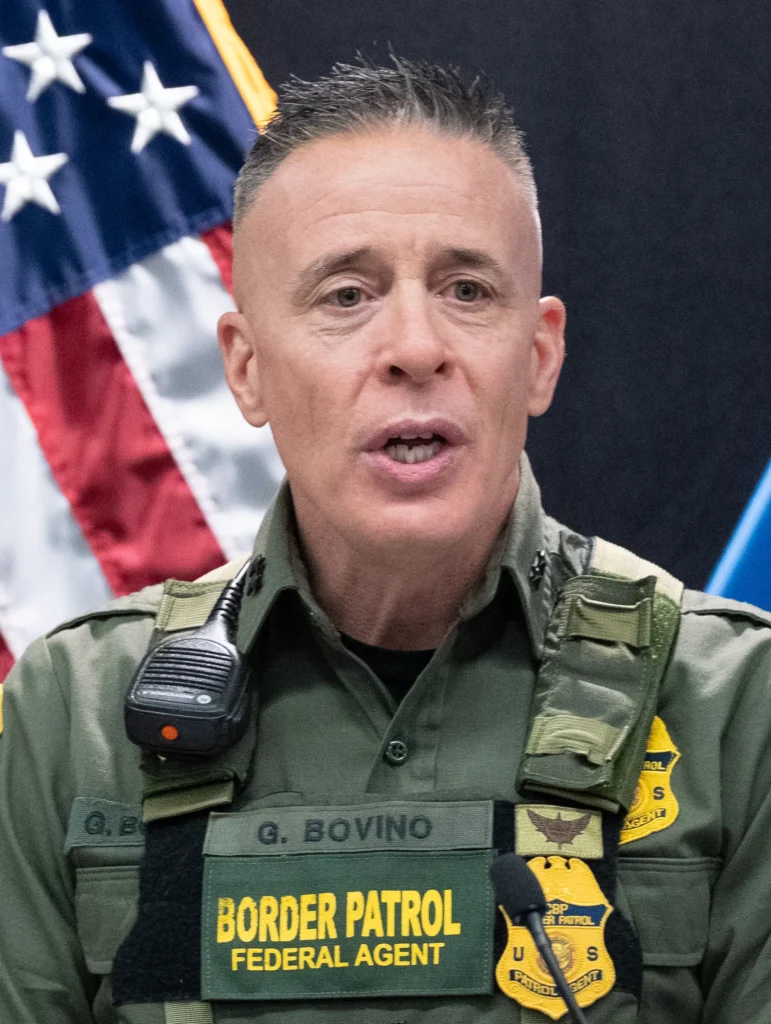
Who is Greg Bovino?
Greg Bovino is a figure who has become closely associated with the U.S. Border Patrol and its approach to immigration enforcement. Rising through the ranks, Bovino’s leadership has been both praised and criticized by different factions of society.
A Career Defined by Controversial Decisions
Bovino’s career with the Border Patrol saw him occupying several influential roles, culminating in his position as a high-ranking leader overseeing immigration operations. Known for his hardline stance on immigration enforcement, Bovino became a representative of the administration’s tough approach to border control. He gained attention not only for his policies but for his visible presence in operations and his unwavering defense of his tactics.
For those who supported his policies, Bovino was seen as a symbol of strong border security. On the other hand, critics argued that his methods often bordered on excessive and lacked compassion for the people affected by them. His leadership led to several high-profile decisions, including raids and the deployment of federal agents in cities with significant immigrant populations.
The Controversy: What Led to Greg Bovino’s Reassignment?
Bovino’s reassignment came after a series of events that intensified public debate about his leadership. The most significant factor contributing to his reassignment was the controversy surrounding a fatal shooting incident in Minneapolis involving Border Patrol agents under his command.
The Minneapolis Shooting Incident
In late January, a tragic incident occurred in Minneapolis when Border Patrol agents, operating under Bovino’s directive, were involved in the fatal shooting of a 37-year-old ICU nurse. The shooting, which sparked nationwide outrage, was seen by many as an example of excessive force by federal law enforcement. The public outcry that followed the incident brought renewed scrutiny to Bovino’s leadership and the tactics employed by the Border Patrol.
The Minneapolis incident wasn’t the first time Bovino’s methods had been questioned. His aggressive approach to border security, which often included forceful measures and confrontational tactics, had already drawn criticism from civil rights groups, local officials, and even some members of the public.
Public Backlash and Media Coverage
The media coverage of the shooting further fueled the controversy, with widespread condemnation of the Border Patrol’s actions. Civil rights organizations and political leaders called for accountability, and there were widespread protests against the perceived overreach of federal law enforcement. Bovino’s refusal to publicly acknowledge any wrongdoing only exacerbated the situation, with many claiming that he was unwilling to address the concerns raised by the public and critics alike.
Internal Pressures and Political Climate
Internally, Bovino faced pressure from within the Border Patrol and the Department of Homeland Security. While some viewed him as a strong leader, others questioned his judgment and ability to manage the growing challenges surrounding immigration enforcement. The changing political landscape under the Biden administration also played a role in the reassignment. With a shift in priorities and the push for immigration reform, the leadership at the Border Patrol was expected to adapt to new guidelines that emphasized transparency, accountability, and human rights.
Bovino’s reassignment was not just about one controversial incident; it reflected broader concerns about the direction of immigration policy and the need for reform within the Border Patrol. As the debate about immigration continued to evolve, it became clear that leadership within the agency would need to change to align with these shifting values.
Implications of Greg Bovino’s Reassignment
Greg Bovino’s reassignment marks a pivotal moment in the U.S. Border Patrol’s history, but what does it mean for the agency, immigration enforcement, and public trust?
The Impact on the Border Patrol
Bovino’s leadership has undeniably left a mark on the Border Patrol. His reassignment could lead to a shift in operational tactics and a re-evaluation of the agency’s priorities. While some may argue that his departure signals a rejection of aggressive tactics, others may view it as an opportunity for the agency to reassert its commitment to national security without sacrificing fairness and accountability.
The Border Patrol, like any law enforcement agency, is not immune to internal morale issues. The reassignment of a high-ranking official could have a significant impact on the agency’s personnel. It may lead to a period of adjustment as new leadership is introduced, and different operational strategies are implemented.
Public Perception of Immigration Enforcement
One of the most significant impacts of Bovino’s reassignment is the potential effect on public perception of immigration enforcement. The public’s trust in law enforcement has been strained in recent years, particularly in communities affected by aggressive immigration tactics. The events surrounding Bovino’s tenure have further eroded that trust, and his reassignment may signal an attempt to repair relationships with marginalized communities.
The future of U.S. immigration policy depends on the Border Patrol’s ability to rebuild this trust and move forward with a more transparent and humane approach. Whether or not Bovino’s reassignment will lead to such changes remains to be seen, but it is clear that the agency’s image needs a substantial overhaul.
Leadership Shifts and Their Effect on Policy
The change in leadership at the Border Patrol is likely to influence U.S. immigration policy. A new leader will likely bring different priorities and strategies to the table. As the Biden administration continues to push for reforms in immigration law, the Border Patrol’s role will evolve accordingly. A more balanced approach that considers both security and the well-being of immigrants could emerge from this leadership transition.
The new leadership will need to prioritize community engagement, transparency, and human rights in order to move away from the controversial legacy that Bovino leaves behind. This could lead to a rethinking of how border security is managed, with greater attention paid to the needs of the communities affected by immigration enforcement.

The Future of U.S. Immigration Policy
Bovino’s reassignment is part of a broader shift in U.S. immigration policy that has been underway for some time. Under the Biden administration, there has been an emphasis on creating a more humane and fair immigration system, and Bovino’s departure signals a willingness to move away from the hardline tactics of the past.
Evolving Priorities for Immigration Enforcement
The future of immigration enforcement will likely focus on reforming policies that have led to systemic issues, such as family separations and excessive use of force. The Border Patrol’s new leadership will be tasked with ensuring that enforcement actions align with the values of justice and human rights, while still protecting the nation’s borders.
Calls for Immigration Reform
The growing pressure for comprehensive immigration reform is one of the most significant factors driving changes in leadership at the Border Patrol. Policymakers, civil rights groups, and the public are increasingly calling for a system that balances national security with a fair and humane approach to immigration.
As the debate around immigration reform continues, Bovino’s reassignment serves as a reminder that leadership in law enforcement is not static. It evolves in response to shifting public demands and the broader political landscape.
Key Takeaways
- Leadership matters: The leadership of figures like Greg Bovino directly impacts national policies, law enforcement practices, and public opinion. Leadership changes within the Border Patrol are significant, as they reflect shifts in immigration enforcement priorities.
- Reassignment as a turning point: Greg Bovino’s reassignment is not just about one individual—it signals broader changes in U.S. immigration strategy and law enforcement practices.
- The future of border enforcement: As the Border Patrol enters a new era, there will be increased focus on transparency, accountability, and balancing security with human rights.
Frequently Asked Questions (FAQ)
Q1: Why was Greg Bovino reassigned from his position at the U.S. Border Patrol?
Bovino’s reassignment followed public backlash after a fatal shooting incident in Minneapolis involving Border Patrol agents under his command. The incident led to widespread criticism of his leadership and tactics.
Q2: How did Greg Bovino’s leadership affect the Border Patrol’s image?
Bovino’s leadership was polarizing—while some supported his tough stance on immigration, others criticized his methods as overly aggressive. His departure signals a potential shift in the agency’s approach to immigration enforcement.
Q3: What does Greg Bovino’s reassignment mean for U.S. immigration policy?
Bovino’s reassignment marks a potential turning point for U.S. immigration policy, as it aligns with the broader push for reform within the Biden administration. A more balanced and humane approach to immigration enforcement may emerge as a result.
Q4: Will Bovino’s reassignment have a long-term impact on U.S. Border Patrol operations?
While the immediate impact may be seen in leadership shifts and operational changes, the long-term effects will depend on the new leadership’s approach to balancing security and the rights of individuals affected by immigration enforcement.
Conclusion: What the Future Holds for Border Patrol and Immigration Policy
As you’ve learned, Greg Bovino’s reassignment marks a significant shift in the leadership of the U.S. Border Patrol. While his tenure has been fraught with controversy, his departure opens the door for new approaches to immigration enforcement. It’s a reminder that leadership matters, and changes in leadership can drive broader shifts in policy. The question now is: will the Border Patrol evolve to meet the changing expectations of the public and the government? Only time will tell, but this reassignment is undeniably a pivotal moment in the ongoing discussion about immigration in America.
If you’re interested in staying informed about the future of U.S. immigration policy and Border Patrol developments, be sure to follow updates from trusted sources and engage in the ongoing conversation. Your voice matters in shaping the future of immigration in the U.S.

Table of Contents
https://www.trendsfocus.com/minneapolis-shooting-federal-agents-kill-man/