
Whether you live in Georgia or simply follow U.S. politics, the Georgia election situation likely feels impossible to ignore. Elections are no longer distant events happening behind closed doors—they directly affect your daily life, your rights, your economic future, and your trust in democracy itself.
You may have noticed how often Georgia appears in national headlines. That attention is not accidental. Over the last few election cycles, Georgia has transformed from a predictable political state into one of the most closely watched battlegrounds in the country. With razor-thin margins, legal changes, and intense public debate, the Georgia election situation has become a symbol of broader questions facing American democracy.
This article walks you through the major developments shaping Georgia’s election scene, helping you understand what has changed, why it matters to you, and what may come next.

Understanding the Georgia Election Situation: Background and Context
A Brief Overview of Georgia’s Electoral History
To fully grasp the current Georgia election situation, you need to understand where the state comes from politically. For decades, Georgia leaned reliably conservative in statewide elections. Outcomes were often predictable, and national campaigns spent limited time here.
That began to change gradually due to several factors:
- Rapid population growth in metropolitan areas
- Increased racial and cultural diversity
- Higher political engagement among younger voters
- Migration from other U.S. states
As these shifts accelerated, Georgia elections became more competitive. Close results brought new attention, and every vote started to matter more than ever before.
Why the Georgia Election Situation Attracts National Attention
Georgia now sits at the center of national political strategy. When margins are narrow, small changes can tip outcomes. That makes the state influential far beyond its borders.
From your perspective, this means Georgia elections are no longer just local affairs. They influence:
- Control of Congress
- Presidential election outcomes
- National policy direction
The Georgia election situation has become a testing ground for election laws, voter access, and political messaging across the United States.
Major Developments in Georgia’s Election Scene
Recent Election Law Changes in Georgia
One of the most significant developments affecting the Georgia election situation is the introduction of new election laws. These changes were promoted as efforts to strengthen election integrity, but they also sparked widespread debate.
Key changes include:
- Updated voter identification requirements
- Adjustments to mail-in voting rules
- Changes to early voting availability
- New procedures for ballot handling
Supporters argue these measures improve confidence in election outcomes. Critics believe they may limit access for certain groups of voters.
What matters most to you is how these changes influence your ability—and the ability of others—to participate fairly in elections.
How These Changes Impact the Georgia Election Situation
Election law changes do not exist in a vacuum. Their impact becomes visible through voter behavior, turnout levels, and public trust.
You may notice effects such as:
- Longer planning required to vote early or by mail
- Increased need for voter education
- Greater emphasis on compliance with new rules
For many voters, navigating the Georgia election situation now requires more awareness and preparation than in the past.
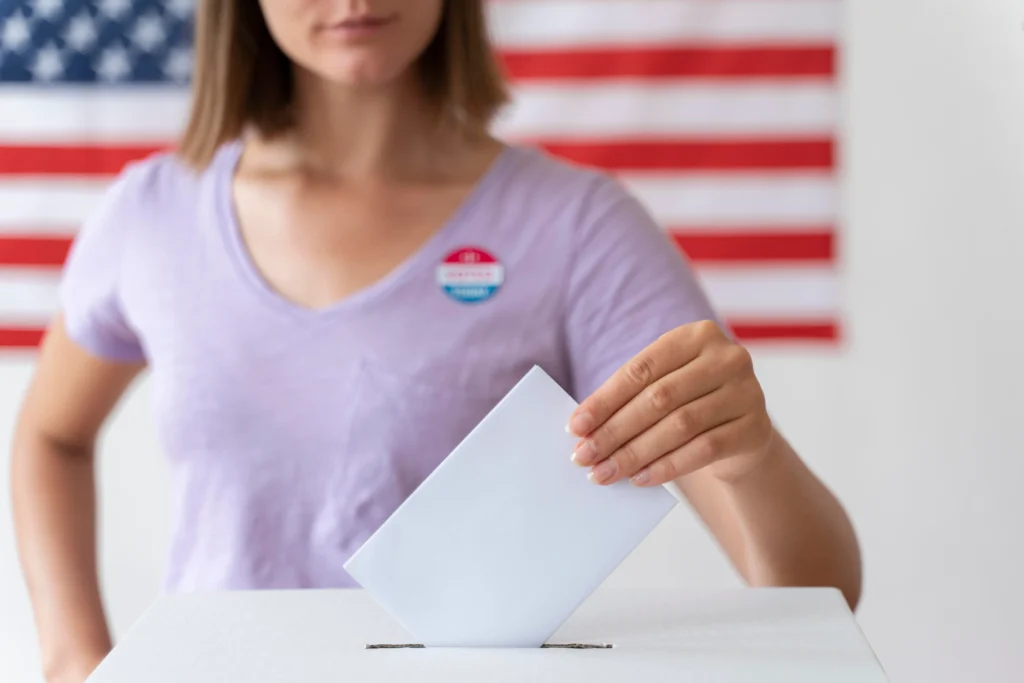
Political Forces Shaping the Georgia Election Situation
Key Political Parties and Influencers
Political parties have adapted their strategies in response to Georgia’s evolving electorate. Both major parties now invest heavily in voter outreach, advertising, and grassroots organization.
From your viewpoint, this results in:
- Increased campaign messaging
- More frequent political outreach
- Higher visibility of national figures in state races
Georgia is no longer a side note—it is a core focus of political planning.
Grassroots Movements and Voter Mobilization
Beyond traditional parties, grassroots organizations play a powerful role in shaping the Georgia election situation. These groups focus on:
- Voter registration
- Education on voting rules
- Encouraging participation in underrepresented communities
If you’ve seen increased community engagement around elections, this is why. Grassroots efforts have helped redefine who participates and how elections unfold.
Voter Turnout and Public Sentiment in Georgia
Voter Participation Trends
Turnout is one of the clearest indicators of how the Georgia election situation is evolving. In recent cycles, voter participation has reached historic levels.
Trends you may notice include:
- Higher turnout among young voters
- Increased participation in urban areas
- Greater engagement in early voting
These patterns suggest that voters increasingly view elections as meaningful and urgent.
Public Opinion and the Georgia Election Situation
Public sentiment shapes elections just as much as laws or campaigns. Many voters now rank the following issues as top concerns:
- Economic stability
- Healthcare access
- Voting rights
- Education quality
As a voter, these priorities likely influence how you view the Georgia election situation and the choices available to you.
Media Influence and Misinformation in the Georgia Election Situation
Role of Traditional Media and Social Platforms
Media coverage plays a central role in how you experience elections. News outlets, social platforms, and digital content shape narratives quickly and widely.
This creates both opportunity and risk:
- Faster access to information
- Broader exposure to diverse viewpoints
- Increased spread of misleading content
Your ability to evaluate sources has never been more important.
Election Integrity and Trust Issues
Trust lies at the heart of the Georgia election situation. Claims of irregularities—whether supported or disproven—can influence public confidence.
To address this, officials and organizations have focused on:
- Transparency measures
- Fact-checking initiatives
- Voter education efforts
For you, understanding how election integrity is protected can help separate verified information from speculation.
Why the Georgia Election Situation Matters Beyond Georgia
National Political Implications
Georgia’s elections often influence national balance of power. A single seat or outcome can shape legislative priorities for years.
This means decisions made by Georgia voters can affect:
- Federal laws
- Judicial appointments
- National economic policies
Your vote—or the outcome of Georgia elections—can have consequences far beyond state lines.
Long-Term Impact on Democracy
The Georgia election situation also raises broader questions about democracy itself. How accessible should voting be? How do you balance security and participation?
The answers being tested in Georgia may shape future election practices nationwide.
What’s Next for the Georgia Election Situation?
Upcoming Elections and Possible Outcomes
Looking ahead, Georgia remains highly competitive. You can expect:
- Continued legal debates
- Increased voter education efforts
- Ongoing national attention
Future elections will likely be shaped by how well voters adapt to evolving rules and how institutions respond to public concerns.
Expert Predictions and Analysis
Many analysts agree on one point: Georgia is unlikely to return to political predictability anytime soon. Instead, it will remain dynamic, contested, and influential.
For you, this means staying informed is not optional—it is essential.
Conclusion: The Georgia Election Situation at a Critical Crossroads
The Georgia election situation stands at a turning point. Legal reforms, shifting demographics, grassroots activism, and national attention have permanently changed the state’s political landscape.
As a voter or observer, your role matters. Understanding how elections work, why changes happen, and how they affect participation empowers you to engage more confidently.
Democracy does not function on autopilot. It depends on informed individuals who choose to pay attention, ask questions, and participate when it counts.
FAQ: Georgia Election Situation
What is the current Georgia election situation?
The Georgia election situation refers to the state’s evolving political landscape, including close election results, new voting laws, and heightened national attention.
How have recent laws changed the Georgia election situation?
Recent laws have adjusted voter identification rules, early voting options, and mail-in voting procedures, influencing how elections are conducted.
Why is Georgia so important in U.S. elections?
Georgia’s competitive electorate and narrow margins make it a decisive state in national elections, often influencing overall outcomes.
How does the Georgia election situation affect you directly?
It impacts how you register, how you vote, the information you receive, and the policies shaped by election results.
Where can you find reliable information about the Georgia election situation?
Official state election offices, reputable news organizations, and non-partisan research institutions are the most reliable sources.
Call to Action
If you want to navigate the Georgia election situation with confidence, stay informed, verify your sources, and engage in the process. Share accurate information, encourage thoughtful discussion, and make your voice count. Democracy works best when you participate—not just on election day, but every step of the way.
Table of Contents
Greg Bovino and the Border Patrol Reassignment Row – trendsfocus
FBI raids Georgia election office amid Trump’s continued claims of 2020 voter fraud