
When you hear the name Abraham Lincoln, you think of dignity, honesty, and unity.
When you hear Donald Trump, you think of anger, defiance, and division.
Yet both men, though separated by two centuries, faced the same impossible question: Can a divided America still survive itself?
Lincoln led a nation at war with its own soul. Trump rules an era where that war has gone digital — fought with tweets instead of bullets, slogans instead of cannons.
But the heart of the conflict hasn’t changed: truth vs. illusion, unity vs. rage, democracy vs. distrust.
And as you scroll through today’s headlines, you realize — the America of Trump still lives in the shadow of Lincoln.
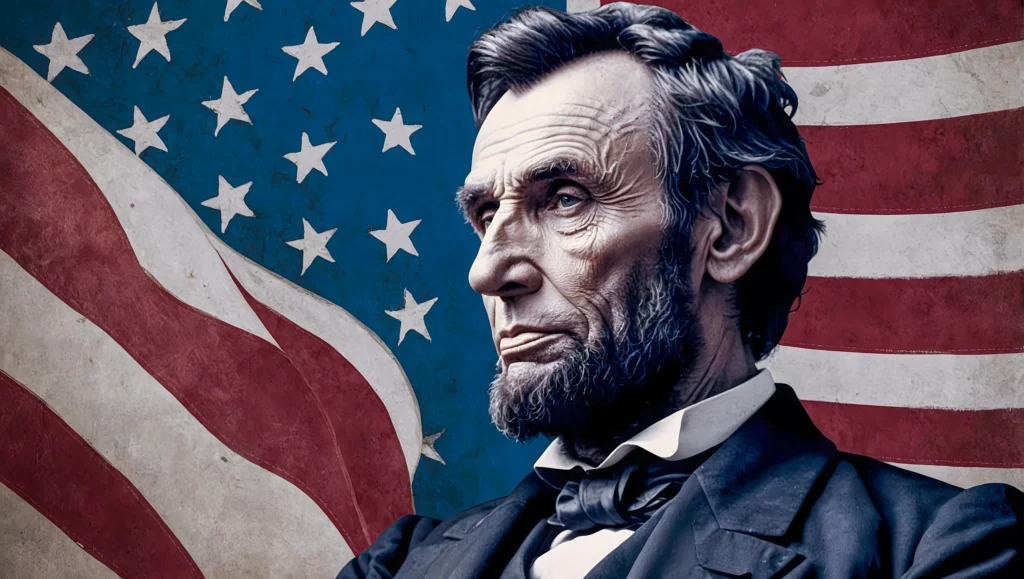
Lincoln: The Healer Who Stitched a Nation Back Together
A President in the Middle of a Moral War
When Lincoln took office in 1861, America was falling apart. Eleven southern states had seceded, the economy was collapsing, and slavery was tearing the country’s conscience in two.
Lincoln, a humble lawyer from Illinois, became the moral compass of a country spinning out of control.
He didn’t seek revenge or domination; he sought redemption.
His Emancipation Proclamation (1863) wasn’t just a legal order — it was a moral awakening.
He believed that freedom was not a privilege for some, but a birthright for all.
“With malice toward none, with charity for all.”
That line — delivered as the Civil War neared its end — is more than a sentence. It’s a lesson in leadership: how to win without hate, and how to heal without erasing the pain.
Lincoln understood something profound: a divided nation doesn’t need louder leaders — it needs wiser ones.
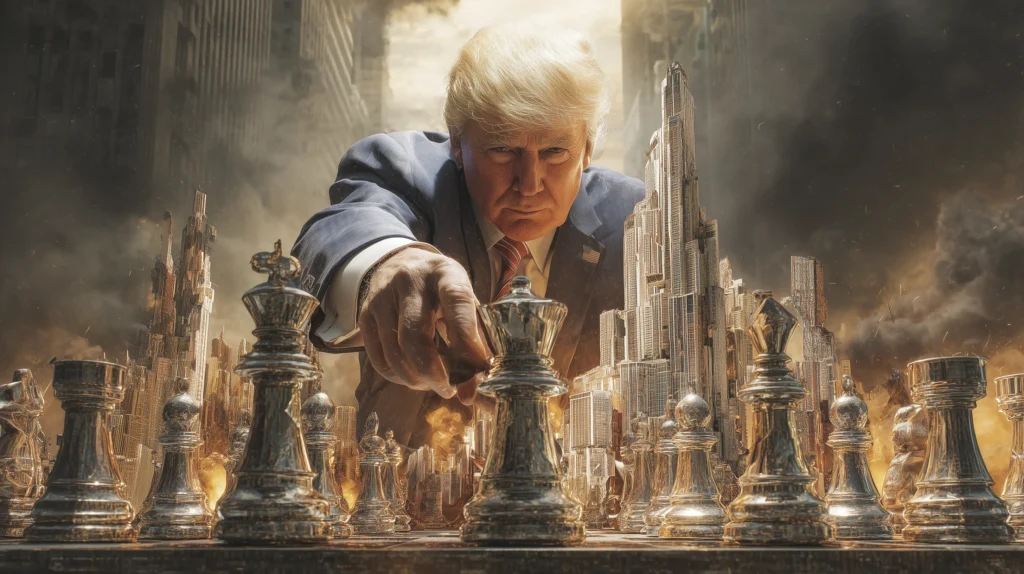
Trump: The Man Who Reopened the Wounds
The Return of the Angry Republic
Fast forward 150 years. The battleground has changed, but the division remains.
When Donald Trump entered the White House in 2016, he promised to “Make America Great Again.”
But beneath the red hats and the rallies, a different slogan echoed: Make America Fear Again.
Fear of immigration. Fear of globalization. Fear of change.
Trump didn’t create that fear — he mastered it.
He turned resentment into a campaign and outrage into a movement.
While Lincoln tried to calm the storm, Trump learned to surf it.
He discovered that in an age of confusion, division sells.
The more he shocked, the more he won.
The more he fought the media, the more his followers trusted him.
For millions, Trump became a voice of revenge — a rebellion against the system.
But for others, he became the symbol of everything Lincoln fought to overcome: ignorance, hate, and the corruption of truth.
Two Presidents, Two Visions of Truth
Lincoln’s Faith in Facts and Reason
Lincoln built his presidency on truth — even when it hurt him politically.
He studied the Constitution, reflected on morality, and spoke with logic rather than noise.
To him, leadership meant clarity, not chaos.
He once said:
“You can fool some of the people all of the time… but you cannot fool all of the people all of the time.”
It was his way of reminding Americans that truth has endurance — even when it’s unpopular.
Trump’s Empire of Emotion
Trump’s America, on the other hand, is built not on facts but feelings.
He lives in what historians now call the post-truth era — a world where emotion outweighs evidence.
You’ve seen it yourself:
- False claims retweeted as gospel.
- Outrage replacing debate.
- “Fake news” shouted at every uncomfortable fact.
For Lincoln, truth was sacred.
For Trump, truth became negotiable.
And when truth dies, democracy bleeds.

The New Civil War — From Muskets to Memes
The Cultural Battlefield
In Lincoln’s time, Americans fought on literal battlefields — Gettysburg, Antietam, Shiloh.
Today, they fight online — in comment sections, in political rallies, in the news.
The Civil War was about geography and slavery; today’s war is about identity and belief.
You no longer have two regions at war — you have two realities.
The left and the right don’t just disagree; they live in parallel worlds.
Each side sees the other not as wrong, but as evil.
And that’s what Lincoln feared most: not disagreement, but dehumanization.
January 6: The Day Lincoln’s Warning Came True
On January 6, 2021, the world watched in disbelief as Trump supporters stormed the U.S. Capitol.
They carried flags that said “1776” — but what they really represented was 1861 all over again.
Lincoln once warned that “If destruction be our lot, we must ourselves be its author and finisher.”
That prophecy came true.
The Capitol riot wasn’t just an attack on a building.
It was an attack on truth itself — the idea that facts can still matter in a democracy.
You could almost imagine Lincoln standing in the ruins that day, whispering:
“This is what happens when the nation stops listening to its better angels.”
The Legacy of Lincoln in the Age of Trump
One Called for Conscience, the Other for Combat
Lincoln spoke to the conscience of America.
Trump speaks to its anger.
Lincoln sought to elevate people; Trump seeks to electrify them.
Both understood power — but only one understood peace.
For Lincoln, unity was sacred. For Trump, conflict is strategy.
In Lincoln’s America, leadership meant rising above division.
In Trump’s America, leadership means owning the divide.
What You’re Living Through Today
You’re living in a country where:
- Lies spread faster than facts.
- Political loyalty outweighs morality.
- Institutions are doubted.
- Every disagreement feels like a war.
Lincoln’s America died fighting for truth.
Trump’s America fights over what truth even means.
And you — whether you’re left, right, or somewhere in between — are caught in the middle of that storm.

What Lincoln Can Still Teach You About Surviving Trump’s America
Lead with Humility, Not Ego
Lincoln doubted himself constantly — and that made him wise.
He listened before speaking, reflected before reacting.
His humility wasn’t weakness; it was strength.
Trump’s style is the opposite: never apologize, never retreat.
But real leadership doesn’t shout — it listens.
If Lincoln taught one lesson, it’s this: ego divides, empathy unites.
Tell the Truth, Even When It Hurts
Trump has shown that lies can win elections.
Lincoln proved that truth can win history.
Every time you choose truth — in conversation, in voting, in how you inform yourself — you keep Lincoln’s legacy alive.
The fight for democracy doesn’t happen in Congress; it happens in your own choices.
Unity Is Not Uniformity
Lincoln didn’t want Americans to think alike.
He wanted them to coexist.
He knew the goal wasn’t to erase differences but to rise above them.
That’s the challenge you face today — to disagree without destroying.
Conclusion – Lincoln’s Shadow Over Trump’s America
Two centuries apart, two men tell one story: how fragile democracy can be when truth becomes optional.
Lincoln rebuilt a broken nation through empathy, courage, and truth.
Trump exposed how easily that nation can crack again through fear, fury, and illusion.
You live in the echo of both.
When you see fake news, political rage, or blind loyalty, you’re witnessing the aftershocks of Lincoln’s unfinished mission.
And maybe that’s the real test — not whether another Lincoln will rise, but whether you will.
Because unity isn’t a presidential power; it’s a personal choice.
“The people are the masters of both Congresses and courts,” Lincoln once said. “Not to overthrow the Constitution, but to overthrow the men who pervert it.”
That’s your responsibility now.
Call to Action:
Don’t surrender your voice to outrage.
Learn from Lincoln. Question like he did. Speak truth like he did.
Because if America is ever to heal again, it won’t be through another Trump — it’ll be through millions of new Lincolns.
FAQ – Lincoln and Trump: The Two Faces of America
1. What do Lincoln and Trump have in common?
Both governed a deeply divided America. But Lincoln sought to unite through empathy, while Trump often capitalized on division for power.
2. How does Trump’s politics contradict Lincoln’s legacy?
Lincoln upheld truth, compassion, and unity. Trump’s approach leans on confrontation, emotion, and mistrust — the very forces Lincoln fought to tame.
3. Why is Lincoln still relevant in the Trump era?
Because his example reminds you that integrity and humility can outlast any demagogue. His lessons on leadership and truth are timeless.
4. What can you personally take from their comparison?
That democracy depends on honesty and respect. Lincoln showed that moral courage builds nations — and Trump showed what happens when it disappears.
Table of Contents
https://www.trendsfocus.com/why-zohran-mamdani-disturbs-political-order/