
Imagine sitting in a dark theater, the anticipation in the air as the lights flicker and the screen begins to shine. The magic of cinema has the power to transport you to another world, allowing you to experience stories and emotions in a way nothing else can. But how did we go from silent films accompanied by live music to the high-definition, CGI-laden blockbusters of today?
The journey from The Jazz Singer in 1927 to the Hollywood we know now has been one of constant reinvention. Through technological advancements, shifting cultural moments, and evolving artistic approaches, the world of cinema has transformed in unimaginable ways. Let’s dive deep into the evolution of cinema, from its humble beginnings to the dynamic modern landscape we see today.
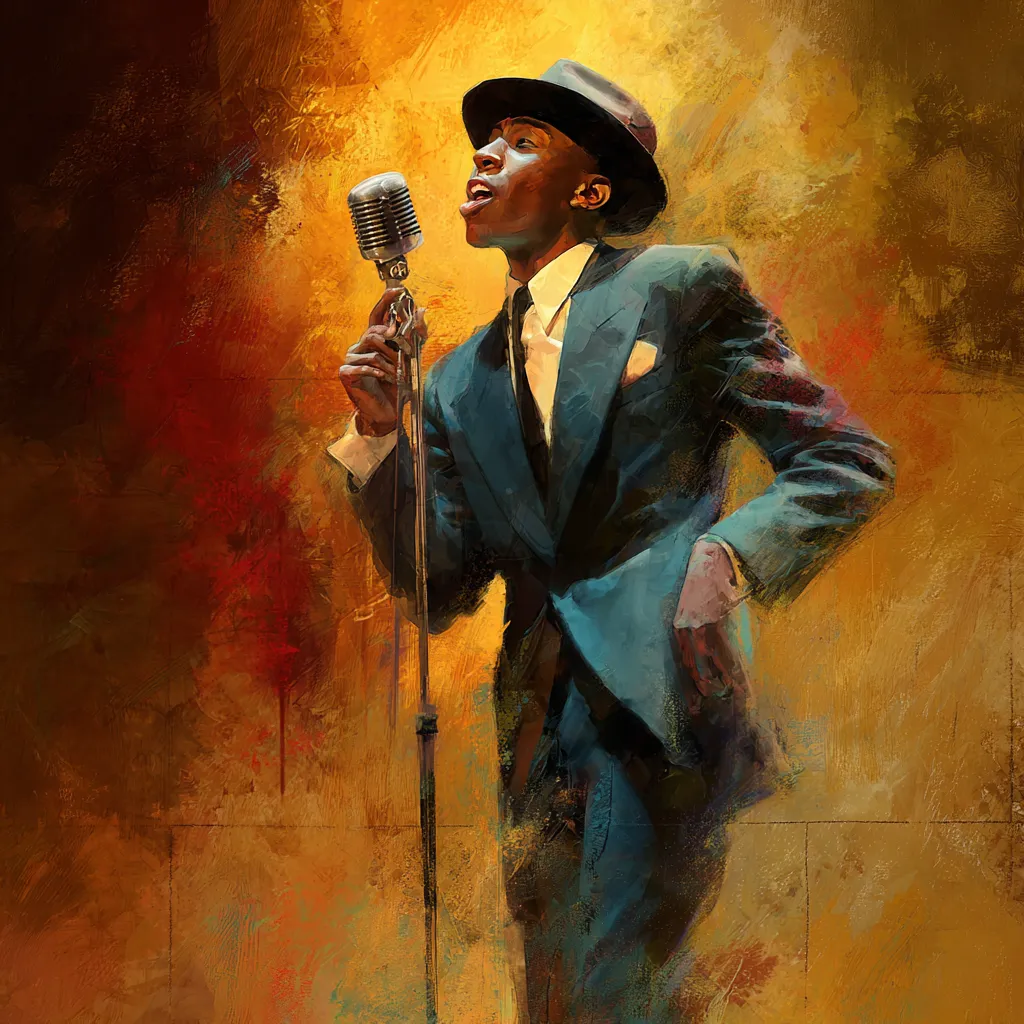
The Birth of Sound in Film: The Jazz Singer (1927)
In 1927, cinema underwent a monumental shift with the release of The Jazz Singer, the world’s first “talkie” film. Up until that point, films were silent, relying on title cards and live music to tell the story. While there had been some attempts to introduce sound earlier, The Jazz Singer proved that it was possible to synchronize sound with picture in a way that captivated audiences.
Why was The Jazz Singer revolutionary?
- Sound synchronization: The Jazz Singer incorporated synchronized dialogue and sound effects, which was an incredible technical achievement for its time.
- Audience reaction: The film’s popularity marked the beginning of the decline of silent films and signaled a new era in Hollywood, where sound became a crucial part of the filmmaking process.
- Cultural impact: The film didn’t just transform technology—it changed how movies were perceived and how audiences engaged with them. For the first time, actors’ voices were a key part of their performances.
The success of The Jazz Singer forever altered the film industry. It was a groundbreaking moment that marked the beginning of the “talkie” era and introduced the world to a new way of storytelling. This was just the start of a much larger transformation that would continue throughout the decades.
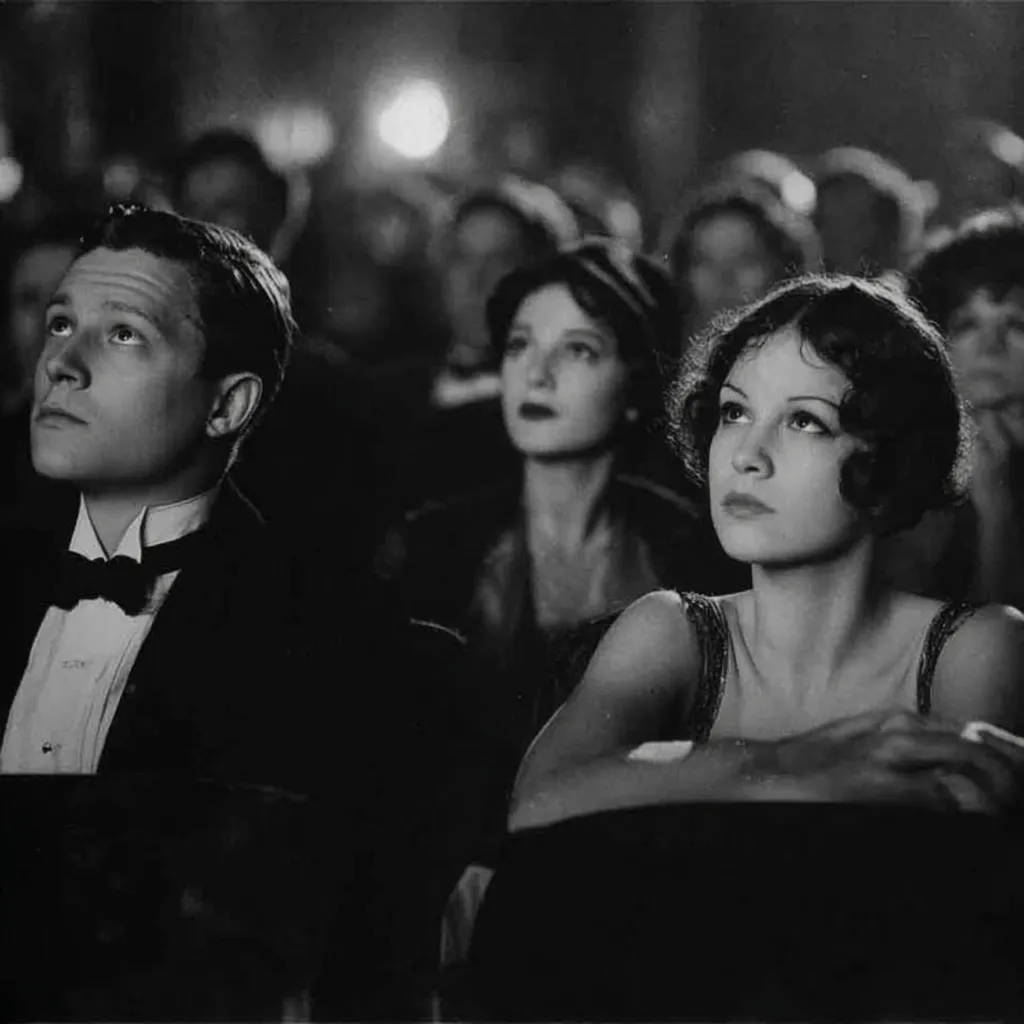
The Golden Age of Hollywood (1930s-1950s)
The 1930s to the 1950s is considered the Golden Age of Hollywood. This period witnessed the rise of iconic studios, actors, and directors who defined the cinematic landscape for generations to come. The technical breakthroughs set in motion by The Jazz Singer were refined, leading to an era of stunning, large-scale productions.
Major Changes During the Golden Age
- Studio System: Hollywood’s big studios—such as Warner Bros., MGM, and Paramount—controlled much of the industry. They ran their operations like factory lines, cranking out films that adhered to specific genres and formulas.
- Technicolor: The advent of Technicolor brought vibrant color to films, adding another layer of richness to the viewer’s experience. Movies like The Wizard of Oz (1939) showcased the possibilities of color, influencing an entire generation of filmmakers.
- The Rise of Genres: Genres like musicals, gangster films, westerns, and dramas flourished during this period. The escapism of these films resonated with audiences dealing with the hardships of the Great Depression and World War II.
Iconic Films and Stars
The Golden Age produced timeless classics. Think of Gone with the Wind, Casablanca, and The Wizard of Oz—each a defining film that captured the imagination of millions. At the same time, Hollywood’s most famous stars—Clark Gable, Audrey Hepburn, Humphrey Bogart—became household names and shaped the very fabric of American culture.
The Rise of Method Acting and Post-War Cinema
In the wake of World War II, Hollywood underwent a transformation. The impact of the war, combined with social upheaval, prompted a shift in storytelling. Filmmakers began to explore more complex, darker themes, reflecting the turbulent times in which they lived.
The Birth of Method Acting
The 1950s saw the emergence of method acting, a style of acting that emphasized emotional authenticity and psychological depth. Method actors like Marlon Brando and James Dean brought a new intensity to their roles, changing the way audiences saw actors. Instead of polished performances, audiences were now confronted with raw, vulnerable portrayals of complex characters.
- Marlon Brando in A Streetcar Named Desire (1951): Brando’s intense, naturalistic performance changed the landscape of acting forever.
- James Dean in Rebel Without a Cause (1955): Dean’s portrayal of troubled youth captured the disillusionment of post-war America, resonating deeply with younger audiences.
Changing Film Narratives
Post-war cinema was marked by more realistic and gritty portrayals of life. The studio system was slowly dying, giving way to new creative voices in film. Directors began to take more risks, experimenting with content and narrative structure. These changes resulted in films that reflected the complex social issues of the time, such as racism, poverty, and mental health.
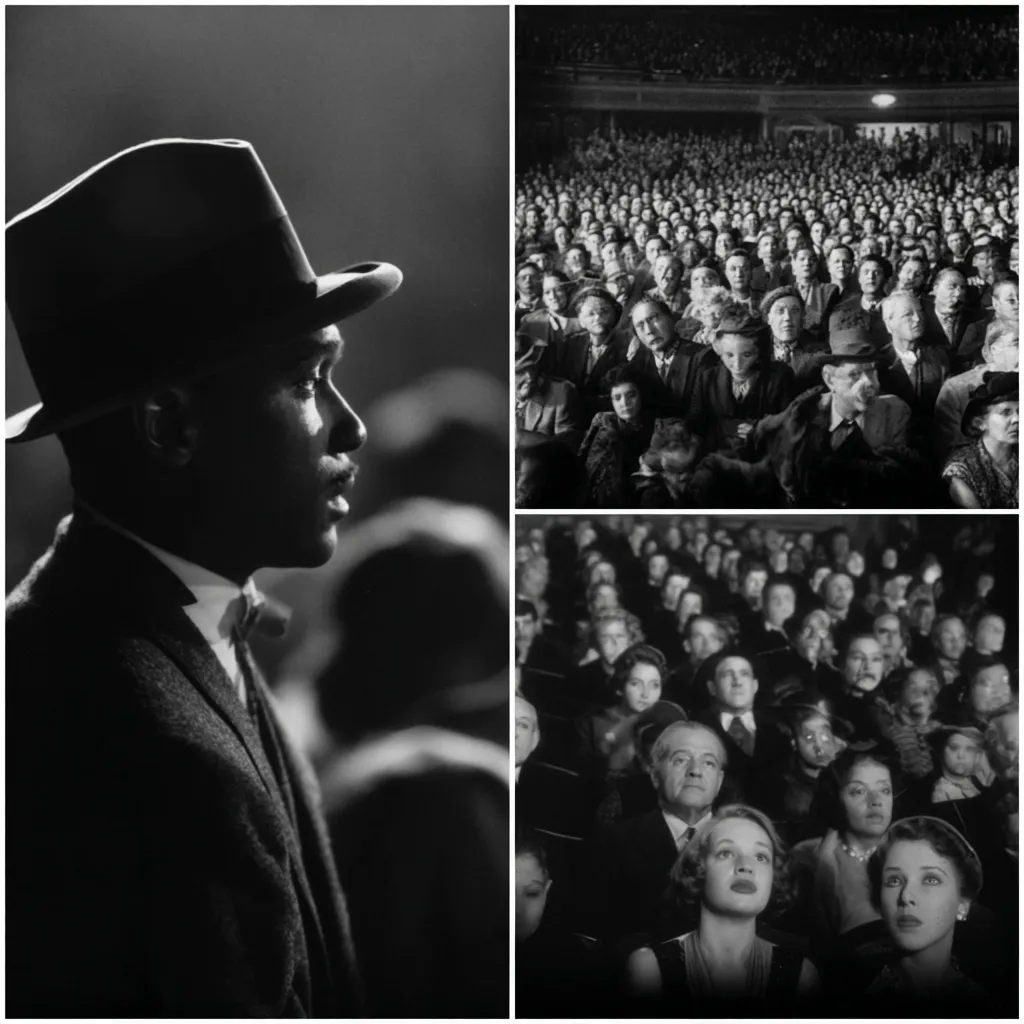
The New Hollywood Era: 1960s-1970s
The 1960s and 1970s marked a pivotal period in Hollywood cinema—often referred to as the “New Hollywood” era. This period saw the rise of a new generation of filmmakers who challenged traditional Hollywood conventions, often producing films that were daring and socially relevant.
The Decline of the Studio System
As the old studio system crumbled, directors gained more creative control. This allowed filmmakers like Martin Scorsese, Francis Ford Coppola, and Stanley Kubrick to create films that pushed the boundaries of storytelling.
- Films like Easy Rider (1969): Easy Rider represented a shift in filmmaking, as it was one of the first major films to be made outside the Hollywood system, focusing on countercultural themes.
- The Godfather (1972): Coppola’s epic tale of family, loyalty, and crime became one of the most influential films of all time, marking a new era in the way Hollywood told stories.
The Rise of the Blockbuster
This period also marked the beginning of the “blockbuster” era with films like Jaws (1975) and Star Wars (1977). These films used cutting-edge technology and spectacular visual effects to captivate audiences, paving the way for modern Hollywood’s focus on big-budget, high-concept films.
The Blockbuster Era: 1980s-1990s
With the success of Star Wars and other major films, the 1980s and 1990s ushered in an era dominated by the blockbuster. Hollywood embraced big-budget films with explosive action, cutting-edge special effects, and thrilling plots that appealed to wide audiences.
Key Takeaways:
- The 1980s and 1990s were defined by the blockbuster mentality, with high-budget, high-stakes films leading the box office.
- Films relied heavily on visual effects, such as CGI and practical effects, to create visually stunning experiences.
- Iconic films like E.T. the Extra-Terrestrial, Jurassic Park, and Titanic shaped the cinematic landscape.
The special effects revolution of the 1990s changed everything. Movies like Jurassic Park and Titanic made use of CGI in ways that were previously unimaginable. The dinosaurs in Jurassic Park and the sinking of the Titanic in Titanic were brought to life using cutting-edge technology that wow
Conclusion: The Future of Cinema
The journey of cinema from The Jazz Singer to today’s digital marvels is nothing short of extraordinary. Over the past century, the film industry has continually reinvented itself, adapting to new technologies, shifting cultural trends, and changing audience expectations. From the silent era to the birth of sound, from black-and-white classics to vibrant Technicolor films, and from practical effects to stunning CGI, cinema has evolved into a powerful medium that shapes our collective imagination.
As we look to the future, it’s clear that the evolution of cinema will continue to break boundaries. The rise of virtual reality, interactive storytelling, and AI-driven content is just the beginning of what’s possible. Streaming platforms are already reshaping the way we consume films, allowing for greater accessibility and creative freedom. The superhero genre, digital filmmaking, and even advancements in AI and data-driven narratives will likely continue to influence how films are made and experienced.
But amid all these technological advancements, the core magic of cinema remains unchanged — its ability to tell compelling stories that move, inspire, and unite people. Whether you’re watching a grand blockbuster or an intimate indie film, the power of storytelling remains at the heart of cinema’s evolution.
As you sit down to watch your next movie, take a moment to appreciate the journey it’s taken to get there. From the groundbreaking innovation of The Jazz Singer to the endless possibilities that lie ahead, cinema has always been about pushing boundaries — and it always will be.
So, keep watching. The next great chapter in the evolution of cinema is just around the corner, and you won’t want to miss it.
Table of Contents
https://www.trendsfocus.com/the-impact-of-technology-modern-relationships/