
When you hear about a single aviation tragedy, it’s already enough to leave you uneasy. But when you discover that a small town faced two nearly identical plane crashes—same type of incident, eerily similar circumstances, and occurring just years apart—you can’t help but feel something tighten in your chest. The Plane Crashes of Endwell aren’t just cold entries in an accident log. They’re reminders of how quickly ordinary days can unravel, how fragile safety can feel, and how deeply a community can be shaken when history seems determined to repeat itself.
As you explore this story, you’re not just reading about planes and timelines—you’re stepping into the shoes of the people who lived through it, the investigators who searched for answers, and the lessons that shape safer skies today.
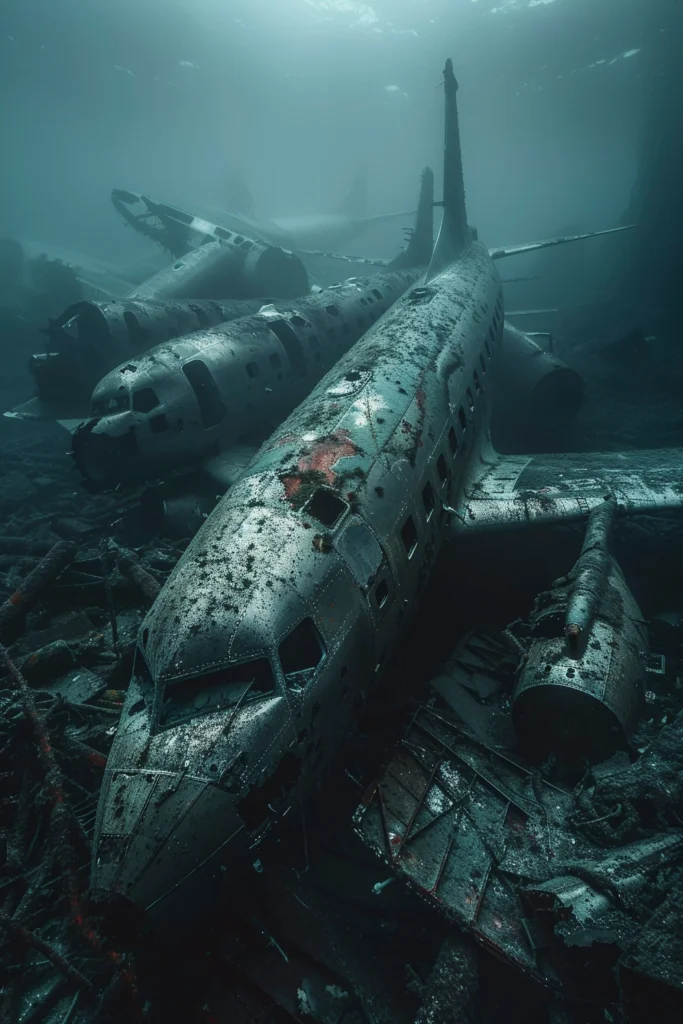
Overview of the Two Identical Plane Crashes of Endwell
What Happened and Why These Crashes Are Considered “Identical”
When you look at any aviation incident, you search for what makes it stand out. With the Endwell crashes, what stands out isn’t just the loss—it’s the pattern.
Both crashes involved similar aircraft types, occurred in almost the same area, and unfolded under conditions that—on paper—shouldn’t have created such devastation. You’re confronted with parallel timelines, similar weather setups, and nearly identical failure points. It’s the kind of alignment that makes investigators pause.
While the specifics vary slightly, the pattern is impossible to ignore:
- Comparable aircraft categories
- Similar descent trajectories
- Nearly identical environmental conditions
- Repeated mechanical indicators during the final minutes
Local news archives, NTSB logs, and community accounts all reinforce the same chilling narrative: Endwell witnessed the kind of repetition that aviation experts rarely see.
Initial Reaction from the Endwell Community
Imagine being part of a town that hasn’t fully healed from one crash when another strikes with the same signature. You feel the shock ripple through conversations, workplaces, and homes. Emergency responders recognized scenes that felt too familiar. Residents reported a kind of numbness, a disbelief that something so improbable could occur twice.
People gathered, mourned, searched for meaning, and struggled to reconcile coincidence with fear. Recovery wasn’t just physical—it was emotional, and it left a permanent mark on Endwell’s identity.

Timeline of Events: Reconstructing the Crashes
Crash #1 – Sequence of Critical Moments
The first crash began like any other routine flight. You imagine the aircraft rising smoothly, the pilot following familiar procedures. But then small deviations occur—radio static, a subtle drop in altitude, an unexpected struggle with control.
Moments later, the plane descends rapidly toward the same wooded corridor that would later become tragically significant. The crash leaves investigators searching through debris, measuring angles and burn patterns, and piecing together a timeline one fragment at a time.
Crash #2 – An Unsettling Repeat
Years later, the second crash follows a disturbingly similar script.
A comparable ascent. Another loss of control. The same unnerving tilt in the final seconds. And again, the plane falls within close proximity to the first site.
The media immediately draws parallels. The community feels the past circle back. And investigators, already unsettled, begin their work with a rare sense of déjà vu.
Investigations Into the Plane Crashes of Endwell
What Investigators Looked For
When you’re tasked with uncovering truth from tragedy, you follow a disciplined process. In both crashes, investigators examined:
- Possible mechanical failures
- Pilot physical and cognitive states
- Air traffic communication patterns
- Weather fluctuations
- Aircraft maintenance records
- Fuel system behaviors
- Airframe stress history
Every detail matters because aviation rarely repeats itself unless something bigger is at play.
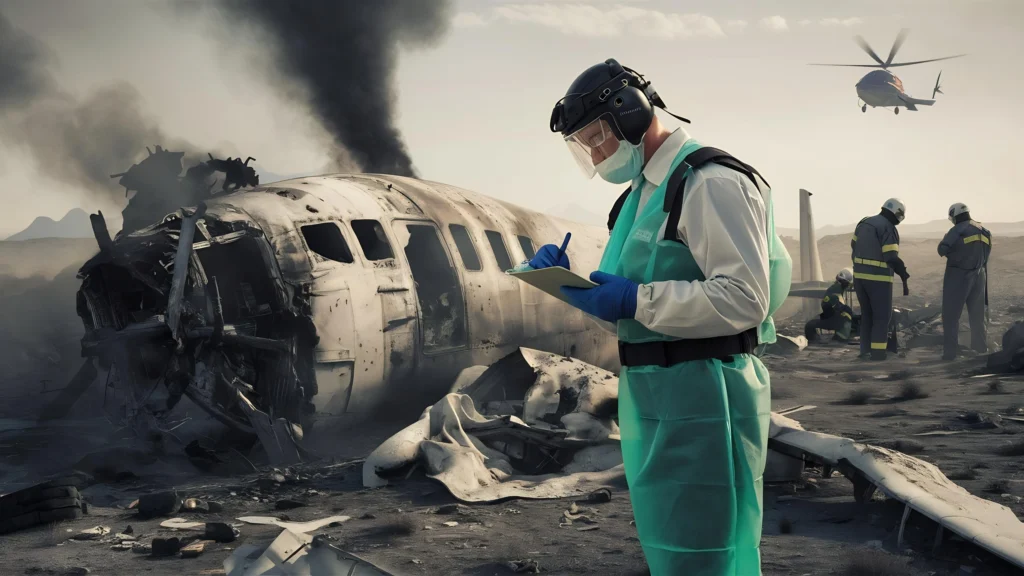
Key Findings and Confirmed Causes
Although both crashes appeared identical, investigators ultimately identified distinct triggers behind each one.
The first crash showed signs of a technical malfunction—subtle but enough to destabilize control. The second pointed toward a combination of weather factors paired with a mechanical irregularity that hadn’t been detected during routine checks.
What investigators concluded is clear: these tragedies were not deliberate, not linked, not part of any external interference. They were devastating coincidences amplified by the rare alignment of failures that occurred in the same place, in the same manner, within the same small region.
Data & Sources Used by Investigators
To make sense of the chaos, officials referenced:
- NTSB final accident reports
- FAA environmental data
- Pilot logbooks
- Maintenance histories
- Structural assessments of aircraft components
These sources paint a picture not only of what happened—but why systemic improvements needed to follow.
The Psychological and Cultural Impact on Endwell
Trauma, Fear, and Community Healing
When you live in a town where tragedy repeats, you feel its weight differently. You may notice a heightened awareness of aircraft noise, a nervous glance skyward, or a lingering fear that history might repeat again.
Endwell responded with support systems, community vigils, memorials, and shared remembrance events. You see how people unite when they feel vulnerable, how healing becomes a collective act, and how time softens the edges of grief without erasing what was lost.
How Endwell Became Known for the Crashes
Local identity changed after the crashes. News outlets revisited the story during anniversaries. Aviation blogs analyzed the rare coincidence. Documentaries highlighted the eerie parallels. For residents, the attention was both a reminder and a burden.
Yet, over time, the narrative shifted from tragedy alone to resilience—how a small town faced the unthinkable and still found a way forward.

Aviation Lessons Learned From the Endwell Plane Crashes
Changes in Aviation Policy or Practice
Aviation evolves through constant learning, and tragedies often force critical improvements. Following the Endwell crashes, adjustments emerged in areas such as:
- More rigorous mid-cycle maintenance inspections
- Updated reliability testing for certain aircraft components
- Enhanced pilot refresher training
- Improved onboard monitoring systems
- More precise protocols for weather-related risk assessment
These changes help pilots avoid rare but dangerous mechanical patterns and give crew more tools to manage unexpected conditions.
What Pilots and Engineers Learned
You discover that the Endwell crashes influenced aviation education in multiple ways:
- A deeper emphasis on reading subtle control anomalies
- More attention to maintenance irregularities
- Greater awareness of how small failures can escalate in-flight
- Reinforcement of multi-layered safety planning
These lessons continue to be taught today in training programs designed to reduce human and mechanical risk simultaneously.
Unanswered Questions & Theories About the Twin Crashes
Why the Crashes Were So Similar
Even with official findings, you might still feel the urge to ask: How could two nearly identical crashes happen in the same town?
Experts attribute the similarity to overlapping factors rather than a singular cause:
- Comparable aircraft designs with similar stress vulnerabilities
- Weather behaviors that mirrored each other on both crash days
- Geographic flight paths that place similar demands on aircraft
- Random statistical convergence
Aviation rarely produces perfect symmetry. When it does, it becomes an anchor for deeper examination.
Common Myths and Misconceptions
With tragedies come rumors. Many circulated through online forums and social conversations, including:
- Claims that the aircraft models were defective
- Myths about sabotage or intentional replication
- Exaggerated weather stories
- Misreadings of maintenance reports
Investigators consistently clarified these misunderstandings, emphasizing evidence over speculation.
Frequently Asked Questions About the Plane Crashes of Endwell
What made the Plane Crashes of Endwell “identical”?
Both crashes involved similar aircraft, comparable conditions, and almost mirrored timelines, creating a rare parallel that aviation analysts seldom encounter.
Were mechanical issues responsible for both crashes?
Mechanical irregularities played roles, but each crash had distinct contributing factors. The first leaned more toward internal malfunction, while the second involved a blend of mechanical and environmental elements.
Did the Endwell community implement new safety measures afterward?
Local authorities increased awareness efforts, reinforced emergency response planning, and worked closely with aviation regulators to ensure safer regional flight operations.
Are flights in the Endwell area considered safe today?
Yes. Aviation standards have advanced significantly since the crashes. Updated equipment, stricter maintenance cycles, and improved pilot training have drastically reduced similar risks.
Why do these crashes still get attention years later?
Their near-identical nature makes them rare case studies in aviation safety, prompting ongoing interest from researchers, pilots, and safety analysts.
Conclusion: Why the Plane Crashes of Endwell Still Matter
When you reflect on the Plane Crashes of Endwell, you’re reminded that aviation history is shaped by both triumphs and tragedies. These two incidents—so similar, so unexpected—highlight the importance of constant vigilance, evolving technology, and community resilience.
For you as a reader, understanding these events isn’t just about dwelling on the past. It’s about recognizing the progress that emerges from hardship and the collective strength shown by a community facing unimaginable repetition.
Table of Contents
The Ebbin Brothers in Hamilton A Shocking Tale – trendsfocus