
The financial world was rattled today as the Dow Jones Industrial Average experienced a significant drop, marking one of the steepest declines in recent years. The sell-off comes amid rising geopolitical tensions and a surge in oil prices, which have unsettled investors and triggered a wave of market volatility.
Understanding the forces behind today’s market movement is essential for both seasoned investors and casual market followers. While sudden declines can be alarming, they also provide valuable insights into how global events influence financial markets. In this article, we will explore the causes of the Dow’s fall, how other major indexes reacted, the impact of rising oil prices, investor strategies, and what the future might hold.
Dow Jones Plummets in Response to Geopolitical Tensions
The Dow Jones Industrial Average (DJIA) fell by over 1,000 points in a single trading session, signaling a sharp decline in investor confidence. The Dow, which tracks 30 of the largest and most influential U.S. companies, is widely considered a barometer of the overall health of the U.S. stock market.
Investors reacted strongly to escalating geopolitical tensions in the Middle East, which have created uncertainty about global economic stability. The market’s response underscores how intertwined global events and financial markets have become. Even industries not directly affected by geopolitical crises can experience volatility, as investors anticipate potential disruptions to trade, supply chains, and corporate earnings.
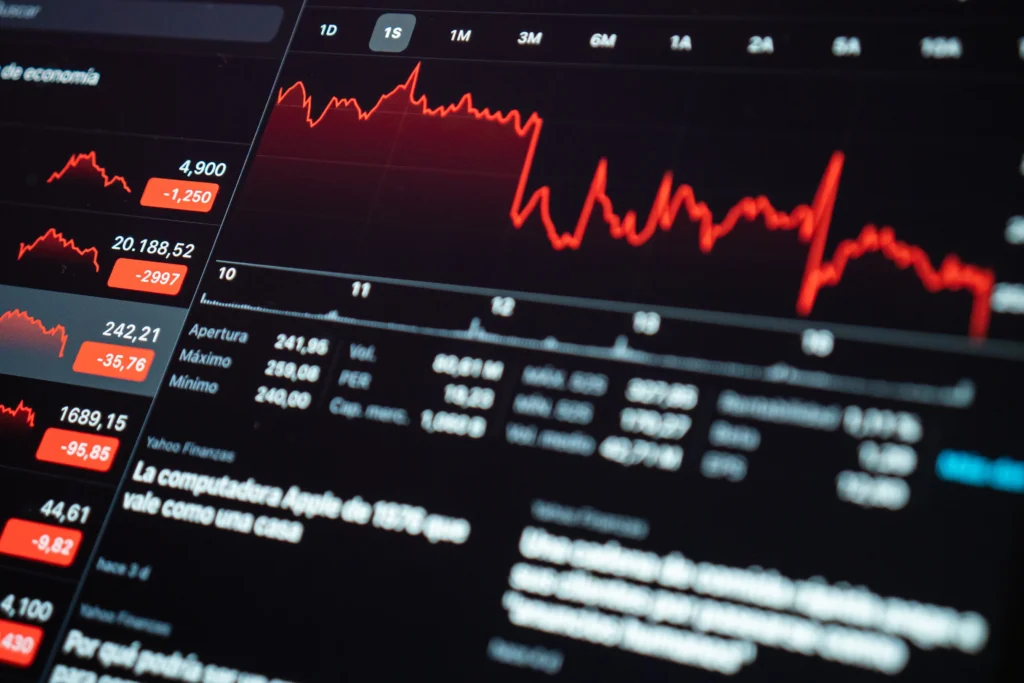
Broad Market Decline: S&P 500 and Nasdaq Follow Suit
The decline was not isolated to the Dow. The S&P 500 and Nasdaq Composite also experienced sharp losses, reflecting a broad-based sell-off across major U.S. stock indexes. Technology, travel, and consumer discretionary sectors were among the hardest hit, as risk-averse investors shifted funds into safer assets.
This broad-based market reaction demonstrates that the current volatility is systemic rather than sector-specific. Many investors interpret such synchronized declines as a warning sign of heightened market risk, which can affect everything from corporate financing to consumer confidence.
H2: The Role of Oil Prices and Inflation Concerns
A significant factor contributing to today’s market turbulence is the surge in oil prices. Rising geopolitical tensions, especially in the Middle East, have sparked fears of supply disruptions in key oil-producing regions. As crude prices climb, the cost of production, transportation, and energy for businesses increases, ultimately placing upward pressure on consumer prices.
Higher energy costs can have a ripple effect across the economy. Companies may see lower profit margins, consumers may reduce discretionary spending, and central banks may face additional inflationary pressures. This combination of factors explains why investors reacted swiftly, leading to the steep decline in the Dow and other major indexes.
Investor Strategies During Volatility
During periods of heightened market uncertainty, investors typically adopt more conservative strategies to protect their portfolios. Common approaches include:
- Diversification: Spreading investments across asset classes to reduce risk.
- Safe-Haven Assets: Allocating funds to gold, government bonds, or other low-risk instruments.
- Avoiding Panic Selling: Maintaining a long-term perspective to avoid locking in losses.
- Monitoring News and Data: Staying informed about geopolitical events, economic indicators, and corporate earnings.
While volatility can be unnerving, it also provides opportunities for disciplined investors. Those who avoid emotional decision-making and focus on strategic, long-term planning are better positioned to navigate turbulent markets.
Historical Context and Lessons Learned
Market downturns in response to geopolitical events are not new. Historically, indexes like the Dow have experienced short-term declines during periods of uncertainty, only to rebound once the situation stabilizes. For example, previous crises such as military conflicts, trade disputes, or sudden spikes in oil prices have temporarily shaken investor confidence but did not derail long-term growth.
The key lesson for investors is that markets are resilient. Understanding historical trends can provide perspective and help investors avoid overreacting to temporary disruptions. Long-term investment strategies, regular portfolio reviews, and staying informed are essential tools for managing risk during uncertain times.
What This Means for the Market Moving Forward
While today’s decline is significant, it may also signal a period of increased market volatility rather than a prolonged downturn. Investors will closely watch the following factors:
- Geopolitical Developments: Any escalation or resolution of conflicts will have a direct impact on investor sentiment.
- Oil Prices: Sustained increases in energy costs could continue to pressure markets.
- Inflation Trends: Central bank decisions regarding interest rates and monetary policy will influence both equities and bonds.
- Corporate Earnings: Companies that can manage costs and maintain growth amid volatility may outperform, even in a declining market.
Short-term volatility may persist, but a long-term, disciplined approach remains the most effective strategy for navigating turbulent times. Investors who maintain diversified portfolios, focus on high-quality assets, and avoid reactive decision-making are more likely to weather market fluctuations successfully.

Conclusion
The sharp decline in the Dow Jones Industrial Average highlights the sensitivity of financial markets to global events. Escalating geopolitical tensions, rising oil prices, and investor uncertainty have combined to create a highly volatile environment.
While declines of this magnitude can be alarming, they also provide an important reminder of the importance of risk management, diversification, and a long-term perspective. By staying informed and making measured decisions, investors can navigate market volatility effectively and continue to pursue their financial goals.
Markets are unpredictable, but knowledge, preparation, and strategic planning remain the best tools for managing uncertainty.
Table of Contents
US stocks plunge as Middle East tensions drive oil prices higher | Fox Business
War against Iran: The real financial winners behind the conflict? – trendsfocus