
A major winter storm moving into the Midwest forced Delta Air Lines to begin canceling flights before the worst conditions had fully arrived, and Minneapolis–St. Paul International Airport quickly became one of the clearest examples of how fast severe weather can disrupt regional air travel. As snow, wind, and reduced visibility began threatening operations across multiple states, airlines moved early to reduce the larger operational damage that usually follows when storms hit major hubs. MSP, one of Delta’s most important connection points in the region, found itself at the center of the disruption as cancellations piled up and travelers faced delays, rebookings, and uncertainty throughout the weekend.
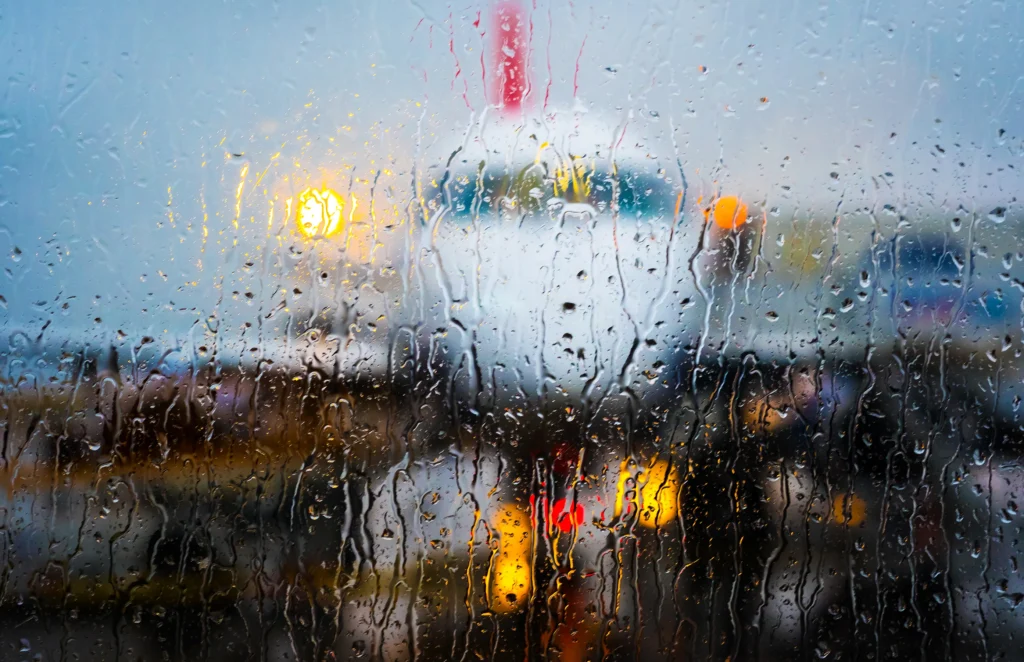
Delta Chose to Act Early Before the Storm Reached Full Strength
One of the most important parts of this story is that Delta did not wait until the airport system was already overwhelmed. Instead, the airline started canceling some Midwest flights before the storm fully intensified. That kind of decision is rarely random. Airlines know that once winter weather reaches a certain point, the damage spreads quickly through every part of the operation. It is not just about whether one aircraft can take off on time. It is about whether incoming aircraft can land safely, whether crews can remain on schedule, whether deicing operations can keep up, whether connecting passengers can make their next flight, and whether the airport itself can continue running smoothly under worsening conditions.
By canceling some flights in advance, Delta was trying to prevent a much bigger network breakdown later. It is a move that can frustrate passengers in the short term, but from an operational perspective, it is often the smarter choice. Severe winter weather does not just delay one airport for one hour. It creates a cascading effect. A single late aircraft can cause multiple downstream schedule issues. A delayed crew might miss legal duty windows. A blocked gate can slow the entire terminal. A storm at one major hub can affect flights far beyond the storm zone itself.
That is exactly why airlines monitor forecast patterns so closely. Once the probability of heavy snow, strong winds, and low visibility becomes high enough, the goal changes. It is no longer about preserving every flight on the schedule. It becomes about protecting the broader system from total disorder. Delta’s early cancellations were part of that approach. Rather than waiting until thousands of passengers were already at the airport with no realistic options, the airline started adjusting schedules before the weather could create even bigger problems.
For passengers, of course, that does not make the experience pleasant. A canceled trip is still a canceled trip. But in weather events like this, early action can sometimes mean the difference between a manageable disruption and a complete travel nightmare.
Why Minneapolis–St. Paul Became One of the Biggest Trouble Spots
Minneapolis–St. Paul International Airport quickly became one of the most watched airports in this storm story, and that is not surprising. MSP is not just another regional airport. It plays a critical role in Upper Midwest air travel and serves as a major hub for Delta. That means any severe disruption there can affect a large number of travelers, including not only local passengers but also those passing through on connecting itineraries.
When a storm targets an airport like MSP, the impact grows much faster than it would at a smaller facility. Delta has a major presence there, and many passengers traveling across the Midwest or between different parts of the country rely on Minneapolis–St. Paul as a transfer point. Once cancellations begin stacking up at a hub, the effects move across the airline’s system. Planes that were supposed to arrive do not arrive. Crews that were supposed to continue onward cannot do so. Connections start breaking apart. Rebooking pressure increases. Gate assignments become more complex. Customer service lines get longer. The airport becomes a pressure point not just for one city, but for a much wider network.
Weather conditions around MSP only made that worse. A major winter storm in Minnesota is not just about snow falling from the sky. It is also about blowing snow, changing visibility, runway treatment, deicing demand, and dangerous road travel around the airport itself. Even if a plane is technically able to fly, ground conditions can still complicate the entire passenger journey. People may struggle to reach the terminal safely. Traffic can slow down. Curbside drop-offs can become chaotic. Parking and shuttle movement can be affected. The airport can feel overwhelmed from the outside in.
That is why MSP stood out so strongly in this story. It represented the perfect mix of high operational importance and severe weather exposure. Delta’s decision to cancel flights in advance made sense in that context. Once a storm starts squeezing a major hub, the effects rarely stay contained. They spread quickly, and Minneapolis–St. Paul became one of the clearest examples of that dynamic during this winter event.
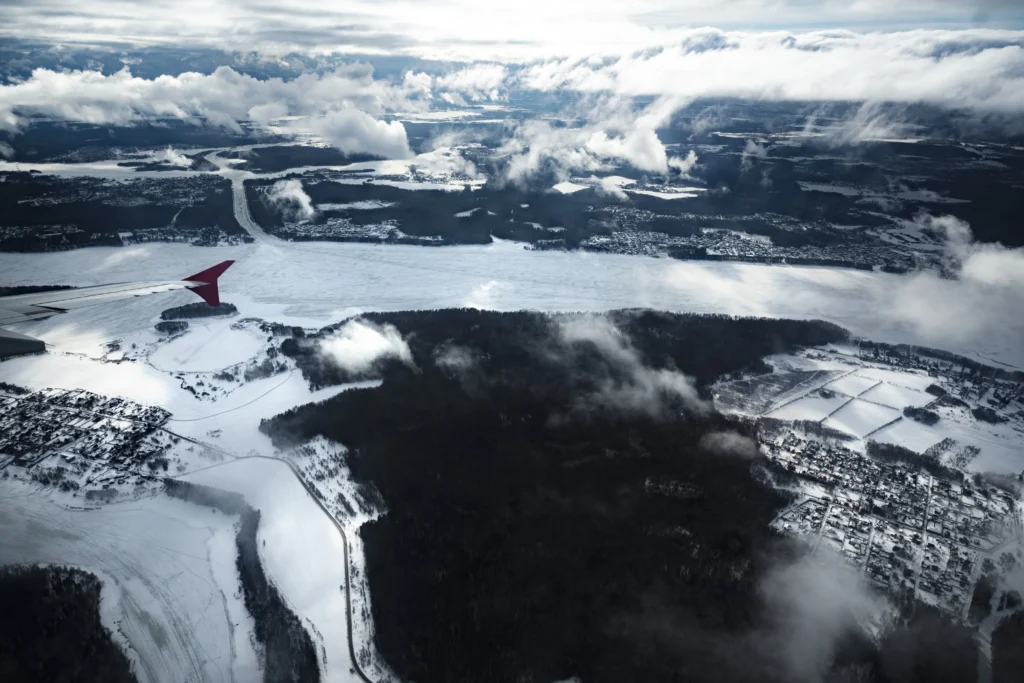
What the Storm Meant for Travelers Across the Midwest
For travelers, stories like this are about much more than weather maps and airline statements. They are about missed plans, stress, uncertainty, and long hours spent trying to figure out what happens next. Once airlines begin canceling flights because of a storm, passengers enter a difficult chain of decisions. Should they still go to the airport? Should they wait and hope their flight survives? Should they rebook now before options disappear? Should they cancel their trip entirely? Every hour matters, and the answers keep changing as the weather evolves.
At MSP and across other affected Midwest airports, many travelers likely found themselves refreshing airline apps repeatedly, checking for updates, gate changes, delay notices, and rebooking offers. That constant uncertainty is one of the hardest parts of storm travel. A flight may remain on the board for hours and then suddenly disappear. Another might look canceled and later be rescheduled. A connection may become impossible even if the first segment is still operating. Passengers with tight schedules, family travel plans, work commitments, or connecting international itineraries often face the most pressure.
Winter storms also create a special kind of emotional fatigue for travelers. Summer thunderstorms are disruptive, but they often feel temporary and localized. A Midwest winter storm can feel bigger, heavier, and harder to escape. Roads may be dangerous. Hotel rooms near the airport may fill up fast. Alternate flights may be limited. People may worry not only about their travel plans but also about their safety getting to or from the airport. That turns a normal delay into something more exhausting.
For families and occasional travelers, the disruption is even more overwhelming. Experienced frequent flyers may know how to use waivers, monitor backup routes, or switch to earlier flights. But many passengers do not. They may show up at the airport hoping things will somehow work out, only to find crowds, long rebooking lines, and very few good alternatives left. In a storm situation like this, the practical effect is simple: travelers lose control over their timing, and the airline system shifts into recovery mode before many passengers have even fully processed what is happening.
That is why these stories matter. They are not just airline operations stories. They are real-life disruption stories, affecting people who may have been heading to family events, business meetings, vacations, or urgent personal commitments. The storm may be the cause, but the human experience is shaped by how fast the system starts to bend under pressure.
What Happens After the Storm and Why Recovery Takes Time
A lot of people assume that once the snowfall slows down, the airport should immediately return to normal. In reality, that is rarely how airline recovery works. The end of the storm is often only the beginning of the reset process. Flights do not simply restart like flipping a switch. Airlines have to reposition aircraft, restore crew schedules, reopen route sequences, clear passenger backlogs, and make space for all the people who are now trying to travel on the same limited set of flights.
That recovery challenge is especially hard at a major hub like MSP. When a storm disrupts a key airport, the effects linger because the entire network needs to be rebalanced. Aircraft may be parked in the wrong cities. Pilots and flight attendants may be out of position. Some passengers may have missed not just one flight but two or three linked segments. Baggage handling can also become more complex when passengers are rerouted in multiple directions. Even when the skies begin to clear, the system is still working through the damage created during the worst part of the weather event.
This is one reason airlines prefer early cancellations to last-minute chaos. A controlled reduction in the schedule gives them a better chance of recovering faster once conditions improve. It does not eliminate the disruption, but it can prevent even deeper operational collapse. That is particularly important for Delta at MSP, where one bad weather event can affect a large number of routes and passengers at once.
For travelers, the lesson is clear. When a major winter storm is forecast to affect a hub airport, the first airline advisory should be taken seriously. It is not just a warning about bad weather. It is a signal that the travel system may already be entering a disruption cycle. Waiting too long to adjust plans can leave passengers with fewer options, fewer available seats, and more stress.
In the case of this Delta and Midwest winter storm story, the biggest takeaway is not simply that flights were canceled. It is that a major weather system once again showed how vulnerable even large, well-run airport networks can be when winter conditions hit at the wrong time. Minneapolis–St. Paul became the focal point because it sits at the intersection of weather risk and airline importance. Once the storm approached, it was always likely to become one of the biggest disruption zones in the region.
For airlines, these decisions are about limiting damage. For passengers, they are about staying flexible and moving fast. And for airports like MSP, they are a reminder that in winter travel, the forecast can become a full-scale operational problem very quickly.
Table of Contents
Delta Air Lines plans ahead and mass cancels Midwest flights
Trump Admits Iran Can Still Control Strait of Hormuz – trendsfocus