
Have you ever looked at a couple and thought, “They’re made for each other” — and then wondered why your own relationship feels like a constant puzzle?
You’re not alone. Every couple, no matter how perfect they seem on the outside, has asked the same question at some point:
Are we truly compatible?
Compatibility in a relationship is one of those ideas that sounds simple but runs deep. It’s not about liking the same music or finishing each other’s sentences — it’s about how two people move through life together. Let’s explore what compatibility really means, what it isn’t, and how you can build it over time.

What Does Compatibility in a Relationship Really Mean?
When people talk about compatibility, they often picture two people who just “fit.” They laugh together, rarely argue, and seem to share the same rhythm.
But in real life, compatibility goes far beyond chemistry or comfort.
At its core, compatibility means being able to coexist peacefully while respecting each other’s differences. You don’t have to think alike — but you do need to understand how your partner thinks.
There are three major layers of compatibility:
- Emotional Compatibility: You can express feelings safely and honestly.
- Intellectual Compatibility: You connect through ideas, conversation, and curiosity.
- Physical Compatibility: You share affection, attraction, and comfort in closeness.
It’s not about being identical. It’s about knowing how to meet halfway without losing who you are.
💡 Quick insight: Research in relationship psychology shows that couples who share values like honesty, respect, and emotional support are far more likely to stay together than those who only share hobbies or interests.

The Science Behind Relationship Compatibility
Science tells us that compatibility isn’t random — it’s partly shaped by your attachment style, personality type, and communication patterns.
The Psychology of Connection
Your attachment style — whether secure, anxious, or avoidant — often guides how you connect with others.
If you’re secure, you trust easily and express love openly. If you’re anxious, you might fear being left behind. If you’re avoidant, you may struggle to open up emotionally.
The good news? Compatibility doesn’t mean you both have to be the same type. It’s about understanding each other’s emotional blueprint and learning to support one another’s needs.
The Role of Personality Types
You’ve probably heard of Myers-Briggs or the Enneagram. These personality tools aren’t just trends — they reveal how people see the world and handle stress, love, and connection.
For example, an introvert and an extrovert can thrive together if they learn to balance social energy and alone time.
True compatibility is dynamic — it evolves as you both grow.
Signs You and Your Partner Are Truly Compatible
Not sure where your relationship stands? Here are some of the clearest signs that you and your partner share strong compatibility:
- You communicate openly. Even during disagreements, you feel heard, not dismissed.
- You respect each other’s individuality. You can be close without losing your independence.
- You share similar values. Beliefs about money, family, and the future align.
- You handle conflict with care. You fight fair — no silent treatments, no grudges.
- You both grow emotionally. You challenge each other to become better, not bitter.
These signs don’t mean perfection — they mean you’re building a relationship on understanding rather than control.
💬 Think about it: Compatibility doesn’t show up only in calm moments. It shows up in how you face challenges together.

Common Myths About Compatibility in a Relationship
Many people misunderstand what compatibility really is. Let’s bust a few common myths.
Myth 1: Perfect couples never fight
Even the happiest couples argue — they just know how to fight. Disagreements aren’t a sign of incompatibility; they’re an opportunity to understand each other better.
Myth 2: Compatibility is instant
You don’t “discover” compatibility in the first few dates. It takes shared experiences, time, and vulnerability to truly see how your worlds fit together.
Myth 3: You need to have everything in common
Similar interests can spark attraction, but shared values keep love alive. Two people can enjoy different hobbies and still be deeply compatible if they respect and support each other’s passions.
Myth 4: If you’re not compatible, you should walk away
Every couple faces differences. Real love isn’t about avoiding friction — it’s about working through it with empathy and patience.

Can You Build Compatibility in a Relationship?
Absolutely — compatibility isn’t fixed; it’s grown. Think of it like learning a dance. The steps might feel awkward at first, but with time, you find your rhythm.
Practical Ways to Strengthen Compatibility
- Listen actively. Instead of reacting, try to understand your partner’s emotions.
- Express appreciation. Gratitude turns ordinary days into emotional connection.
- Learn each other’s love language. Maybe yours is words, theirs is touch — speak both.
- Set shared goals. Dream together — it gives your relationship direction.
Daily Habits That Build Connection
- Have weekly check-ins to talk about feelings and needs.
- Try new things together to create fresh shared experiences.
- Respect personal time — closeness grows best when space is respected.
Remember: Compatibility doesn’t mean being the same. It means learning to dance gracefully with your differences.
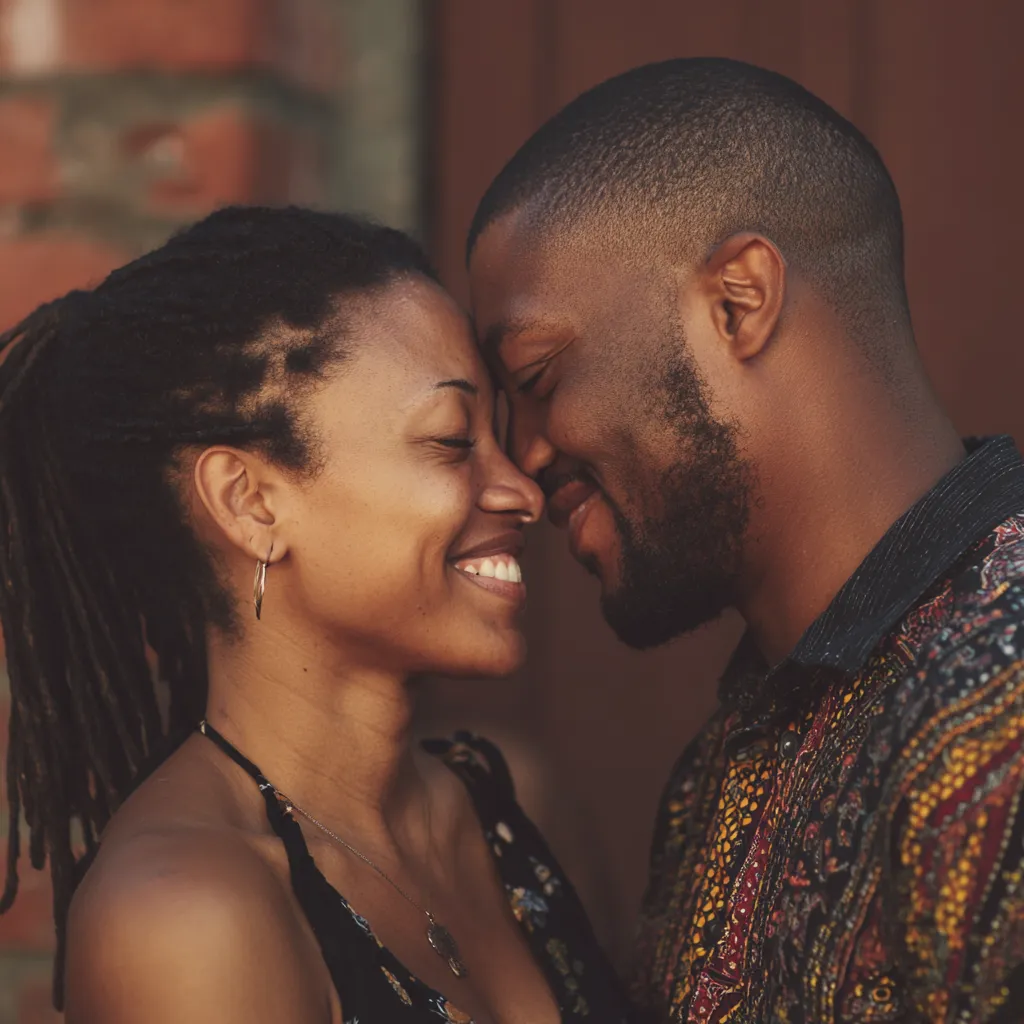
When Compatibility Becomes a Challenge
There are times when differences start to feel heavier than harmony. That doesn’t always mean your relationship is doomed — it means something needs attention.
Here are some signs compatibility issues might be growing:
- You constantly feel misunderstood or dismissed.
- Your goals for the future are pulling in opposite directions.
- Emotional needs are repeatedly unmet, even after honest talks.
If these patterns persist, it might be time for deeper reflection or professional guidance.
How to Rebuild Connection When It Feels Lost
- Have open, calm conversations about your expectations.
- Revisit what brought you together — shared memories can reignite empathy.
- Consider couples therapy for guided communication tools.
Compatibility issues aren’t failures; they’re invitations to grow or reassess.
Compatibility in a Relationship: Myth or Reality?
So, what’s the truth?
Compatibility is both a myth and a reality — depending on how you define it.
If you see it as effortless perfection, then yes, it’s a myth. But if you see it as something you build through respect, patience, and shared growth, it’s absolutely real.
Every couple experiences friction, but compatible couples learn how to turn tension into understanding. They don’t run from differences — they learn from them.
In the end, true compatibility isn’t about finding someone who completes you — it’s about choosing someone who accepts you completely.
Frequently Asked Questions (FAQ) About Compatibility in a Relationship
1. What does compatibility in a relationship really mean?
It’s about emotional and mental connection — two people who understand, respect, and grow with each other through life’s changes.
2. Can two opposites be compatible?
Yes. Opposites can balance each other beautifully, as long as there’s respect and communication.
3. How can you test compatibility in a relationship?
Observe how you handle stress, disagreement, and decision-making together. Compatibility shows most clearly during challenges.
4. Is compatibility more important than love?
Love starts the relationship; compatibility keeps it alive. One without the other often leads to imbalance.
5. Can compatibility be developed over time?
Definitely. As you learn each other’s rhythms, communicate better, and build trust, compatibility grows naturally.
Final Thoughts
If you’re wondering about your relationship’s compatibility, remember this: it’s not about being perfect together — it’s about growing together.
Compatibility isn’t something you find once; it’s something you nurture daily through kindness, understanding, and shared effort.
Take time to listen, appreciate, and connect. Because in the end, the most compatible couples aren’t those who never disagree — they’re the ones who never stop choosing each other. ❤️
Call-to-Action
If this article made you reflect on your relationship, share it with someone you care about. 💬
Join the conversation:
👉 What does compatibility mean to you? Comment below — your experience could inspire someone else.
Table of Contents
https://www.trendsfocus.com/luxury-birthday-gifts-for-husband-elegant-idea/