
Florida is supposed to feel predictable in winter. You expect mild mornings, warm afternoons, and an easy escape from the cold gripping the rest of the country. That’s why waking up to frost advisories, freezing overnight temperatures, and alerts about crop damage feels unsettling.
This cold wave in Florida isn’t just uncomfortable—it’s disruptive. If you’re a farmer, it puts months of work at risk. If you’re a tourist, it changes the experience you paid for. And if you live in the state, it forces you to confront a simple question: how prepared are you when Florida doesn’t behave like Florida?
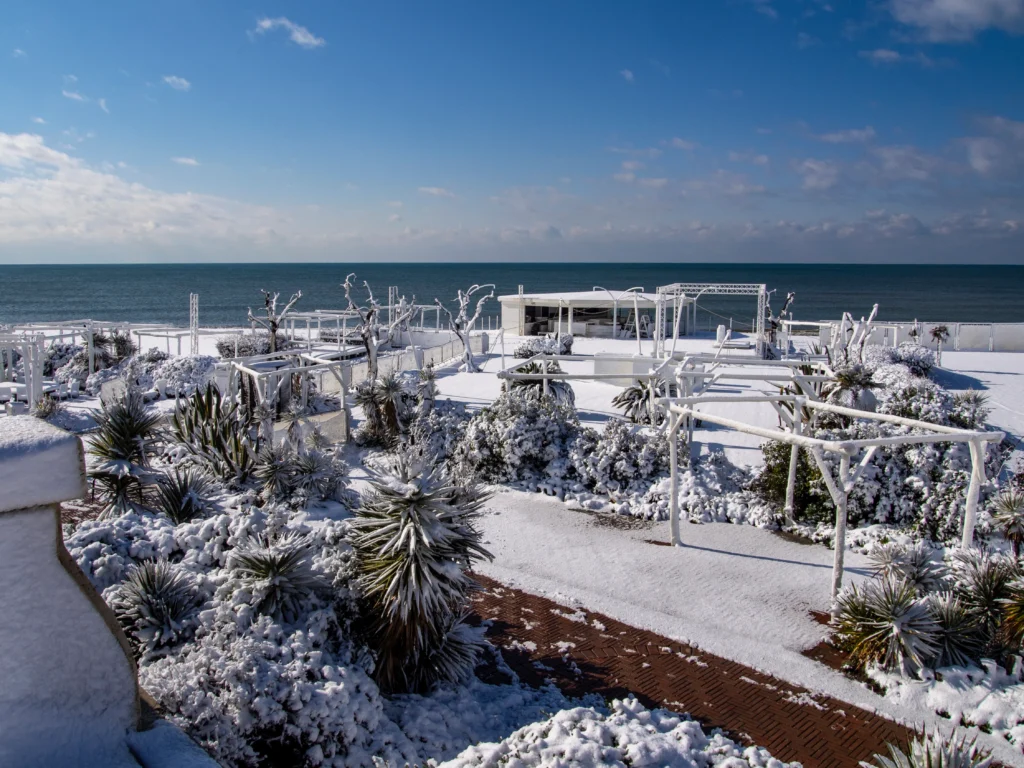
What Is Causing This Cold Wave in Florida?
Cold waves in Florida don’t happen randomly. They are the result of very specific atmospheric shifts that allow cold air to travel far beyond its usual limits.
The Arctic Air Mass Behind the Sudden Chill
This cold wave in Florida is driven by a strong push of Arctic air moving southward across the United States. Normally, the jet stream acts as a barrier that keeps colder air locked in the north. When that jet stream weakens or dips unusually far south, cold air follows.
In this case, several factors came together:
- A sharp dip in the jet stream
- High-pressure systems pushing cold air south
- Clear night skies that allow heat to escape quickly
Florida’s flat geography and proximity to water usually moderate temperature swings. When that protection fails, the drop feels dramatic.
How Rare Is a Cold Wave in Florida?
Cold weather in Florida isn’t unheard of—but extended or intense cold waves are uncommon.
Looking at Florida’s Cold Weather History
Historically, Florida experiences brief cold snaps every few years. Truly damaging cold waves are much rarer. Past events in the 1980s and early 2010s caused widespread citrus losses and long-term agricultural impacts.
What makes this cold wave in Florida notable is not just the temperature, but:
- How widespread it is
- How long it lasts
- How late or early it arrives in the season
Why This Event Feels Different
Several elements stand out:
- Overnight temperatures nearing or dipping below freezing in central regions
- Frost warnings reaching areas that rarely see them
- Consecutive cold nights, which increase damage risk
Single cold nights are manageable. Multiple nights change everything.
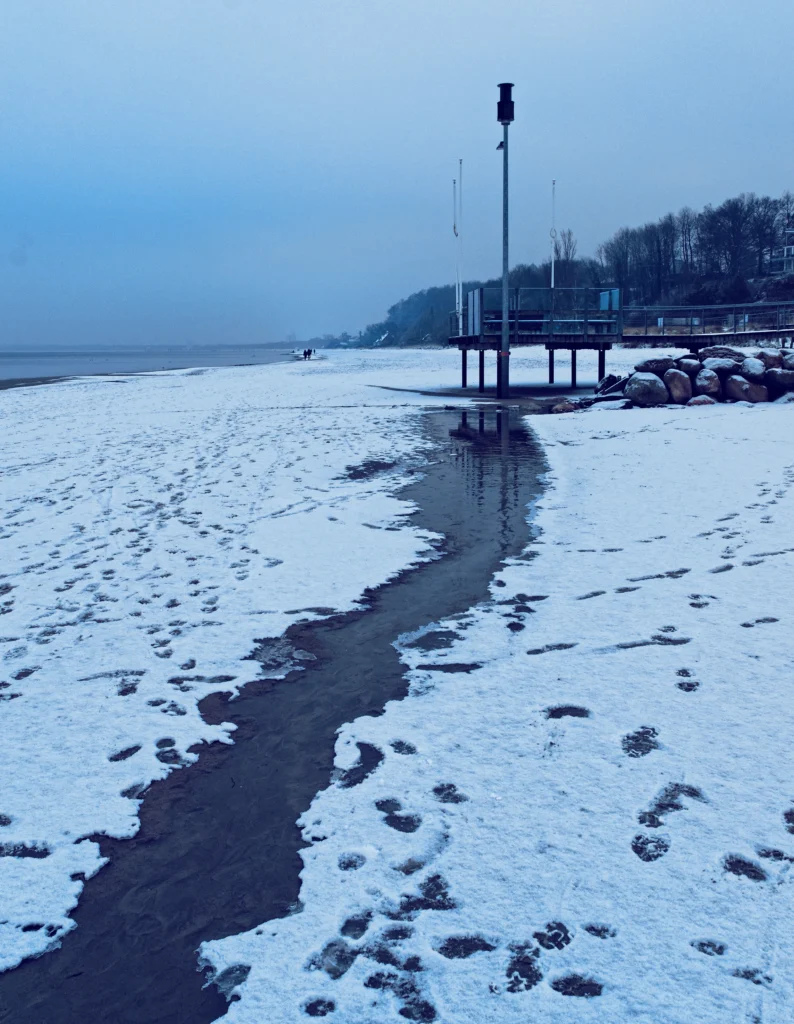
Impact of the Cold Wave in Florida on Agriculture
For farmers, cold weather isn’t just inconvenient—it can be devastating.
Why Florida Farmers Are on High Alert
Florida agriculture is built around crops that thrive in warmth. Citrus trees, strawberries, tomatoes, peppers, and leafy greens are all sensitive to frost.
During a cold wave in Florida:
- Citrus blossoms can die before fruit forms
- Frost can burn strawberry leaves
- Growth slows, delaying harvests
- Livestock require additional care and shelter
Many farmers work overnight during cold events, monitoring temperatures and activating frost protection systems.
The Economic Cost of Cold Damage
The financial impact can ripple outward:
- Reduced yields lead to higher prices
- Supply shortages affect grocery chains nationwide
- Recovery can take multiple seasons for perennial crops
Even when damage isn’t visible immediately, stress on plants can reduce future productivity.
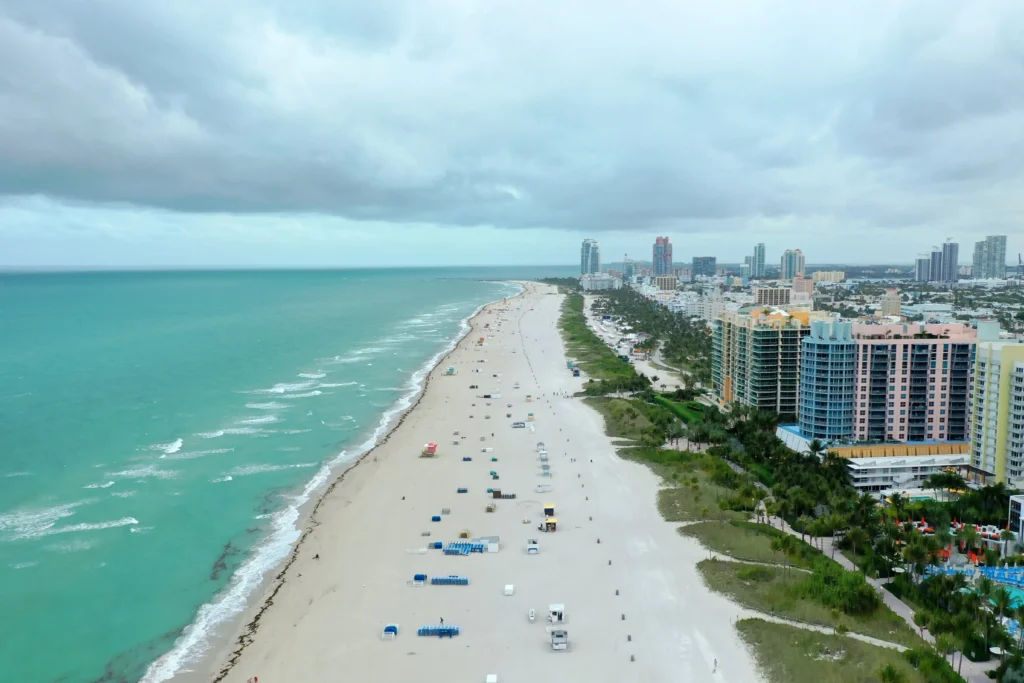
How the Cold Wave in Florida Is Affecting Tourism
Florida’s tourism industry thrives on one promise: warmth. When that promise breaks, expectations collide with reality.
Tourist Expectations vs. What They’re Experiencing
If you planned a winter getaway, you probably imagined:
- Beach days
- Outdoor dining
- Theme parks in comfortable weather
Instead, many visitors are facing:
- Closed or limited outdoor attractions
- Colder-than-expected evenings
- Less time spent at beaches and pools
While Florida remains open for business, the experience changes.
Economic Impact on Travel and Hospitality
Tourism businesses feel the effects quickly:
- Shortened stays or canceled activities
- Lower demand for beachside services
- Increased costs for heating and operations
Theme parks, hotels, and tour operators adjust schedules, but sudden weather shifts always leave gaps.
Risks for Residents During a Florida Cold Wave
Cold waves don’t just affect crops and travel. They expose vulnerabilities in everyday life.
Infrastructure and Health Concerns
Florida homes are not built for freezing temperatures. During a cold wave in Florida:
- Pipes are more likely to freeze or burst
- Heating systems are pushed beyond normal use
- Energy demand spikes, raising costs
Cold exposure also affects health, especially for people not accustomed to it.
Who Faces the Highest Risk
Some groups are more vulnerable:
- Elderly residents sensitive to temperature changes
- Outdoor workers exposed for long periods
- Low-income households with limited heating access
Local authorities often open warming centers during extended cold events to reduce risk.
Is Climate Change Connected to This Cold Wave in Florida?
This question comes up every time unusual weather appears.
Weather vs. Climate: Understanding the Difference
Weather describes short-term conditions. Climate refers to long-term patterns. A single cold wave in Florida does not define climate change—but it fits into a broader pattern of increased extremes.
Paradoxically, a warming climate can:
- Disrupt jet stream patterns
- Increase the likelihood of sudden cold intrusions
- Create sharper contrasts between warm and cold air masses
The result isn’t just more heat—it’s more unpredictability.
How You Can Prepare for a Cold Wave in Florida
Preparation reduces stress and limits damage.
If You’re a Farmer
Proven protective steps include:
- Using irrigation to create protective ice layers
- Covering sensitive crops
- Monitoring temperatures hourly
- Planning harvest timing around forecasts
Experience and preparation make the difference between loss and survival.
If You’re a Traveler
You protect your trip when you:
- Pack layers, even for Florida
- Check extended forecasts before departure
- Consider travel insurance
- Plan indoor alternatives to outdoor activities
A flexible mindset helps preserve the value of your trip.
FAQ: Cold Wave in Florida
How cold does it get during a cold wave in Florida?
Temperatures can drop into the low 30s or below in central and northern regions, especially overnight.
How often does a cold wave in Florida happen?
Minor cold snaps occur every few years. Severe cold waves are far less frequent.
Can a cold wave in Florida damage citrus crops?
Yes. Citrus trees are highly sensitive to frost, especially during flowering stages.
Should you cancel travel plans during a cold wave in Florida?
It depends on location and duration. Many attractions remain open, but expectations should be adjusted.
Conclusion: A Reminder That Florida Isn’t Immune
This cold wave in Florida is a reminder that even the Sunshine State isn’t insulated from extreme weather. For farmers, it tests resilience and preparation. For tourists, it reshapes expectations. For residents, it highlights vulnerabilities often ignored.
Weather may be unpredictable—but how you respond doesn’t have to be. Understanding these rare events helps you plan smarter, react faster, and reduce unnecessary losses when Florida’s climate surprises you.
Call to Action
If this article helped you understand what’s happening and how it affects you, share it with someone planning a trip or working in agriculture.
Stay informed, follow weather updates closely, and don’t assume Florida’s winter will always feel the same.