
Imagine waking up one morning to find that the crops you’ve spent years nurturing are suddenly withering under the heat of an unseasonable drought. Or perhaps your land, once fertile and reliable, is now flooded after an unexpected storm. For farmers in America’s agricultural states, these scenarios are no longer just hypothetical. They’re becoming everyday challenges as climate change disrupts the delicate balance that sustains U.S. agriculture.
In this article, you’ll discover how climate change is affecting America’s agricultural heartland, what it means for the future of food production, and how farmers are responding to this ever-present threat. By understanding the deep connections between climate change and agriculture, you’ll gain insight into how we can better adapt to these challenges and secure the future of farming in the U.S.
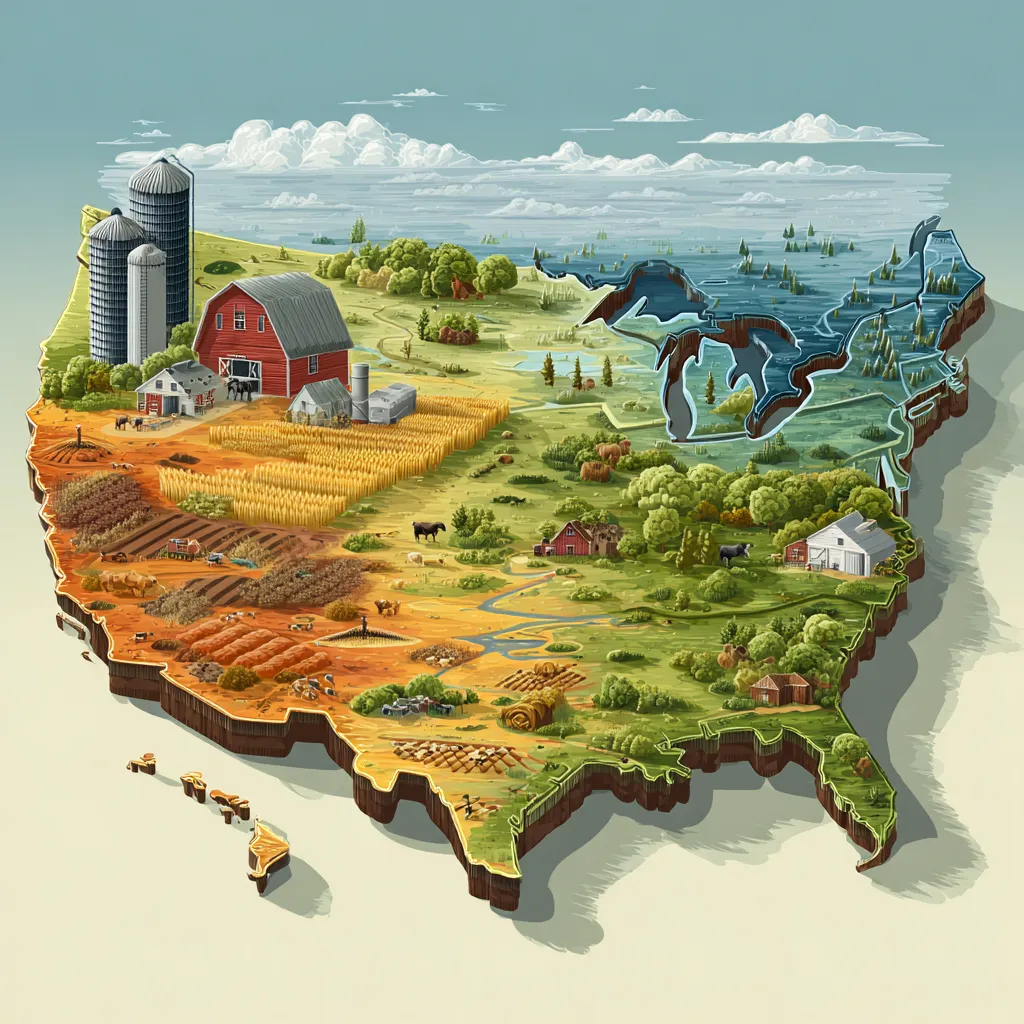
Understanding the Connection Between Climate Change and Agriculture
What Exactly is Climate Change?
When we talk about climate change, we’re referring to long-term shifts in temperature, precipitation, and weather patterns caused primarily by human activities. Greenhouse gas emissions—like carbon dioxide from burning fossil fuels—trap heat in the Earth’s atmosphere, gradually warming the planet. This results in shifts in weather patterns, leading to more frequent and severe storms, rising temperatures, and altered precipitation schedules. These shifts are already affecting agricultural practices across the U.S., especially in states that rely heavily on farming.
The Vital Role of Agriculture in the U.S. Economy
Agriculture is the backbone of many U.S. states, contributing significantly to the nation’s economy. It accounts for about 1% of the GDP, but the impact is far greater when you consider related industries like food production, transportation, and retail. Key agricultural states such as California, Iowa, Nebraska, Texas, and Kansas grow essential crops like corn, wheat, soybeans, almonds, and cotton. Any threat to these states’ ability to produce food has ripple effects across the economy and the global food supply chain.
The Direct Impacts of Climate Change on Agricultural States
Rising Temperatures and Their Effects on Crop Yields
Shifting Growing Seasons
The U.S. has seen a steady increase in average temperatures, with the Midwest, the heart of American agriculture, experiencing some of the most pronounced warming. This rise in temperatures doesn’t just make it uncomfortable—it also directly impacts crop yields. As the growing season shortens or becomes more unpredictable, traditional crops like corn, wheat, and soybeans may no longer grow as reliably. Heat stress can reduce the length of time these crops can stay in the ground, leading to smaller harvests and reduced profits.
For example, research shows that in the Midwest, heat stress during pollination, when crops are most vulnerable, has been increasing, directly contributing to reduced yields of key crops. The 2012 drought, one of the worst in recent history, is a stark reminder of how sensitive agriculture is to temperature fluctuations, with corn yields plummeting by more than 30% in some areas.
Heat Stress on Livestock
It’s not just crops that are suffering—livestock are also feeling the heat. Animals, particularly cattle and dairy cows, are highly sensitive to temperature fluctuations. When exposed to excessive heat, livestock can suffer from heat stress, which leads to reduced milk production, lower birth rates, and even death in extreme cases. In fact, a study from the National Institute of Food and Agriculture found that heat stress could cost the U.S. dairy industry up to $1.2 billion annually by 2050.
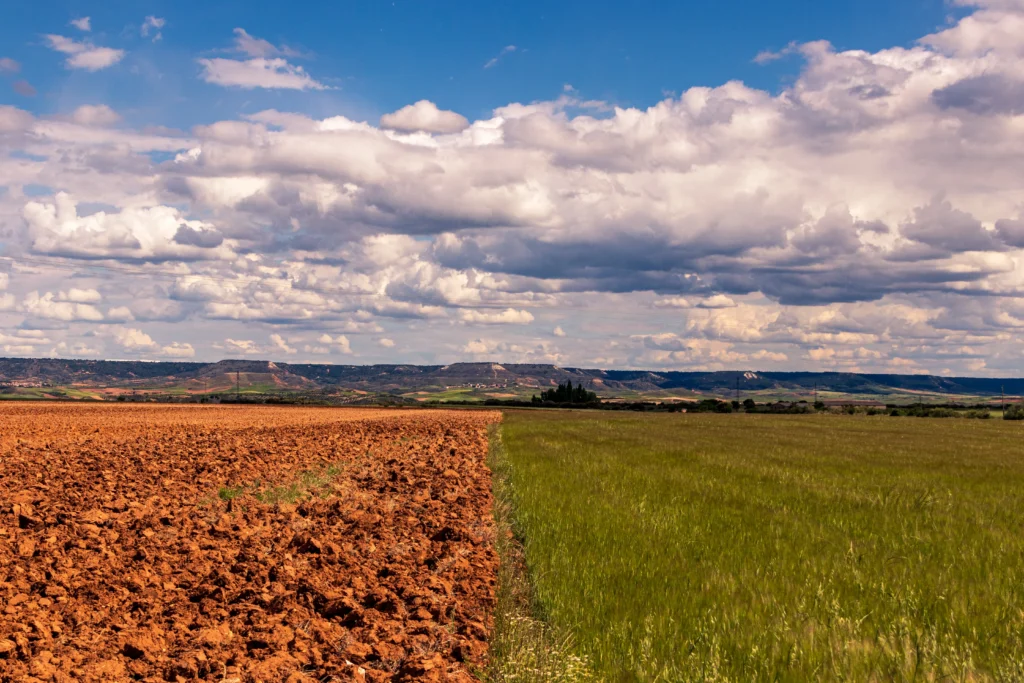
Unpredictable Weather Patterns: Droughts, Floods, and Storms
Droughts: A Growing Concern
Droughts have become more frequent and intense, particularly in the western U.S. where water is already a limited resource. States like California have been battling prolonged dry spells, which dramatically impact agriculture. Without enough water, crops like almonds, grapes, and tomatoes, which are staples of the California economy, can’t thrive. Farmers are forced to make tough decisions—either divert water to crops or leave fields fallow, which in turn affects the food supply.
Moreover, drought conditions can lead to soil degradation. As soil moisture decreases, it can cause the soil to dry out, making it less fertile and more prone to erosion. This creates a vicious cycle that can take years, if not decades, to reverse.
Flooding and Storms: Destruction and Disruption
On the flip side, the Midwest and Southeast U.S. are seeing more frequent and intense storms and floods. For farmers, this means crops can be wiped out in a matter of hours by torrential rainfall and flash floods. Fields that are inundated with water become unmanageable, leading to crop loss, infrastructure damage, and even loss of life.
For example, the 2019 floods in the Midwest caused massive losses, with the U.S. Department of Agriculture estimating that about 19 million acres of farmland were flooded, and more than 3 million acres of crops were destroyed. That’s a huge blow to not just farmers, but the entire agricultural supply chain.
Changing Precipitation Patterns
Even more concerning is how precipitation is becoming less predictable. Some regions are receiving too much rain at once, while others face droughts due to a lack of consistent rainfall. These shifts make it harder for farmers to plan ahead. Crops need just the right amount of water at specific times during the growing season. When the timing of rain is off, crops can suffer from either too much water (leading to root rot and disease) or too little (leading to dehydration and poor yields).
The Economic Consequences for America’s Agricultural States
Crop Failures and Market Volatility
One of the most immediate consequences of climate change is crop failure. As weather patterns become more unpredictable, crop yields are increasingly uncertain. This drives up the volatility in agricultural markets, with food prices soaring during droughts or extreme weather events. For example, in 2012, the U.S. saw a significant rise in corn prices due to severe drought conditions. These price hikes affect everyone, from the farmers trying to make ends meet, to consumers who face higher grocery bills.
Losses in Crop Yields
Crop failures have a direct impact on the economy, as lower yields translate into reduced revenues for farmers. The economic fallout doesn’t stop there. When food prices rise, the cost of goods in other industries also increases, affecting both domestic markets and international trade. A drop in crop yields can lead to shortages, which puts pressure on global food supplies. This is especially critical for crops like corn and soybeans, which are used for food products, livestock feed, and biofuels.
Insurance and Recovery Costs
As extreme weather events become more common, farmers are increasingly relying on crop insurance to protect their livelihoods. However, the rising costs of insurance and the frequency of payouts are putting a strain on both farmers and insurance providers. While insurance helps farmers recover after a disaster, it does not prevent the long-term economic damage that comes with lost crops and reduced yields.
The Ripple Effect: Jobs, Communities, and Rural Economies
Beyond the crops themselves, climate change is affecting entire rural economies. Agriculture is more than just a business—it’s the lifeblood of many communities. As crop yields decline, the number of farm-related jobs in these areas also drops. This leaves workers without income, and rural communities without economic support.
Additionally, farming operations in many states are shifting. Some areas are becoming less viable for traditional crops, while others may see an influx of new farming operations as conditions change. However, these shifts aren’t always beneficial for everyone, as large corporations often have the resources to adapt quickly, while smaller family farms may struggle to survive.
Adaptation and Mitigation: How Farmers Are Responding to Climate Change
Innovative Farming Practices to Combat Climate Change
Crop Diversification
To counter the risks of climate change, farmers are diversifying the crops they grow. By planting different crops, they spread the risk of crop failure. For instance, farmers in drought-prone areas are switching to more water-efficient crops like sorghum and millet, which can thrive even in harsher conditions. In other cases, crops are rotated in ways that minimize the damage caused by unpredictable weather patterns.
Sustainable Agriculture and Conservation Efforts
Farmers are also turning to sustainable practices to reduce the negative impact of farming on the environment. Techniques like no-till farming, planting cover crops, and improving water management help conserve soil, reduce water usage, and maintain crop yields even during adverse weather conditions. These practices not only help mitigate climate change, but they also make farms more resilient to it.
Technology in Agriculture
Technological advancements are also playing a key role in helping farmers adapt. Drones, sensors, and artificial intelligence are providing real-time data on crop health, soil moisture, and weather patterns, enabling farmers to make more informed decisions. With this data, they can optimize irrigation, prevent disease outbreaks, and manage crops more effectively.
Policy and Government Action: What’s Being Done?
Federal and State Programs
Governments at both the federal and state levels are stepping up to help farmers cope with climate change. Programs like crop insurance, disaster relief funds, and conservation grants help mitigate the immediate financial impact of extreme weather events. Meanwhile, long-term initiatives focus on promoting climate-smart agriculture, which prioritizes sustainability, biodiversity, and water conservation.
Carbon Reduction and Agricultural Policy
The U.S. government is also beginning to address climate change by setting policies aimed at reducing carbon emissions from the agricultural sector. These include efforts to promote renewable energy, reduce methane emissions from livestock, and encourage carbon sequestration practices on farms.
What the Future Holds: The Long-Term Impact of Climate Change on America’s Agricultural States
As climate change accelerates, the long-term future of agriculture in America’s agricultural states hangs in the balance. The question isn’t just whether farming will continue, but how it will adapt and evolve in response to increasingly volatile and unpredictable weather patterns.
Predictions for Future Crop Yields
Climate models predict that rising temperatures, more intense storms, and irregular precipitation will significantly impact crop yields over the next few decades. In many regions, traditional crops like corn, wheat, and soybeans will face declining yields, especially as extreme weather events like droughts, floods, and heatwaves become more frequent.
In some areas, growing seasons may become shorter or less predictable, while other regions may see the emergence of new farming opportunities for crops that were previously not viable due to climatic conditions. For instance, certain crops that were traditionally grown in southern states could shift to the northern plains as the growing conditions become more favorable. While this presents new opportunities, it also means that farmers in these areas will need to learn new agricultural techniques to thrive.
Food Security Risks
The potential disruption of agricultural production in key farming regions raises significant concerns about food security. If the U.S. agricultural states—often called the “breadbasket of the world”—are unable to produce enough food, this could result in shortages both domestically and internationally. Nations that depend on American exports of grains, livestock, and other agricultural products could face increased food costs, supply disruptions, and even food crises.
Food security could also be threatened by the economic costs associated with climate change. If farmers are unable to meet production goals due to crop failures or rising costs, the global food supply could suffer, leading to higher prices and greater economic instability. To mitigate these risks, there needs to be a focus on innovation, sustainable farming practices, and international cooperation to ensure that food production can continue without jeopardizing the planet’s health.
The Path Forward: Can America’s Agricultural States Adapt?
While the challenges are daunting, there is still hope. The future of farming in the U.S. depends on the ability of farmers, policymakers, and communities to innovate, adapt, and invest in climate-resilient agricultural systems.
Farmers have a long history of adapting to changing conditions, and many are already embracing practices that not only mitigate climate change but help them better cope with its effects. From regenerative farming methods to water-efficient technologies, farmers are proving that it’s possible to sustain agriculture even in the face of increasingly unpredictable weather.
Government support will also be key. Federal policies focused on sustainable farming practices, carbon reduction, and climate adaptation programs will help farmers transition to more resilient agricultural systems. Additionally, private investments in agricultural technology and infrastructure, such as precision irrigation systems, drought-resistant crops, and sustainable energy solutions, can further empower farmers to weather the storms of climate change.
Finally, community resilience plays a crucial role. The connections between farmers, local governments, and consumers are essential for building long-term solutions. When communities understand the importance of sustainable agriculture and support local farming practices, it strengthens the ability to combat climate change and ensures that farming continues to thrive.
Frequently Asked Questions (FAQ)
What Are the Key Effects of Climate Change on Agriculture?
Climate change affects agriculture primarily through rising temperatures, changing precipitation patterns, more frequent extreme weather events (like droughts, floods, and storms), and heat stress on both crops and livestock. These changes disrupt growing seasons, reduce crop yields, and make farming operations more costly and unpredictable.
How Are Farmers Adapting to Climate Change?
Farmers are adapting to climate change through a variety of methods, including crop diversification, sustainable farming practices (like no-till farming and water conservation), and the adoption of new technologies (such as precision irrigation and AI-based monitoring systems). These efforts help to mitigate the risks posed by climate change and make farming more resilient.
Which States Are Most Affected by Climate Change in Agriculture?
The most affected agricultural states include California (due to droughts), Iowa and Nebraska (due to heatwaves and shifting precipitation patterns), Texas (facing both droughts and storms), and the Midwest (which is experiencing a combination of extreme weather events like floods and heat). These states are major producers of crops like corn, wheat, soybeans, and cotton, which are highly vulnerable to climate change.
How Can We Support Agricultural States in the Face of Climate Change?
Supporting agricultural states in the face of climate change requires investment in sustainable farming practices, government policies that promote climate resilience, and education for farmers on adapting to new weather patterns. Consumers can also play a role by supporting local and sustainable agriculture, which helps reduce the environmental footprint of food production.
Conclusion: The Future of Agriculture in a Changing Climate
The impact of climate change on America’s agricultural states is undeniable and potentially devastating. From rising temperatures to unpredictable weather patterns, farmers are facing new challenges that threaten not only their livelihoods but also the food security of the nation and the world. However, there is hope.
By embracing innovative farming practices, investing in new technologies, and supporting policies that prioritize sustainability and resilience, we can help ensure that agriculture remains a vital part of the U.S. economy. The future of farming depends on the collective efforts of farmers, consumers, and policymakers alike.
As a consumer, farmer, or policymaker, you have the power to influence the trajectory of agricultural practices in the face of climate change. Supporting sustainable farming, advocating for climate-resilient policies, and being mindful of the effects of climate change on our food systems can help secure the future of American agriculture.
The clock is ticking, but with informed action and a commitment to change, we can protect America’s agricultural states for future generations.
Take action today: Support local, sustainable farms, advocate for climate-smart policies, and spread awareness about the critical connection between climate change and food production. Together, we can ensure that the heartland of America continues to feed the world.
Table of Contents
Arctic Cold Wave: When Will It End? Latest SE US Updates – trendsfocus
USDA – National Agricultural Statistics Service – Statistics by State