
The ongoing conflict involving Iran has become a major source of concern for Americans, with public opinion increasingly shaped by uncertainty about how the situation will develop and what consequences may follow. A recent CBS News poll indicates that many Americans believe the conflict has proven more complicated and difficult than President Donald Trump had anticipated, reflecting broader concerns about the challenges of managing a rapidly changing international crisis.
The findings come at a time when global attention remains focused on the Middle East, where diplomatic decisions, military actions, and security concerns continue to influence international relations. For many Americans, the conflict raises difficult questions about the effectiveness of current strategies, the possibility of escalation, and the long-term impact on regional stability.
While opinions differ across political groups and communities, the poll suggests a common theme: uncertainty. Many people are looking for clarity about the direction of the conflict and whether diplomatic efforts can prevent further instability.
The public reaction highlights the difficulty of navigating foreign policy decisions during periods of international tension. Conflicts involving major geopolitical players often evolve quickly, making outcomes difficult to predict and placing pressure on government leaders to respond carefully.
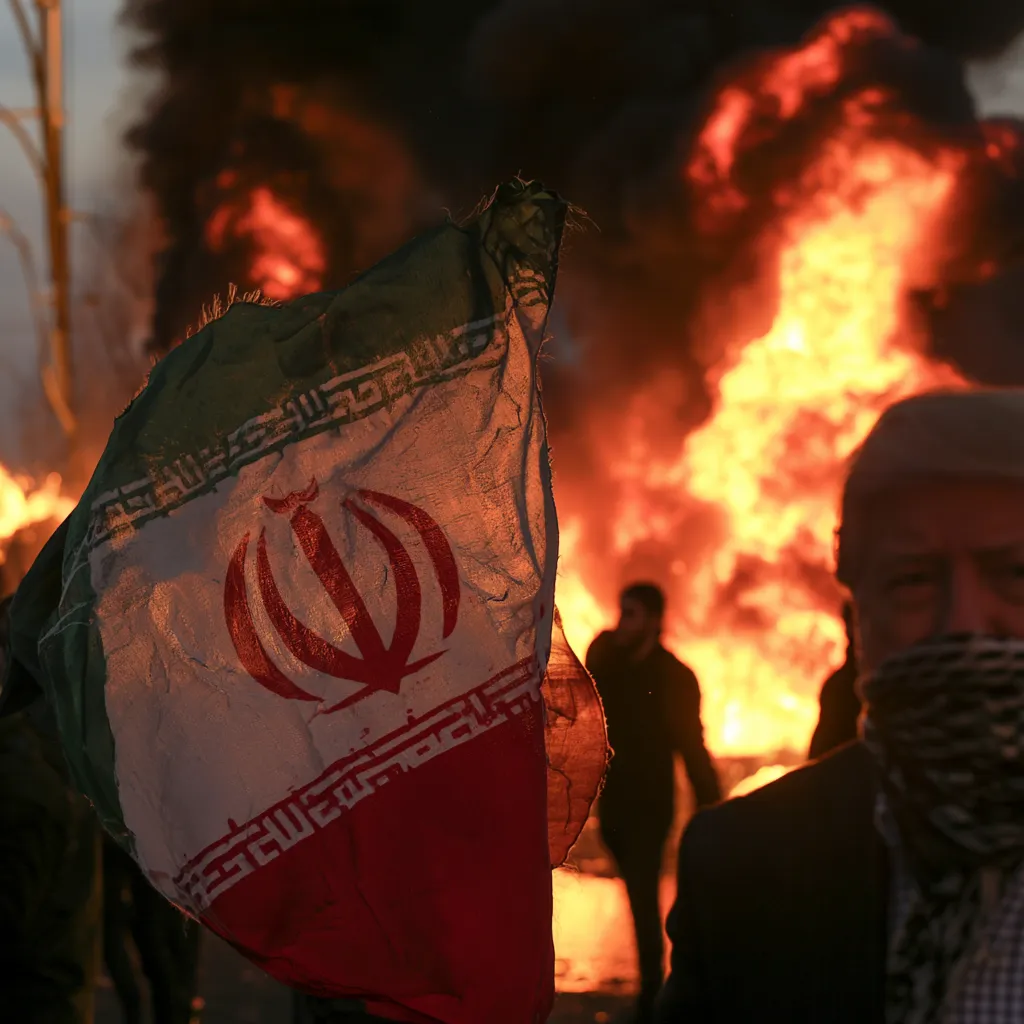
A Public Mood Defined by Uncertainty and Concern
The CBS News poll shows that uncertainty has become one of the defining features of public opinion surrounding the Iran conflict. Rather than expressing confidence about a clear resolution, many Americans appear unsure about what comes next and how long the situation may continue.
International conflicts often create complex challenges for governments and citizens alike. Unlike domestic political debates, foreign policy crises involve multiple actors, unpredictable developments, and consequences that can extend beyond national borders. The Iran conflict has followed this pattern, with concerns extending from security issues to economic and diplomatic effects.
For many Americans, one of the biggest questions is whether current approaches will lead to stability or create additional challenges. Public expectations about military and diplomatic decisions are often influenced by previous conflicts, economic concerns, and trust in government leadership.
The poll’s findings suggest that many people believe the situation has not unfolded as easily as originally expected. The perception that the conflict is more difficult than anticipated reflects concerns about the complexity of dealing with Iran, a country with significant regional influence and longstanding tensions with the United States.
Public uncertainty does not necessarily mean Americans hold identical views about how the conflict should be handled. Instead, it reflects a broader desire for information, transparency, and a clearer understanding of possible outcomes.
As the conflict continues to develop, public opinion is likely to shift depending on new events, government decisions, and the direction of diplomatic efforts.
Why the Iran Conflict Presents Major Challenges for U.S. Policy
The challenges surrounding the Iran conflict stem from a combination of political, military, and diplomatic factors. Relations between the United States and Iran have been marked by decades of disagreements, sanctions, security disputes, and competing interests in the Middle East.
Managing a conflict involving Iran requires balancing several objectives at once. U.S. leaders must consider national security priorities while also evaluating the risks of escalation and the potential impact on allies and international partners.
One of the difficulties in any confrontation with Iran is the uncertainty surrounding possible responses. Actions taken by one side can influence decisions by the other, creating a situation where even limited developments may have wider consequences.
The conflict also raises concerns about regional stability. The Middle East remains a strategically important area because of its political importance, security challenges, and economic significance. Any prolonged crisis has the potential to affect relationships between countries and influence global markets.
For the Trump administration, the poll results highlight the gap that can sometimes exist between expectations before a conflict and the realities of managing it. Foreign policy challenges often become more complicated once decisions move from planning stages to real-world implementation.
The public’s response reflects awareness that international conflicts rarely have simple solutions. Negotiations, security measures, and diplomatic initiatives often require time and involve difficult compromises.
Political Implications and the Impact on Trump’s Leadership
The CBS News poll also carries political significance because public perceptions of foreign policy can influence views of presidential leadership. When Americans believe a conflict is becoming more difficult than expected, questions may arise about planning, strategy, and decision-making.
For President Donald Trump, the findings represent a challenge in communicating the administration’s goals and explaining the path forward. Leaders involved in international crises often face pressure to demonstrate progress while acknowledging the complexity of the situation.
Public opinion plays an important role in shaping political discussions. Supporters may argue that difficult conflicts require strong leadership and patience, while critics may question whether the approach taken has produced the desired results.
The Iran conflict could become an important issue in broader political debates, particularly as Americans evaluate national security policies and the country’s role in global affairs.
However, polling results represent a snapshot of public sentiment at a specific moment. Opinions can change quickly when new information emerges, especially during international crises where events can develop rapidly.
The key issue for political leaders will be managing expectations while providing clear explanations about objectives, risks, and possible outcomes.
What the Poll Reveals About America’s View of Foreign Conflicts
Beyond the immediate situation involving Iran, the CBS News poll reflects a broader pattern in how Americans view foreign conflicts. Many citizens have become increasingly cautious about military involvement abroad, especially after decades of major international engagements.
The public often wants national security to be protected while also seeking reassurance that leaders have carefully considered the consequences of their actions. This balance has shaped debates over U.S. involvement in conflicts around the world.
The uncertainty revealed in the poll demonstrates that Americans are paying close attention to international developments but may not feel confident about where the situation is heading.
The findings also highlight the importance of communication during times of crisis. Clear information from government officials, journalists, and experts can help citizens better understand complicated geopolitical situations.
As the Iran conflict continues, public opinion will likely remain an important factor in shaping political conversations. The coming weeks and months may provide further insight into whether concerns about uncertainty increase or whether developments create a stronger sense of direction.
For now, the central message from the poll is clear: many Americans view the conflict as complicated, unpredictable, and more challenging than initially expected.
Frequently Asked Questions (FAQs)
What did the CBS News poll find about the Iran conflict?
The CBS News poll found that many Americans feel uncertain about the conflict and that most respondents believe the situation has been more difficult than President Donald Trump expected.
Why are Americans concerned about the Iran conflict?
Concerns are linked to uncertainty about the conflict’s direction, possible escalation, regional stability, and the effectiveness of current policies.
Does the poll show that Americans agree on how the conflict should be handled?
No. The poll reflects uncertainty and concern, but Americans continue to have different views about the best approach to managing the conflict.
Could public opinion change as the conflict develops?
Yes. Public attitudes toward international conflicts often change as new events occur, government strategies evolve, and more information becomes available.
Why is the Iran conflict considered difficult to manage?
The conflict involves complex political, military, and diplomatic issues, including regional rivalries, security concerns, and long-standing tensions between Iran and the United States.
Table of Contents
Donald Trump loses ground with GOP as approval sinks to 32 percent: Quinnipiac Poll
National Guard Major Pleads Guilty in $54,000 Government Travel Card Scheme – trendsfocus