
Schizophrenia is a complex and often misunderstood mental health condition that affects millions of people worldwide. If you or someone you know is dealing with schizophrenia, you may be wondering: What exactly causes it? While there is no single explanation, researchers have uncovered a fascinating and intricate combination of factors that contribute to the development of schizophrenia. In this article, we’ll delve into the causes of schizophrenia, including its genetic underpinnings, the role of brain chemistry, and how environmental triggers can all play a part in this condition. By the end of this piece, you’ll have a clearer understanding of the mechanisms behind schizophrenia and how they intersect.

Understanding Schizophrenia: A Brief Overview
Before diving into the causes, let’s first define schizophrenia. It’s a serious mental illness that disrupts how a person thinks, feels, and behaves. For those living with schizophrenia, distinguishing between what’s real and what’s imagined can be incredibly challenging. The condition often presents through symptoms like hallucinations, delusions, disorganized thinking, and cognitive issues.
Key Facts About Schizophrenia:
- Prevalence: Schizophrenia affects about 1% of the global population, with symptoms typically emerging in late adolescence or early adulthood.
- Symptoms: These can range from hearing voices (auditory hallucinations) to holding delusional beliefs that others cannot comprehend.
- Impact: Schizophrenia can profoundly affect an individual’s ability to function in daily life, but with the right treatment and support, many people live fulfilling lives.
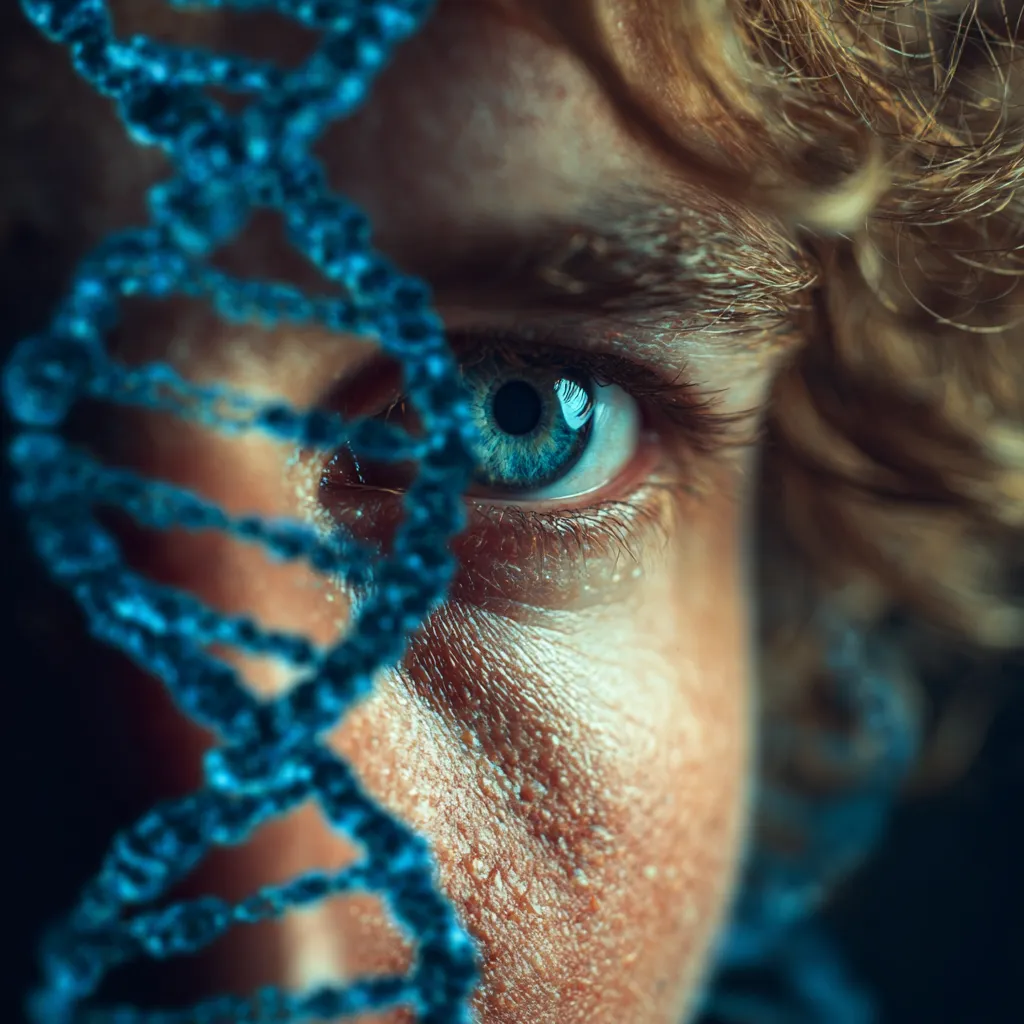
The Role of Genetics in Schizophrenia: Is It Inherited?
When it comes to the causes of schizophrenia, genetics is a major player. While schizophrenia isn’t directly inherited, family history is one of the strongest risk factors for developing the condition. If you have a first-degree relative—like a parent or sibling—who has schizophrenia, your risk increases, but it’s important to remember that most people with a family history of schizophrenia will never develop it.
The Genetic Link to Schizophrenia:
- Family Studies: Studies have shown that the risk of schizophrenia is higher in families where the disorder is already present. For instance, if one parent has schizophrenia, the risk of the child developing it rises to about 10%, compared to the general population’s 1%.
- Twin Studies: If you have an identical twin who has schizophrenia, your chances of developing the condition rise significantly—up to 50%. This suggests a strong genetic link, but the fact that the other twin may not develop schizophrenia shows that genes alone don’t determine the outcome.
Genetic Mutations and Variants:
Schizophrenia is a polygenic disorder, meaning it’s influenced by multiple genes, each contributing a small amount to the risk. Some of the key genes identified in research include:
- DISC1 (Disrupted in Schizophrenia 1): This gene plays a role in brain development and has been linked to various psychiatric disorders, including schizophrenia.
- COMT (Catechol-O-methyltransferase): Variants of this gene are thought to affect the brain’s dopamine system, which is crucial in schizophrenia.
De Novo Mutations:
These are mutations that occur spontaneously, not inherited from parents. Studies suggest that de novo mutations can increase the risk of schizophrenia, especially in individuals with no family history of the disorder.
Brain Chemistry and Schizophrenia: The Neurotransmitter Imbalance
Beyond genetics, brain chemistry plays a pivotal role in schizophrenia. Specifically, neurotransmitters—the chemicals that help transmit signals in the brain—are implicated in the development of the disorder. Understanding these imbalances can offer valuable insight into how schizophrenia manifests and why it’s so complex.
The Dopamine Hypothesis:
The dopamine hypothesis is one of the most well-known explanations for schizophrenia. Dopamine is a neurotransmitter involved in mood regulation, reward, and motivation. It’s believed that an overactivity of dopamine in certain areas of the brain, such as the mesolimbic pathway, contributes to the positive symptoms of schizophrenia (e.g., hallucinations and delusions).
- Antipsychotic Medications: Drugs that target dopamine receptors, such as antipsychotics, are the mainstay of treatment for schizophrenia. These medications help control dopamine levels, alleviating symptoms like paranoia and hallucinations.
Glutamate and Serotonin:
Recent research has broadened the understanding of brain chemistry, revealing that glutamate and serotonin also play key roles in schizophrenia.
- Glutamate: A neurotransmitter that affects memory and learning. Disruptions in the glutamate system may be linked to cognitive impairments in schizophrenia.
- Serotonin: Known for its role in mood regulation, serotonin imbalances are also associated with schizophrenia, especially in the regulation of emotions.
Brain Structure and Function:
In addition to neurotransmitter imbalances, structural changes in the brain have been observed in people with schizophrenia. These changes include:
- Enlarged ventricles: The fluid-filled cavities in the brain are often larger in people with schizophrenia.
- Reduced gray matter: This indicates a decrease in the number of neurons in areas such as the frontal cortex—a region involved in decision-making, behavior, and social interactions.
Environmental Triggers: Life Stressors and Substance Use
While genetics and brain chemistry lay the groundwork, environmental factors can act as powerful triggers for schizophrenia. These triggers often interact with an individual’s genetic predisposition to initiate the onset of symptoms, particularly during stressful life events or times of rapid brain development.
Prenatal Factors:
Certain factors during pregnancy, such as viral infections, malnutrition, or high stress, can increase the risk of schizophrenia in offspring. For example, exposure to the flu virus during the second trimester has been associated with an increased risk of developing schizophrenia later in life.
Life Stressors and Trauma:
Stress during adolescence and early adulthood is often cited as a trigger for schizophrenia. Events like:
- Bullying or abuse in childhood
- Loss of a parent or significant life changes
- Traumatic events, such as sexual assault or combat exposure
These stressors can contribute to the emergence of schizophrenia, especially in those already genetically vulnerable.
Drug Use and Schizophrenia:
Certain substances, particularly those that alter brain chemistry, have been linked to the onset of schizophrenia in predisposed individuals. These include:
- Cannabis: Marijuana, especially when used in adolescence, can increase the likelihood of developing schizophrenia later in life.
- Amphetamines: These can cause symptoms similar to schizophrenia, including hallucinations and paranoia, and may trigger a latent predisposition to the disorder.
- Hallucinogens: Drugs like LSD can cause temporary psychosis and may also trigger schizophrenia in susceptible individuals.

The Interaction Between Genetics, Brain Chemistry, and Environmental Triggers
Schizophrenia doesn’t result from a single cause. Rather, it’s the outcome of interactions between genetic vulnerability, neurotransmitter imbalances, and environmental triggers. This complex interplay is why schizophrenia manifests so differently in each person. Some might experience symptoms early in life, while others may not develop them until later.
The Diathesis-Stress Model:
This model suggests that schizophrenia develops when someone with a genetic predisposition (diathesis) faces a significant environmental stressor. Essentially, you might inherit a “vulnerability” for schizophrenia, but it takes an external trigger to activate the disorder.
Epigenetics:
Epigenetics refers to changes in gene expression without altering the DNA sequence. Environmental factors like stress, drug use, or trauma can lead to epigenetic changes that activate or silence certain genes, further contributing to the onset of schizophrenia.
Frequently Asked Questions (FAQ) About Schizophrenia Causes
Can schizophrenia be inherited?
Yes, schizophrenia has a genetic component. If you have a first-degree relative with schizophrenia, your risk is higher, but genetics alone do not determine whether you will develop the condition.
What causes schizophrenia in the brain?
Schizophrenia is believed to be caused by imbalances in neurotransmitters, particularly dopamine, glutamate, and serotonin. These chemical disruptions affect how the brain processes thoughts, emotions, and perceptions.
How does stress trigger schizophrenia?
Stress can trigger the onset of schizophrenia in individuals who are genetically predisposed to the condition. Major life changes or traumatic experiences can act as catalysts for symptoms to emerge.
Can drugs cause schizophrenia?
Yes, certain drugs like cannabis, amphetamines, and hallucinogens can trigger schizophrenia in people who are genetically vulnerable. These substances alter brain chemistry, which may activate latent schizophrenia.
Conclusion: Understanding the Causes of Schizophrenia
Schizophrenia is a multifactorial disorder, with genetics, brain chemistry, and environmental factors all contributing to its development. While the exact causes remain elusive, understanding how these elements interact provides hope for better treatments, prevention, and support. If you or someone you love is living with schizophrenia, it’s essential to seek help and learn more about the condition’s causes, as early intervention and proper care can make a world of difference.
Remember, understanding schizophrenia is the first step towards compassion, support, and recovery. If you found this article helpful, share it with others to spread awareness and promote a better understanding of schizophrenia.
Call to Action:
If you have any further questions or would like to learn more about living with schizophrenia, don’t hesitate to reach out to a mental health professional. Take action today by learning more, staying informed, and helping break the stigma surrounding mental health conditions.