
Canada and the United States are facing a new period of economic uncertainty after Canadian Prime Minister Mark Carney rejected the latest U.S. trade proposal, describing it as a “bad deal” that does not adequately protect Canadian interests. The decision has intensified tensions between the two neighboring countries and raised concerns about the future of one of the world’s most important trading relationships.
For decades, Canada and the United States have maintained a deeply connected economic partnership. Millions of jobs on both sides of the border depend on the movement of goods, energy, agricultural products, and manufactured materials between the two countries. However, disagreements over tariffs, trade conditions, and economic policies have pushed the relationship into a challenging phase.
Carney’s decision reflects his government’s position that Canada must defend its workers, businesses, and economic independence rather than accept an agreement under pressure. The rejection of the proposal has now opened the door to a possible prolonged trade dispute, with both governments preparing for further economic measures.
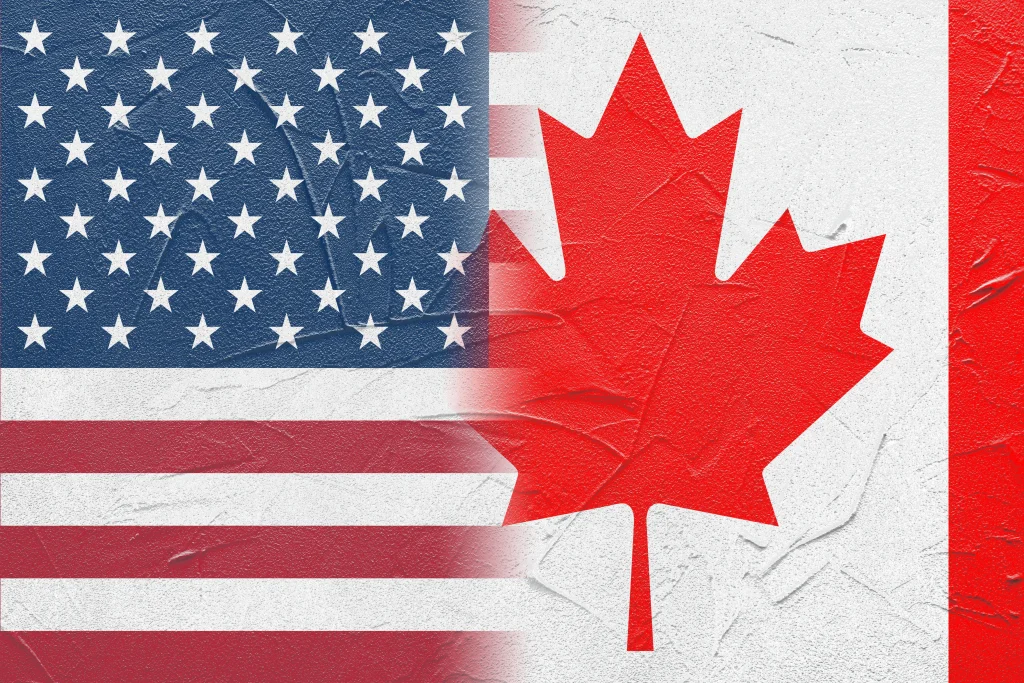
Mark Carney Says Canada Will Not Accept a “Bad Deal”
Prime Minister Mark Carney has made it clear that Canada is willing to negotiate with the United States, but not at the expense of Canadian economic interests. According to the Canadian leader, the proposed agreement failed to provide the protections needed for Canadian industries and workers.
Carney argued that Canada entered negotiations in good faith and attempted to find common ground with Washington. However, disagreements over the final terms prevented both sides from reaching an agreement. The Canadian government believes that accepting the proposal would have created disadvantages for key sectors of the economy.
The prime minister’s stance represents a more aggressive approach toward trade negotiations. Instead of prioritizing a quick resolution, Carney has chosen to focus on securing what he considers a fair and balanced agreement.
The decision comes at a politically important moment for Canada. While some businesses have called for stability and a quick settlement, others have supported the government’s position that Canada should not accept terms that could weaken its industries.
Carney has emphasized that protecting Canadian workers remains the priority. He has argued that a trade agreement should create opportunities and security rather than increase economic pressure on Canadian companies.
The dispute also highlights Canada’s long-standing dependence on the U.S. market. The United States remains Canada’s largest trading partner, making economic cooperation between the two countries extremely important. However, recent tensions have encouraged Canada to explore ways to expand trade relationships with other international partners.
Tariff Dispute Creates New Challenges for North American Trade
After negotiations failed, the trade dispute moved into a more serious phase as new tariffs became a central issue between the two countries.
The United States introduced additional tariffs on certain Canadian goods, increasing pressure on Canadian exporters. These measures affected industries that rely heavily on cross-border trade, creating uncertainty for companies that depend on stable economic conditions.
Canada responded by preparing retaliatory measures against American imports. The Canadian government said it would take action to defend domestic industries and send a message that it would not accept trade policies it considers unfair.
A tariff battle between Canada and the United States could have significant consequences because the two economies are closely connected. Many products cross the border multiple times before reaching consumers, meaning additional costs can affect businesses throughout the supply chain.
Industries such as manufacturing, agriculture, energy, and transportation could experience increased challenges if the dispute continues. Companies may face higher expenses, delays, and uncertainty about future trade conditions.
For consumers, prolonged tariffs could potentially lead to higher prices for certain products. Businesses often pass additional costs from tariffs onto customers, meaning everyday goods could become more expensive.
The dispute also creates uncertainty for investors. Companies looking to expand operations or build new facilities often prefer countries with stable trade environments. Continued disagreements between Canada and the United States could influence future investment decisions.
Economic Impact Could Affect Businesses and Consumers
The Canada-U.S. trade relationship is one of the most integrated economic partnerships in the world. Because of this connection, a dispute between the two governments can have effects far beyond political negotiations.
Canadian exporters that rely on access to the American market may face difficulties if tariffs remain in place. Some businesses may need to search for alternative markets, adjust supply chains, or find ways to reduce costs.
American companies could also feel the impact. Many U.S. businesses depend on Canadian resources, materials, and products. Higher tariffs can increase operating expenses and create challenges for companies that rely on Canadian suppliers.
The energy sector is another important part of the relationship between the two countries. Canada is a major supplier of energy resources to the United States, and any disruption in trade could affect industries that depend on reliable energy supplies.
Agriculture is also expected to remain a key area of concern. Farmers and producers on both sides of the border depend on access to international markets. Trade restrictions can create uncertainty about sales, pricing, and future planning.
Despite the risks, Carney’s government believes that standing firm in negotiations is necessary to protect Canada’s long-term economic future. Officials argue that short-term challenges may be worth facing if they lead to a stronger and fairer trade agreement.
The government has also suggested that Canada should continue reducing its economic dependence on a single trading partner by strengthening relationships with other countries and expanding opportunities for Canadian businesses worldwide.
What Happens Next in Canada-U.S. Trade Relations?
The future of Canada-U.S. trade relations remains uncertain following the collapse of negotiations. While tensions are currently high, both countries have strong economic reasons to return to discussions and seek a compromise.
For Prime Minister Mark Carney, the challenge will be finding the right balance between defending Canadian interests and maintaining a productive relationship with the United States.
A prolonged trade conflict could create pressure from businesses, industries, and consumers who want stability. At the same time, accepting an agreement viewed as unfavorable could create political challenges for the Canadian government.
For the United States, maintaining a strong relationship with Canada is also important. The two economies are deeply connected, and disruptions in trade could affect American businesses and consumers as well.
The coming months will likely determine whether both sides move toward a new agreement or enter a longer period of economic competition.
Carney’s rejection of the U.S. proposal sends a clear message that Canada is prepared to take a stronger position in defending its economic priorities. Whether this strategy leads to a better trade agreement or a deeper dispute remains to be seen.
For now, businesses, workers, and consumers across North America are watching closely as one of the world’s most important economic partnerships enters a new and uncertain chapter.
Table of Contents
Canadian prime minister suspends trade talks with U.S., setting new 50% tariffs in motion
Hayden Panettiere Death: Brian Hickerson Under Scrutiny – trendsfocus
1 thought on “Carney Rejects U.S. Trade Deal Amid Rising Tensions!”
Comments are closed.