
If you’ve ever watched Washington inch toward another deadline and felt that familiar mix of frustration and unease, you’re not alone. When budget talks stall in Congress, the impact doesn’t stay confined to Capitol Hill. It reaches into everyday life—affecting public services, national security planning, immigration enforcement, and the broader confidence people have in how the government functions.
This time, the standoff is especially tense. Disagreements over Homeland Security funding and immigration enforcement rules have turned routine budget negotiations into a political flashpoint. With deadlines approaching and compromise elusive, the consequences of delay are becoming harder to ignore.
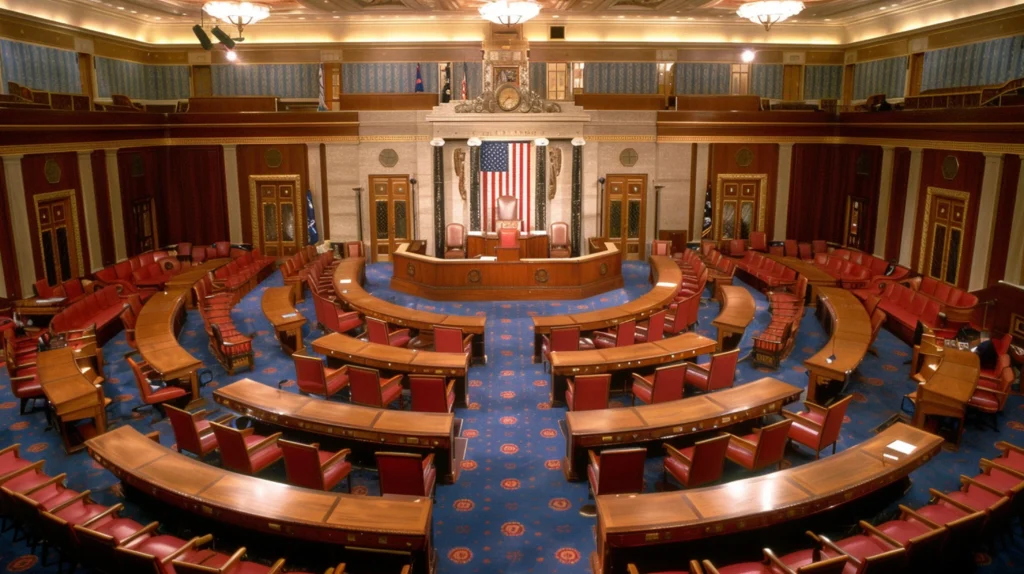
Budget Talks Stall in Congress: What’s Actually Going On
Congress is attempting to finalize funding for the Department of Homeland Security while broader government spending has largely been addressed. However, negotiations around DHS have become deeply entangled with disputes over immigration policy, transparency, and enforcement practices.
The Pressure Point: DHS Funding and an Approaching Deadline
DHS funding is nearing a critical cutoff. Lawmakers are weighing whether to approve another short-term funding measure or attempt a more comprehensive agreement. The challenge lies in the conditions attached to that funding.
Key factors driving the stalemate include:
- Sharp disagreements over border enforcement policy
- Competing views on transparency and accountability
- Political pressure tied to immigration messaging
- The use of budget deadlines as leverage
Temporary extensions keep the department operating, but they do little to resolve the underlying conflict.
Why This Budget Fight Feels Different
Budget standoffs happen often, but this one stands out because immigration policy has moved to the center of the debate. Funding is no longer just about keeping agencies operational—it has become a tool to shape enforcement behavior, which raises the stakes and narrows the room for compromise.
Homeland Security Funding at the Center of the Dispute
Homeland Security funding covers a wide range of responsibilities that extend far beyond border issues. When funding is uncertain, planning and operations across multiple agencies become more difficult.
What Homeland Security Funding Covers
DHS funding supports essential functions such as:
- Border and immigration enforcement
- Airport and transportation security
- Disaster preparedness and emergency response
- Immigration courts and asylum processing
- Cybersecurity and threat monitoring
Disruptions or uncertainty in funding can slow operations, delay hiring, and weaken long-term preparedness.
Key Points of Contention
The core disagreements include:
- How border enforcement resources are deployed
- Whether enforcement agents should face new operational restrictions
- Requirements for oversight, transparency, and identification
- Balancing agent safety with public accountability
These issues reflect deeper ideological differences about how immigration enforcement should operate in practice.

Immigration Enforcement Becomes the Dealbreaker
Immigration policy has become the central obstacle preventing agreement. Instead of being debated separately, it has been tied directly to whether DHS receives funding at all.
Reform Demands Shaping the Talks
Some lawmakers are pushing for changes that would:
- Limit or regulate the use of face coverings by agents
- Require body cameras during enforcement operations
- Strengthen warrant standards and procedural safeguards
- Expand oversight mechanisms
Supporters argue these measures increase accountability and public trust. Opponents counter that they could hinder operations and put personnel at risk.
Why Immigration Has Become a Budget Dealbreaker
Immigration is one of the most politically charged issues in the country. Any perceived concession can carry electoral consequences. As a result, positions harden, and even limited compromises become difficult to sell to party bases.
Political Divisions Fueling the Budget Stalemate
The standoff is not only about policy differences between parties—it’s also about internal divisions and political strategy.
Internal Divisions Within Congress
Party leadership often faces resistance from members who reject compromise. Even when leaders see a path forward, internal factions can block progress, making deadlines more likely to be missed.
The Role of the Executive Branch
The administration’s stance on enforcement practices and public messaging also shapes negotiations. Statements from the White House can either encourage compromise or reinforce hardened positions, depending on tone and timing.
What Happens If Budget Talks Stall in Congress Longer
When negotiations drag on, the effects extend beyond politics.
Risk of a Government Shutdown
If funding lapses:
- Non-essential federal workers may be furloughed
- Agency operations slow or pause
- Public confidence in governance declines
Even partial shutdowns create uncertainty that ripples through the economy.
Economic and Social Consequences
Extended budget gridlock can lead to:
- Delayed paychecks for federal employees
- Disrupted services relied on by the public
- Reduced morale across government agencies
- Broader economic uncertainty
Short-term funding fixes may prevent immediate crisis, but they often come at the cost of stability and long-term planning.

Public Reaction and National Sentiment
Public patience tends to wear thin during repeated budget standoffs.
How Americans Are Responding
Many people view prolonged gridlock as a sign that lawmakers are disconnected from real-world concerns. Immigration disputes, in particular, heighten emotions and deepen polarization.
Pressure From Advocacy Groups and Media
Advocacy organizations and media coverage amplify the stakes, placing pressure on lawmakers from multiple directions. While this can increase urgency, it can also complicate negotiations by narrowing political flexibility.
Possible Paths Forward for Congress
Despite the impasse, lawmakers still have options.
Short-Term Solutions
- Passing another temporary funding extension
- Isolating DHS funding from broader policy debates
These approaches reduce immediate risk but delay resolution.
Long-Term Compromise Options
- Separating immigration policy from basic funding bills
- Crafting bipartisan agreements that balance enforcement and accountability
- Establishing oversight measures without operational micromanagement
Such compromises are politically difficult but offer the most stable outcome.
FAQ: Budget Talks Stall in Congress
Why do budget talks stall in Congress so often?
Because budgets combine money, ideology, and political strategy. When divisive issues are tied to must-pass bills, negotiations become more fragile.
How does immigration affect budget negotiations?
Immigration enforcement falls under Homeland Security, making policy disagreements directly relevant to funding decisions.
What happens if Congress fails to pass a budget?
Failure can lead to partial or full government shutdowns, disrupting services and affecting workers and communities.
Who is most affected when budget talks stall in Congress?
Federal employees, immigrant communities, businesses dependent on government operations, and the public at large.
Conclusion: When Budget Talks Stall in Congress, the Impact Is Real
It’s easy to dismiss budget negotiations as political theater. But when budget talks stall in Congress, the consequences are tangible. Public services become uncertain, trust erodes, and essential systems operate under strain.
The longer the stalemate continues, the higher the cost of inaction. Compromise may be difficult, but effective governance depends on it.
Your voice matters. Stay informed, engage in the conversation, and hold leaders accountable—because the outcomes of these debates shape daily life far beyond Washington.
Table of Contents
National Shutdown January 30: What You Should Expect – trendsfocus
Lawmakers locked in standoff over ICE reforms as DHS funding deadline approaches – CBS News