
The Idaho college murders case has taken a surprising legal turn after Bryan Kohberger, the man convicted in the deaths of four University of Idaho students, filed a request asking the court to withdraw his guilty plea. The latest development has reopened public discussion about one of the most closely followed criminal cases in recent years.
Kohberger, who was convicted for the murders of Madison Mogen, Kaylee Goncalves, Xana Kernodle, and Ethan Chapin, is now claiming that his guilty plea should be overturned and that he should have the opportunity to go through a full trial. His legal move comes after he previously admitted guilt in the case and received a sentence of multiple life terms in prison.
The request has created a new chapter in a case that already captured nationwide attention due to the brutality of the crimes, the long investigation, and the intense public interest surrounding the arrest and conviction.
While Kohberger’s petition does not automatically change his conviction, it raises important legal questions about guilty pleas, defendants’ rights, and the challenges involved in reopening a criminal case after sentencing.
This article explains the latest developments, the background of the Idaho college murders, why Kohberger wants to withdraw his plea, and what could happen next in the legal process.
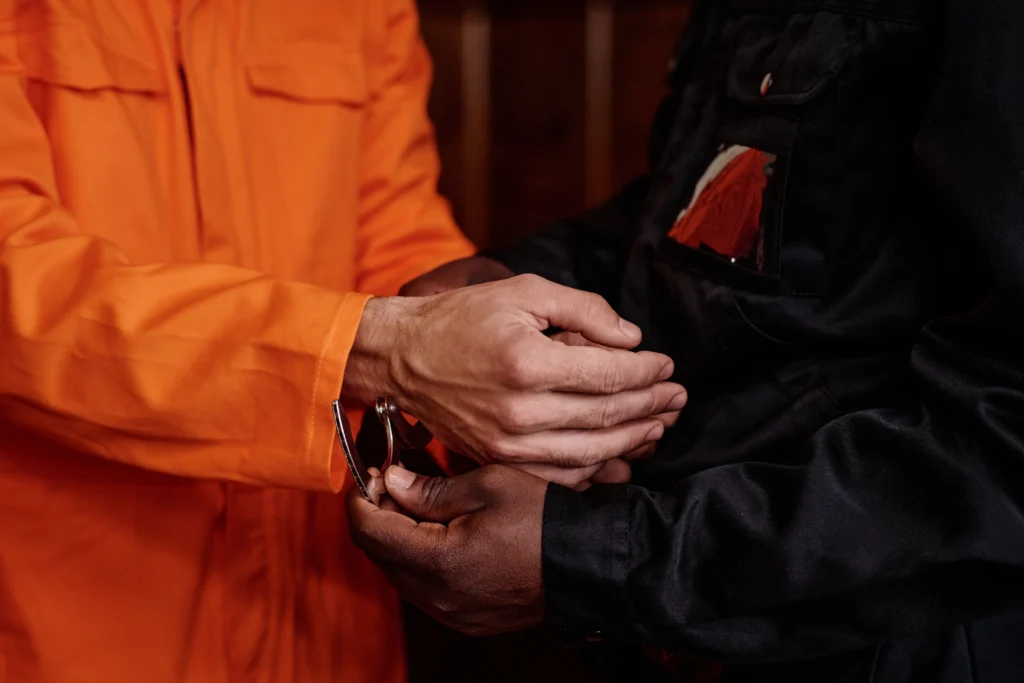
Bryan Kohberger Requests Withdrawal of Guilty Plea After Idaho Murder Conviction
Bryan Kohberger has taken a major legal step by asking the court to allow him to withdraw the guilty plea that resulted in his conviction for the murders of four University of Idaho students.
According to reports, Kohberger submitted a petition claiming that his plea was not entered under fair circumstances. He argues that he was influenced by factors that affected his decision and says he wants the chance to present his case in a full trial.
The request comes after Kohberger previously pleaded guilty as part of a legal agreement that avoided a death penalty trial. The plea deal brought a conclusion to the criminal proceedings after months of investigation and preparation for what was expected to be a highly publicized trial.
Following his guilty plea, Kohberger was sentenced to four consecutive life sentences without the possibility of parole. He also received an additional sentence related to burglary charges connected to the case.
However, Kohberger is now challenging the validity of that plea, claiming that he did not receive the outcome he believes he should have received and maintaining that he wants another opportunity to defend himself.
Legal experts point out that withdrawing a guilty plea after sentencing is extremely difficult. Courts typically require strong evidence showing that the plea was not made voluntarily, that legal rights were violated, or that serious mistakes occurred during the process.
The court will now have to review Kohberger’s arguments and determine whether his request meets the legal standards required for further action.
For the families of the victims and many people following the case, the latest filing represents another unexpected development in a tragedy that has already lasted several years.
Background of the Idaho College Student Murders Case
The case began in November 2022 when four University of Idaho students were found dead inside an off-campus home in Moscow, Idaho.
The victims were:
- Madison Mogen
- Kaylee Goncalves
- Xana Kernodle
- Ethan Chapin
The deaths shocked the university community and the small city of Moscow. The victims were young students with families, friends, and futures ahead of them, making the tragedy especially devastating for those who knew them.
Following the discovery of the victims, investigators launched a major search for answers. Law enforcement agencies collected evidence, interviewed witnesses, and worked to identify a suspect.
For weeks, the case attracted national attention as investigators continued searching for information. The lack of an immediate arrest created fear and uncertainty among students, residents, and families connected to the university.
A major breakthrough came when Bryan Kohberger was arrested and charged in connection with the killings. His arrest marked a turning point in the investigation and led to a lengthy legal process.
The evidence presented during the case became a major focus of public discussion. The prosecution prepared for a trial that was expected to include extensive testimony and forensic evidence.
However, before the trial began, Kohberger entered a guilty plea, bringing the case to a different conclusion than many had expected.
The plea agreement prevented a lengthy courtroom battle but also created controversy among some observers who wanted to see a full trial.
Now, with Kohberger seeking to withdraw his plea, the case has returned to the spotlight.
Why Bryan Kohberger Wants to Change His Plea
The main issue behind Kohberger’s latest legal action is his argument that his guilty plea should no longer stand.
In his filing, Kohberger claims that he was affected by circumstances that influenced his decision to plead guilty. He argues that he was not given the opportunity to fully present his defense and says he wants the case reviewed again.
A guilty plea is a major legal decision because it means a defendant accepts responsibility and gives up the right to a traditional trial. Courts therefore examine whether such pleas are made knowingly, voluntarily, and with a clear understanding of the consequences.
Kohberger’s challenge focuses on whether those requirements were properly met in his case.
The prosecution is expected to oppose the request and argue that the guilty plea was valid and legally binding. Prosecutors will likely point to the court proceedings, the plea agreement, and the sentencing process as evidence that proper procedures were followed.
The debate highlights an important part of the criminal justice system: balancing the rights of defendants with the need for finality in criminal convictions.
While defendants have the right to challenge legal decisions, courts must also consider the impact that reopening cases can have on victims’ families, witnesses, and the justice system.
The outcome of Kohberger’s request will depend on how the court evaluates his claims and whether his arguments meet the strict requirements for withdrawing a guilty plea after conviction.
What Happens Next in the Idaho Murders Legal Case?
The future of the Idaho college murders case now depends on the court’s response to Kohberger’s request.
Filing a petition does not mean that a conviction will automatically be overturned. The judge must first review the arguments, consider legal standards, and determine whether a hearing or additional proceedings are necessary.
If the court denies the request, Kohberger’s conviction and sentence will remain unchanged unless he pursues other legal options.
If the court allows the plea withdrawal, the case could enter a new phase, potentially leading to additional hearings or a trial process.
The legal process may take time, especially given the complexity of the case and the national attention surrounding it.
Meanwhile, the families of Madison Mogen, Kaylee Goncalves, Xana Kernodle, and Ethan Chapin continue to deal with the lasting impact of their losses.
For many people connected to the victims, the most important issue remains remembering the lives lost and ensuring that justice is served.
The latest development shows that even after a conviction, major criminal cases can continue through appeals and legal challenges.
The Idaho college murders case remains a powerful example of how criminal investigations, courtroom decisions, and victims’ families are connected through a long and often difficult legal process.
Conclusion
The request by Bryan Kohberger to withdraw his guilty plea has introduced a new and unexpected chapter in the Idaho college murders case.
After previously pleading guilty and receiving multiple life sentences, Kohberger is now asking the court to reconsider the legal agreement and allow him another opportunity to challenge the case.
The court’s decision will determine whether the conviction remains final or whether further legal proceedings will take place.
As the legal process continues, the case remains closely watched by the public, legal experts, and the families affected by the tragic deaths of four University of Idaho students.
The story serves as a reminder that major criminal cases can continue evolving even after a conviction, as courts work to balance justice, accountability, and the rights of everyone involved.
Table of Contents
Lindsay Clancy Case: Trial and New Developments – trendsfocus