
Imagine stepping outside on a crisp November evening, the air cool and fresh as you look up at the sky. There, in all its glowing beauty, is the Beaver Moon, its pale light illuminating the world below. It’s a sight that many people look forward to every year. The full moon has always held a special place in human imagination, and each month’s full moon has its own name, tied to the cycles of nature. But the Beaver Moon is particularly significant—it marks a time when beavers traditionally prepare for winter by building their dams.
Whether you’re an experienced skywatcher or just a casual observer, this guide will help you understand what the Beaver Moon is, why it’s special, and how you can best watch it in all its glory. You’ll discover everything you need to know to experience this stunning celestial event.
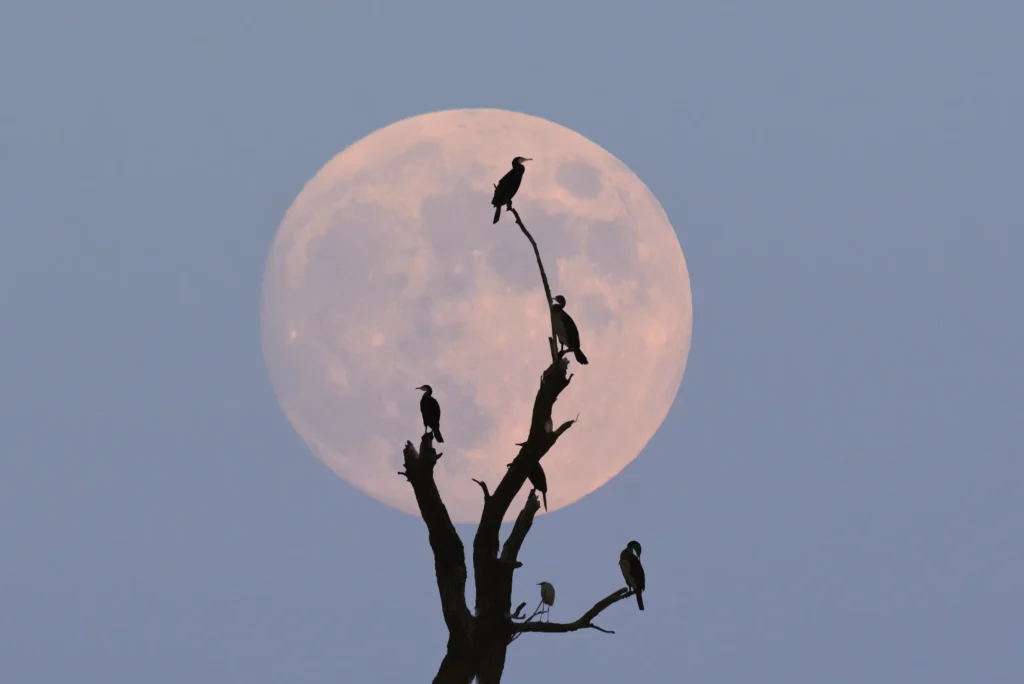
What Is the Beaver Moon? Understanding the November Full Moon
Defining the Beaver Moon
The Beaver Moon is the full moon that occurs in November, often after the harvest season has ended. This full moon is closely tied to Native American traditions, which named each full moon of the year based on natural events or cycles. The Beaver Moon earned its name because, during this time of year, beavers prepare for winter by building or reinforcing their dams and lodges. For many, it’s a time of preparation, setting traps for the beavers or getting ready for the cold months ahead.
- Key Point: The Beaver Moon is rooted in cultural traditions that connect the changing seasons to the phases of the moon.
- Source: Native American lunar calendars, historical moon names.
Other Common Names for the Beaver Moon
The Beaver Moon is also known by a few other names that highlight its connection to the seasonal shifts:
- Frost Moon: As temperatures drop and frost begins to cover the ground, the moon takes on this name.
- Mourning Moon: Reflecting the quieter, more reflective mood of the season, as animals prepare for hibernation and the natural world slows down.
These names underscore the close relationship humans have with nature and the moon, as each phase serves as a reminder of what’s coming next in the cycle of life.
- Key Point: While the term “Beaver Moon” is the most commonly used, the moon’s alternative names reveal more about its connection to the earth’s cycles and the natural world.
- Source: Old Farmer’s Almanac, folklore.
Why Is the Beaver Moon Special? The Science Behind the Lunar Event
Full Moon vs. Supermoon
When you hear about a full moon, you might think of the usual, brilliant orb in the night sky. But sometimes, the Beaver Moon isn’t just any full moon—it’s a supermoon. A supermoon happens when the moon is closest to Earth in its orbit, making it appear larger and brighter than usual. If the Beaver Moon happens to align with a supermoon, it can be an unforgettable sight, shining brightly in the November sky.
- Key Point: The Beaver Moon is often special because it can appear much larger and brighter than typical full moons when it coincides with a supermoon.
- Source: NASA, astronomical research.
The Moon’s Influence on Earth
The full moon has a powerful impact on Earth, and the Beaver Moon is no exception. Here are just a few ways it affects our world:
- Tides: The gravitational pull of the moon causes tides to rise and fall, and a full moon can intensify these movements.
- Wildlife: Many animals, such as wolves and birds, are more active during full moons. It’s believed that the increased light helps them hunt and navigate.
- Human Behavior: Some studies suggest that the full moon might even influence human behavior, though this remains a topic of debate among scientists.
- Key Point: The full moon’s effects are not limited to its beauty—it influences the rhythms of life on Earth, from tides to animal activity and beyond.
- Source: Scientific studies on lunar effects, wildlife behavior research.

How to Watch the Beaver Moon: Tips for Skywatchers
Find the Right Time and Place
The Beaver Moon typically occurs between the 7th and 10th of November, but the exact date can vary each year. Mark your calendar so you don’t miss it! The best time to observe the full moon is when it’s just rising in the evening or setting early in the morning. The moon’s size and brightness are often most striking when it’s close to the horizon.
To get the best view, you’ll want to be in a location with as little light pollution as possible. This means heading out of the city and finding an open area where you have a clear view of the sky. High vantage points, such as hills or open fields, will give you an unobstructed view.
- Key Point: The moonrise or moonset is the best time to observe the Beaver Moon when it’s low on the horizon, creating a more dramatic appearance.
- Source: Skywatching tips from astronomers, lunar calendars.
Use Tools to Enhance Your Experience
While you can certainly enjoy the Beaver Moon with the naked eye, you might want to use a few tools to enhance your experience:
- Binoculars: A good pair of binoculars can help you see more details on the surface of the moon, including craters and shadows.
- Telescope: If you have access to a telescope, it can provide even more clarity and detail.
- Skywatching Apps: Apps like SkySafari and Stellarium can help you track the moon’s path across the sky, as well as identify constellations and other celestial objects that might be visible alongside it.
- Key Point: Tools like binoculars or telescopes can significantly enhance your view of the Beaver Moon and other celestial bodies.
- Source: Recommendations from astronomy experts, skywatching apps.
Photography Tips for the Beaver Moon
If you want to capture the Beaver Moon on camera, here are a few tips to get the best shot:
- Use a Tripod: A steady shot is essential for moon photography, especially if you’re using a telephoto lens.
- Set Your Camera to Low ISO: This will help prevent grainy images and allow the details of the moon to stand out.
- Experiment with Exposure Settings: Start with an exposure time of 1/125 second and adjust as needed. A longer exposure may result in a brighter image but might blur the moon’s features.
- Key Point: Patience and experimentation with settings are key to capturing stunning photos of the Beaver Moon.
- Source: Photography tutorials, moon photography blogs.
The Cultural Significance of the Beaver Moon
Native American Folklore and Full Moon Names
The Beaver Moon, like all full moons, is steeped in Native American folklore. For many tribes in North America, the November full moon marked the time when beavers were most active in preparing for winter. It’s said that the full moon served as a signal to set traps for the beavers, whose pelts were needed for warmth during the harsh winter months.
In addition to its connection to the beaver, the Beaver Moon also represents the quiet, reflective time before the long, cold months of winter. Many Indigenous cultures viewed the moon as a guide and used its cycles to navigate the seasons.
- Key Point: The Beaver Moon’s cultural significance ties it to survival, preparation, and reverence for nature’s cycles.
- Source: Native American lunar traditions, cultural anthropology.
How Other Cultures Celebrate the Full Moon
Beyond Native American traditions, the full moon has been celebrated in many cultures around the world. For instance:
- In Asian cultures, the full moon represents harvest time and is celebrated during festivals like the Mid-Autumn Festival.
- In Europe, the full moon often symbolizes the end of one season and the beginning of another, with various agricultural celebrations centered around its appearance.
The Beaver Moon’s connection to nature and the changing seasons is part of a broader global understanding of the moon’s power and influence.
- Key Point: Different cultures have their unique ways of celebrating the full moon, adding layers of meaning to its appearance.
- Source: Global moon festivals, cultural studies.
Frequently Asked Questions About the Beaver Moon
When is the Beaver Moon in 2025?
The exact date of the Beaver Moon changes every year, but in 2025, it will occur on November 15th. Make sure to mark your calendars!
How can I see the Beaver Moon if I live in the city?
Living in the city doesn’t mean you have to miss the Beaver Moon. Try finding parks or open spaces where you can escape the city lights. Apps like Google Sky Map can help you locate the moon’s position in the sky, even if you’re in a light-polluted area.
What is the difference between the Beaver Moon and other full moons?
The main difference is the time of year it occurs. The Beaver Moon is tied to the preparation for winter, with names like “Frost Moon” and “Mourning Moon” reflecting the seasonal changes. It’s also associated with the beaver’s activity, marking a unique lunar event.
Can the Beaver Moon be a supermoon?
Yes, sometimes the Beaver Moon can align as a supermoon. A supermoon occurs when the moon is closest to Earth during its full phase, making it appear larger and brighter than usual.
Conclusion: Embrace the Wonder of the Beaver Moon
The Beaver Moon is more than just a beautiful sight in the sky. It’s a symbol of the cycles of nature, a connection to ancient traditions, and a reminder to pause and appreciate the world around you. Whether you’re planning to simply admire the moon or delve into photography, skywatching, or cultural exploration, the Beaver Moon offers something for everyone.
So, mark your calendar, prepare your tools, and get ready to experience the magic of this incredible lunar event. Don’t forget to share your experience and pictures with friends and family—there’s nothing quite like witnessing the brilliance of the Beaver Moon.
Call to Action: Ready to catch the Beaver Moon in all its glory? Share your tips, stories, and moon photos in the comments below. Be sure to subscribe for more skywatching guides, tips, and lunar events throughout the year!
Table of Contents
https://www.nationalgeographic.com/science/article/november-2025-supermoon-how-to-see
https://www.trendsfocus.com/shadow-strategist-dick-cheney-look-back/