
You probably remember a childhood filled with outdoor games, conversations that didn’t involve notifications, and friendships built face to face. Now pause for a moment and look around you. Childhood today often happens behind a screen—likes replacing laughter, reels replacing real play, and validation coming from strangers instead of family.
If you’re a parent, educator, or even a young adult, you’ve likely felt that quiet discomfort: Is this much screen time really okay? That question sits at the heart of the growing debate around the ban on social networks for children, especially after Goa proposed restricting social media access for children under 16.
This isn’t just another policy headline. It’s a decision that directly touches your home, your parenting choices, and your child’s future. Let’s break it down clearly, honestly, and without the noise—so you can decide where you stand.
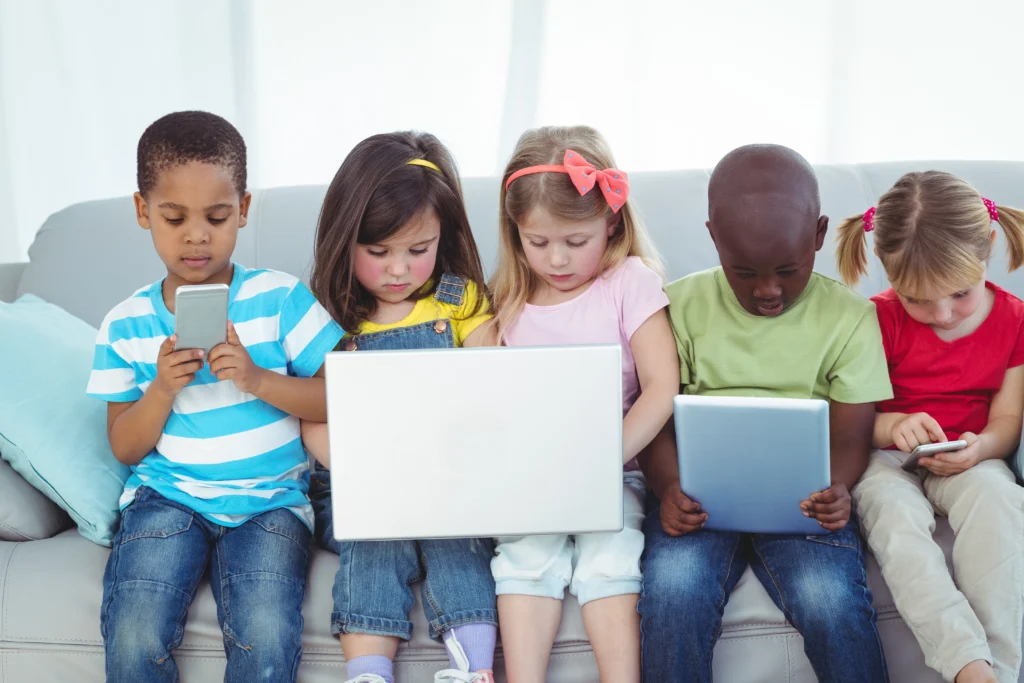
What Is the Ban on Social Networks for Children in Goa?
The proposed ban on social networks for children in Goa aims to limit access to major social media platforms for users under the age of 16. Unlike casual screen-time guidelines, this proposal signals a regulatory step—one that shifts responsibility from families alone to platforms, schools, and the government.
What the Proposal Covers
You should understand what’s actually being discussed, not just what’s being shared online:
- Restricting children under 16 from accessing social networking platforms
- Encouraging stricter age-verification systems
- Promoting parental oversight and accountability
- Raising awareness in schools about digital safety
The focus isn’t on banning the internet entirely. Educational tools, learning platforms, and essential communication apps are not the target. The attention is squarely on social networks designed for engagement, validation loops, and endless scrolling.
Why Goa Is Considering a Ban on Social Networks for Children Under 16
This proposal didn’t appear overnight. It’s a response to patterns that parents like you see daily—but may struggle to control alone.
Rising Mental Health Concerns You Can’t Ignore
Children today are growing up faster emotionally, but not always healthier mentally. Excessive social media exposure has been linked to:
- Heightened anxiety and self-comparison
- Sleep disruption caused by late-night scrolling
- Reduced attention span and learning fatigue
- Emotional dependence on likes, views, and comments
When you notice your child becoming withdrawn, irritable, or restless without a phone, it’s not coincidence—it’s conditioning.
Online Safety Risks That Feel Too Close to Home
You might believe your child is “just watching videos,” but social platforms rarely stay that simple.
Common risks include:
- Cyberbullying that follows children home
- Exposure to violent, sexual, or misleading content
- Online grooming masked as friendship
- Algorithm-driven content pushing extremes
The ban on social networks for children is being discussed as a preventive step—not punishment, but protection.

How the Ban on Social Networks for Children Could Be Implemented
One of the biggest questions you likely have is: How would this even work?
Possible Enforcement Methods
While final details are still evolving, several approaches are being considered:
- Age verification systems linked to IDs or guardian approval
- Parental consent models, similar to financial app controls
- Platform-level restrictions, making companies responsible
These methods aim to reduce casual access, not criminalise children.
The Real Challenges You Should Be Aware Of
No system is flawless, and it’s fair to be skeptical. Key concerns include:
- Fake age entries during sign-up
- VPN use to bypass location rules
- Unequal enforcement across platforms
That said, imperfect enforcement doesn’t mean no value. Seatbelts don’t prevent all injuries—but they still save lives.
The Role of Social Media Platforms in the Ban
If you’ve ever tried reporting harmful content, you know platforms often react slowly. This proposal puts pressure where it belongs.
What Platforms May Be Required to Do
- Improve age-detection technology
- Restrict algorithmic recommendations for minors
- Face penalties for non-compliance
For the first time, responsibility may shift from “parents should monitor” to “platforms must protect.”

Support for the Ban on Social Networks for Children
Many parents quietly support this idea—even if they haven’t said it out loud.
Why Supporters Believe the Ban Makes Sense
Supporters argue that the ban on social networks for children could:
- Give children space to mature offline
- Reduce social comparison during critical years
- Encourage healthier sleep and routines
- Restore balance between digital and real life
If you’ve ever felt guilty handing over a phone just to get a moment of peace, you’re not alone. This policy could help reset expectations.
Criticism of the Ban: Concerns You Might Share
Not everyone agrees—and some concerns are valid.
Common Arguments Against the Ban
Critics often point out that:
- Digital literacy is essential for the future
- Total restriction may cause social isolation
- Enforcement could unfairly target certain groups
These voices suggest education over restriction, arguing children should be taught how to use social media safely rather than blocked entirely.
The real question for you becomes: Is exposure the same as preparation?
How This Ban Could Affect You as a Parent
If the ban moves forward, your role may change—but not in a negative way.
Increased Parental Authority (Not Blame)
Instead of constant battles over screen time, you’d have:
- Clear external boundaries to rely on
- Support from schools and policy
- Fewer arguments framed as “everyone else is allowed”
It may actually make parenting easier, not harder.
A Chance to Rebuild Offline Habits
Without constant digital pull, you might notice:
- More conversation at home
- Renewed interest in hobbies
- Better emotional regulation in children
Sometimes, removal creates space for growth.
Impact on Schools and Education
Schools aren’t left out of this conversation.
What Schools May Need to Do
- Teach digital responsibility as a life skill
- Educate students about online risks
- Support parents with awareness programmes
Rather than replacing screens with silence, the goal is intentional digital use.
The Bigger Picture: Society and the Digital Childhood
This proposal forces a question that affects everyone: What kind of adults are we raising?
Long-Term Societal Effects
If successful, the ban on social networks for children could:
- Normalize delayed digital exposure
- Reduce mental health strain on future generations
- Shift tech culture toward responsibility
It’s less about control—and more about timing.
Is Goa Following a Global Trend?
You might think this idea is extreme. It isn’t.
What Other Countries Are Doing
Across the world:
- Europe enforces strict parental consent laws
- The US debates age-based protections
- Several countries push for platform accountability
Goa’s proposal reflects a global rethinking of childhood in the digital age—adapted to local realities.
FAQs: Ban on Social Networks for Children
Is the ban on social networks for children already enforced in Goa?
No. It is currently a proposal under discussion, not a law in effect.
Does the ban on social networks for children include messaging apps?
At present, the focus is on social networking platforms. Messaging apps may be reviewed separately.
How will the ban on social networks for children be enforced?
Likely through age verification, parental consent, and platform compliance measures.
Can parents choose to allow access anyway?
Details are still evolving, but supervised or limited access models may be considered.
Will teenagers above 16 be affected?
No. The proposed ban applies only to children under 16.
Conclusion – Where You Stand Matters
The ban on social networks for children isn’t about fear of technology. It’s about respect for childhood. You’re not being asked to reject the digital world—only to delay full exposure until your child is emotionally ready.
Whether you support or question the proposal, one thing is certain: ignoring the impact of social media on young minds is no longer an option.
Call to Action – Join the Conversation
Now it’s your turn.
- Do you believe children under 16 need stronger digital protection?
- Should responsibility lie with parents, platforms, or policy?
Share your thoughts, discuss this with other parents, and stay informed. Decisions like these shape the world your children will grow into—and your voice matters more than you think.
Table of Contents
https://www.trendsfocus.com/australia-bans-social-media-for-kids-under-16/