
You remember the thrill of getting your first phone — unlocking endless entertainment and connection with a tap. Scrolling through fun clips, posting pictures with friends, finding laughter in memes, chatting late into the night — social apps felt like your universe. But behind the highlights came pressures: comparison, bullying, the constant need for validation.
That high-pressure digital world has pushed Australia to take a massive leap. As of December 2025, you must be at least 16 years old to have an account on many major social platforms. If you’re younger, your access just changed dramatically.
Whether you’re a teen, a parent, or someone following this story from a distance, you’re watching a shift that will influence how the next generation grows up online.
This guide breaks down everything you need to know — clearly, simply, and from your perspective.
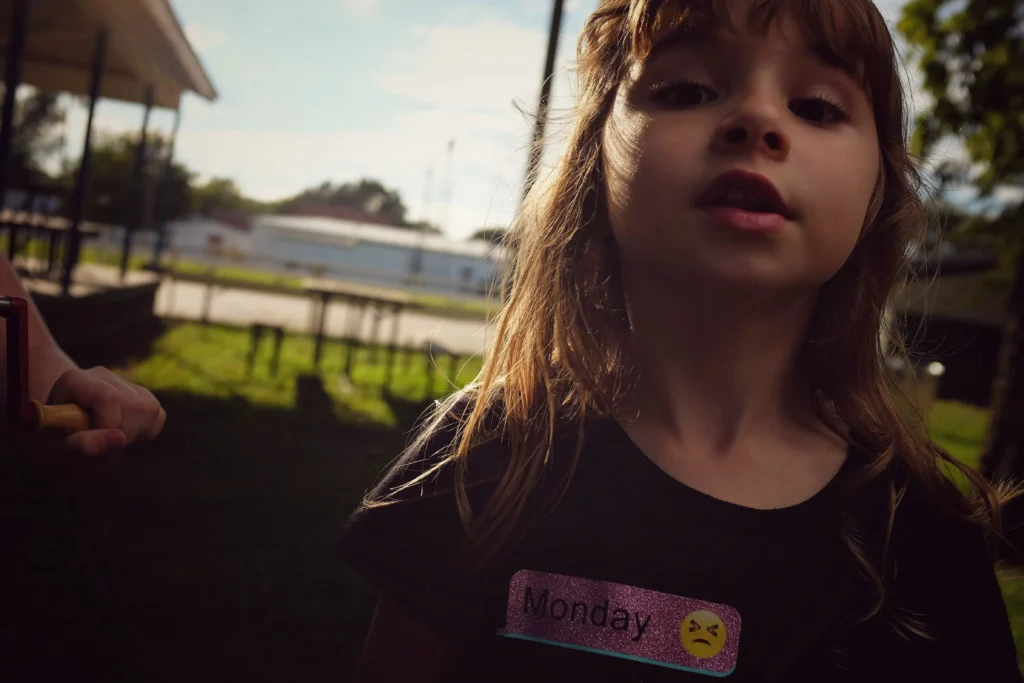
What Exactly Is the Australia Social Media Ban?
Australia has introduced new online safety regulations preventing anyone under 16 from creating or using accounts on mainstream social networks. This includes the most popular platforms where young people hang out every day.
You may still be able to view some content without logging in — but you can’t post, comment, chat, share, or maintain a visible profile if you’re below the minimum age.
The government has decided that social media use should start later in life — when you have stronger emotional tools to handle digital pressures.
Why Did Australia Ban Social Media for Under-16s?
1️⃣ Mental Wellness First
Kids and teens have faced increasing anxiety and stress because of constant online comparison and exposure to harmful content. Social platforms are designed to grab your attention using algorithms that push intense or addictive content. This ban aims to give young people more time to develop confidence and personal identity offline, without feeling judged by likes and comments.
2️⃣ Protecting You From Digital Risks
Here are some real dangers younger users often face:
- Online bullying and harassment
- Sexual predators behind fake profiles
- Exposure to violent or harmful trends
- Body-image issues caused by filtered reality
- Addiction to scrolling and overnight screen time
- Peer pressure that shapes self-worth
By delaying entry into social networks, Australia wants to reduce these risks during your most vulnerable years.
3️⃣ Responsibility Moves to Tech Companies
Instead of blaming parents or kids, the new rule forces platforms to protect their youngest users. If companies fail to block or remove under-16 accounts, they face serious penalties. That means companies now have a direct incentive to create a safer online landscape — starting from the sign-up page.
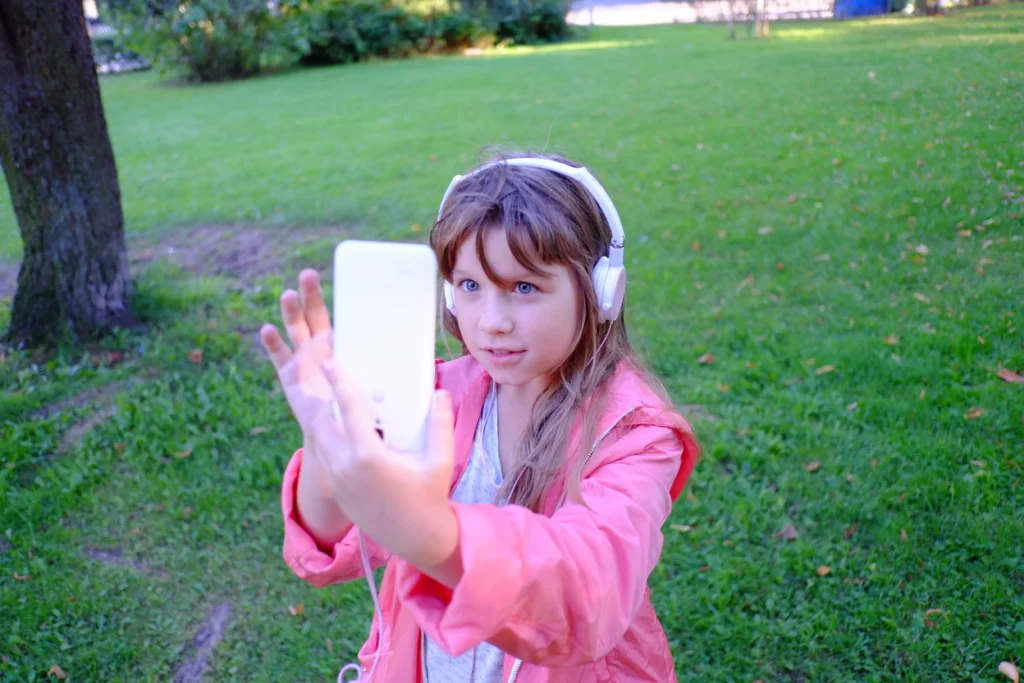
How Will the Ban Be Enforced?
This change doesn’t just rely on trust. Social media companies must check your age before allowing you to create or keep an account. They may use:
- Age-verification technology
- Parental oversight systems
- Monitoring for suspicious under-age activity
- Reporting methods for under-age accounts
- Regular removal of accounts identified below age 16
Each platform can choose how it enforces the rules — but all must take action.
If you already have an account and you’re younger than 16, expect restrictions or removal.
The government wants companies to redesign their systems with child safety as a core feature, not an afterthought.
What This Ban Covers — And What It Doesn’t
Let’s clear up confusion:
✔ You cannot create or maintain accounts below age 16
✔ Platforms must delete or block under-age users
✔ You can still browse public content without logging in
✔ Messaging or gaming apps not focused on public posting may remain available
This rule targets spaces where public social expression is the main activity. It doesn’t completely cut young people off from tech — only high-exposure environments.
Why Many People Support the Ban
Parents and child-safety advocates see this as a protective step. For them, the internet has become too dangerous for young minds. Many kids report feeling better when they reduce screen time — more sleep, more hobbies, more face-to-face friendships.
Teens who’ve struggled with pressure from constant connectivity may even feel relieved. Instead of stressing over follower counts, they get to focus on activities that help them grow more confidently.
Some arguments spoken by supporters include:
- “My child’s self-esteem shouldn’t depend on likes.”
- “Kids need real-world friendships to develop socially.”
- “This gives families a chance to reset screen habits.”
Supporters believe this rule helps restore a healthier childhood.
Why Some People Strongly Disagree
Not everyone is cheering. Critics argue that:
- Teens may lose access to supportive online communities
- Some rely on the internet to explore identity or express themselves
- Cutting access may increase feelings of isolation
- Enforcement methods could risk personal privacy
- Determined teens will find ways around the ban anyway
Some believe education and digital literacy would be a smarter solution — giving young people the skills to navigate social media safely instead of locking the doors.
Citizens worried about rights and freedom see this as restricting youth voices in a digital society where participation matters.
Potential Real-World Challenges
Implementing this rule is not simple. You’ll probably see issues like:
🚧 Teens lying about their age
🚧 Fake IDs or shared accounts
🚧 Migration to shadow platforms with fewer rules
🚧 Privacy worries around age-proofing
🚧 Families disagreeing about what’s best
There’s also a chance harmful content moves underground — to sites with zero moderation. That could create more danger instead of less.
Big Question: Will This Actually Work?
The outcome depends on multiple factors:
✔ How strictly platforms enforce age checks
✔ How parents communicate about online safety
✔ Whether teens feel supported with alternatives
✔ If digital education continues to improve
Researchers will be tracking changes over time: sleep quality, anxiety levels, bullying incidents, screen habits, and relationships. Australia hopes this shift brings major improvements — but only time will tell.
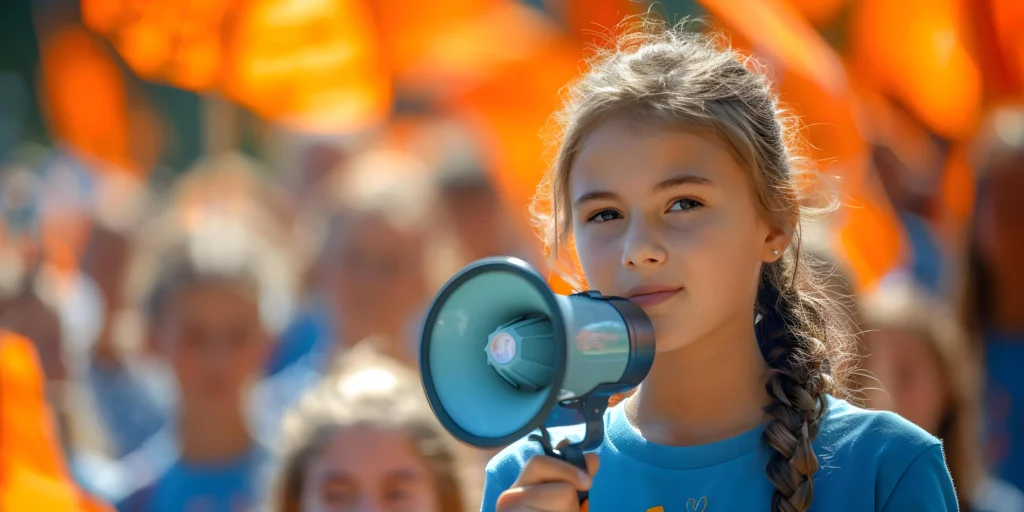
Will Other Countries Copy Australia’s Move?
Many nations are watching closely. Governments everywhere are debating online safety laws, and Australia has just taken a bold lead. If this ban shows positive results — even a little — more countries could follow the trend.
Parents worldwide are asking the same question:
“How young is too young for social media?”
Australia might have provided the first major answer.
How You Can Adapt to the New Rules
Whether you agree or disagree, the change is here. Here’s how you can make the best of it:
If You’re a Teen
- Focus on friendships in real life
- Try new hobbies: arts, music, sports, gaming offline
- Practice healthy tech balance early
- Keep exploring your interests — just without posting everything
This can be a chance to build confidence without judgement.
If You’re a Parent
- Talk openly with your child — not against them
- Set a positive example for balanced screen habits
- Encourage safe digital learning environments
- Spend more shared time offline
- Listen to how your child feels about the ban
Your support can make the transition feel empowering rather than punishing.
FAQ — Your Questions Answered
Is social media completely banned for under-16s?
No. You just can’t create or own accounts. You can still view some content without logging in.
Will kids or parents get punished?
No. The responsibility is on platforms, not families or children.
What age verification is used?
Methods will vary: some may ask for proof like a document check, others may use parental confirmation or tech-based analysis of behavior.
Can teens still socialize online?
Yes — through messaging apps or gaming platforms not focused on public social posting.
Could this make things worse?
There is a risk of young users moving to unregulated apps if their needs aren’t addressed.
Final Takeaway: A Turning Point for Growing Up Online
This ban signals a huge cultural shift. Australia is drawing a line and saying:
Childhood should be shaped by real connection — not constant screens.
If you’re young, this may feel like losing part of your world. But it could also be a chance to build a stronger identity before stepping into the spotlight of social platforms.
If you’re a parent, this is a moment to engage more deeply in your child’s digital life — guiding, not just guarding.
Technology isn’t going away. But maybe we all need to rethink how and when we let it shape our minds.
Your Voice Matters — What Do You Think?
Do you believe this rule protects young people?
Or does it limit freedom and self-expression?
Table of Contents
What countries do to regulate children’s social media access | Reuters
Spotify and Free Speech: Risks of Overzealous Moderation – trendsfocus