
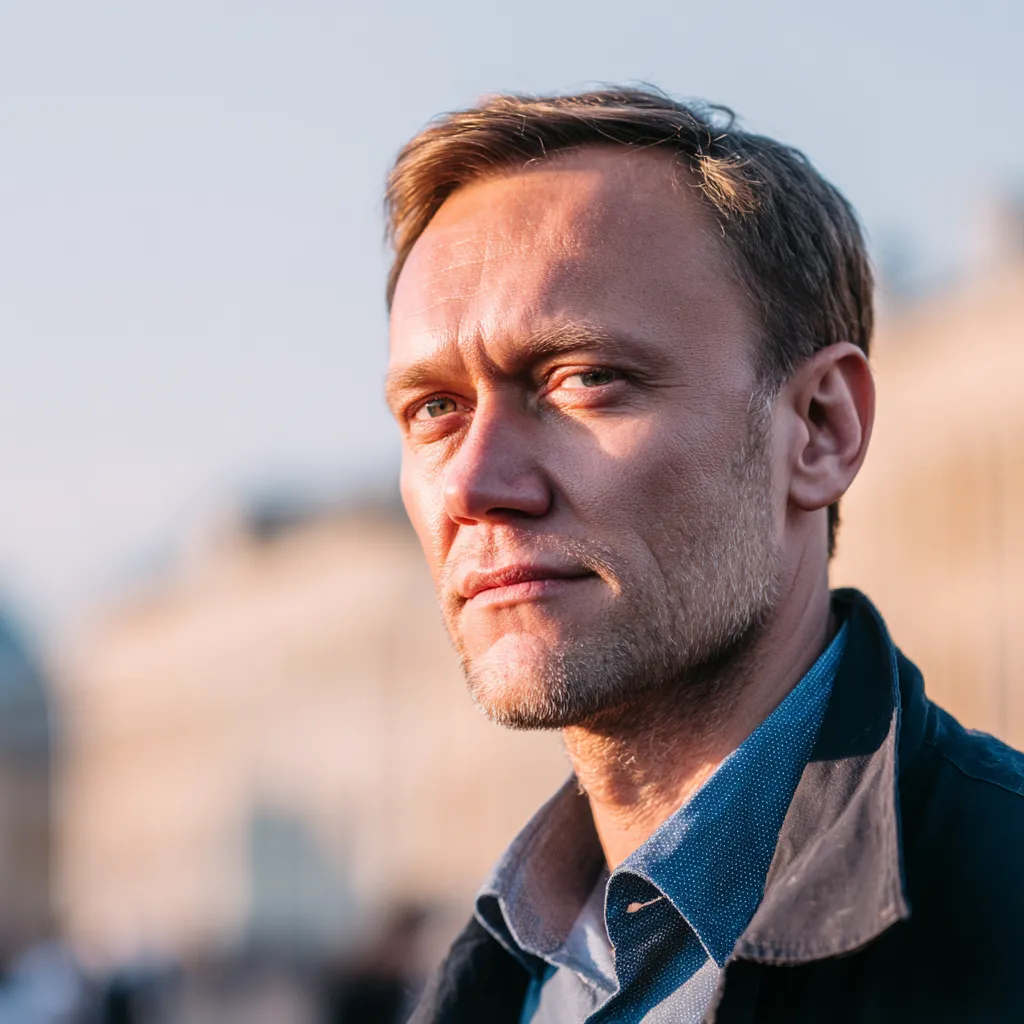
The death of Alexei Navalny continues to dominate international headlines, even two years after it was first announced. What was initially described by Russian authorities as a sudden prison death has now become the center of renewed global controversy. Recent statements from several European governments have introduced new allegations, intensifying diplomatic tensions and reopening debate over accountability, human rights, and political repression in modern Russia.
European Governments Claim New Evidence of Poisoning
In early 2026, five European countries — the United Kingdom, France, Germany, Sweden, and the Netherlands — publicly stated that new laboratory analyses indicate Navalny was killed by poisoning while in Russian custody.
The announcement was made during the Munich Security Conference, where officials revealed that the alleged substance involved was a rare and highly toxic compound. According to these governments, the nature of the toxin suggests access to advanced expertise and controlled materials, raising serious concerns about state involvement.
These claims have significantly escalated diplomatic tensions between Russia and several European nations, with calls for international oversight and further investigation.
Moscow’s Firm Denial and Escalating Diplomatic Tensions
The Russian government has categorically rejected the new allegations. Kremlin officials insist there is no credible evidence supporting claims of poisoning and describe the accusations as politically motivated attempts to discredit Russia on the global stage.
Authorities in Moscow maintain that Navalny died due to health-related causes while serving his prison sentence. However, Western leaders argue that inconsistencies in official explanations and the lack of independent transparency continue to raise doubts.
As a result, relations between Russia and multiple European countries have grown increasingly strained, with discussions of potential new sanctions and legal actions resurfacing.
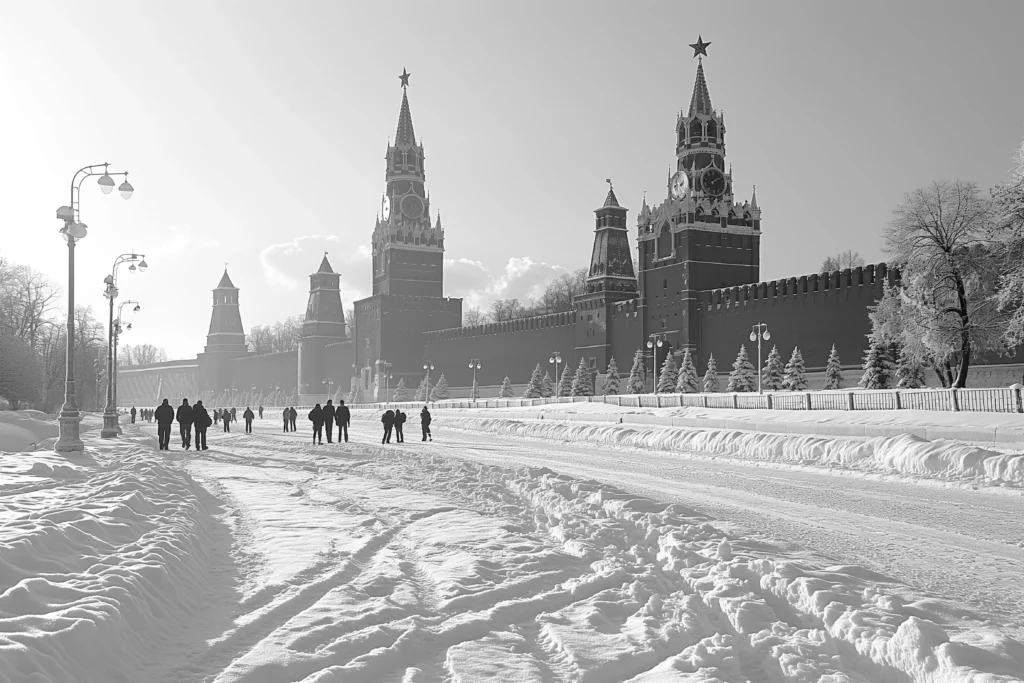
Navalny’s Political Journey and His Opposition to the Kremlin
Alexei Navalny rose to prominence as one of the most vocal critics of President Vladimir Putin. Through anti-corruption investigations, viral online campaigns, and political organizing, Navalny built a significant following both inside Russia and internationally.
In 2020, he survived a previous poisoning attempt involving a nerve agent — an incident that drew global condemnation and led to sanctions against Russian officials. Despite the risks, Navalny returned to Russia in 2021, where he was arrested shortly after arrival.
Over the following years, he received multiple prison sentences on charges widely viewed by his supporters as politically motivated. His imprisonment in a remote Arctic penal colony became symbolic of the broader crackdown on dissent in Russia.
Navalny’s death in February 2024 shocked supporters worldwide and immediately sparked accusations from Western governments that the Kremlin bore responsibility.
International Reactions and the Broader Human Rights Debate
The renewed poisoning allegations have reignited international debate about political repression, state power, and accountability. Navalny’s widow, Yulia Navalnaya, has repeatedly accused Russian authorities of responsibility for her husband’s death and has called for continued international pressure.
Western leaders argue that the case reflects deeper concerns about the treatment of political opponents in Russia. Human rights organizations continue to demand transparency, independent investigation, and justice.
At the same time, Russia views these accusations as part of a broader geopolitical confrontation with Western nations. The case has therefore become not only a human rights issue but also a symbol of the widening political divide between Russia and Europe.
Conclusion
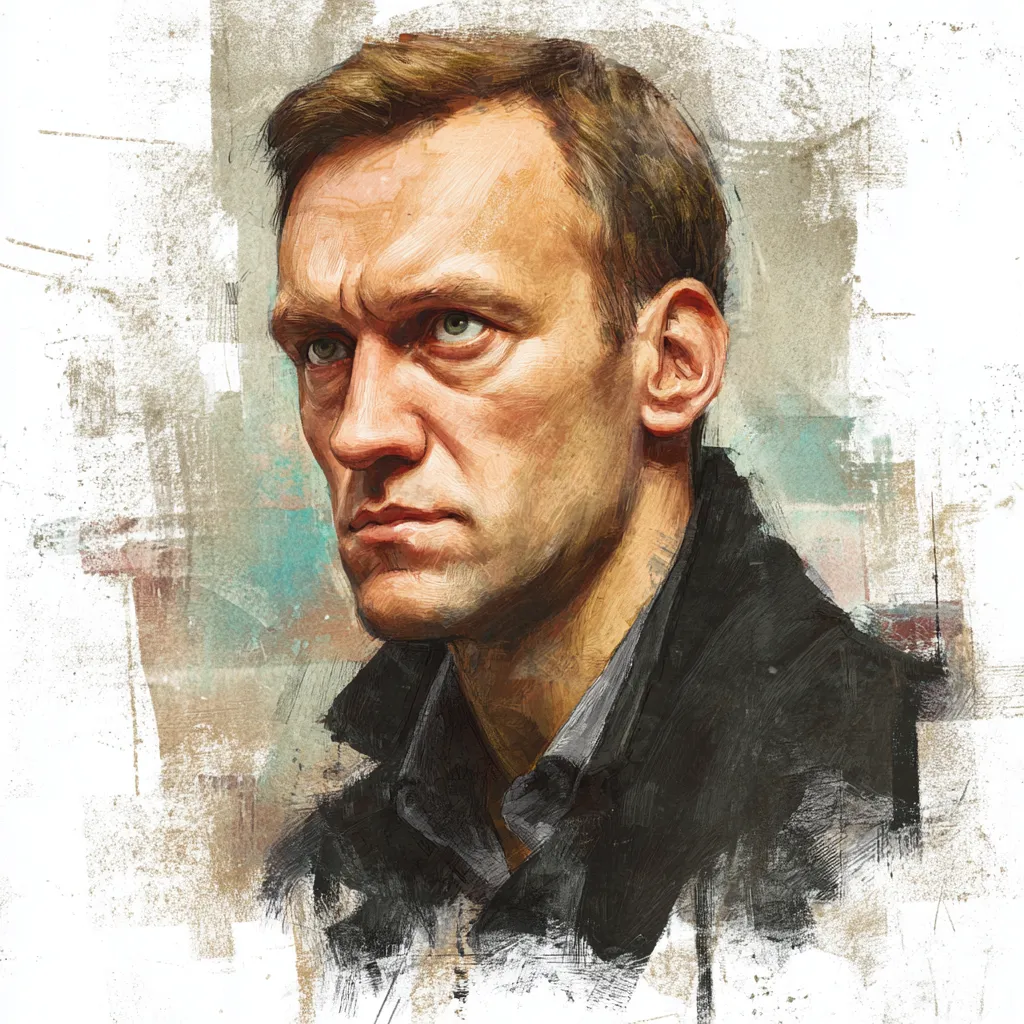
The death of Alexei Navalny remains one of the most consequential political events in recent Russian history. The latest allegations of poisoning have revived global scrutiny and deepened diplomatic tensions. While Russia firmly denies any wrongdoing, European governments insist new evidence points toward deliberate action.
Beyond the immediate political fallout, Navalny’s legacy continues to shape conversations about democracy, opposition movements, and freedom of expression. Whether through further investigations, diplomatic consequences, or historical reflection, his case is likely to remain a defining chapter in discussions about political accountability in the 21st century.
Table of Contents
Ransom Note About Nancy Guthrie: Latest Update Today – trendsfocus