
Aging is a natural part of life—but when it comes to your brain, the story is far more complex and hopeful than many people think. For years, the common belief was that growing older meant an inevitable decline in memory, thinking speed, and overall cognitive performance. However, recent scientific breakthroughs are rewriting that narrative. Today, researchers view the aging brain not as something that simply deteriorates, but as a dynamic organ capable of adaptation, resilience, and even improvement in certain areas.
As you age, your brain undergoes structural, chemical, and functional changes. Some of these changes may affect how quickly you recall information or learn new skills. But at the same time, your brain gains strengths—such as better emotional regulation, improved decision-making, and deeper knowledge built from years of experience. In other words, aging is not just about loss; it is also about transformation.
Even more exciting, new research in neuroscience suggests that many aspects of brain aging can be influenced by your daily habits, environment, and mindset. From physical activity to social engagement, your lifestyle choices play a crucial role in determining how well your brain ages.
In this article, you will explore the latest insights into brain aging, understand what truly happens inside your mind over time, and discover practical strategies you can use to protect and even enhance your cognitive health for years to come.
What Really Happens to Your Brain as You Age
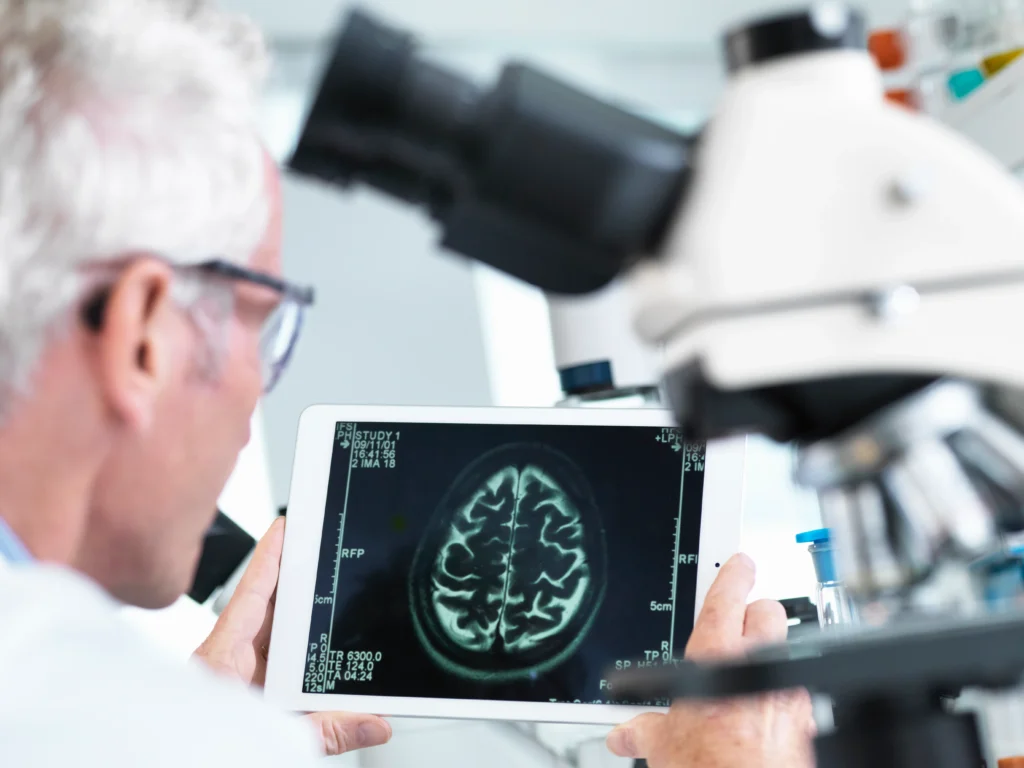
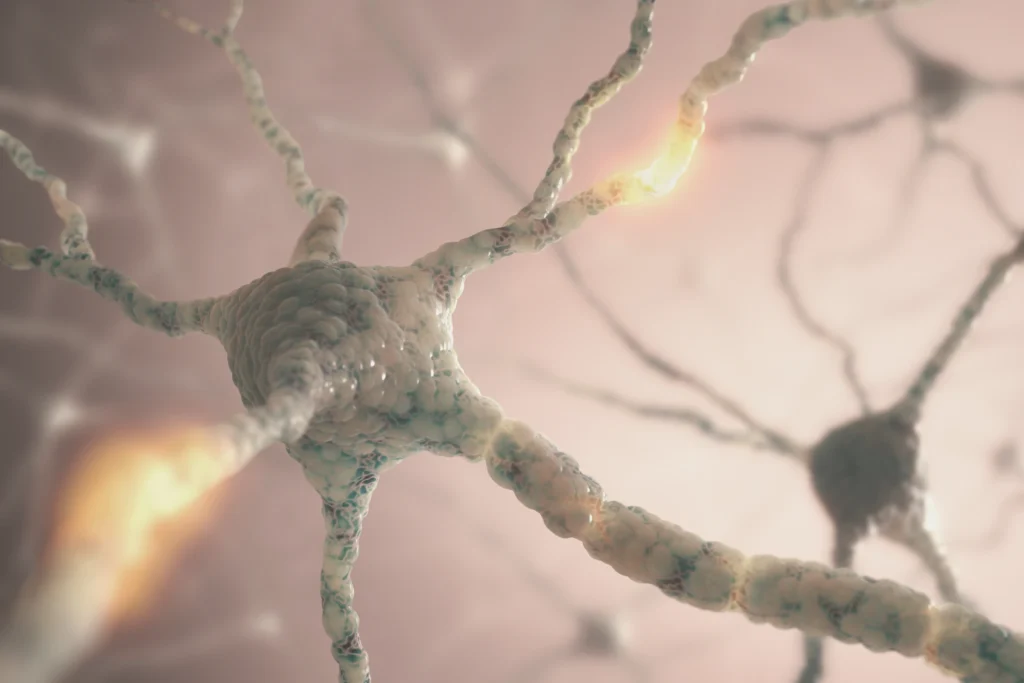
As you grow older, your brain experiences gradual physical and chemical changes. Some regions, particularly those involved in memory and learning—like the hippocampus—may shrink slightly. This can make it more challenging to recall names, dates, or recent events quickly. Additionally, communication between neurons may slow down due to changes in synapses, the connections that allow brain cells to exchange information.
Another key factor in brain aging is the reduction in certain neurotransmitters—chemical messengers responsible for mood, focus, and memory. Lower levels of these substances can affect how efficiently your brain processes information. Blood flow to the brain may also decrease over time, which can impact overall cognitive performance.
However, it’s important to understand that these changes are not necessarily harmful or debilitating. In many cases, your brain compensates by using alternative neural pathways. This ability, known as neuroplasticity, allows your brain to adapt and reorganize itself, even in later stages of life.
Interestingly, not all parts of the brain age at the same rate. While some areas may show signs of decline earlier, others remain stable or even improve. For example, regions associated with emotional intelligence and social understanding often become more refined with age. This is why many older adults demonstrate greater patience, empathy, and emotional balance compared to younger individuals.
Ultimately, brain aging is not a uniform process. It is influenced by genetics, lifestyle, and environmental factors—meaning you have more control over it than you might think.
The Hidden Strengths of the Aging Mind
While aging is often associated with decline, it also brings a range of cognitive advantages that are frequently overlooked. One of the most notable is the growth of crystallized intelligence—the ability to use accumulated knowledge and experience. This means that as you age, you often become better at understanding complex concepts, solving real-world problems, and making informed decisions.
Your vocabulary and general knowledge tend to expand over time, allowing you to communicate more effectively and think more critically. In many cases, older adults outperform younger individuals in tasks that require judgment, reasoning, and pattern recognition.
Another significant strength of the aging brain is improved emotional regulation. With years of life experience, you become better equipped to manage stress, navigate relationships, and respond calmly to challenging situations. This emotional stability can contribute to better mental health and overall well-being.
Additionally, aging often enhances your ability to see the bigger picture. Instead of focusing on small details, you may develop a more holistic perspective, which can be particularly valuable in leadership, decision-making, and problem-solving contexts.
It’s also worth noting that creativity does not necessarily decline with age. In fact, many individuals experience a creative peak later in life, drawing on their experiences to produce meaningful and impactful work.
These strengths highlight an important truth: aging is not simply a process of losing abilities—it is also a period of gaining wisdom, insight, and emotional depth.
Understanding Cognitive Decline and When to Be Concerned
Although many changes in the aging brain are normal, it is essential to distinguish between healthy aging and more serious cognitive conditions. Occasional forgetfulness—such as misplacing your keys or struggling to remember a name—is a common part of growing older. However, more severe and persistent symptoms may indicate underlying issues.
Conditions like dementia and Alzheimer’s disease go beyond typical age-related changes. They can significantly impact memory, thinking, and daily functioning. Warning signs may include frequent confusion, difficulty completing familiar tasks, trouble understanding language, and noticeable changes in mood or personality.
Early detection is crucial. Identifying cognitive decline at an early stage allows for better management and access to emerging treatments that may slow progression. It also provides an opportunity to make lifestyle adjustments that support brain health.
It’s important not to jump to conclusions if you notice minor memory lapses. Stress, lack of sleep, and poor nutrition can also affect cognitive performance. However, if symptoms become more frequent or interfere with daily life, seeking professional advice is a wise step.
Understanding the difference between normal aging and cognitive decline empowers you to take proactive steps toward maintaining your mental well-being.
How to Protect and Strengthen Your Brain as You Age
One of the most encouraging discoveries in modern neuroscience is that you can actively influence how your brain ages. Your daily habits play a powerful role in shaping your cognitive health, and even small changes can make a significant difference over time.
Physical activity is one of the most effective ways to support brain function. Exercise increases blood flow to the brain, promotes the growth of new neurons, and helps reduce inflammation. Activities such as walking, swimming, or cycling can improve memory, focus, and overall mental clarity.
Nutrition also plays a critical role. A balanced diet rich in fruits, vegetables, whole grains, and healthy fats provides essential nutrients that support brain health. Foods like fatty fish, nuts, and leafy greens are particularly beneficial due to their high content of omega-3 fatty acids and antioxidants.
Keeping your mind active is equally important. Engaging in activities that challenge your brain—such as reading, puzzles, learning a new language, or developing new skills—can strengthen neural connections and enhance cognitive resilience.
Social interaction is another key factor. Maintaining strong relationships and participating in social activities can help reduce the risk of cognitive decline and improve emotional well-being. Humans are inherently social beings, and meaningful connections play a vital role in mental health.
Finally, quality sleep is essential for brain function. During sleep, your brain clears out toxins, consolidates memories, and restores energy. Poor sleep can negatively impact concentration, mood, and memory.
By adopting these habits, you are not just slowing down brain aging—you are actively building a stronger, healthier mind for the future.
Final Thoughts
The aging brain is not a story of inevitable decline—it is a story of adaptation, resilience, and potential. While some changes are natural, many aspects of cognitive health are within your control. By understanding how your brain evolves and taking proactive steps to support it, you can continue to learn, grow, and thrive at any age.
Your brain is one of your most valuable assets. The choices you make today can shape how it performs tomorrow.
Table of Contents
Donald Trump Hospitalized: Latest Updates and Reactions – trendsfocus