
A Life-Altering Moment on the Slopes: Be Prepared
Picture yourself on the slopes, the excitement building as you glide down the hill. The wind rushes past you, and the powdery snow beneath your skis feels exhilarating. But then, in an instant, it all changes. A sudden slip, an unexpected bump, or a miscalculation sends you crashing to the ground. In that moment, the fun quickly fades, and your mind races to figure out what to do next. The adrenaline rush is replaced by a need for clarity and quick thinking.
Skiing, like any adventure sport, is thrilling but also carries inherent risks. While most skiers have a blast without a hitch, accidents can and do happen. Whether it’s a sprain, a fracture, or a head injury, knowing what steps to take in an emergency can make all the difference in how you respond—and ultimately, how quickly you recover.
Having an emergency plan in place is not just about safety—it’s about peace of mind. In this article, we’ll walk you through everything you need to know about crafting a solid emergency plan for skiing. From preparation to response, we’ll help ensure that you’re ready for whatever the slopes throw your way.
Why You Need an Emergency Plan for Skiing
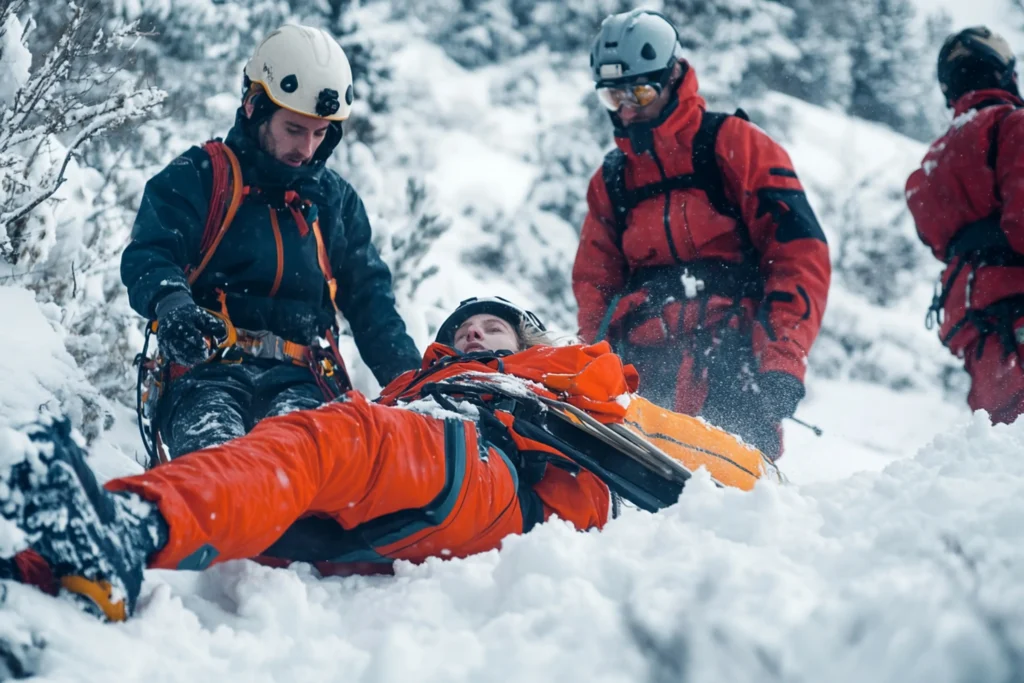
Skiing is often seen as an exhilarating escape into nature, but as with any high-speed sport, it’s crucial to be aware of the risks involved. According to the National Ski Areas Association (NSAA), there are approximately 44 injuries for every million skier visits. Common injuries include fractures, head trauma, and sprains, with some incidents requiring immediate medical attention.
While it’s easy to get caught up in the thrill of skiing, it’s important to remember that your safety should always come first. Whether you’re hitting the slopes for the first time or you’re an experienced skier, having an emergency plan can drastically improve how you react during an accident.
Think about it: if you’re injured or witness someone else’s injury, your ability to act quickly and correctly can reduce further harm and speed up the recovery process. Here’s how an emergency plan can make all the difference:
- Reduce panic: In the heat of the moment, a solid plan can help you stay calm and focused.
- Quick response: Knowing exactly what steps to take in case of an emergency can help you provide aid faster.
- Informed decisions: If you’re prepared, you can make decisions based on knowledge, not fear or confusion.
Being prepared doesn’t just protect you; it also protects those around you. In high-stress situations, an organized response can make a world of difference.
Key Components of an Effective Skiing Emergency Plan
Every skier should have an emergency plan in place, but what does that plan look like? Let’s break down the key components of an effective skiing emergency plan that every skier should know.
1. Pre-Skiing Preparation: The First Step to Safety
Before you even set foot on the slopes, it’s vital to prepare. Pre-trip preparation is an often-overlooked but essential step in ensuring your safety. Here’s what you need to do:
Know the Ski Resort’s Emergency Contact Information
- Save important numbers: Make sure you have the ski resort’s emergency contact numbers, including ski patrol, medical facilities, and other essential numbers saved in your phone.
- Map of the resort: Familiarize yourself with the resort’s layout, including emergency stations and ski patrol locations. If you need help, knowing where to go or whom to call could save crucial time.
Carry Your Medical Information
- Important health details: Keep your medical information handy, including any allergies, pre-existing conditions, and emergency contacts. You can store this information in a waterproof pocket on your jacket.
- Insurance: Carry your insurance card or have details on your phone, especially if you’re skiing abroad. Having this on hand will make it easier for medical personnel to assist you.
Inform Someone About Your Plans
- Tell a friend: Before hitting the slopes, always inform a friend or family member about your skiing plans—where you’ll be skiing and when you expect to return. If anything goes wrong, they’ll know where to look.
2. The Essentials: What to Carry With You
Your gear isn’t just about performance—it can also be critical in an emergency. These items are a must to carry in case of a skiing accident.
First Aid Kit
A small, portable first aid kit is essential. Your kit should include:
- Bandages, gauze, and antiseptic wipes
- Pain relievers (e.g., ibuprofen or acetaminophen)
- A whistle (to signal for help)
- Emergency contact card (with your details and medical information)
- Any personal medications you may need
Multi-Tool or Ski-Specific Tools
Skiing equipment can break, and you’ll need tools to fix them on the go. Carrying a multi-tool designed for skiing can save you from a stranded situation.
Portable Power Bank
A fully charged phone is essential, especially in areas with limited cell service. Bring a portable charger so your phone stays powered throughout the day.
Whistle
A whistle can be used to signal for help if you’re unable to use your phone. It can also be helpful in noisy or crowded environments where you might not be able to yell for attention.
3. Communication Tools: Staying Connected
In an emergency, your ability to communicate with others can make a huge difference. Communication tools, such as walkie-talkies, can help you stay connected if you’re skiing in a group.
- Cell phone: Ensure that your phone is fully charged before hitting the slopes. Save the emergency contact numbers and ski patrol number in your contacts.
- Walkie-talkies: If you’re skiing with a group, walkie-talkies can be helpful for staying in touch, especially in areas with poor cellular service.
4. Know the Terrain and Avalanche Risks
Understanding the terrain is critical to preventing accidents. If you’re skiing in the backcountry or on more advanced runs, it’s essential to:
- Check avalanche reports: Know where avalanche-prone zones are, especially if you plan to ski off-piste or in backcountry areas. Carrying avalanche safety gear (beacon, shovel, probe) is vital if you’re venturing into these areas.
- Familiarize yourself with the resort layout: If you’re skiing at a resort, make sure you’re familiar with the location of ski patrol stations and emergency exits.
How to Handle an Accident: Immediate Actions
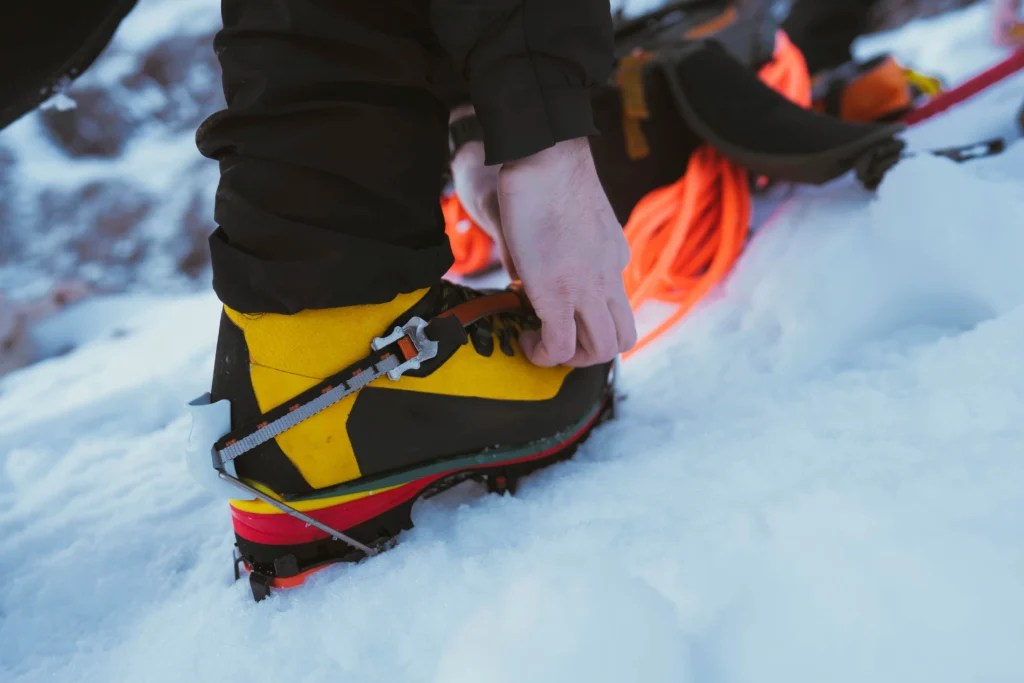
In the event of a skiing accident, acting quickly and calmly is vital. Here’s what you should do immediately:
1. Stay Calm and Assess the Situation
Your first instinct might be to panic, but staying calm is crucial. Assess yourself and others involved in the accident:
- Check for injuries: Look for signs of injury, including bleeding, fractures, or signs of concussion.
- Stop any bleeding: If necessary, use your first aid kit to control bleeding.
2. Call for Help
Time is of the essence in an emergency, and the sooner you call for help, the better. Here’s how to proceed:
- Alert ski patrol: If you or someone else is injured, call ski patrol immediately. Provide as much information as possible, including the location of the accident and the severity of the injury.
- Use your phone or walkie-talkie: If you’re near a ski patrol station, ski down to get help. Otherwise, use your phone or walkie-talkie to communicate with others.
3. Don’t Move the Injured Person (Unless Necessary)
If someone has sustained a serious injury, such as a head, neck, or back injury, do not move them unless it’s absolutely necessary. Moving an injured person can make the situation worse.
- Keep them still: If you’re unable to prevent further movement, support the head and neck until professional help arrives.
4. Provide First Aid
If you’re trained in first aid, administer basic care until help arrives:
- CPR: If the person is unconscious and not breathing, administer CPR and continue until help arrives.
- Shock treatment: Keep the person warm, elevate their feet, and reassure them while you wait for professional help.
Skiing Injuries and How to Handle Them
Different skiing injuries require different responses. Here’s how to handle some of the most common injuries you may encounter:
1. Fractures and Sprains
Fractures and sprains are common skiing injuries. Here’s how to respond:
- Immobilize the limb: Use a ski pole or any nearby object to stabilize the limb.
- Control pain: Use pain relievers from your first aid kit, and make sure the injured person stays as still as possible.
2. Head Injuries
Head injuries are particularly serious, and should always be treated with extreme care:
- Concussion signs: Look for dizziness, nausea, confusion, or loss of consciousness.
- Do not remove the helmet: If the skier is wearing a helmet, leave it on to prevent further injury.
3. Spinal Injuries
Spinal injuries can lead to paralysis or long-term damage, so it’s important to be cautious:
- Don’t move the injured person: Keep the individual as still as possible, especially if there is any suspicion of a spinal injury.
- Call for immediate medical help: Spinal injuries require urgent professional care.
FAQ: What Every Skier Should Know About an Emergency Plan
Q1: How do I call for help on the slopes?
A1: You can call ski patrol using your cell phone, or head to the nearest ski patrol station. Always have the resort’s emergency contact numbers saved in your phone.
Q2: What should I do if I witness someone else’s injury?
A2: Stay calm, assess the injury, and call for help immediately. If you’re trained in first aid, administer basic care until ski patrol arrives.
Q3: What should I carry in my emergency kit?
A3: Your kit should include bandages, pain relievers, antiseptic wipes, a whistle, and an emergency contact card. A multi-tool and portable charger are also important.
Q4: Can I move an injured skier?
A4: Unless the skier is in immediate danger (e.g., on a slope with other skiers coming down), do not move an injured skier. Wait for professional help to arrive.
Conclusion: Stay Safe, Ski Smart
Skiing is an incredibly exciting and rewarding sport, but it’s crucial to approach it with caution and preparation. By having a well-thought-out emergency plan in place, you’ll be equipped to handle any situation that comes your way. Whether it’s carrying the right gear, knowing how to respond to an injury, or simply staying aware of your surroundings, every skier should prioritize safety. The slopes are meant to be enjoyed, but only if you’re prepared for the unexpected.
So, before your next trip to the slopes, take a moment to review your emergency plan, pack the necessary supplies, and ski with confidence, knowing that you’re ready for anything that comes your way.
Call to Action: Don’t wait for an emergency to figure out your plan. Review these safety tips, prepare your emergency kit, and make sure your loved ones know where you’ll be skiing. With the right preparation, you can enjoy every moment on the slopes with confidence and peace of mind. Stay safe, ski smart!