
The Three Gorges Dam in China is one of the most ambitious engineering projects ever built in human history. Stretching across the Yangtze River, it represents a powerful combination of technology, energy production, and large-scale water management. Over the years, it has become a global symbol of modern infrastructure—but also a subject of debate regarding environmental and social impact. In today’s world, where climate change and energy demands are increasing, the dam continues to play a critical role in shaping discussions about renewable energy and sustainable development.
What is the Three Gorges Dam?
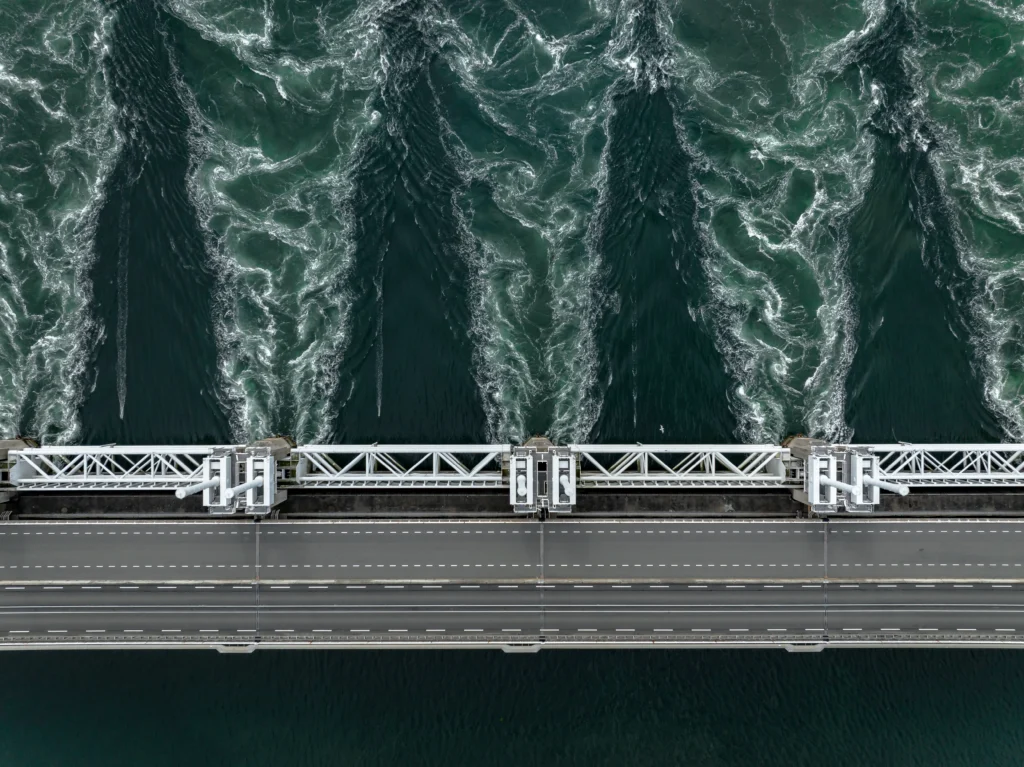
The Three Gorges Dam is a massive hydroelectric gravity dam located in Hubei Province, China, built across the Yangtze River, one of the longest rivers in the world. Construction began in the 1990s and took nearly two decades to complete, officially becoming fully operational in 2012.
The main purpose of the dam is to generate hydroelectric power, but its design also includes two other critical functions: flood control and river navigation improvement. The Yangtze River has historically been prone to devastating floods, causing massive loss of life and economic damage. The dam was designed to reduce these risks by controlling water flow during heavy rainfall seasons.
From a technical perspective, the project is considered one of the largest engineering feats ever completed. It features thousands of meters of concrete structure, a massive reservoir stretching hundreds of kilometers, and one of the most powerful hydroelectric generation systems in the world.
Beyond its physical scale, the dam also represents China’s rapid industrial and technological growth in the late 20th and early 21st centuries. It stands as a symbol of national development and engineering ambition on a global stage.
Energy Production and Economic Importance
One of the most significant contributions of the Three Gorges Dam is its energy production capacity. It generates enormous amounts of electricity through hydroelectric turbines, making it one of the most powerful energy facilities on Earth.
This renewable energy source plays a major role in reducing reliance on fossil fuels, particularly coal, which has traditionally been a dominant energy source in China. By producing large-scale clean electricity, the dam helps reduce greenhouse gas emissions and supports the country’s transition toward more sustainable energy systems.
Economically, the dam supports industrial development by providing a stable and reliable energy supply. Factories, cities, and infrastructure projects benefit from the consistent electricity generated by the dam. This reliability is crucial in a country with a rapidly growing economy and population.
Additionally, the dam contributes to improved river transportation. The controlled water levels of the Yangtze River make it easier for cargo ships to travel, boosting trade and reducing transportation costs. This has helped strengthen economic activity in regions connected to the river system.
However, while the economic benefits are significant, they also come with complex trade-offs that continue to be debated by experts and environmentalists.
Flood Control and Environmental Management
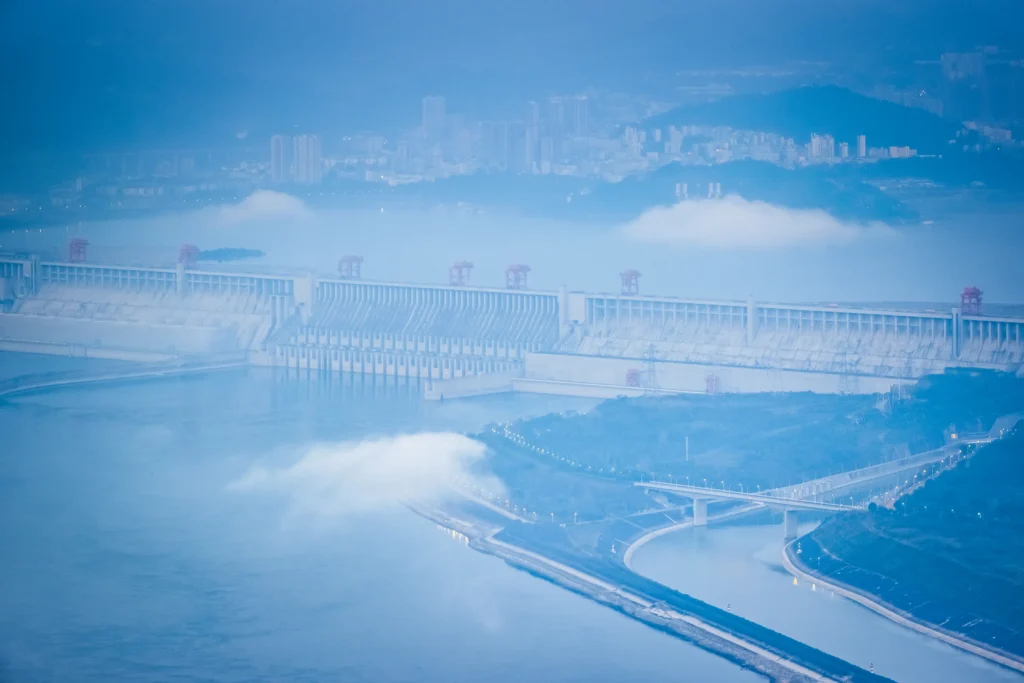
Flood control is one of the original and most important reasons for building the Three Gorges Dam. The Yangtze River has a long history of catastrophic flooding events, some of which have resulted in thousands of deaths and widespread destruction of farmland and cities.
The dam helps regulate the flow of water during heavy rainfall, reducing the risk of sudden flooding downstream. By storing excess water in its massive reservoir, it can release water gradually when conditions are safer. This system has significantly improved flood management in the region.
However, controlling such a large and dynamic river system is not without challenges. Weather patterns are becoming more unpredictable due to climate change, with periods of both extreme drought and heavy rainfall affecting water levels. These fluctuations require constant monitoring and careful operational decisions to maintain balance between safety, energy production, and ecological stability.
Environmental management is another critical aspect of the dam’s function. The creation of the reservoir changed the natural flow of the river, affecting sediment distribution, fish populations, and surrounding ecosystems. While some mitigation efforts have been introduced, environmental concerns remain an ongoing topic of scientific research and policy discussion.
Social Impact, Challenges, and Global Debate
While the Three Gorges Dam is widely recognized as an engineering success, it has also generated significant controversy. One of the most serious social impacts was the displacement of more than a million people during its construction. Entire towns and villages were relocated to make way for the reservoir, leading to long-term social and cultural disruption.
In addition to human displacement, there are ongoing concerns about environmental consequences. Changes in river flow have affected biodiversity, soil stability, and aquatic ecosystems. Some scientists also warn about potential geological risks, such as landslides in areas surrounding the reservoir due to rising water levels and changing land conditions.
Another challenge is sediment buildup. Over time, rivers naturally carry sediment downstream, but large dams can trap this sediment, potentially affecting water quality and reservoir capacity. Managing this issue requires continuous engineering solutions and monitoring.
Despite these concerns, the dam continues to be a key component of China’s infrastructure strategy. Supporters argue that its benefits—clean energy production, flood protection, and economic development—outweigh its drawbacks. Critics, however, emphasize the long-term environmental and social costs that may not be fully understood yet.
Globally, the Three Gorges Dam has become a case study in balancing development with sustainability. It raises important questions: How far should countries go to secure energy and control nature? And what is the true cost of large-scale infrastructure projects?
Conclusion
The Three Gorges Dam remains one of the most powerful and controversial engineering projects in the modern world. It provides clean energy, improves flood control, and supports economic development, yet it also brings environmental and social challenges that cannot be ignored. As climate change continues to reshape global water systems and energy needs, the dam will remain at the center of discussions about the future of sustainable infrastructure.
Ultimately, the Three Gorges Dam is more than just a structure—it is a symbol of human ambition, progress, and the complex relationship between technology and nature.
Table of Contents
New GLP-1 Receptor Agonists: Weight Loss Revolution! – trendsfocus