
High blood pressure, also known as hypertension, is one of the most common yet dangerous health conditions in the modern world. What makes it particularly concerning is not just its frequency, but its ability to develop quietly over time without obvious symptoms. Millions of people live with it every day without realizing the long-term damage it may be causing to their heart, brain, kidneys, and overall body.
In recent years, health experts have renewed global attention on hypertension due to rising cases across all age groups, including younger adults. Changes in lifestyle, stress levels, poor diet habits, and lack of physical activity are all contributing factors. At the same time, new research and medical advancements are improving how we detect and manage this condition.
Understanding high blood pressure is no longer optional — it is essential for long-term health and prevention. In this article, you will learn what hypertension is, why it happens, how it affects your body, and what you can do to control it effectively.
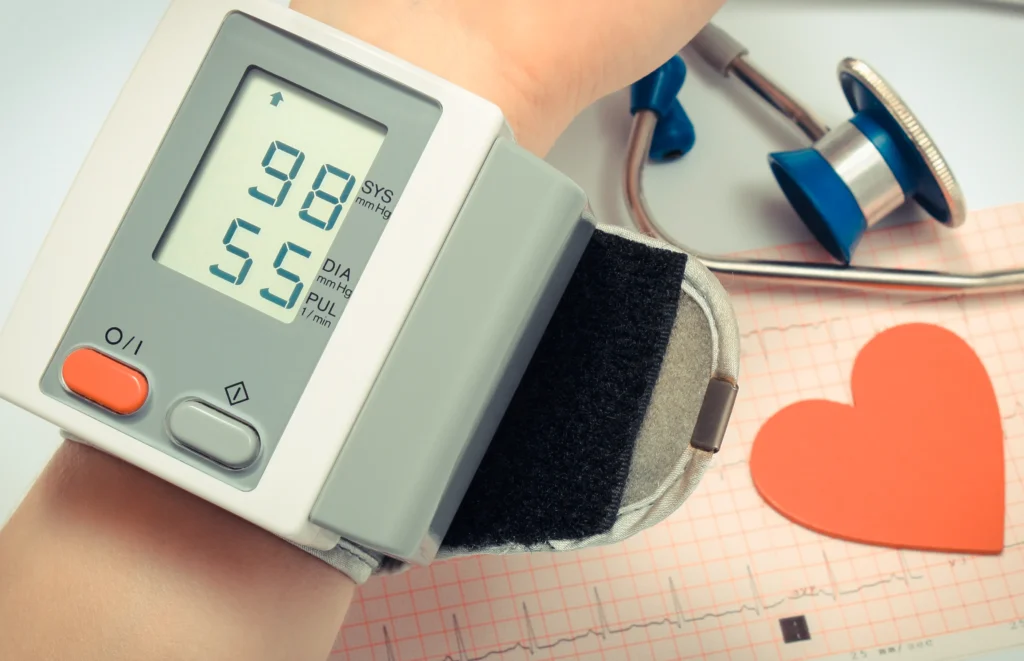
What Is High Blood Pressure and Why It Happens
High blood pressure occurs when the force of blood pushing against the walls of your arteries is consistently too high. Over time, this extra pressure makes your heart work harder than normal, which can lead to serious health problems.
Blood pressure is measured using two numbers:
- Systolic pressure (top number): pressure when your heart beats
- Diastolic pressure (bottom number): pressure when your heart rests between beats
A normal reading is usually around 120/80 mmHg. When these numbers rise consistently above normal levels, it indicates hypertension.
Common causes of high blood pressure include:
- Excess salt intake in daily diet
- Lack of physical activity
- Obesity or being overweight
- Chronic stress and anxiety
- Smoking or alcohol consumption
- Genetic or family history factors
- Poor sleep quality
In many cases, hypertension develops gradually due to a combination of lifestyle and genetic factors. That is why it is often called a “silent condition” — because it builds up without obvious warning signs.
The Hidden Dangers of Untreated Hypertension
One of the biggest risks of high blood pressure is that it can silently damage the body for years before being detected. Many people only discover the condition after a serious health event occurs.
When blood pressure remains high over time, it can damage blood vessels and organs, leading to severe complications.
Major health risks include:
- Heart disease: The heart becomes overworked, increasing the risk of heart failure
- Stroke: High pressure can cause blood vessels in the brain to burst or become blocked
- Kidney damage: The kidneys struggle to filter blood properly
- Vision loss: Blood vessels in the eyes can become damaged
- Cognitive decline: Long-term hypertension is linked to memory problems and dementia
What makes hypertension especially dangerous is that many people feel completely normal while damage is already occurring inside their body. This is why regular blood pressure checks are critical, even if you feel healthy.
Symptoms, Detection, and Why Regular Monitoring Matters
High blood pressure is often called a “silent killer” because it usually does not show clear symptoms in its early stages. However, in some cases, people may experience warning signs when it becomes more severe.
Possible symptoms include:
- Frequent headaches
- Dizziness or blurred vision
- Shortness of breath
- Chest discomfort
- Nosebleeds (in severe cases)
However, these symptoms are not reliable indicators. Many people with dangerously high blood pressure feel nothing at all.
The importance of monitoring
The only accurate way to know your blood pressure is through regular measurement. This can be done:
- At home using a digital blood pressure monitor
- At pharmacies or clinics
- During routine medical check-ups
Health experts now recommend that adults check their blood pressure regularly, even without symptoms. Early detection can prevent serious complications and allow for timely treatment or lifestyle changes.
How to Control and Prevent High Blood Pressure Naturally
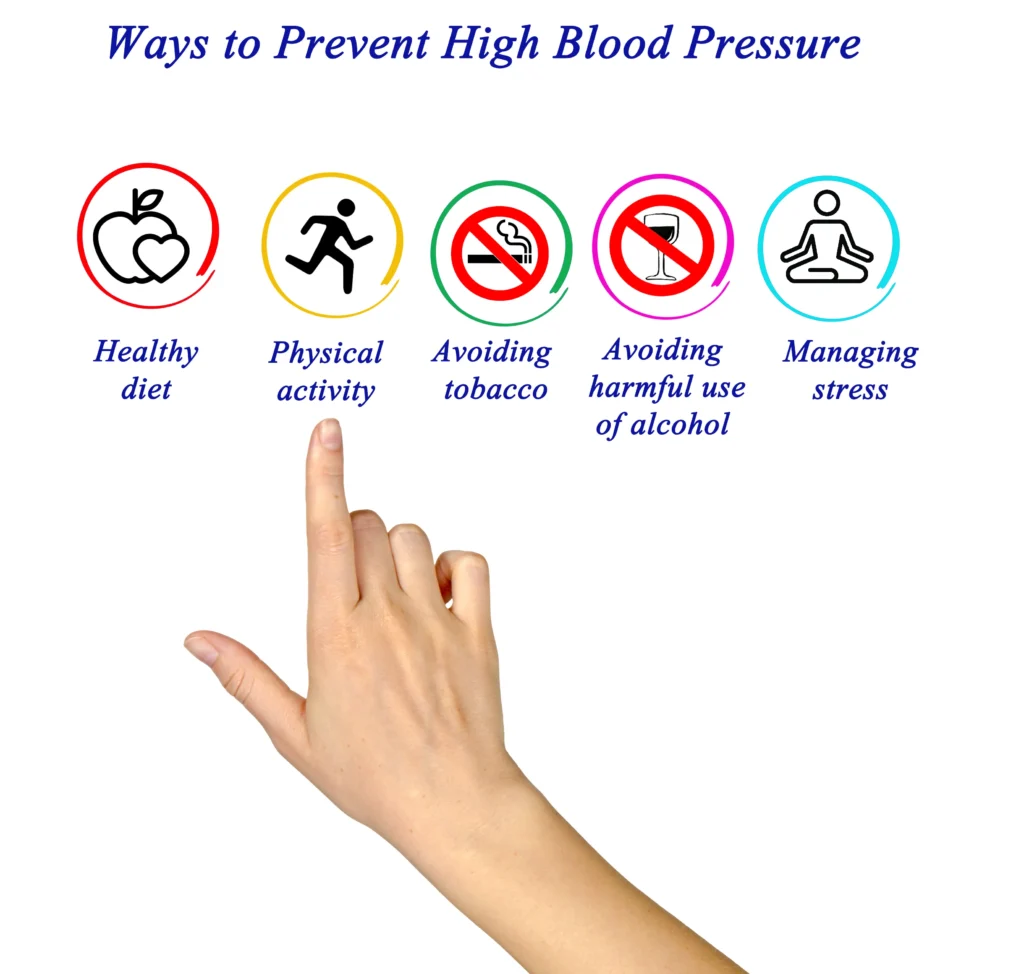
The good news is that high blood pressure can often be controlled and even prevented through lifestyle changes. While medication may be necessary in some cases, daily habits play a major role in managing the condition.
Key lifestyle changes include:
1. Improve Your Diet
- Reduce salt intake
- Eat more fruits and vegetables
- Choose whole grains over processed foods
- Limit sugary and fatty foods
A balanced diet helps reduce strain on your heart and improves overall circulation.
2. Stay Physically Active
Regular exercise strengthens your heart and improves blood flow. Even simple activities such as walking for 30 minutes a day can make a big difference.
Recommended activities:
- Walking
- Cycling
- Swimming
- Light cardio workouts
3. Manage Stress Levels
Chronic stress can raise blood pressure over time. Finding ways to relax is essential for heart health.
Helpful methods:
- Deep breathing exercises
- Meditation or mindfulness
- Spending time outdoors
- Reducing overwork and screen time
4. Avoid Harmful Habits
Certain habits can significantly increase blood pressure.
- Smoking damages blood vessels
- Excess alcohol raises pressure levels
- Poor sleep affects heart regulation
Reducing or eliminating these habits can dramatically improve your health.
Conclusion: Take Control of Your Heart Health Today
High blood pressure may be common, but it should never be ignored. It develops silently, often without symptoms, yet its effects on the body can be serious and long-lasting. The key to protecting yourself is awareness, prevention, and consistent monitoring.
By making simple lifestyle changes — improving your diet, staying active, managing stress, and avoiding harmful habits — you can significantly reduce your risk and protect your heart for the future.
Your health is in your hands. Start today, because every small step you take now can lead to a healthier and longer life tomorrow.
Table of Contents
Aging Brain: New Discoveries to Keep Your Mind Sharp – trendsfocus