
In a world where security challenges are constantly evolving, South Korea is taking decisive steps to ensure its national defense remains strong and adaptable. This year, the country has officially launched its annual defense drills, designed to enhance the integrated military posture of its armed forces.
These exercises are more than routine military training—they are a reflection of South Korea’s commitment to preparedness, modernization, and regional stability. By combining all branches of the military with advanced technology and realistic combat scenarios, these drills aim to prepare troops for any situation, from conventional threats to emerging cyber and technological challenges.
This article will explore the key aspects of South Korea’s defense drills, their objectives, the role of modern technology, regional implications, and why they are critical to national and regional security.
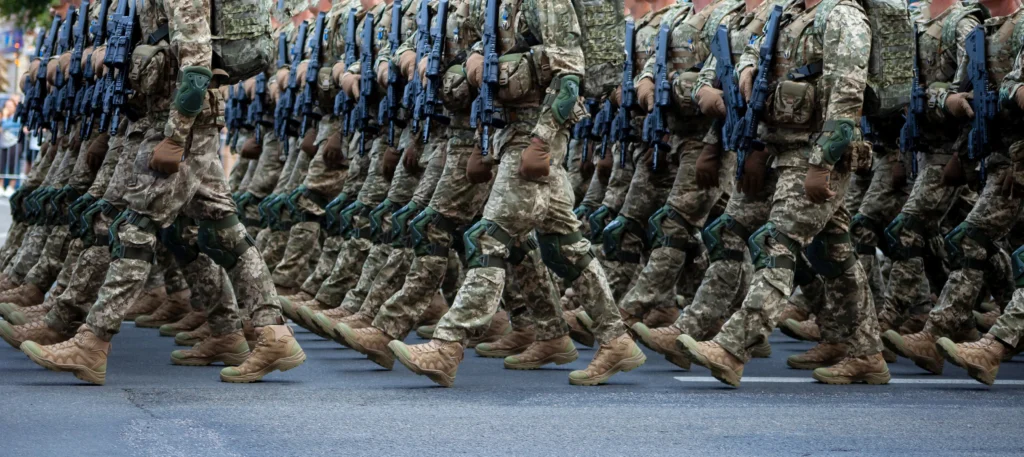
Understanding South Korea’s Annual Defense Drills
South Korea’s annual military exercises are a comprehensive series of training operations involving the army, navy, air force, and cyber units. These drills are designed to simulate real-world scenarios and test the country’s ability to respond efficiently to various threats.
Unlike standard training, these exercises focus on joint operations, ensuring that different branches of the military can work seamlessly together. This integration allows for rapid decision-making, effective communication, and coordinated responses in high-pressure situations.
The drills cover a wide range of objectives, including combat readiness, rapid deployment, emergency response, cyber defense, and coordination with civil agencies. This holistic approach ensures that the military can adapt to both traditional and modern forms of conflict.
Key Features and Objectives of the Drills
The annual exercises are carefully planned to achieve multiple strategic goals. Here are some of the key features and objectives:
1. Integrated Military Coordination
The drills emphasize coordination among all branches of the military. This includes joint maneuvers, communication exercises, and coordinated response strategies. The goal is to ensure that every unit can operate effectively in combination with others, which is crucial during emergencies or large-scale conflicts.
2. Rapid Response and Readiness
Rapid deployment is a core focus. Troops practice moving quickly to respond to potential threats, whether they are localized incidents, border tensions, or larger-scale security challenges. These exercises test logistics, decision-making, and operational efficiency, preparing the military to act without delay.
3. Modern Technology Integration
Modern warfare is increasingly dependent on technology, and South Korea’s drills reflect this trend. Drone operations, surveillance systems, cyber defense simulations, and advanced communication networks are integrated into the exercises. This ensures that soldiers are prepared for scenarios where technology plays a pivotal role.
4. Civil-Military Collaboration
The drills also involve collaboration with civil agencies, such as police, emergency services, and firefighting units. This integration ensures that both military and civilian systems can work together effectively during crises, whether for natural disasters, infrastructure threats, or security incidents.
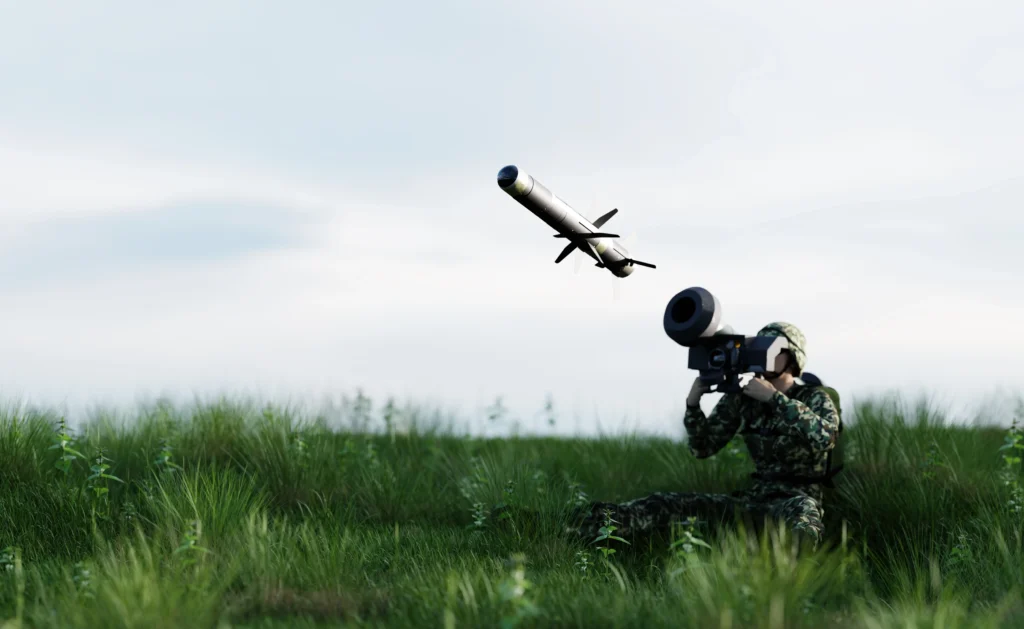
Enhancing Preparedness Through Technology
Technology has become a defining factor in modern military operations, and South Korea is leveraging it to improve preparedness.
Advanced Surveillance and Drones
The use of drones and advanced surveillance systems allows for real-time monitoring of simulated battlefields. These tools enhance situational awareness, providing commanders with critical data to make fast, informed decisions.
Cyber Defense Capabilities
As threats evolve beyond physical borders, cyber defense has become a priority. The drills incorporate simulations of cyber attacks on critical infrastructure, testing the military’s ability to detect, respond to, and neutralize digital threats.
Realistic Combat Simulations
Troops participate in high-pressure exercises that mimic real-world scenarios. From urban warfare to defending key infrastructure, these simulations help soldiers practice strategy, coordination, and quick decision-making under realistic conditions.
By integrating these technological and strategic elements, the military ensures that it remains prepared for any situation, combining traditional combat skills with modern operational capabilities.
Regional and Strategic Implications
South Korea’s annual defense drills are closely watched by neighboring countries, sending clear messages about readiness and deterrence.
Demonstrating Strength and Readiness
While the exercises are defensive in nature, they signal the military’s ability to respond effectively to potential threats. This reassurance strengthens national security and acts as a deterrent to aggression.
Maintaining Regional Stability
By showcasing coordinated military capabilities and technological integration, South Korea contributes to regional stability. These exercises indicate that the country is capable of handling emergencies, conflicts, or disruptions while maintaining peace in the region.
International Collaboration
Occasionally, elements of these drills involve coordination with allies, enhancing interoperability and joint response strategies. This collaboration ensures that South Korea can operate effectively in coalition operations if needed.
The Future of South Korea’s Military Preparedness
The annual drills are not only about immediate readiness—they are also a platform for modernizing the military and preparing for the future of defense.
Continuous Improvement
Each year, lessons learned from previous drills are applied to improve strategies, training methods, and technology integration. This iterative approach ensures that the military evolves to meet emerging threats.
Emphasis on Technology and Innovation
Future exercises are expected to include even more advanced technologies, such as artificial intelligence for threat analysis, autonomous systems for reconnaissance, and enhanced cyber defense platforms.
Preparing the Next Generation of Soldiers
These drills also serve as a training ground for developing leadership, decision-making skills, and adaptability among troops. By practicing in realistic, high-pressure scenarios, soldiers gain experience that will prepare them for future challenges.
Conclusion
South Korea’s annual defense drills are a vital component of the country’s national security strategy. By combining joint operations, advanced technology, and realistic simulations, these exercises strengthen military readiness, enhance coordination across branches, and ensure the country is prepared for both conventional and emerging threats.
The drills also reinforce South Korea’s commitment to regional stability, demonstrating that it can respond effectively to crises while protecting national interests. As the military continues to modernize and integrate new technologies, these annual exercises will remain a cornerstone of defense strategy, shaping the future of South Korea’s armed forces and ensuring security in a complex and evolving world.
Table of Contents
Korean military launches annual Hwarang defense drills – The Korea Times
Tesla Autopilot: Revolutionizing the Way We Drive – trendsfocus