
For more than six decades, The Second City has been synonymous with laughter, creativity, and cultural influence. Founded in Chicago in 1959, it has launched the careers of comedy legends like Bill Murray, Tina Fey, and Steve Carell.
In 2026, Second City is undergoing a transformation that is reshaping its identity while honoring its historic roots. From evolving Mainstage shows to fully improvised performances and an emphasis on discovering new voices, the company is proving that live comedy remains as relevant—and thrilling—as ever. In this article, we dive into the latest developments, exploring how Second City is continuing to influence audiences, performers, and the comedy world at large.

The Legacy and Influence of Second City
Second City isn’t just a theater—it’s a cultural institution. Over the decades, its influence has extended beyond the stage, shaping modern comedy across television, film, and digital platforms. The organization has cultivated a unique approach to humor that blends improvisation, satire, and sharp social commentary.
Many of today’s comedy icons trace their roots back to Second City. Its training programs, workshops, and Mainstage performances have produced generations of performers who carry its improvisational philosophy into every corner of entertainment. Even as media and audience habits change, the Second City approach—spontaneous, collaborative, and adaptive—remains a gold standard.
This legacy also explains why Second City continues to attract audiences decades after its founding. People come not only to see great comedians but also to witness a living, breathing creative process that evolves nightly on stage.
Evolving Performances: Shows That Change Nightly
One of the most exciting aspects of Second City today is its commitment to dynamic, ever-changing performances. Unlike traditional theater, many of the Mainstage shows now adjust their content regularly to reflect current events, audience energy, and new creative ideas.
Performers draw inspiration from the news, pop culture, and the audience’s reactions, ensuring that no two shows are ever identical. This approach creates a sense of immediacy and connection with the audience that can’t be replicated by pre-recorded or scripted content.
This shift toward constant evolution also challenges the performers themselves. It demands creativity, quick thinking, and a deep understanding of both comedy and human behavior. As a result, audiences are treated to a form of entertainment that feels spontaneous, authentic, and highly engaging.
A Return to Pure Improv
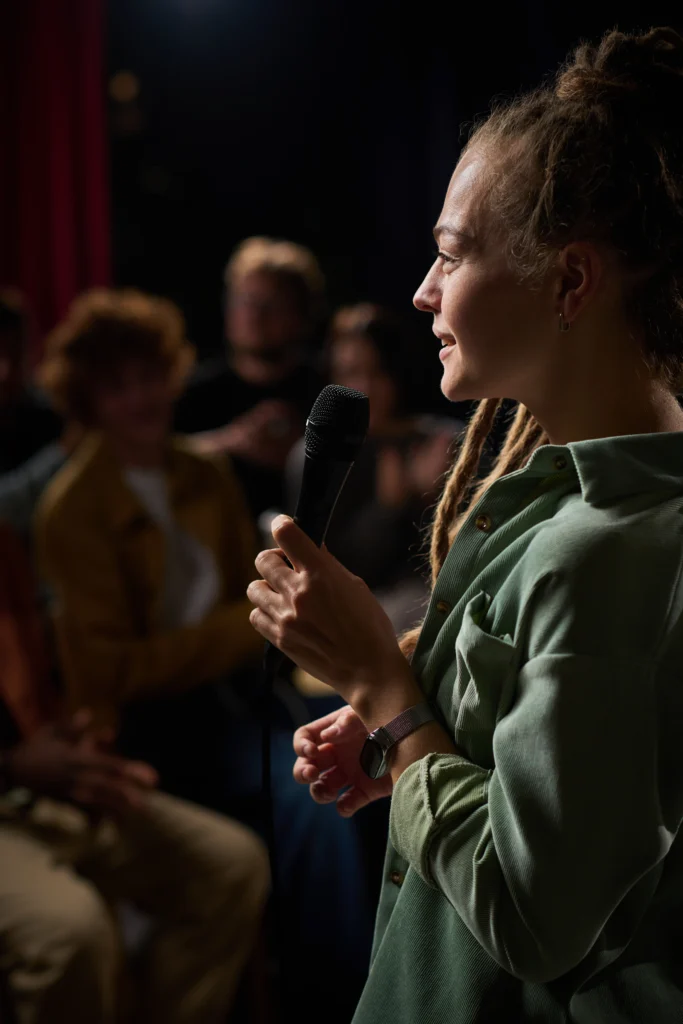
While Second City has always been known for its sketch comedy, 2026 marks a renewed focus on pure improvisation. Some theaters, particularly the experimental e.t.c. stage, are presenting completely unscripted shows that are built on-the-spot.
This return to improvisation aligns with a growing audience demand for authentic, interactive entertainment. In a world dominated by digital content and highly produced media, live improv feels refreshingly human. It’s unpredictable, emotional, and often hilarious, offering a communal experience that viewers can’t get anywhere else.
For performers, this approach also provides creative freedom. They can explore new comedic directions, respond to current events in real time, and interact directly with audiences. For audiences, it means every show is a once-in-a-lifetime experience—a unique performance that will never be repeated exactly the same way.
Nurturing New Voices and Diversity
A critical part of Second City’s evolution in 2026 is its focus on diversity and talent development. Programs like upgraded fellowships and training initiatives are creating opportunities for underrepresented voices in comedy.
These programs are designed to equip emerging comedians with the skills, confidence, and stage experience needed to succeed in the industry. By actively fostering new talent, Second City ensures that its performances remain fresh, inclusive, and relevant to today’s audiences.
This emphasis on diversity doesn’t just reflect social progress—it also enhances the creative output. Different perspectives bring unique storytelling approaches, sharper satire, and a broader range of humor. Audiences benefit from a richer, more varied comedy experience, while the organization secures its future as a leader in the entertainment world.
Leadership Changes and the Future of Second City
Alongside its on-stage innovations, Second City has also undergone significant leadership changes. These transitions signal a forward-looking approach, combining respect for the organization’s storied past with a vision for expansion and modernization.
New leadership is exploring strategies to broaden Second City’s reach through digital platforms, global partnerships, and corporate training programs. The latter has become increasingly important, as improv techniques are now applied to business settings for creativity, communication, and teamwork.
These developments show that Second City isn’t resting on its legacy—it’s actively shaping the future. By blending innovation with tradition, it remains a cornerstone of comedy and a hub for creative expression worldwide.

Conclusion
Second City in 2026 is a powerful reminder that live comedy is more than entertainment—it’s a dynamic, evolving art form. Through ever-changing shows, bold improvisation, a commitment to new talent, and visionary leadership, the organization continues to set the standard for the comedy world.
Whether you’re an aspiring performer, a longtime fan, or a first-time audience member, experiencing Second City today means witnessing creativity in action. It’s proof that laughter, when paired with innovation and courage, will always find its place on the stage.
Table of Contents
Euphoria Season 3: A Bold New Era for the Hit HBO Series – trendsfocus