
LaGuardia Airport is once again in the spotlight after a major incident that has drawn national attention and raised fresh questions about air travel safety. Airports are designed to function with precision, structure, and strict communication between pilots, air traffic controllers, and ground crews. Yet even in highly controlled environments, unexpected events can lead to serious consequences. That is why any major disruption at a busy airport like LaGuardia immediately becomes more than just a local story. It becomes a national conversation.
The latest news surrounding LaGuardia Airport has sparked concern among travelers, airline professionals, and safety experts alike. What happened there is not just another airport delay or routine emergency response. It is a reminder that the aviation industry depends on perfect timing, constant awareness, and flawless coordination. When one part of that system breaks down, the effects can be devastating.
This incident has also reminded the public that aviation safety is not only about what happens in the sky. Some of the most critical moments in air travel happen on the ground, especially during takeoff, landing, taxiing, and emergency operations. With LaGuardia being one of the busiest airports in the United States, even a single event can create ripple effects that touch thousands of travelers and trigger deeper questions about how airports manage pressure, emergencies, and safety at the same time.
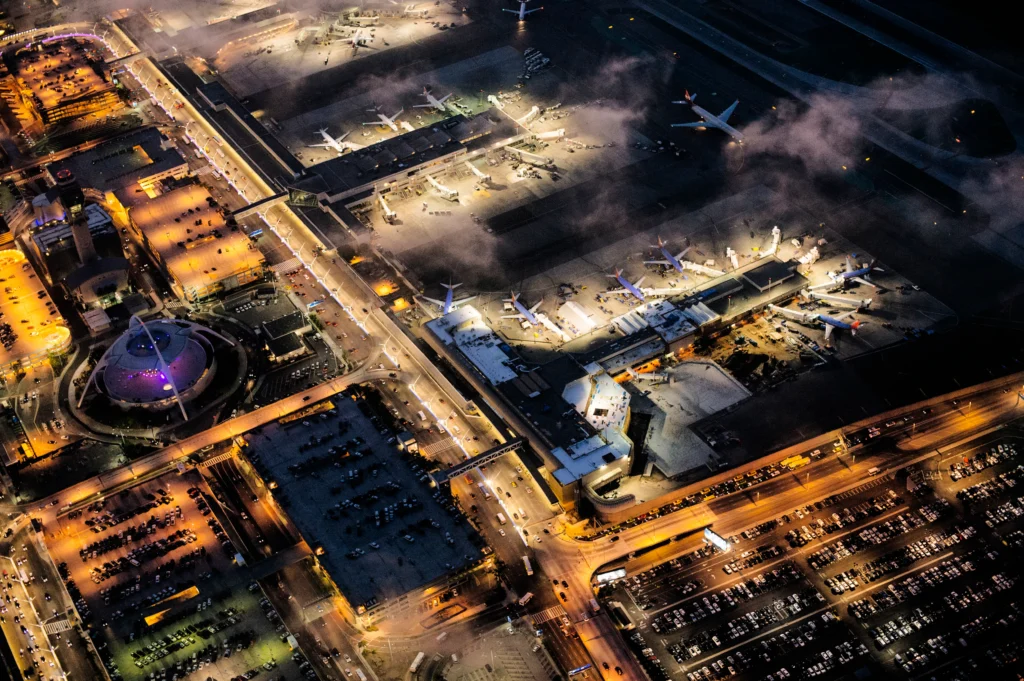
What Happened at LaGuardia Airport
The recent news from LaGuardia Airport centers on a serious runway-related incident involving a passenger aircraft and an emergency vehicle. The event unfolded during what should have been a routine landing, but instead quickly turned into a tragic and highly disruptive airport emergency. The aircraft had been arriving with passengers and crew on board, and within moments of touchdown, the situation escalated into a collision that stunned everyone following the story.
What makes this event especially alarming is that it did not occur during extreme weather or because of a dramatic in-air emergency. Instead, it happened during airport ground operations, which are usually tightly controlled and carefully coordinated. Ground activity at major airports involves constant communication between aircraft, air traffic control, maintenance teams, service vehicles, and emergency responders. Every vehicle movement and runway crossing is supposed to be monitored with precision. That is why incidents like this stand out so sharply.
The collision caused severe damage and led to loss of life, injuries, and immediate chaos at the airport. Emergency crews rushed to respond, airport operations were heavily disrupted, and travelers were left stranded or delayed as officials shut down parts of the airport and launched an urgent response. For many people, the event was shocking because airports are often seen as some of the safest and most organized transportation environments in the world. This incident shattered that sense of certainty.
As details continue to emerge, the story has become a major point of concern for both the aviation industry and the general public. People want to know how such an event could happen in such a controlled environment. They want answers about communication, safety procedures, and whether this tragedy could have been prevented. Those questions are now at the center of the conversation.
Why LaGuardia Airport Is So Important
To understand why this incident matters so much, it helps to understand the role LaGuardia Airport plays in the larger U.S. travel system. LaGuardia is one of the most important airports in the New York metropolitan area and serves millions of passengers every year. It handles a constant flow of domestic flights, business travelers, commuters, and tourists. Because of its location and traffic volume, it operates under intense pressure every single day.
Unlike some larger airports with more open space and longer runways, LaGuardia has long been known for operating in a compact and demanding environment. Aircraft movements are frequent, schedules are tight, and the airport must balance efficiency with safety in a very busy airspace. That means there is little room for error. Every landing, departure, taxi instruction, and runway crossing must happen with careful timing.
When something goes wrong at LaGuardia, the consequences can spread quickly. Flight schedules are disrupted, airline networks are affected, connecting travelers miss flights, and nearby airports can feel the impact. A serious incident there is never isolated. It creates problems not only for the people directly involved but also for airlines, airport staff, passengers, and transportation systems across the region.
That is one reason this latest news has attracted such broad attention. This is not simply a story about one airport accident. It is a story about stress, complexity, and risk in one of the nation’s busiest transportation hubs. It highlights the fact that airports like LaGuardia operate with almost no margin for error. When everything works, the system appears smooth and routine. But when something fails, the result can be immediate and tragic.
This also explains why the public is paying close attention to the investigation. People understand that what happened at LaGuardia could influence future safety procedures not only there but at airports across the country. Lessons learned from one incident often shape training, technology, and policy for the entire aviation sector.
The Bigger Safety Questions Raised by the Incident
The LaGuardia incident raises several serious safety questions that go beyond one airport and one moment in time. The first is about communication. In modern aviation, communication is one of the most important defenses against disaster. Pilots depend on air traffic control. Ground vehicles depend on clearance instructions. Emergency teams depend on rapid coordination. If there is any delay, misunderstanding, or overlap, the consequences can be severe.
The second major issue is runway safety. Runways are among the most sensitive and controlled spaces at any airport. They are meant to be protected from conflicts because aircraft landing or taking off have limited time to react. When an aircraft and a vehicle somehow end up in the same space at the same time, it immediately points to a failure somewhere in the system. That failure might involve procedures, timing, technology, visibility, or human decision-making. Investigators will likely study all of these factors closely.
Another important issue is how airports handle overlapping emergencies. If airport staff were already responding to one urgent situation while another aircraft was arriving, then the environment may have become more complex in a matter of seconds. Aviation systems are often tested most severely not during normal operations, but during moments when multiple problems happen at once. That is when procedures, training, and leadership become most critical.
There is also the question of whether current technology is enough. Many airports use advanced systems to track aircraft and vehicle movement on the ground, issue alerts, and support controller awareness. But technology is only useful if it is functioning properly and if humans respond to it effectively. Even the best systems cannot fully replace judgment, coordination, and situational awareness.
The public reaction to the LaGuardia news reflects growing concern about aviation safety in general. Many travelers have become more aware of near-misses, runway incidents, and close calls in recent years. Each new event adds to that concern, especially when it happens at a major airport. People want reassurance that air travel remains safe and that lessons are being learned from every serious incident.
At the same time, it is important not to jump to conclusions before the full investigation is complete. Major aviation incidents require detailed review, technical analysis, and careful reconstruction of the timeline. The final answers may take time. Still, even before the full findings are released, it is already clear that this event will renew national attention on runway safety and emergency coordination.
What This Means for Travelers and the Future of Air Travel
For travelers, the immediate impact of the LaGuardia incident is practical as well as emotional. Airport disruptions can mean canceled flights, long delays, missed connections, and sudden travel uncertainty. Passengers flying through LaGuardia or nearby airports may need to adjust plans, check airline alerts, and prepare for schedule changes. In the short term, that is the most visible effect of the incident.
But the longer-term meaning is much bigger. Events like this shape public trust in air travel. Most people accept that flying is generally safe, but that confidence depends on the belief that the aviation system learns from failure and improves after tragedy. Every investigation, every safety review, and every procedural change matters because it helps rebuild that trust.
The aviation industry will likely respond by examining procedures, reviewing communication protocols, and asking whether more safeguards are needed. Airport authorities may revisit how emergency vehicles access runways. Airlines may review cockpit awareness and approach protocols. Regulators may take a closer look at how busy airports manage high-pressure situations. Even if no major rule changes happen immediately, internal reviews alone can influence future safety practices.
This incident also serves as a reminder that safety is never something the aviation sector can take for granted. It is not a finished achievement. It is an ongoing process that requires constant attention, regular training, updated technology, and strong leadership. Airports are dynamic environments. Conditions change quickly, and systems must be ready for both routine operations and unexpected emergencies.
For the public, the most important thing now is transparency. People want facts, accountability, and a clear explanation of what happened. They also want to know what will change going forward. Those are reasonable expectations, especially after a major incident at a high-profile airport.
LaGuardia Airport will eventually return to normal operations, and flights will continue moving in and out as they always do. But this story will not disappear quickly. It has become a symbol of how even advanced transportation systems can face moments of failure. More importantly, it has become a call for deeper reflection on how airports protect lives in fast-moving, high-stakes environments.
In the end, the latest LaGuardia Airport news is not only about one tragic event. It is about the larger responsibility of the aviation industry to prevent similar incidents in the future. For travelers, airport workers, airline crews, and safety officials, that responsibility could not be more important.
Table of Contents
LaGuardia Airport closed following collision between Air Canada plane and airport vehicle
The 2026 Wildflower Boom Across the USA: A Season Like No Other – trendsfocus