
Traveling can already be a stressful experience, but for passengers passing through Hartsfield-Jackson Atlanta International Airport, recent reports show that TSA wait times are becoming a major concern. As one of the busiest airports in the world, Atlanta handles millions of travelers each year, and fluctuating security wait times have become a hot topic among frequent flyers and first-time travelers alike. Understanding what is happening at TSA checkpoints, when delays are most likely, and how to prepare can make the difference between a smooth journey and a missed flight.
In this article, we’ll break down the reasons behind the surge in TSA wait times at Atlanta Airport, highlight the peak periods to avoid, provide practical tips to make your experience easier, and explore what this means for travelers moving through one of the world’s largest air travel hubs.
Why TSA Wait Times Are Increasing
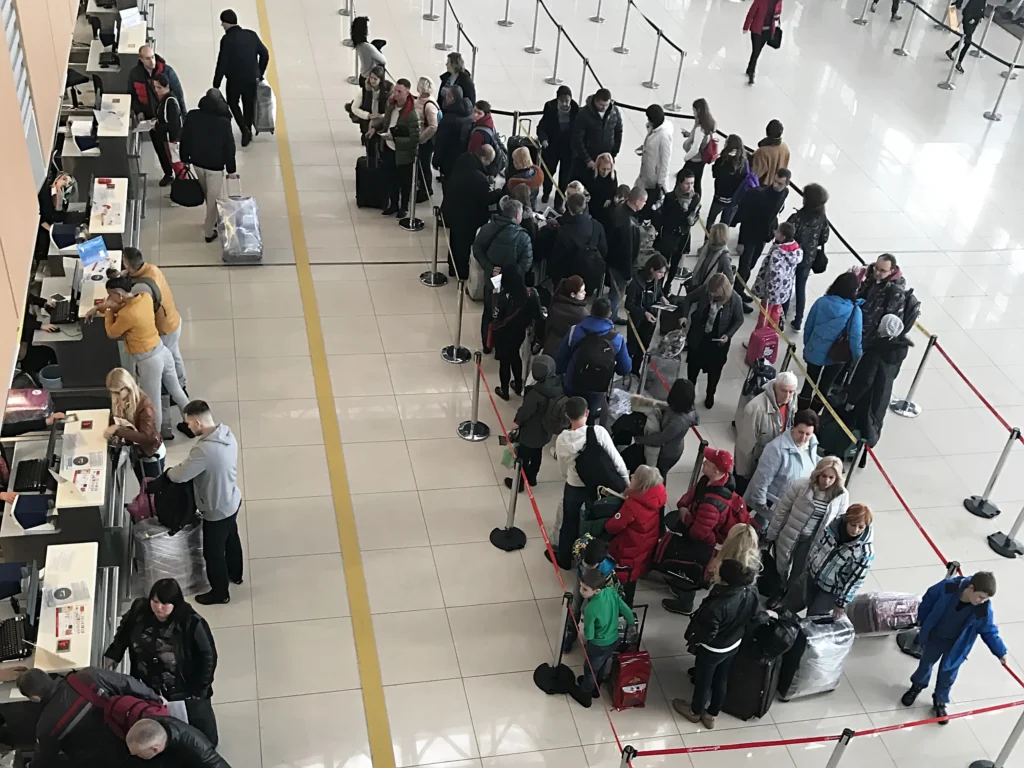
Several factors have contributed to the rise in TSA wait times at Atlanta Airport. The first and most obvious factor is the sheer volume of passengers passing through the airport each day. Atlanta consistently ranks as one of the world’s busiest airports, with millions of travelers connecting through its terminals annually. When passenger numbers spike—such as during holidays, long weekends, or major travel seasons—security lines naturally grow longer.
Another factor is staffing shortages. Security lines rely on adequate personnel to run screening lanes efficiently. When there aren’t enough agents on duty, lines can back up quickly, leaving passengers waiting far longer than usual. Even a few closed lanes can have a ripple effect throughout the terminal, causing delays for multiple flights.
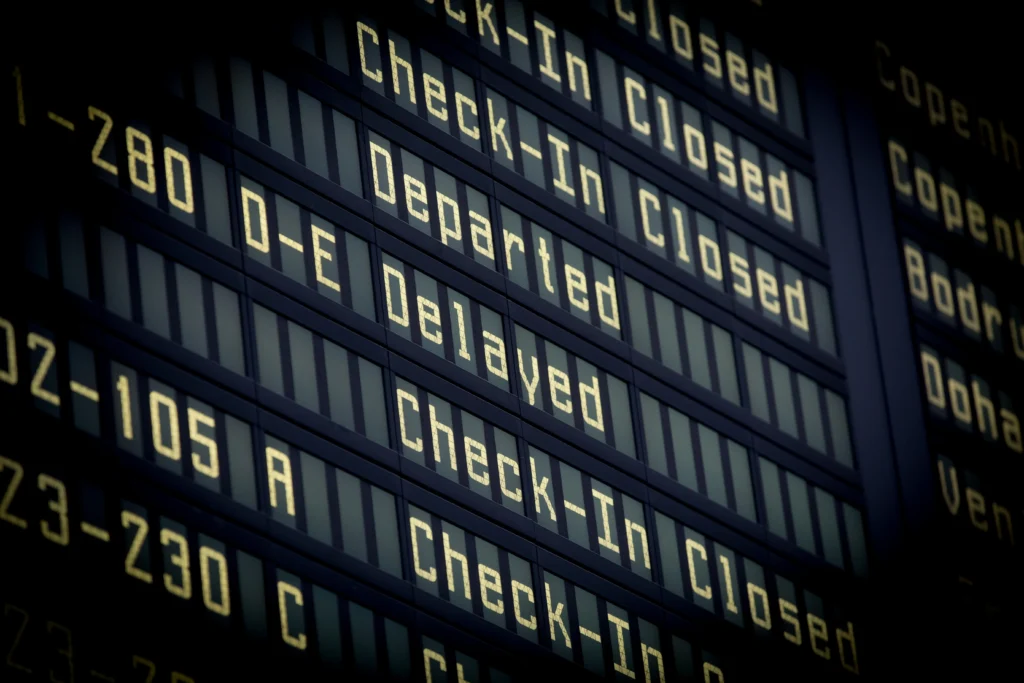
Finally, flight delays and disruptions also play a role. If incoming flights are delayed, passengers may arrive at the airport simultaneously for a condensed window of departures, overwhelming TSA checkpoints. Additionally, last-minute changes to flight schedules or gate assignments can lead to sudden surges in line length.
Together, these factors create unpredictable conditions, making it difficult for travelers to anticipate exactly how long they will spend in line. On some days, passengers may get through security in 15–20 minutes, while on others, lines can exceed an hour.
Peak Hours and Days to Watch
Understanding when TSA lines are likely to be the longest can help travelers plan better. Generally, the busiest times at Atlanta Airport include early mornings, late afternoons, and evenings, as well as weekends and holiday travel periods.
- Early mornings (5 AM – 9 AM): Many business travelers fly out during this time, creating significant traffic at security checkpoints.
- Late afternoons and evenings: Overlapping flight schedules and passengers trying to catch connecting flights often create bottlenecks.
- Holidays and long weekends: Families and vacationers increase the number of travelers significantly, sometimes doubling typical line lengths.
Even within these peak periods, fluctuations occur depending on airline schedules, flight cancellations, and local or national travel disruptions. While it’s impossible to predict every delay, arriving early and checking real-time updates can help you avoid the worst of the crowds.
Tips for Navigating Long TSA Lines
Even when wait times spike, there are several ways to make your airport experience smoother:
- Arrive Early: For domestic flights, plan to arrive 2–3 hours before departure. International travelers should give themselves 3–4 hours. Extra time reduces stress and gives you a buffer in case of unexpected delays.
- Use TSA PreCheck or CLEAR: If available, these programs allow you to skip standard security lines, keep shoes and belts on, and move through lanes faster. For frequent flyers, enrollment can save significant time over the long term.
- Prepare Your Documents: Have your ID and boarding pass ready before reaching the checkpoint. Delays often occur when passengers need to fumble with documents at the last moment.
- Organize Your Bags: Place laptops, liquids, and prohibited items in accessible positions to reduce delays during screening. Make sure liquids follow the 3-1-1 rule, and remove electronics for easy scanning.
- Monitor Updates: Many airports provide real-time updates on TSA wait times through apps or airport websites. Checking these before leaving home can help you avoid peak periods or reroute through less busy terminals.
- Stay Calm: Frustration can escalate stress for both passengers and staff. Staying patient and polite helps maintain a smoother process for everyone involved.
By following these steps, travelers can minimize the impact of long security lines and reduce the likelihood of missing flights.
What This Means for Travelers
TSA wait time surges at Atlanta Airport highlight the importance of planning ahead and being flexible. While delays are frustrating, understanding the causes and patterns behind them empowers travelers to adjust their schedules and expectations.
For business travelers, arriving early can mean the difference between making an important meeting and missing it. For vacationers, it ensures a smoother start to a well-deserved getaway. Families traveling with children may find that extra time at the airport reduces stress and prevents unnecessary anxiety during the screening process.
Moreover, the rise in wait times emphasizes the growing need for travelers to take advantage of programs like TSA PreCheck or CLEAR, especially at busy airports like Atlanta. These programs not only save time but also offer a more comfortable and predictable travel experience.
Even with long lines, Hartsfield-Jackson Atlanta International Airport remains a central hub connecting millions of travelers to destinations worldwide. Planning, patience, and preparation can help ensure that your journey remains as smooth as possible despite temporary challenges at security checkpoints.
Final Thoughts
In today’s fast-paced travel environment, knowing what to expect at the airport is critical. With TSA wait times on the rise at Atlanta Airport, arriving early, preparing your documents and bags, and staying informed about peak travel periods are essential strategies for any traveler.
While long lines can be frustrating, proactive planning can help you navigate the airport efficiently and minimize stress. Whether you’re traveling for business, vacation, or family visits, being prepared ensures that your journey starts on the right note.
By taking the time to plan ahead, you can turn what could be a stressful airport experience into a smooth and manageable start to your trip. Stay informed, stay calm, and give yourself extra time—your future self will
Table of Contents
20 US airports don’t have TSA. Passengers there are not seeing long lines | CNN
Flash Flooding in Oahu, Hawaii: A Growing Natural Disaster Crisis – trendsfocus