
In today’s digital world, news—both real and false—can spread across the internet at lightning speed. Social media platforms have made it easier than ever for information to go viral, but they have also created an environment where rumors and misunderstandings can quickly gain traction. One recent example involves a viral question that started circulating online: “Is Russell Brand dead?”
The rumor caught the attention of thousands of people across platforms like X (Twitter), Threads, Facebook, and Reddit. Fans of the comedian and actor began searching for confirmation, while others shared posts expressing shock and concern. Within hours, the claim had spread widely, leaving many unsure whether the news was real or simply another internet hoax.
The truth, however, is far less dramatic than the rumor suggested. The speculation appears to have started from a misunderstood social media post that quickly spiraled into a full-blown viral story. To understand how this rumor spread and why so many people believed it, it’s important to look at the events that triggered the confusion.
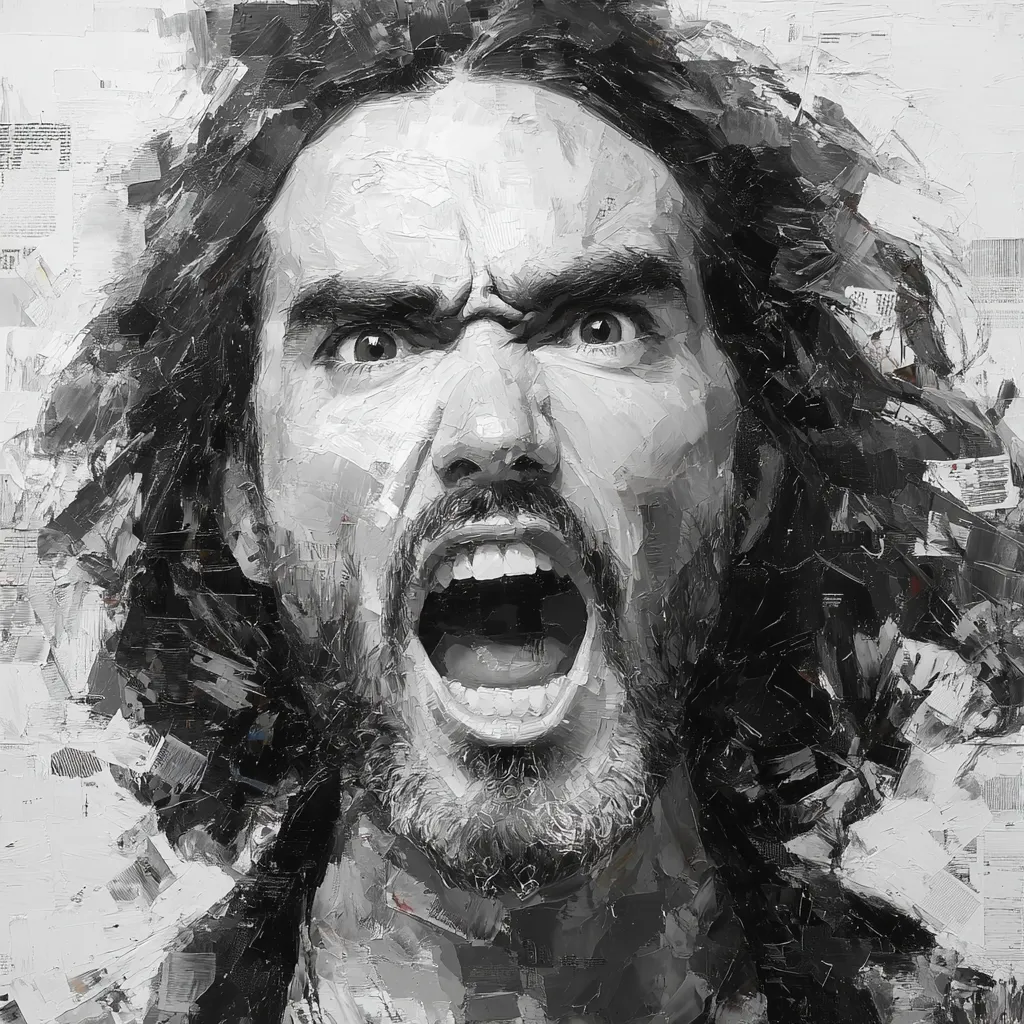
How the Rumor About Russell Brand Started
The viral rumor about Russell Brand appears to have originated from a social media post shared by political commentator Dan Bongino. The post contained an emotional message in which Bongino described experiencing one of the saddest days of his life. He concluded the message with the phrase, “May God rest your soul.”
What made the post confusing was that it included a photo featuring both Russell Brand and political activist Charlie Kirk. Because the message did not clearly state who it was referring to, readers quickly began speculating about the meaning behind it.
Some users assumed the message was about Russell Brand, especially since his face appeared prominently in the image. Screenshots of the post began circulating rapidly on social media, often without the original context. As a result, thousands of people began asking the same question online: “Did Russell Brand die?”
Once the rumor started trending, it spread even faster. Many people reshared the claim without checking whether it had been confirmed by reliable sources. In just a few hours, the story had transformed from a misunderstood post into a widely discussed topic.
The Truth: Russell Brand Is Alive
Despite the viral speculation, there is no credible evidence that Russell Brand has died. The comedian and actor is alive, and the rumor appears to be entirely based on a misunderstanding.
The confusion largely stemmed from the lack of clarity in the original post. Because the message did not explicitly mention a name, readers interpreted it differently. When people saw the image containing Russell Brand, many automatically assumed the tribute was directed at him.
Situations like this are common on social media, where messages are often shared without context. When a post is vague or emotional, readers may fill in the gaps themselves, sometimes leading to incorrect conclusions.
In the case of Russell Brand, the rumor gained momentum simply because it was repeated so many times online. The more people shared the claim, the more believable it appeared—even though no official statement or verified report supported it.
Why Celebrity Death Hoaxes Spread So Quickly
Celebrity death rumors have become a recurring phenomenon on the internet. Over the years, numerous famous figures have been falsely reported dead due to hoaxes, misinterpretations, or fake news stories.
Several factors contribute to the rapid spread of these rumors.
First, celebrities naturally attract attention. When a famous person is involved in a rumor, people are more likely to click, comment, and share the information.
Second, social media algorithms often promote trending topics. When a rumor begins to gain traction, platforms may amplify it by showing it to more users, which accelerates its spread.
Third, emotional reactions play a major role. Fans who admire a celebrity may react quickly to shocking news without verifying it. Their emotional responses—such as messages of sadness or tribute—can unintentionally help spread the rumor further.
Finally, the speed of modern communication means that misinformation can travel globally within minutes. A single ambiguous post can be screenshot, reposted, translated, and shared across dozens of platforms almost instantly.
Because of these factors, even a small misunderstanding can quickly turn into a widespread viral story.
Who Is Russell Brand?
Russell Brand is one of the most recognizable British comedians of his generation. Known for his energetic personality and unique comedic style, Brand first gained popularity through stand-up comedy and television appearances in the United Kingdom.
His career expanded internationally when he transitioned into film and Hollywood productions. Brand became widely known for his performances in movies such as Forgetting Sarah Marshall and Get Him to the Greek, where he played the eccentric rock star Aldous Snow.
Beyond acting, Brand is also an author who has written several books discussing his life, struggles with addiction, and views on society. His writing and speaking style often blend humor with philosophical reflections, which has attracted a dedicated audience.
In recent years, Brand has shifted much of his focus toward digital media. Through podcasts, YouTube videos, and online discussions, he shares commentary on politics, culture, and global issues. This shift has helped him maintain a large following across social media platforms.
Because he remains a highly visible public figure, any rumor involving him can quickly gain attention online. When the recent death rumor began circulating, many fans immediately began searching for confirmation.

The Importance of Verifying Information Online
The viral rumor about Russell Brand highlights an important lesson about the modern media landscape: not everything trending online is true.
In the age of instant communication, misinformation can spread just as quickly as factual reporting. A misleading headline, an unclear message, or a misunderstood image can lead thousands of people to believe something that isn’t accurate.
To avoid falling victim to false rumors, experts recommend taking a few simple steps:
- Check whether the information is confirmed by reputable news organizations.
- Look for official statements from the person or their representatives.
- Avoid sharing posts that lack clear sources or context.
- Be cautious of screenshots that may not reflect the full story.
By taking a moment to verify information before sharing it, social media users can help slow the spread of misinformation.
In the case of Russell Brand, the rumor serves as another reminder of how easily confusion can arise online. What began as a vague message quickly evolved into a viral claim—but the truth remained simple: Russell Brand is alive, and the rumor was nothing more than a misunderstanding amplified by the speed of the internet.
Table of Contents
Is Russell Brand Dead? Dan Bongino’s Charlie Kirk Post Explained
Colin Gray Convicted: A Landmark Verdict in Georgia – trendsfocus