
Iran has entered one of the most dramatic political transitions in its modern history. Following the death of longtime Supreme Leader Ali Khamenei, the country’s powerful clerical establishment moved quickly to select a successor. The responsibility for choosing the next leader fell to the Assembly of Experts, an influential body of Islamic scholars that holds constitutional authority to appoint Iran’s highest political and religious figure.
After intense internal discussions and a period of uncertainty, Iranian leaders announced that Mojtaba Khamenei—the son of the late leader—would assume the role of Supreme Leader. The decision has drawn global attention because it represents a historic and controversial moment for the Islamic Republic.
This leadership change comes at a time of significant tension in the Middle East, making the appointment even more consequential for regional stability and international politics. Observers around the world are closely watching how Iran’s new leadership will shape the country’s future policies and geopolitical strategy.
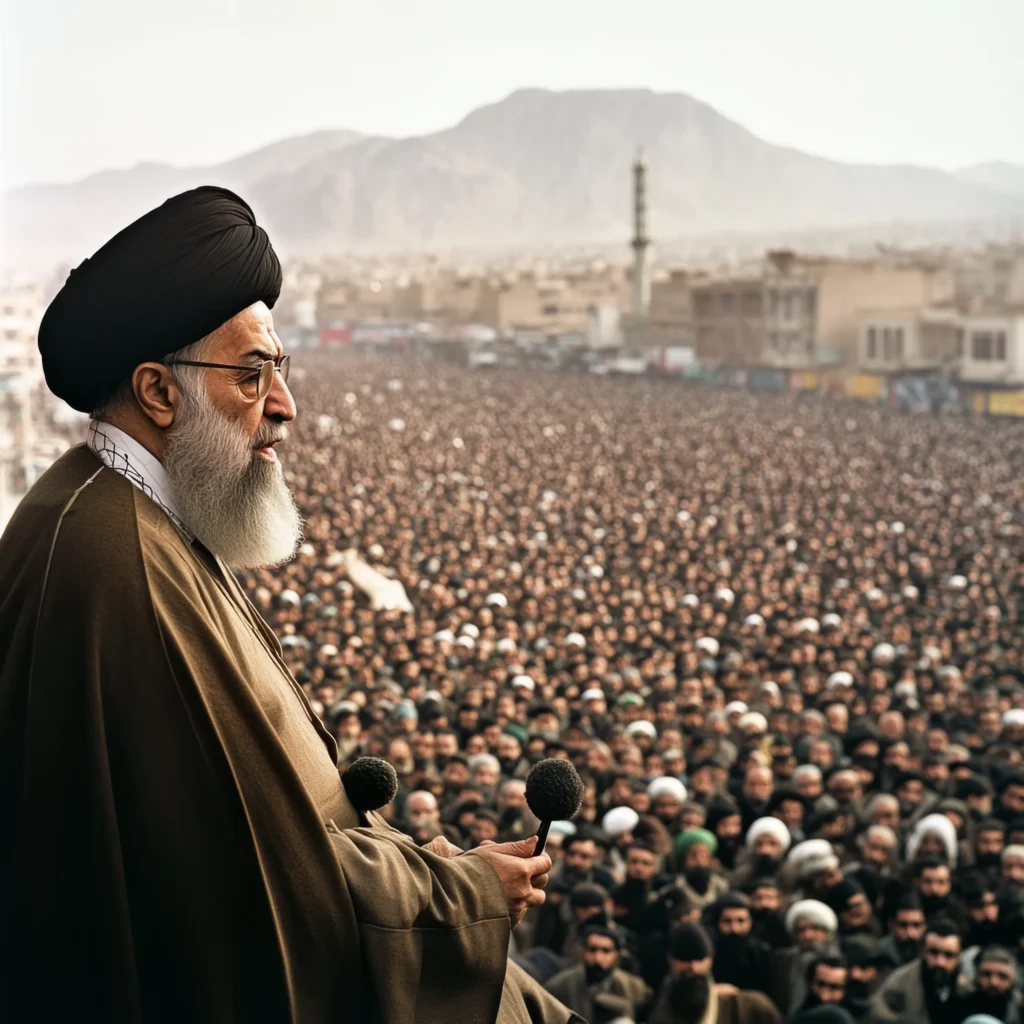
The announcement
To understand the significance of this transition, it is important to understand what the position of Supreme Leader actually means.
The announcement of Mojtaba Khamenei as the new Supreme Leader marks the third time the position has changed since the creation of the Islamic Republic after the Iranian Revolution in 1979.
The first Supreme Leader, Ruhollah Khomeini, led the revolution that transformed Iran from a monarchy into a theocratic republic. After his death in 1989, Ali Khamenei was chosen to lead the country, remaining in power for more than three decades.
Now, with Mojtaba Khamenei taking the position, Iran enters a new chapter in its political history. His selection is particularly notable because it effectively transfers leadership from father to son—something that has never happened in the Islamic Republic before.
Supporters of the decision argue that continuity is important during a period of instability. Critics, however, say the move could create concerns about dynastic leadership in a political system that originally sought to reject monarchy.
Regardless of the debate, the new Supreme Leader now holds the most powerful position in Iran’s government.
The Role and Power of Iran’s Supreme Leader
To understand the significance of this transition, it is important to understand what the position of Supreme Leader actually means.
The Supreme Leader is the highest authority in Iran’s political structure. While the country has a president and parliament, ultimate power lies with the Supreme Leader, who has final say over major national decisions.
The leader controls key institutions, including the armed forces and the powerful Islamic Revolutionary Guard Corps. This role also includes significant influence over foreign policy, national security strategy, and Iran’s nuclear program.
In addition, the Supreme Leader appoints important figures within the judiciary and oversees several influential religious and political bodies. Because of these powers, the position is considered the most influential office in Iran.
With Mojtaba Khamenei now holding this role, his decisions will directly affect the country’s internal politics and its relationships with other nations.
Who Is Mojtaba Khamenei?
Despite being one of the most influential figures within Iran’s political system for years, Mojtaba Khamenei has remained relatively private compared with many public officials.
Born in Tehran, he studied Islamic theology in the religious seminaries of Qom, one of the most important centers of Shiite scholarship in the world. Over time, he developed strong ties with conservative clerical networks and political factions.
For many years, analysts believed he played a significant role behind the scenes during his father’s rule. Reports often suggested that he maintained close relationships with senior military officials and political leaders.
Unlike many Iranian politicians, Mojtaba Khamenei has never held elected office. His rise to the highest leadership position therefore represents an unusual path to power.
Supporters within the Iranian establishment view him as a figure capable of maintaining the ideological direction of the Islamic Republic. Critics, however, argue that his lack of public political experience raises questions about governance and legitimacy.
Regional and Global Reactions
The appointment of Iran’s new Supreme Leader has sparked reactions from governments and analysts across the world.
Because Iran plays a major role in Middle Eastern politics, any change in leadership can influence regional dynamics. Countries across the region are closely watching how the new leader will approach ongoing conflicts and diplomatic tensions.
Some observers believe the leadership transition could reinforce Iran’s existing policies, particularly regarding its strategic alliances and regional influence. Others speculate that the new leader may attempt to reshape certain aspects of Iran’s international strategy.
The leadership change also comes during a period of heightened geopolitical tension involving several global powers. As a result, the decisions made by Iran’s new Supreme Leader could have far-reaching consequences for international relations, energy markets, and security in the Middle East.
What the Future Holds for Iran
Leadership transitions in Iran are rare events, and each one has historically marked a turning point for the country.
The new Supreme Leader now faces several major challenges. These include managing Iran’s economy, navigating international pressure, and maintaining political stability at home.
He must also balance the expectations of powerful institutions inside the country, including the military, religious leadership, and political factions that shape Iran’s internal power structure.
At the same time, the Iranian public—especially younger generations—will be watching closely to see whether the new leadership introduces changes or continues existing policies.
For now, one thing is certain: the appointment of Mojtaba Khamenei marks the beginning of a new era in Iran’s history. The direction he chooses will not only shape the future of the Islamic Republic but may also influence the balance of power across the Middle East.
Table of Contents
War against Iran: The real financial winners behind the conflict? – trendsfocus