
Recent developments in Washington have placed renewed attention on the actions and influence of Thom Tillis, a prominent Republican senator representing North Carolina. Known for his willingness to challenge both political opponents and members of his own party, Tillis has once again made headlines after a tense Senate hearing focused on national security, disaster funding, and federal response management. The moment has sparked discussion across the United States about leadership, accountability, and the future of one of the country’s most closely watched Senate seats.
As political tensions grow in Washington, Tillis’ recent actions highlight important issues that could shape policy debates in the coming months. With his announcement that he will not seek re-election in 2026, every move he makes now carries added weight—both for lawmakers and for voters paying close attention to the direction of U.S. politics.
The latest headlines surrounding Senator Thom Tillis stem from a heated Senate hearing that brought national attention to federal disaster response and immigration enforcement policies. During the session, Tillis questioned officials about delays in funding and the effectiveness of certain programs designed to assist states dealing with emergencies and border-related challenges.
Observers noted that the exchange was unusually direct and intense. Tillis made it clear that he expects greater transparency and efficiency from federal agencies, especially when it comes to helping states recover from natural disasters and maintaining strong national security policies. His remarks reflected growing frustration among some lawmakers who believe the government must respond faster and more effectively when states need support.
This political moment has not only placed Tillis in the spotlight but also sparked broader discussions about how federal agencies are being managed. Many political analysts say such confrontations demonstrate the ongoing tensions between lawmakers and executive branch officials, especially when accountability becomes a central issue.
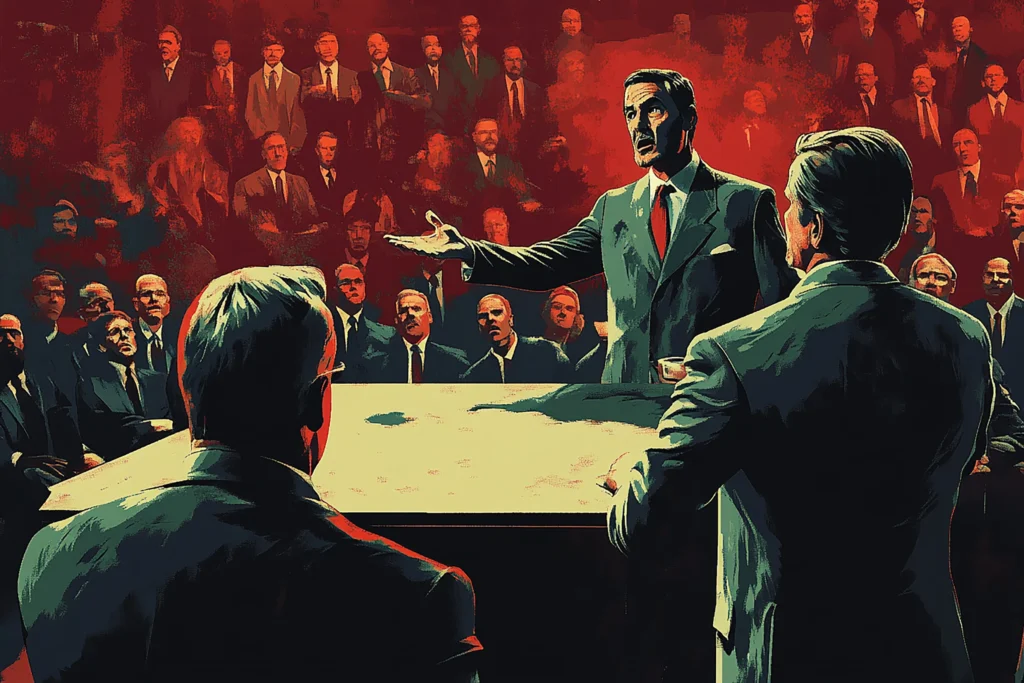
A Heated Senate Hearing That Drew National Attention
The hearing gained widespread attention because of Tillis’ strong questioning of Homeland Security leadership, including Secretary Kristi Noem. During the exchange, Tillis raised concerns about what he described as delays in disaster funding and issues related to immigration enforcement operations.
Lawmakers from both parties watched closely as the conversation unfolded, recognizing that the outcome of such hearings can influence future policies and legislative priorities. For many Americans, the hearing highlighted the critical role that congressional oversight plays in ensuring that federal agencies remain accountable to the public.
Political experts noted that Tillis’ approach demonstrated a willingness to challenge officials regardless of political alignment. While disagreements within government are not uncommon, moments like this can signal deeper debates about how policies should be implemented and how federal agencies should respond during times of crisis.
The hearing also became a focal point for discussions about government efficiency. Critics argue that delays in disaster assistance can significantly impact communities already dealing with difficult situations, while supporters of federal agencies stress the complexity of managing nationwide programs.
Why Disaster Funding and Immigration Policies Are Key Issues
Two major topics stood at the center of the debate: disaster funding and immigration enforcement. Both issues have become major priorities in U.S. politics, affecting millions of people across different states.
Disaster funding is especially important for states that frequently face hurricanes, storms, or other emergencies. When delays occur, local governments may struggle to rebuild infrastructure, support families, and restore normal life. Lawmakers like Tillis have argued that improving response systems should be a top priority in Washington.
At the same time, immigration policy remains one of the most debated subjects in American politics. Discussions around border security, enforcement strategies, and humanitarian concerns continue to shape legislative agendas. Tillis’ remarks during the hearing reflected ongoing disagreements within Congress about how these policies should be managed.
For voters, these issues go beyond political debates—they directly affect safety, economic stability, and community well-being. As a result, any major discussion about them tends to draw national attention and spark strong reactions from both supporters and critics.
The Impact of Tillis’ Decision Not to Run in 2026
Another factor making this story significant is Tillis’ announcement that he will not run for re-election in 2026. This decision has already transformed the political landscape in North Carolina and across the United States.
Open Senate seats often attract intense competition because they provide opportunities for new leaders to emerge. Political parties typically invest significant resources into these races, making them some of the most closely watched elections in the country. With Tillis stepping aside, many analysts believe the upcoming contest could become one of the most competitive Senate races in years.
This situation also gives Tillis a unique position in his final years in office. Without the pressure of an upcoming campaign, he may feel more freedom to take bold stances on key issues. Some observers believe this could lead to stronger oversight efforts and more outspoken positions on policy matters.
For North Carolina voters, the upcoming election will be an important moment that could influence national politics. Control of the Senate often depends on a small number of competitive races, and this seat is expected to play a significant role.
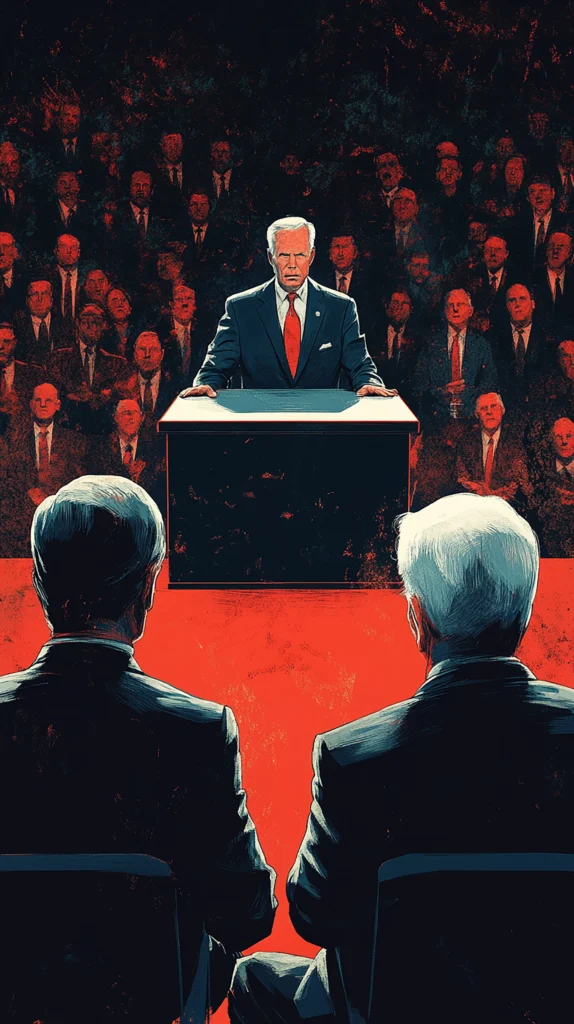
What This Means for U.S. Politics Moving Forward
The recent events involving Senator Tillis illustrate the broader dynamics shaping modern American politics. Increasingly, lawmakers are under pressure to demonstrate accountability, challenge government agencies, and respond to the concerns of voters who expect quick and effective action from Washington.
Tillis’ actions during the Senate hearing highlight how oversight remains a critical function of Congress. By questioning federal officials and raising concerns about policy implementation, senators play an important role in ensuring that government programs serve the public effectively.
At the same time, his decision to step away from re-election adds another layer of intrigue to the political landscape. The coming months are likely to bring more debate, new candidates entering the race, and increased attention on policy discussions related to disaster response, national security, and immigration.
Ultimately, the story surrounding Senator Tillis is about more than a single hearing or political disagreement. It reflects the ongoing challenges facing lawmakers as they attempt to address complex issues while preparing for major changes in the political environment. As the next election cycle approaches, both political leaders and voters will be watching closely to see how these developments shape the future of the Senate and the direction of U.S. policy.
Table of Contents
Dow Jones Falls as Global Uncertainty Shakes Markets – trendsfocus