
On February 28, 2026, the world witnessed an unprecedented and shocking event: Iran’s Supreme Leader, Ayatollah Ali Khamenei, was killed in a joint military operation carried out by the United States and Israel. For over three decades, Khamenei had been the central figure in Iranian politics, wielding enormous influence over the country’s government, military, and nuclear programs. His death marks a dramatic turning point for Iran, the Middle East, and global geopolitics.
The operation, which targeted Khamenei’s complex in Tehran, resulted in not only his death but also the elimination of several senior Iranian officials. The incident has set off a chain of events that threatens to destabilize the region and has already captured worldwide attention. In this article, we explore the details of the attack, Iran’s response, global reactions, and the far-reaching implications of this historic moment.
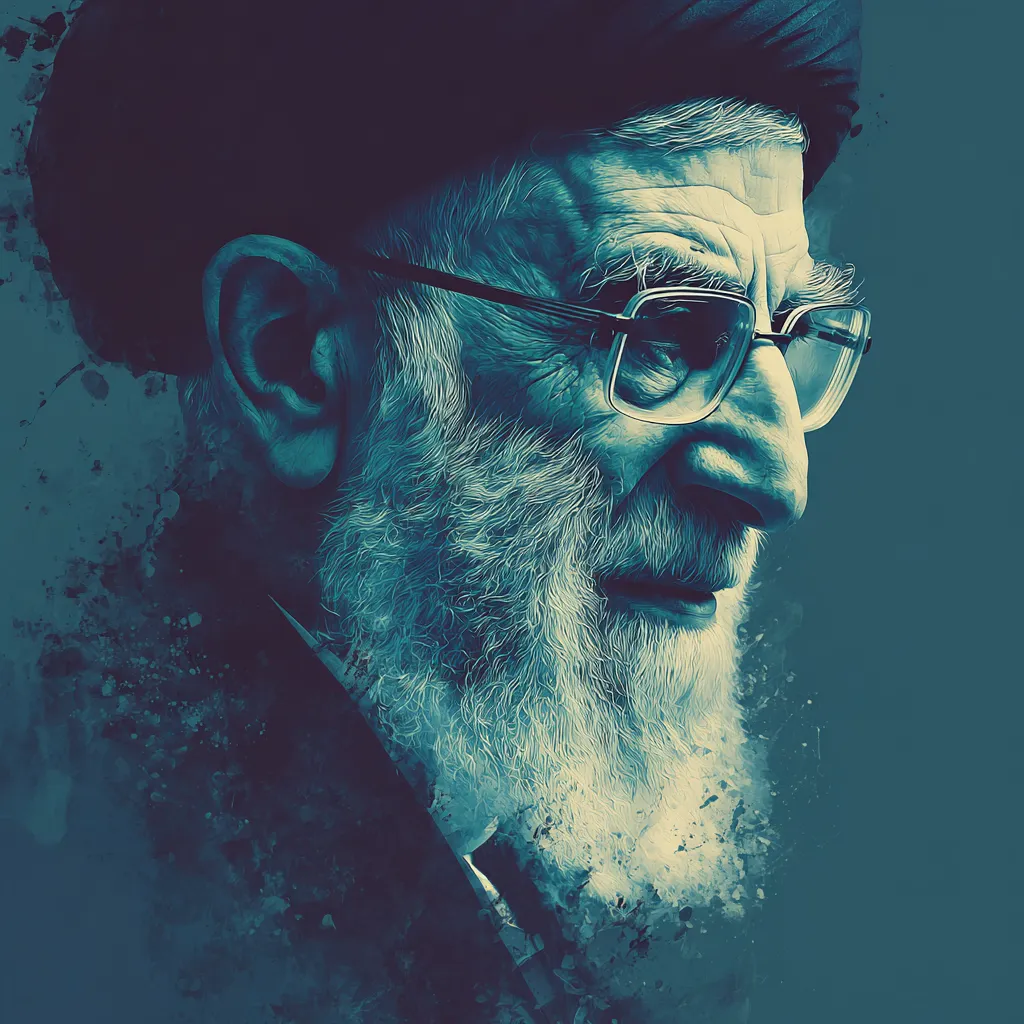
Ali Khamenei
Ali Khamenei had been Iran’s Supreme Leader since 1989, succeeding Ayatollah Ruhollah Khomeini. Under his rule, Iran became a formidable political and military power in the Middle East, often at odds with Western nations, particularly the United States and Israel. Khamenei’s leadership was marked by a strict adherence to conservative religious policies, expansion of Iran’s influence through proxy groups across the region, and the advancement of Iran’s nuclear program, which has long been a point of international concern.
The killing of Khamenei in Tehran represents a direct challenge to Iran’s leadership structure. Israeli and U.S. authorities have confirmed that the attack was carefully planned to target Khamenei specifically, along with other high-ranking military and political officials. The event has sent shockwaves through Iran, leaving the country in a state of uncertainty regarding succession and internal stability.
This is not merely a political event; it is a symbolic moment. Khamenei was considered untouchable by many within the region, and his death signals a shift in the balance of power. The implications of removing such a central figure extend far beyond Iran’s borders, affecting regional alliances, security dynamics, and the global economy.
Details of the US-Israeli Operation
The joint operation by the United States and Israel was executed with precision. Reports indicate that multiple airstrikes targeted strategic sites across Tehran, focusing on Khamenei’s residence and other government complexes. Israeli officials claimed that their intelligence indicated imminent threats from Iran’s nuclear and military programs, which they sought to neutralize through this preemptive strike.
Several top Iranian military leaders were reportedly killed alongside Khamenei. These included senior commanders and advisers closely tied to Iran’s military strategy and nuclear ambitions. The attack involved advanced technology, including precision-guided munitions, and was executed with minimal collateral damage reported in initial accounts.
The timing of the attack is particularly significant. Analysts suggest that the operation was carefully coordinated to strike when Khamenei was most vulnerable, ensuring maximum impact on Iran’s command structure. By eliminating the Supreme Leader and other top officials simultaneously, the operation aimed to destabilize Iran’s ability to respond cohesively in the immediate aftermath.
The military operation has raised questions about sovereignty, international law, and the norms governing targeted killings of heads of state. While Israel and the United States frame the strike as a necessary action for regional security, critics argue that it could set a dangerous precedent with global implications.
Iran’s Retaliation and Regional Escalation
In response to the attack, Iran launched missile and drone strikes targeting Israel and American military installations in neighboring countries. Explosions were reported in several Gulf states, including Bahrain, Qatar, and Kuwait, as tensions rapidly escalated across the region. Iran has vowed to defend its sovereignty and retaliate against what it calls “an act of war,” signaling that the conflict could continue to intensify.
The killing of Khamenei has also fueled internal unrest within Iran. Citizens and political factions are reacting differently: some mourn the loss of a leader who symbolized decades of resistance against Western influence, while others see this as an opportunity for political change. In the meantime, the Iranian military is on high alert, and security measures have been heightened throughout the country.
This escalation has implications beyond the immediate conflict zone. Neighboring countries are concerned about spillover violence, and global powers are closely monitoring developments to avoid wider confrontation. The situation threatens to disrupt international shipping lanes, particularly through the Strait of Hormuz, a crucial passage for global oil supplies. Any extended conflict in this area could trigger economic instability worldwide.
Global Reactions and Diplomatic Concerns
The international community has reacted with alarm. The United Nations Security Council convened an emergency session to address the crisis, calling for restraint and urging all parties to avoid further escalation. World leaders are watching closely, aware that the sudden removal of Iran’s Supreme Leader could trigger unpredictable consequences both within Iran and across the region.
Several countries have issued statements emphasizing diplomacy. European nations, in particular, are encouraging calm and negotiation, expressing concern that military escalation could spiral into a broader conflict. Meanwhile, the United States and Israel have defended their actions as necessary to prevent Iran from developing nuclear capabilities and threatening regional security.
Global markets have already reacted. Oil prices surged in response to the news, reflecting fears of disruption in one of the world’s most critical energy-producing regions. Investors are bracing for volatility, as the risk of prolonged conflict looms over economic stability. Humanitarian organizations are also preparing for potential displacement or casualties resulting from ongoing military operations.
Implications for Iran’s Future
With Khamenei’s death, Iran faces a power vacuum at the highest level of government. There is no clear successor designated, which raises the possibility of internal power struggles. Senior clerics, political factions, and military leaders may vie for control, creating uncertainty and potential instability.
The geopolitical balance in the Middle East is likely to shift. Neighboring countries, regional powers, and global actors will adjust their strategies in response to the new reality in Iran. Alliances may be tested, and negotiations surrounding nuclear programs and regional security could take on new urgency.
For the Iranian people, the loss of Khamenei is profound. He had been the face of the nation for decades, guiding policy, ideology, and national identity. The transition of power will not only affect government operations but may also reshape Iran’s society and political landscape in the years to come.
Conclusion
The death of Ali Khamenei marks a historic moment with far-reaching consequences. A joint US-Israeli strike has removed one of the most powerful figures in the Middle East, triggering immediate military retaliation from Iran and raising global security concerns. As the region braces for potential escalation, the international community watches closely, aware that the coming weeks and months will shape the future of Iran and the broader Middle East.
With a power vacuum in Tehran, regional tensions rising, and the world on edge, one thing is clear: the death of Khamenei is not just a political event—it is a pivotal turning point with global ramifications. The road ahead is uncertain, and how Iran, its neighbors, and global powers respond will define the next chapter in Middle Eastern and world history.
Table of Contents
Supreme Leader Ali Khamenei is dead after US-Israeli attack on Iran: reports
U.S. Military Begins Major Combat Operations in Iran – trendsfocus