
Geopolitical tensions reached a new and dangerous level after U.S. President Donald Trump announced that American forces have begun “major combat operations” inside Iran. The declaration marks one of the most significant escalations between Washington and Tehran in recent years and has immediately drawn global attention.
Military actions between two powerful nations rarely stay contained. When the United States becomes directly involved in combat operations in the Middle East, the ripple effects can impact energy markets, global diplomacy, regional security alliances, and international stability. As developments unfold, many are asking: Why now? What are the objectives? And what could happen next?
Here’s a detailed breakdown of what we know so far and what it could mean moving forward.
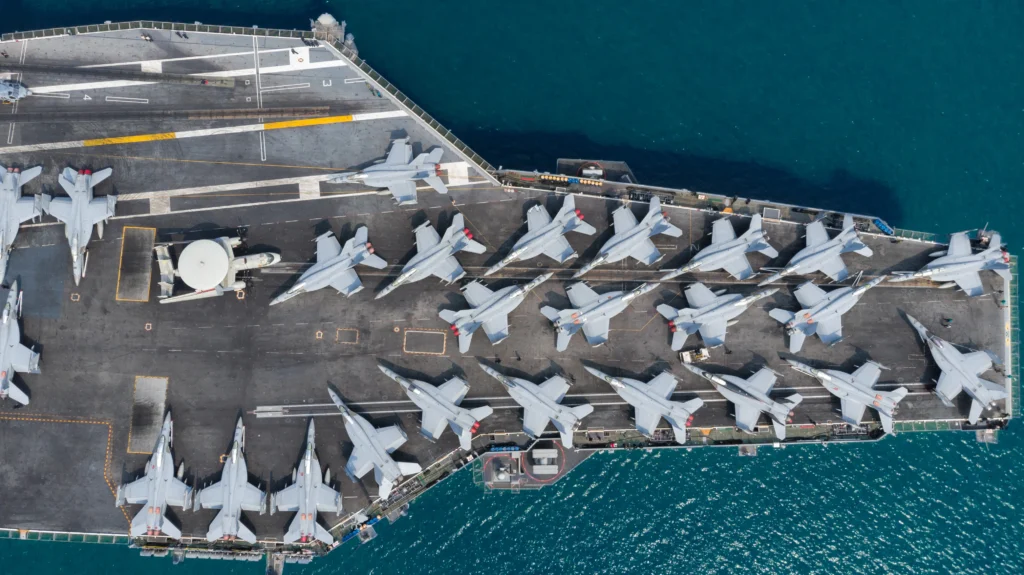
Why the U.S. Launched Military Operations
The decision to begin combat operations follows a period of mounting tensions between Washington and Tehran. In recent months, disagreements over Iran’s missile development, regional military posture, and broader security concerns have intensified.
U.S. officials have long expressed alarm over Iran’s military capabilities and its influence in neighboring countries. The administration has repeatedly stated that preventing further destabilization in the Middle East remains a top priority.
In his remarks, Trump described the action as necessary to deter aggression and prevent future threats. He framed the operation as proactive rather than reactive, suggesting that intelligence assessments indicated escalating risks.
Supporters of the decision argue that strong military action may serve as a deterrent and reinforce U.S. credibility. Critics, however, caution that direct engagement could escalate quickly and become difficult to contain.
The shift from diplomacy to direct combat raises broader questions about long-term strategy. Military campaigns often begin with limited objectives but can expand depending on the response from the opposing side.
What Is Happening on the Ground in Iran
Initial reports indicate that multiple locations within Iran were targeted in coordinated operations. Strategic military infrastructure appears to be among the primary objectives.
Airstrikes and missile operations have reportedly focused on installations linked to missile systems and naval capabilities. Such targets suggest an effort to weaken Iran’s ability to project power beyond its borders.
Heightened military activity has been observed in several areas, and regional airspace restrictions have been implemented as a precautionary measure. The scale of the operation points to careful planning and significant resource deployment.
Iran has reportedly responded with missile and drone activity, signaling that the confrontation may not remain one-sided. Retaliatory actions increase the likelihood of further exchanges and raise concerns about regional spillover.
Neighboring countries are closely monitoring developments, and security forces throughout the region have increased readiness levels.
Iran’s Response and Regional Impact
Iranian leadership has condemned the strikes and vowed to defend national sovereignty. Early indications suggest that retaliatory measures have already begun, targeting interests associated with U.S. presence in the region.
The possibility of an expanding conflict is a major concern. The Middle East contains critical shipping routes, military bases, and energy infrastructure that could be affected if hostilities intensify.
Regional allies of both nations may be drawn into the situation, either directly or indirectly. This creates a complex web of diplomatic and military considerations that extend beyond the immediate confrontation.
Energy markets are particularly sensitive to instability in the region. Even limited disruptions can influence oil supply chains and global fuel prices. Financial markets often react quickly to geopolitical uncertainty, adding economic implications to the security concerns.
The longer military operations continue, the greater the risk of unintended consequences. Escalation cycles can develop rapidly if retaliatory strikes continue on both sides.
Global Reaction and What Comes Next
World leaders have urged restraint as they assess the situation. Diplomatic channels remain active, and international organizations are closely following developments.
Some governments have called for immediate de-escalation and renewed negotiations. Others are taking a wait-and-see approach, emphasizing the need for clarity about the objectives and scope of the military action.
Allied nations of the United States are evaluating their own security positions. Military alliances and defense agreements may influence how different countries respond in the coming days.
International diplomacy will likely play a crucial role in determining whether this conflict remains limited or expands. History shows that early communication efforts can sometimes prevent prolonged warfare.
However, once combat operations begin, the path back to negotiation can become more complicated. Each side may seek leverage before returning to diplomatic talks.
What Happens Next?
The immediate future depends largely on how both sides choose to proceed. Several scenarios are possible:
- Limited, short-term operations followed by diplomatic negotiations
- Continued exchanges leading to prolonged military engagement
- Broader regional involvement if allied forces become directly engaged
Much will depend on the intensity of retaliatory actions and the willingness of both governments to avoid further escalation.
Military analysts note that early phases of conflict often set the tone for what follows. If objectives are narrowly defined and quickly achieved, the confrontation may remain contained. If objectives expand, the situation could evolve into a longer-term standoff.
Global markets, political leaders, and citizens around the world are watching closely. Developments in the coming days will likely shape international relations for months or even years to come.
Conclusion
The announcement that U.S. forces have begun major combat operations in Iran marks a pivotal moment in international affairs. President Donald Trump’s declaration signals a shift from diplomatic tension to direct military engagement, with potentially far-reaching consequences.
While the stated objective is to neutralize threats and protect strategic interests, the risks of escalation remain significant. Iran’s response, regional security dynamics, and international diplomatic efforts will all play critical roles in shaping what happens next.
For now, this remains a fast-moving and highly sensitive situation. As updates emerge, the world will continue to assess whether this confrontation leads to broader conflict or opens a path toward renewed negotiations.
Table of Contents
Live updates: U.S. military begins ‘major combat operations in Iran,’ Trump says (nbcnews.com)
https://www.trendsfocus.com/trump-capture-khamenei-avoid-war-iran-regime/