
A powerful avalanche near Lake Tahoe has drawn national attention after multiple backcountry skiers were caught in a sudden and dangerous snow slide. The incident occurred during a period of intense winter weather in California’s Sierra Nevada mountains, where heavy snowfall and strong winds had already created hazardous conditions.
Rescue teams quickly launched a large-scale emergency response, working against time, deep snow, and limited visibility to locate and assist those involved. The event has once again highlighted the unpredictable nature of mountain environments and the serious risks associated with backcountry winter recreation.
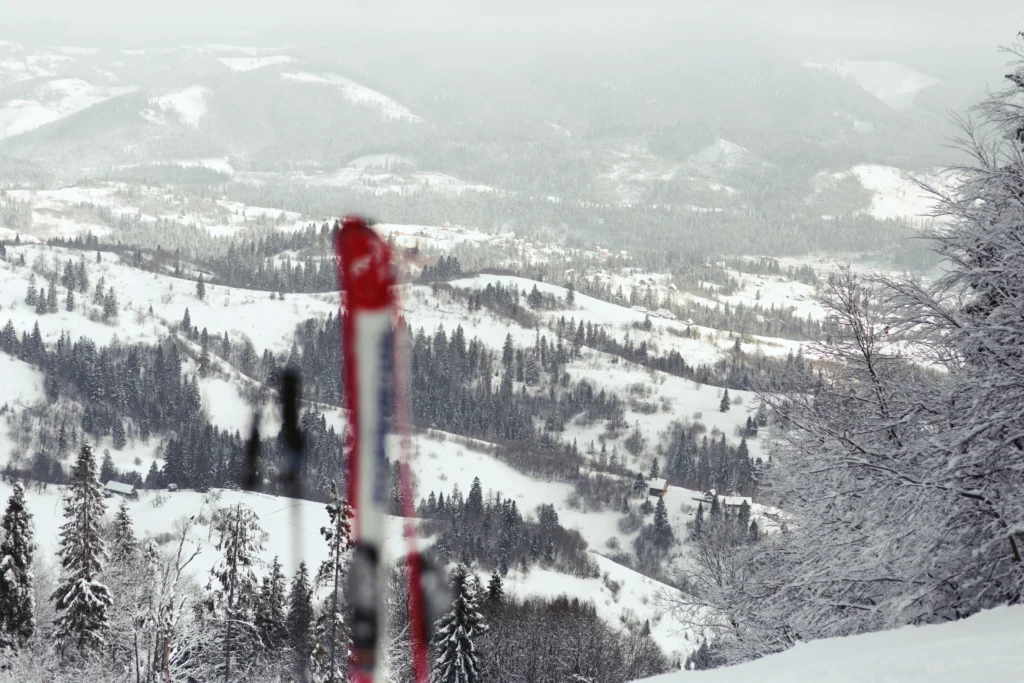
How the Avalanche Unfolded
The avalanche occurred in the Castle Peak area near Truckee, a region popular among experienced backcountry skiers and outdoor adventurers. According to official updates, a group of approximately 15 to 16 skiers was traveling through steep terrain when the snowpack suddenly failed.
Recent storms had deposited a significant amount of fresh snow across the Sierra Nevada range. This rapid accumulation created unstable layers within the snowpack. When additional pressure was applied — either naturally or by human movement — the upper slab of snow detached and began sliding downhill.
Witness accounts and early reports indicate that the avalanche moved quickly, sweeping through the group and scattering individuals across the slope. Some were partially buried, while others were carried further down the mountain by the force of the snow.
Avalanches can travel at speeds exceeding 60 miles per hour and carry immense weight. Even a relatively small slide can generate enough force to bury or seriously injure anyone in its path. In this case, the slide covered a significant portion of the terrain where the skiers had been traveling, turning what was meant to be a recreational outing into an emergency situation within seconds.
Immediate Rescue Operations and Emergency Response
Emergency services were alerted shortly after the avalanche occurred. Local authorities, search-and-rescue teams, and specialized mountain response units mobilized rapidly to reach the affected area.
Rescue crews faced difficult conditions from the outset. Ongoing snowfall, strong winds, and low visibility made helicopter access challenging. Deep snowpack slowed ground teams attempting to reach the scene by snowmobile and on foot.
Using avalanche transceivers, probes, and rescue dogs, responders worked methodically to locate buried individuals. Avalanche survival statistics show that the first 15 minutes after burial are critical. Immediate rescue efforts by companions often provide the highest chance of survival before professional teams arrive.
Officials confirmed that several skiers were successfully rescued alive. Some required medical evaluation and treatment for injuries sustained during the slide. At the time of early reports, multiple individuals were initially unaccounted for, prompting an extended search effort.
Authorities emphasized that operations in avalanche zones remain dangerous even after the initial slide. The risk of secondary avalanches can threaten both victims and rescuers, requiring careful coordination and constant risk assessment.
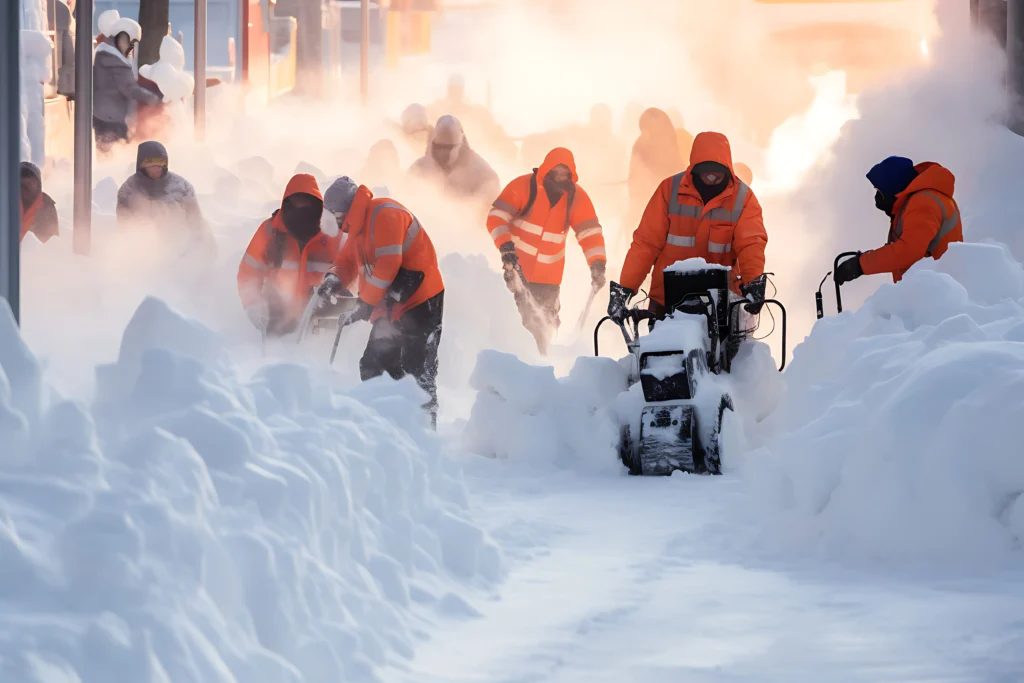
Weather Conditions and Elevated Avalanche Danger
The avalanche occurred during an active winter storm cycle in the Sierra Nevada. Heavy snowfall over a short period significantly increased avalanche risk across higher elevations.
Avalanches typically form when layers of snow with different densities and strengths stack on top of one another. A weaker layer beneath a heavier slab can act like a fault line. When triggered, the slab fractures and slides downhill.
Wind also plays a major role. Strong gusts can transport snow from one slope to another, building thick deposits known as wind slabs. These slabs can appear stable on the surface but remain highly unstable underneath.
Avalanche forecasting centers often issue daily risk assessments ranging from low to extreme. During and immediately after major storms, danger levels commonly rise to considerable or high. Under such conditions, experts strongly advise avoiding steep slopes, especially those between 30 and 45 degrees — the most avalanche-prone angles.
Backcountry terrain, unlike ski resorts, does not undergo avalanche control measures such as explosive mitigation. This means travelers must rely entirely on their own training, equipment, and decision-making.
The Sierra Nevada mountains are known for heavy snowfall and dramatic winter landscapes, which attract thousands of visitors each season. However, these same conditions can create serious hazards when weather patterns shift rapidly.
Community Impact and Renewed Focus on Safety
The Lake Tahoe region depends heavily on winter tourism. Ski resorts, lodging businesses, and outdoor recreation services play a vital role in the local economy. News of the avalanche quickly spread, drawing concern from residents and visitors alike.
Community members expressed support for those affected and gratitude toward first responders who risked their own safety in difficult conditions. Incidents like this resonate deeply in mountain communities, where outdoor recreation is both a lifestyle and a livelihood.
Beyond the immediate rescue efforts, the avalanche has reignited conversations about backcountry safety awareness. Experts consistently stress the importance of carrying essential avalanche gear — including a beacon, probe, and shovel — and knowing how to use it effectively.
Formal avalanche education courses teach participants how to evaluate terrain, identify warning signs such as recent slides or cracking snow, and make informed decisions about route selection. Many experienced skiers consider such training essential before venturing beyond resort boundaries.
Officials are also reminding visitors to check avalanche forecasts, monitor weather updates, and avoid high-risk areas during storm cycles. Even seasoned outdoor enthusiasts can be caught off guard when snow conditions change quickly.
The incident serves as a sobering reminder that while mountain adventures offer breathtaking scenery and unforgettable experiences, they also demand preparation, respect, and caution.
Conclusion
The avalanche near Lake Tahoe stands as a powerful example of how quickly nature can shift from serene to dangerous. What began as a day of winter recreation turned into a serious emergency requiring coordinated rescue efforts in extreme conditions.
Thanks to the rapid response of search-and-rescue teams, several lives were saved. However, the event underscores the ongoing risks associated with backcountry travel during heavy snowfall and elevated avalanche danger.
As winter continues across the Sierra Nevada, authorities urge outdoor enthusiasts to remain vigilant, informed, and prepared. Mountain landscapes offer incredible beauty, but they must always be approached with awareness and respect.
This developing story not only highlights the courage of first responders but also reinforces an essential lesson for all who venture into alpine terrain: preparation and caution can mean the difference between safety and tragedy.
Table of Contents
Rescuers search for 10 missing skiers after California avalanche
Rhode Island Shooting: Community in Mourning After Arena Tragedy – trendsfocus