
You don’t expect a life-threatening condition to begin with something as ordinary as shortness of breath or chest discomfort. You might assume it’s stress, fatigue, or something you can sleep off. But for many people, those small, unsettling sensations are the first signals of a pulmonary embolism—a medical emergency that demands attention now, not later.
This article is written for you: to help you recognize the warning signs, understand your risks, and act with confidence if your body starts sending alarms. Awareness is not about fear. It’s about giving yourself the best possible chance to stay alive.
What Is a Pulmonary Embolism?
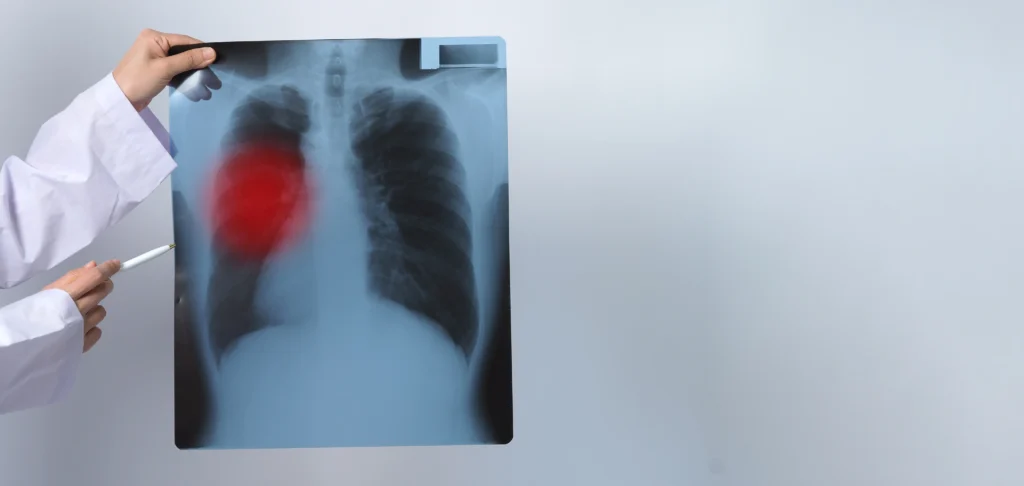
A pulmonary embolism (PE) happens when a blood clot blocks one of the arteries in your lungs. Most of the time, that clot doesn’t start in your lungs at all. It forms in a deep vein—usually in your leg or pelvis—a condition known as deep vein thrombosis (DVT). When that clot breaks loose and travels through your bloodstream, it can lodge in your lungs and restrict blood flow.
When this happens, your lungs can’t properly oxygenate your blood, and your heart has to work harder to push blood past the blockage. Depending on the size and number of clots, a pulmonary embolism can range from serious to instantly fatal.
What makes pulmonary embolism especially dangerous is not just its severity—but how easily it’s overlooked.
Why Pulmonary Embolism Is Often Missed
Pulmonary embolism doesn’t always look dramatic. In fact, it often disguises itself as something familiar and non-threatening.
You might think:
- “I’m just out of shape.”
- “This feels like anxiety.”
- “It’s probably heartburn or a pulled muscle.”
Because PE symptoms overlap with common conditions like panic attacks, respiratory infections, or muscle strain, many people delay seeking care. Unfortunately, time is a critical factor. The longer a clot remains untreated, the higher the risk of lung damage, heart failure, or sudden collapse.
Recognizing the warning signs early can make all the difference.
Pulmonary Embolism Warning Signs That Can Save Your Life
Your body often gives you clues before a pulmonary embolism becomes catastrophic. The key is knowing which symptoms should never be ignored.
Most Common Pulmonary Embolism Warning Signs
If you experience any of the following symptoms without a clear explanation, you should take them seriously:
- Sudden shortness of breath
This may happen while resting or with minimal activity. You may feel like you can’t get enough air, even when sitting still. - Chest pain
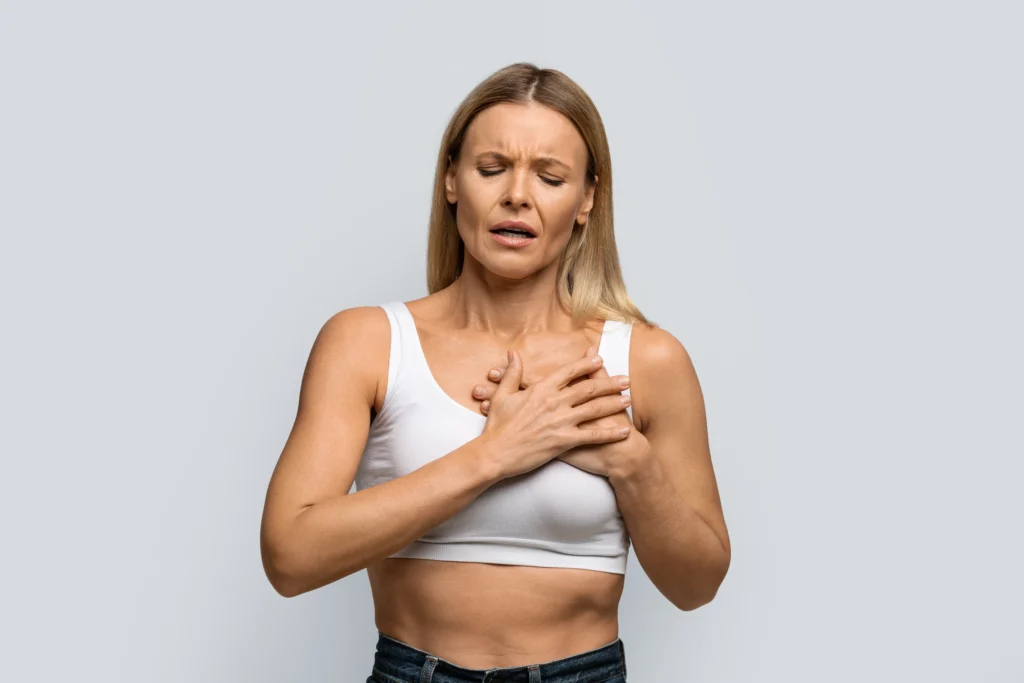
Often sharp and stabbing, this pain may worsen when you take a deep breath, cough, or bend forward. It’s commonly mistaken for a heart or muscle issue. - Rapid or irregular heartbeat
Your heart may feel like it’s racing, pounding, or skipping beats as it struggles to compensate for reduced oxygen. - Coughing, sometimes with blood
Even a small amount of blood is a serious red flag and should never be ignored. - Lightheadedness or fainting
Reduced oxygen levels can cause dizziness, confusion, or sudden loss of consciousness.
These symptoms can appear suddenly or develop over several hours. Either way, they warrant immediate medical attention.
Less Common but Dangerous Symptoms
Some pulmonary embolism warning signs are subtle, which makes them easier to dismiss—but no less dangerous:
- Leg pain or swelling, usually in one calf or thigh
This may signal deep vein thrombosis, the most common source of pulmonary embolism. - Warmth or redness in the leg
Especially when paired with pain or swelling. - Excessive sweating
Cold, clammy sweat without exertion can indicate a serious internal problem. - Bluish lips or fingertips
This suggests low oxygen levels in your blood. - Unexplained anxiety or a sense of impending doom
Many people describe an intense feeling that something is very wrong, even before other symptoms peak.
Listening to these quieter signals could save your life.

Pulmonary Embolism Warning Signs in High-Risk Individuals
While pulmonary embolism can affect anyone, your risk increases significantly under certain conditions. Knowing whether you fall into a higher-risk category helps you stay alert to early symptoms.
Who Is Most at Risk?
You may be at increased risk of pulmonary embolism if you:
- Recently had surgery, especially orthopedic or abdominal procedures
- Have been hospitalized or on bed rest for extended periods
- Sit for long hours during travel, such as long-haul flights or road trips
- Are pregnant or recently gave birth
- Have cancer or are undergoing chemotherapy
- Use hormonal birth control or hormone replacement therapy
- Have a personal or family history of blood clots
- Live with obesity, smoking habits, or chronic inflammatory conditions
Having one or more of these risk factors doesn’t mean you will develop a pulmonary embolism—but it does mean you should take symptoms seriously.
Warning Signs After Surgery or Long Travel
After surgery or prolonged immobility, symptoms are often brushed off as part of recovery or fatigue. Pay attention if you notice:
- New shortness of breath days or weeks after surgery
- Calf pain following travel or bed rest
- Chest discomfort that doesn’t improve with rest or pain medication
If something feels off, trust that instinct and seek medical advice.
When to Seek Emergency Help
Pulmonary embolism is not something you wait out.
Call Emergency Services Immediately If You Experience:
- Sudden difficulty breathing
- Chest pain combined with a fast or irregular heartbeat
- Fainting or collapse
- Coughing up blood
Why Immediate Action Matters
A pulmonary embolism can worsen rapidly. Early treatment with blood thinners or clot-dissolving therapy can restore blood flow and prevent lasting damage. Delaying care increases the risk of cardiac arrest, lung injury, or death.
If you’re unsure, err on the side of caution. Getting checked is always safer than ignoring a potentially fatal condition.
How Pulmonary Embolism Is Diagnosed
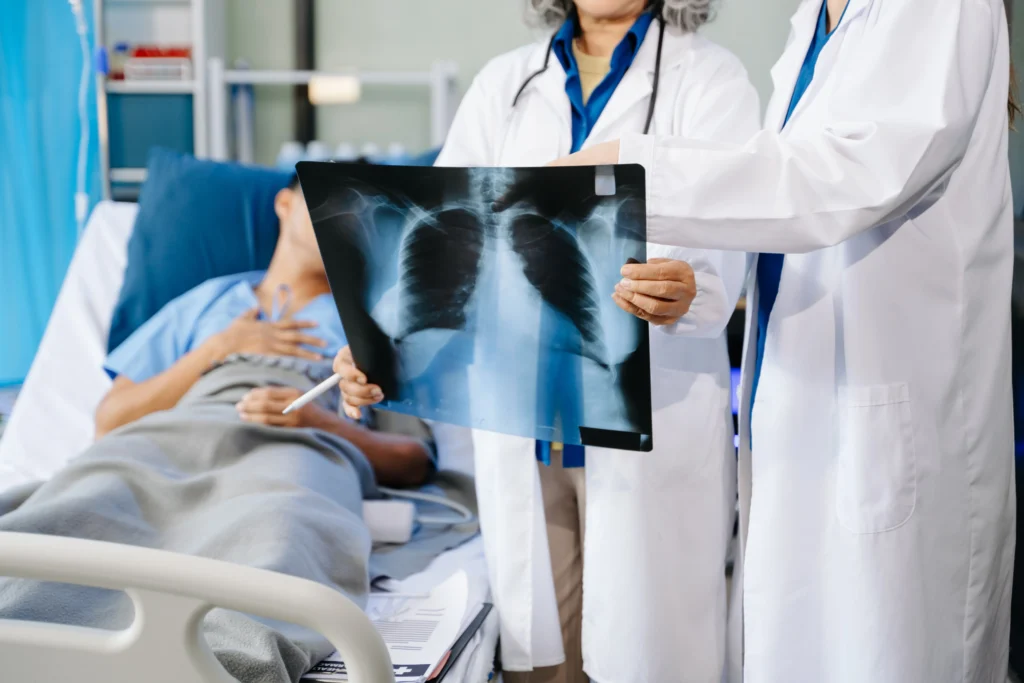
If doctors suspect a pulmonary embolism, they move quickly. Diagnosis often involves a combination of tests designed to confirm the presence of clots and assess their severity.
Common Diagnostic Tests
- CT pulmonary angiography to visualize clots in the lungs
- D-dimer blood test to detect clot-related substances
- Ultrasound of the legs to identify deep vein thrombosis
- Ventilation-perfusion (V/Q) scan when CT scans aren’t suitable
These tests help guide treatment decisions and determine whether hospitalization is needed.
Can Pulmonary Embolism Be Prevented?
While not all cases are preventable, many pulmonary embolisms can be avoided by reducing risk factors and staying proactive.
Practical Prevention Tips
- Stay active during long travel—stand, stretch, and walk regularly
- Wear compression stockings if recommended
- Take prescribed blood thinners exactly as directed
- Stay hydrated and avoid excessive alcohol during travel
- Manage chronic conditions and maintain a healthy weight
Knowing your personal risk and taking preventive steps can dramatically lower your chances of developing a blood clot.
Living After a Pulmonary Embolism
Surviving a pulmonary embolism can be frightening, but recovery is often very possible—especially with early treatment.
Recovery and Long-Term Outlook
- Many people return to normal activities within weeks or months
- Follow-up care is essential to prevent recurrence
- Lifestyle changes and medications may be part of long-term management
It’s normal to feel anxious after a PE. Ongoing communication with your healthcare provider helps you regain confidence and control.
Conclusion: Don’t Ignore the Warning Signs of Pulmonary Embolism
Recognizing the warning signs of pulmonary embolism can save your life. Sudden shortness of breath, chest pain, dizziness, or coughing blood are all symptoms that should prompt immediate medical attention. Early intervention is crucial, and by knowing the signs, you can act quickly to avoid serious complications.
If you experience any of these symptoms, don’t hesitate—seek emergency help right away. And if you’re at higher risk for PE, make sure to take preventive steps and stay vigilant. Your health is your responsibility, and recognizing the danger of pulmonary embolism is the first step toward protecting yourself and those you love.
Frequently Asked Questions
What Is the Survival Rate for Pulmonary Embolism?
The survival rate for pulmonary embolism largely depends on the timeliness of treatment. With prompt medical intervention, the survival rate is high. However, untreated PE can be fatal within hours.
Can Pulmonary Embolism Happen Without Warning?
In some cases, pulmonary embolism can develop suddenly, without any prior warning signs. However, many people experience mild symptoms before the condition worsens.
What Is the Most Common Cause of Pulmonary Embolism?
The most common cause of pulmonary embolism is deep vein thrombosis (DVT), where blood clots form in the legs and travel to the lungs, causing a blockage.
How Can I Prevent Pulmonary Embolism?
Staying active, drinking plenty of water, avoiding smoking, and managing risk factors like obesity and heart disease are all effective ways to reduce your risk of PE. If you’re at risk, talk to your doctor about additional preventive measures.
Table of Contents
Pulmonary embolism – Wikipedia
https://www.trendsfocus.com/pancreatic-cancer-cure-research-current-treat/