
Capture Khamenei
The world stands at a crossroads. Every day, tensions rise between the U.S. and Iran, and the threat of war seems imminent. As you look to the horizon, it’s hard not to wonder: what if the unthinkable happens? What if former President Donald Trump is preparing to capture Ali Khamenei, Iran’s Supreme Leader, in a move that could change the course of history, avoid war, and reshape the Middle East’s political landscape?
This article will dive into this bold theory, exploring the potential ramifications of such a move. We’ll take a closer look at how this could work, what it would mean for global politics, and the risks and rewards of this audacious strategy. Could this be Trump’s secret weapon to defuse one of the world’s most dangerous flashpoints? Or is it a dangerous gamble that could escalate into catastrophic consequences?
Let’s take a journey through this high-stakes theory and see what the future might hold.
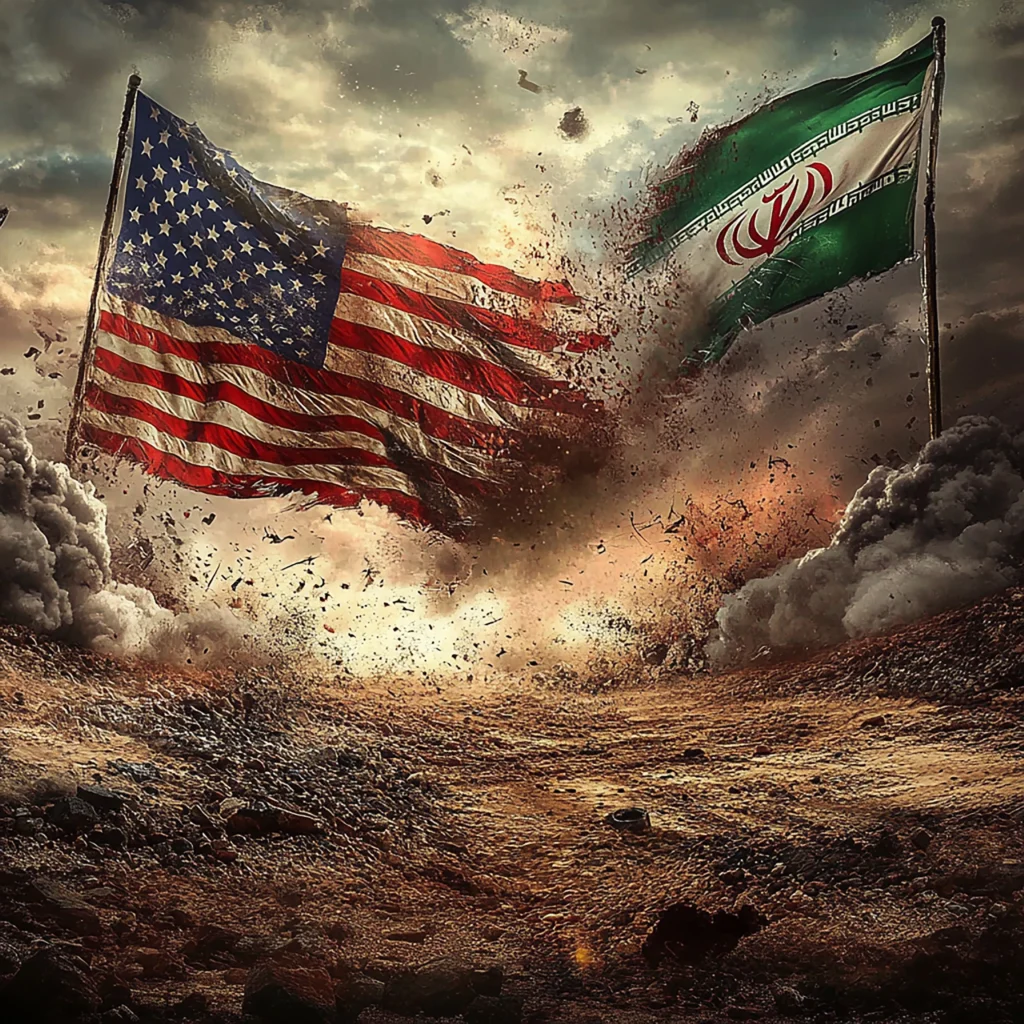
The High Stakes of U.S.-Iran Relations: The Risk of War and Regime Change
To understand why the idea of capturing Khamenei is being considered, you first need to grasp the volatile nature of U.S.-Iran relations. The relationship between these two nations has been tumultuous for decades, marked by diplomatic failures, military clashes, and a web of complex political dynamics.
- Historical Tensions: From the 1979 hostage crisis to the more recent nuclear deal debacles, the U.S. and Iran have never seen eye to eye. Trump’s administration took a particularly hardline stance, withdrawing from the Iran nuclear deal and imposing severe sanctions on the country. This antagonism has brought both nations to the brink of conflict on multiple occasions.
- Current State of Affairs: With Iran continuing its nuclear ambitions and supporting proxy wars in the region, the U.S. has maintained a strategic military presence in the Middle East. The question now is: how much longer can this fragile peace hold before the situation escalates into full-blown war?
By targeting Khamenei, Trump could potentially avoid such an escalation by removing a key figure whose leadership style fosters much of the tension between these two powers.
Could Trump Actually Be Preparing to Capture Khamenei?
The Theory of Khamenei’s Capture: Is It Possible?
At first glance, the notion of capturing Khamenei may sound outlandish. But when you look at it through the lens of international diplomacy and military strategy, there might be more logic than you think.
- The Concept Explained: Capturing Khamenei would not necessarily mean a traditional military raid. Instead, it could involve a high-stakes covert operation, much like past special forces operations that targeted key leaders, such as Nicolás Maduro. It could be a surgical strike that aims to neutralize Khamenei’s influence, leaving Iran’s leadership in disarray and paving the way for a shift in political power.
- Historical Precedent: The U.S. has a history of toppling foreign leaders, from the infamous Operation Desert Storm to the special ops missions that took down the likes of bin Laden. These operations weren’t without risk, but they served a larger goal: altering the course of history by removing those in power who are deemed hostile to U.S. interests.
Would This Strategy Prevent War with Iran?
One of the primary reasons Trump might consider such a drastic move is to avoid the horrors of war. Here’s why capturing Khamenei could potentially defuse tensions and prevent military conflict:
- The Argument for De-escalation: Khamenei holds significant influence over Iran’s military decisions, including its support for proxy groups and its nuclear ambitions. If he were to be removed from the equation, the Iranian government could potentially enter a period of uncertainty and political transition, making it harder for the regime to continue its aggressive policies.
- A Shift in Iran’s Political Dynamics: Iran is not a monolithic entity. While Khamenei holds supreme power, there are multiple factions within Iran’s political system. The removal of Khamenei could lead to a power struggle among the elites, potentially opening the door for more moderate voices to emerge, even if temporarily. This shift could lead to an opportunity for diplomacy and de-escalation with the U.S.
- The Role of the Military: Iran’s military apparatus, including the Revolutionary Guard, could also experience internal challenges if Khamenei is taken out. With his removal, the hardline ideology that has shaped Iran’s military strategy might weaken, leading to a reduction in hostilities.
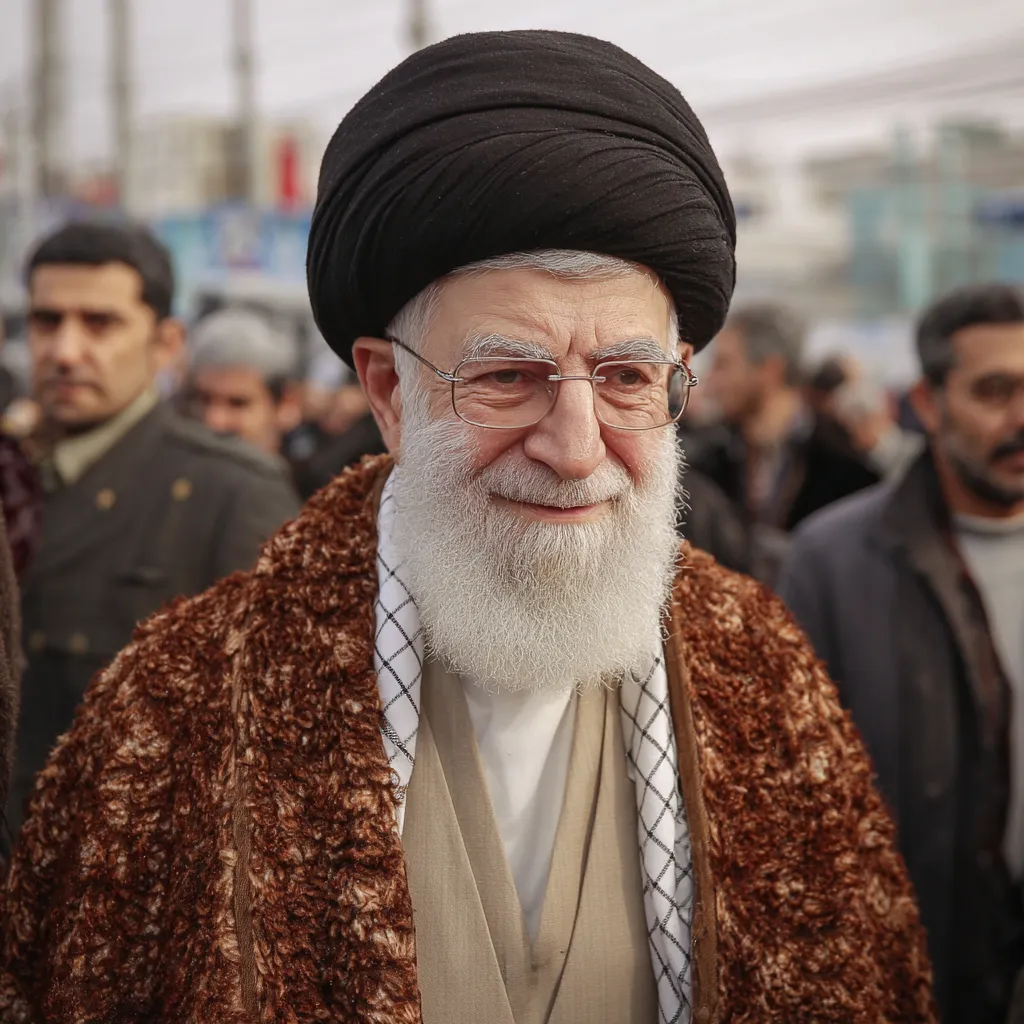
The Political Fallout: What Happens If Khamenei is Captured?
While the idea of capturing Khamenei might seem like a potential way to avoid war, the reality is far more complex. If such a move were to happen, the consequences could be seismic, both in Iran and across the globe.
Immediate Consequences in Iran and the Middle East
- Public Reaction in Iran: Khamenei is the face of the Iranian regime, revered by many as a symbol of strength and religious authority. His sudden removal could spark massive protests and unrest. Supporters of the regime might rally behind his successor, but those who oppose the government could see this as an opportunity to push for a regime change or even a revolution.
- The Power Vacuum: One of the immediate dangers of capturing Khamenei is the potential for a power vacuum. Without a clear successor, Iran’s political system could descend into chaos. Hardline factions might rise to power, potentially more dangerous than Khamenei himself. Alternatively, there could be a struggle for power between moderates and conservatives, which could destabilize the country even further.
- Regional Repercussions: Iran’s influence in the region is vast. Countries like Hezbollah in Lebanon, the regime in Syria, and even Iraq could experience immediate repercussions from Khamenei’s absence. Allies might rally to preserve the status quo, while adversaries may see this as a chance to strike.
The U.S. Strategy and Political Ramifications
For Trump, capturing Khamenei could also be seen as a political maneuver designed to shift the narrative around U.S. foreign policy and his legacy. Here’s how it could affect domestic and international politics:
- Trump’s Foreign Policy Doctrine: Trump has been criticized for his “America First” foreign policy, which focuses on direct action rather than diplomacy. Capturing Khamenei would fit within this doctrine, allowing Trump to take a bold and aggressive stance that could be framed as a victory for U.S. security.
- Domestic Political Impact: While some may cheer such an operation, others may see it as an overreach. There would be domestic fallout, both from the American public and from political opponents who argue that the operation could lead to further instability in the region. Additionally, the decision could have significant repercussions on Trump’s standing.
- Global Reactions: The international community would likely be divided. Allies such as Israel and Saudi Arabia might view this as a significant win, while adversaries like Russia and China would condemn it as a violation of international law and sovereignty.
The Risk of Regime Change: What Are the Dangers?
While capturing Khamenei could potentially save lives by avoiding war, the long-term consequences of such a drastic regime change could be far-reaching. The risks involved are not just geopolitical but could also spill over into the global economy.
The Unintended Consequences of Regime Change in Iran
- Power Struggles: Removing a leader as powerful as Khamenei is never a straightforward solution. Iran is not a democracy—there is no clear line of succession. After Khamenei’s removal, the country could fall into a prolonged period of instability, with various factions vying for control. This could lead to internal conflict, the rise of more extreme leaders, or even the collapse of the state.
- Regional Fallout: Iran plays a crucial role in the Middle East. Its influence extends to key players like Hezbollah in Lebanon, the regime in Syria, and Shiite militias in Iraq. A vacuum in Iranian leadership could embolden these groups, potentially leading to further conflict in the region and threatening global security.
- Global Economic Impact: Iran is a significant player in the global oil market. Any disruption to its political system could affect global oil prices, especially if it leads to instability in the Strait of Hormuz, one of the world’s most critical shipping routes. This could have a ripple effect on international markets and global trade.
Potential Pathways Forward: What If Trump Succeeds in This Bold Move?
If Trump were to succeed in capturing Khamenei, the world would be forever changed. Here’s what could unfold in the aftermath:
A New Political Era in Iran?
The capture of Khamenei might pave the way for a new political era in Iran, but what does that mean for the country’s future?
- A Transition in Leadership: Who would succeed Khamenei? Iran’s political system is deeply entrenched in religious authority. While some moderate figures could emerge as potential successors, it’s more likely that hardline leaders would seize power, at least initially. This transition would be messy and uncertain, but it could also present an opportunity for reform in the long run.
The Global Reaction: Allies, Adversaries, and International Law
- International Law: The capture of Khamenei would likely violate international law, as it would be seen as a direct assault on Iran’s sovereignty. This could result in condemnation from the United Nations and other global powers. How the U.S. handles the fallout would determine whether it can maintain its alliances or face widespread condemnation.
Conclusion: The Price of a New World Order
The capture of Ali Khamenei by the U.S. is a radical proposition, but one that could potentially reshape the future of the Middle East and U.S.-Iran relations. While the risks are high, the rewards could be even higher—avoiding war, preventing further destabilization, and opening the door to a new era of diplomacy. However, the consequences of such a drastic move cannot be underestimated. Whether you support or oppose such an idea, one thing is clear: the future of global politics is at a crossroads, and the decisions made today will shape the world for years to come.
Table of Contents
Iran–United States relations – Wikipedia
Iran’s Revolutionary Guard Defies US and Israel – trendsfocus