
Pancreatic cancer often feels like a word you never want to hear — but one that many people sadly encounter all too suddenly. Because it often shows few symptoms early on, and because it grows and spreads rapidly, pancreatic cancer has historically been one of the most difficult cancers to treat. Yet, you should know this: real progress is happening right now. In 2026, scientists are making discoveries that weren’t imaginable just a few years ago, and these advancements are reshaping how doctors treat pancreatic cancer and bringing genuine hope for the future.
This article will walk you through the current treatments available today, the latest breakthroughs in research that could lead to a cure, and what these developments mean for you — whether you’re a patient, a loved one, or someone seeking to understand the future of pancreatic cancer care.
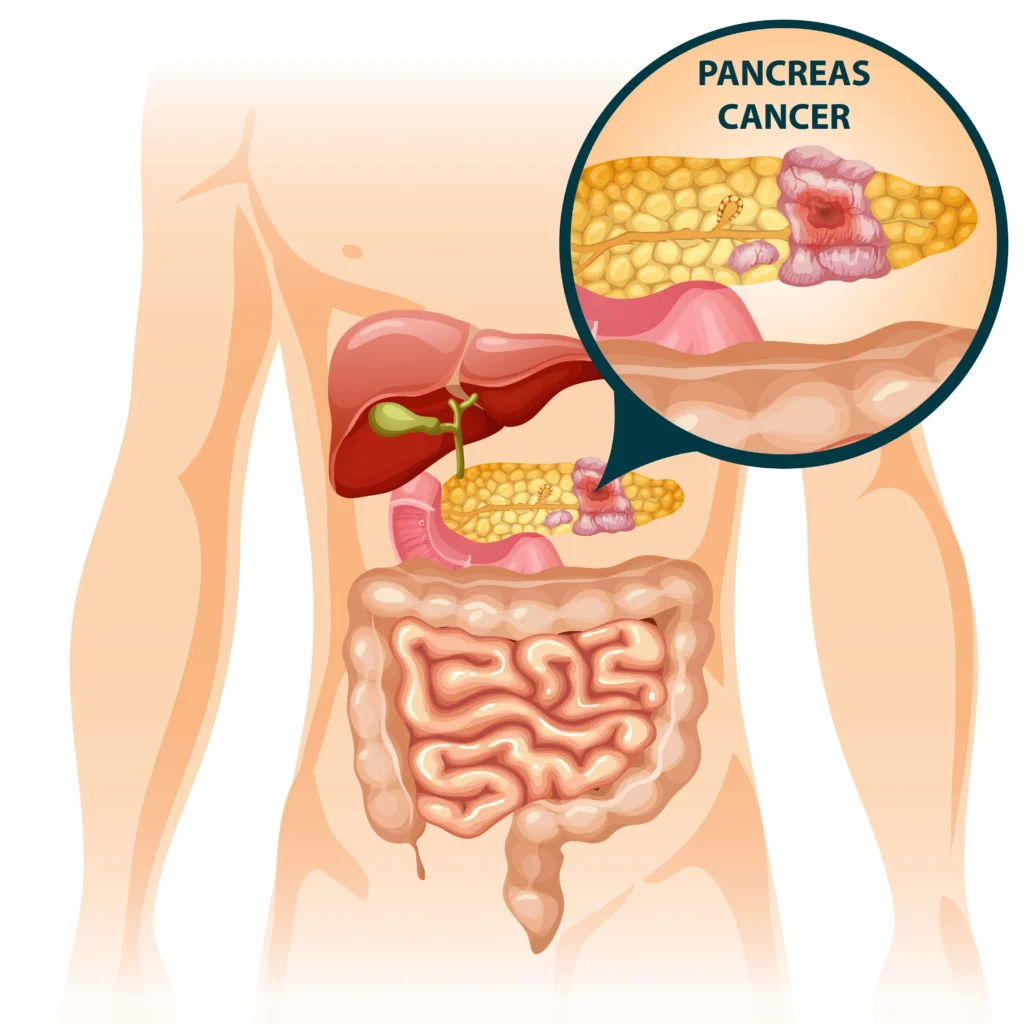
Understanding Pancreatic Cancer: What You Need to Know
Pancreatic cancer develops in the tissues of the pancreas — a vital organ tucked behind your stomach that helps with digestion and blood sugar regulation. The most common form begins in the ducts of the pancreas. Because it often doesn’t cause obvious symptoms until it has grown large or spread, detection tends to occur later than with many other cancers.
Why Early Detection Is Difficult
Unlike some cancers that can be found through routine screenings, pancreatic cancer typically doesn’t trigger clear warning signs early on. You might notice subtle symptoms like unexplained weight loss, abdominal discomfort, or changes in digestion, but these can easily be attributed to other, less serious causes. This delay gives the disease a head start, making treatment more complex. That’s why researchers are intensely focused on improving earlier detection — because catching pancreatic cancer sooner could dramatically improve outcomes.
Current Treatments: What’s Available Today
Although there is not yet a universal cure for pancreatic cancer, significant progress has been made in treatment options over the past decade. Here’s a look at the main approaches used today and what they mean for you.
Surgery: When It’s an Option
If your cancer is detected at an early stage and hasn’t spread beyond the pancreas, surgery is often the best chance for extended survival. The most common surgical procedure is known as the Whipple procedure, which involves removing the head of the pancreas along with parts of the small intestine, bile duct, and sometimes stomach.
What You Should Know About Surgery:
- It’s a major operation with a long recovery period.
- Only a minority of patients qualify because most pancreatic cancers are diagnosed after they’ve spread.
- When surgery is successful, it can significantly prolong life.
Although surgery doesn’t guarantee a cure, it remains one of the most effective tools in early-stage treatment.
Chemotherapy and Radiation: Core Therapies
If your cancer cannot be removed surgically or if surgery is not enough on its own, chemotherapy and radiation therapy are central to treatment.
Chemotherapy:
This treatment uses powerful drugs to attack cancer cells throughout your body. For pancreatic cancer, combinations of drugs are often used to try to slow tumor growth and help prevent progression.
Radiation Therapy:
Radiation uses high-energy beams to target cancer cells. It may be used alongside chemotherapy or after surgery to destroy remaining cancer cells.
Why These Matter to You:
- Chemotherapy and radiation don’t always stop the disease permanently, but they can shrink tumors, relieve symptoms, and extend your life.
- Side effects can be challenging, such as fatigue, nausea, and immune system suppression, but supportive care helps you manage these effects.
While not a cure in most cases, these treatments are foundational and continue to improve each year.
Targeted Therapy and Immunotherapy: Precision Approaches
In recent years, treatment has begun to move beyond traditional chemotherapy and radiation. New medicines aim to target the cancer itself more precisely:
Targeted Therapy:
These drugs attack specific weaknesses in cancer cells, interfering with the biological mechanisms the tumor needs to grow.
Immunotherapy:
Instead of directly attacking the tumor, immunotherapy strengthens your immune system so it can recognize and destroy cancer cells more effectively.
These approaches are promising because they focus treatment on the cancer itself — not just on damaging growing cells across the body. For many people, these therapies mean fewer side effects and better outcomes than conventional chemotherapy alone.
Latest Breakthroughs: What’s New in 2026
Triple‑Drug Therapy Reverses Tumors in Lab Studies
One of the most exciting developments of 2026 comes from research showing that a combination of three drugs completely eliminated pancreatic tumors in animal models. Unlike earlier treatments that only slowed growth or shrank tumors temporarily, this experimental therapy not only caused tumor regression but also prevented recurrence in the research setting.
What makes this discovery especially important is that pancreatic cancer is notorious for developing resistance to treatment. Finding a combination that overcomes that resistance could mark a turning point in how the disease is treated. While this discovery is still in the research phase and not yet available in clinics, it’s a critical step toward therapies that could be effective in humans in the near future.
New Clinical Trials Launching in 2026
Translational research — the process of turning scientific discoveries into real treatments — is rapidly accelerating for pancreatic cancer. In 2026, multiple advanced clinical trials have begun testing combinations of targeted therapy with chemotherapy to enhance survival rates and reduce side effects. These trials are enrolling patients around the world and represent some of the most promising treatment strategies to date.
Participating in clinical trials can sometimes offer access to groundbreaking treatments before they are widely available. If you’re interested, speak with your medical team about trials that might be suitable for your situation.
Blood Tests Aim to Detect Cancer Earlier
Another major development lies in early detection. Scientists are working on blood‑based biomarker panels that could identify pancreatic cancer at a much earlier stage than current methods allow. Early detection is one of the biggest barriers to improving survival, and a reliable screening blood test would be transformational.
These tests look for specific signals in the bloodstream that indicate the presence of cancer cells long before symptoms become obvious. While widespread clinical use is still in development, progress in this area brings hope that pancreatic cancer may one day be caught early enough for more effective intervention.
Understanding How Cancer Evades the Immune System
Research in 2026 has also peeled back more layers of how pancreatic cancer manipulates the surrounding tissue and immune system to protect itself. Pancreatic tumors create a dense, protective environment that makes it difficult for immune cells and medications to reach them effectively.
By understanding the biological “shield” that pancreatic tumors build, scientists are developing ways to disrupt that protection and make tumors more vulnerable to treatment. These insights are informing the next generation of immunotherapy approaches, which could, in the future, help your immune system identify and destroy cancer cells more successfully.
The Future of Pancreatic Cancer Cure Research
Although we don’t yet have a universal cure, the research landscape in 2026 is more hopeful and dynamic than ever before.
Personalized Medicine
One of the biggest shifts in cancer care is personalization — tailoring treatment to the unique genetic and biological profile of your tumor. By understanding the exact mutations driving your cancer, doctors can select therapies that are more likely to work for you specifically.
This precision approach is not just a buzzword; it’s already improving outcomes in other cancers and is rapidly becoming a core strategy in pancreatic cancer research.
Immunotherapy Gets Smarter
Immunotherapy won’t be a one‑size‑fits‑all solution, but improved understanding of tumor‑immune interactions is leading to smarter, more effective ways to use the immune system against pancreatic cancer. Researchers are exploring novel approaches like engineered immune cells that can better penetrate pancreatic tumors.
These experimental techniques may eventually become part of standard care, offering new tools for long‑term disease control and even cure.
Global Collaboration Drives Innovation
Funding for pancreatic cancer research has expanded worldwide, with institutes, universities, and biotech companies working together more closely than ever. This global collaboration accelerates discovery, speeds up clinical trials, and brings diverse expertise to one of the toughest challenges in oncology.
For you, this means more treatment options, more clinical trials, and faster improvements in care than at any time in history.
Lifestyle and Supportive Care: What You Can Do Now
While scientific advancements are critical, your day‑to‑day wellbeing also matters deeply. A comprehensive care plan includes not only medical treatment, but also lifestyle support and emotional resilience.
Nutrition and Physical Support
Proper nutrition is essential during treatment. Maintaining strength and energy through nutrient‑dense foods can help you tolerate therapy better and support your immune system. Work with a dietitian who understands cancer care to tailor a plan to your needs.
Emotional and Mental Support
Facing pancreatic cancer affects more than your body — it touches your emotional well‑being and the lives of everyone around you. Counseling, peer support groups, and mental health resources can help you navigate the emotional impact. You don’t have to go through this alone.
Pancreatic Cancer Cure: What It Means for You
Right now, there isn’t a guaranteed cure, but what is clear is that progress is accelerating. New combinations of drugs, earlier detection tools, smarter use of your immune system, and global research collaborations are all driving toward a future where pancreatic cancer becomes a more manageable disease — and one day, perhaps curable.
If you or someone you love is facing this diagnosis, stay hopeful and informed. Ask your medical team about the latest treatment options and clinical trials. Knowledge empowers you to make the best decisions for your care.

FAQ: Your Top Questions Answered
Q: Is there a cure for pancreatic cancer today?
Not yet, but treatments are improving, and researchers are getting closer every year. Breakthroughs in clinical trials and experimental therapies are offering more hope than ever before.
Q: What is the most promising new development?
Recent research has shown that certain combinations of drugs can shrink tumors more effectively and even prevent recurrence in lab studies, opening the door to powerful new treatment strategies.
Q: How can I access cutting‑edge treatments?
Talk with your oncologist about clinical trials and emerging therapies. Participating in a trial might give you access to treatments before they become standard.
Q: Does lifestyle affect outcomes?
Yes — supportive care like good nutrition, physical activity as tolerated, and emotional health can improve your quality of life and help you through treatment.
Conclusion: Hope in Action
Pancreatic cancer research is evolving rapidly. Today’s breakthroughs are laying the foundation for tomorrow’s cures. While there is still work to be done, the scientific community is more committed and better equipped than ever to defeat this disease.
👉 Stay informed. Stay proactive. Stay hopeful.
Talk with your care team about the latest treatment options and research advances. Your involvement in your treatment plan — and in possible clinical trials — could be a key part of the journey toward better outcomes and, ultimately, a cure.
Table of Contents
Scientists achieve pancreatic tumour regression in breakthrough study | Euronews
https://www.trendsfocus.com/recent-u-s-supreme-court-decisions-impact/