
Imagine waking up every day, feeling the weight of an invisible clock ticking down the seconds of our collective future. Each tick brings us closer to a catastrophe that could alter life as we know it. This isn’t a work of fiction; it’s the reality presented by the Doomsday Clock, a chilling symbol that measures how close we are to global disaster. Set at just 85 seconds to midnight, the clock has never been closer to signaling the end of days.
But why should you care? What does it mean for you and your future? The Doomsday Clock serves not only as a dire warning but also as a call to action, urging each of us to understand the grave threats facing our planet and work together to change course. In this article, we will explore the Doomsday Clock, why it’s set at 85 seconds to midnight, the factors driving it, and, most importantly, what you can do to make a difference.
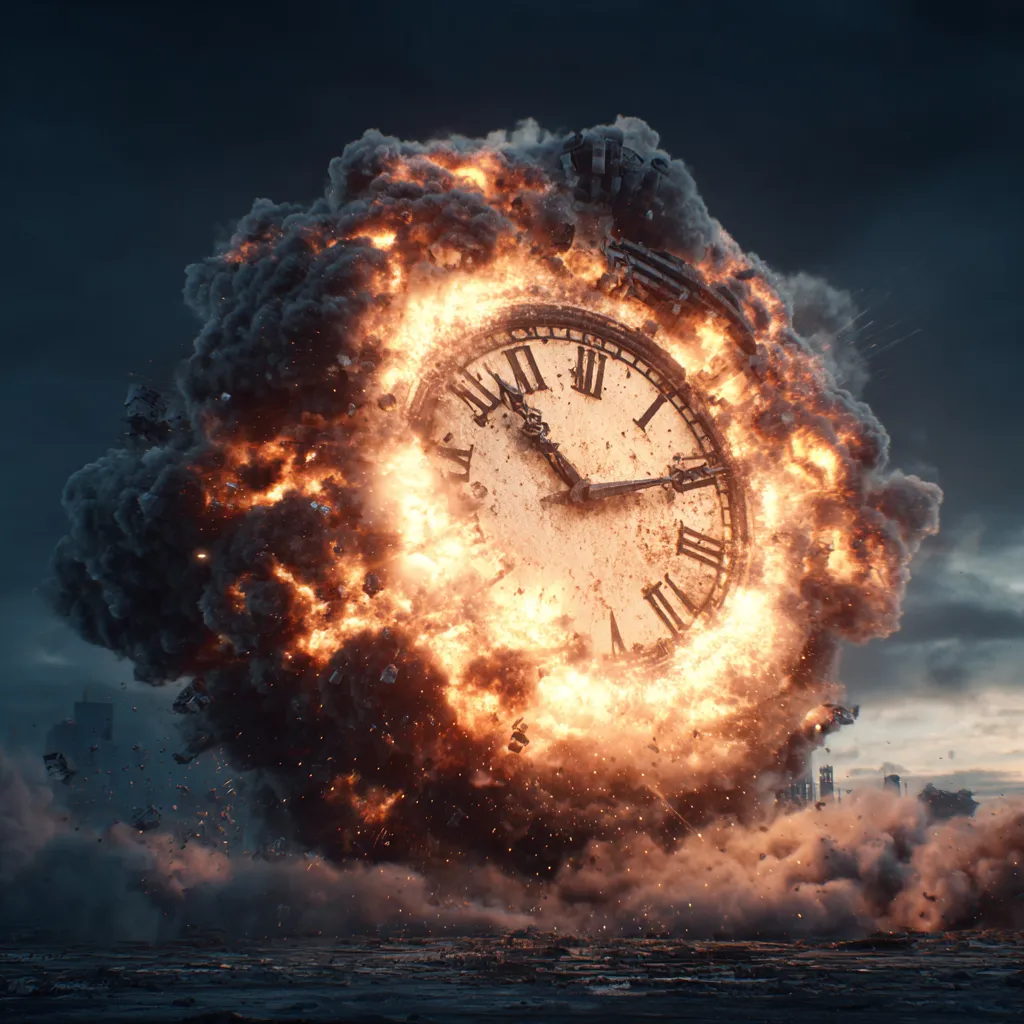
What is the Doomsday Clock?
Origins and Purpose of the Doomsday Clock
The Doomsday Clock was created in 1947 by the Bulletin of the Atomic Scientists. Its original purpose was to illustrate the threat of nuclear war during the Cold War era, when tensions between the United States and the Soviet Union were at their peak. Since then, the clock has evolved to reflect a wider range of global risks, including climate change, biotechnology, and cybersecurity threats.
But the core idea behind the clock remains the same: to represent how close we are to a global catastrophe, with midnight symbolizing the end of humanity or life as we know it. Over time, the clock has ticked forward and backward based on the state of global security and the environment, but the hands have never been as close to midnight as they are now.
How Does the Doomsday Clock Work?
The time on the Doomsday Clock is set by the Science and Security Board of the Bulletin of the Atomic Scientists, which includes scientists, experts, and leaders from various fields. Each year, the board assesses the global security landscape and determines whether the world has become safer or more dangerous.
Factors like nuclear threats, climate change, technological advancements, and geopolitical tensions are considered in this evaluation. As the global situation worsens—whether due to escalating conflicts, environmental degradation, or the misuse of technology—the clock moves closer to midnight. Conversely, progress in diplomacy, climate action, or disarmament can push the clock back.
Why is the Doomsday Clock Set at 85 Seconds to Midnight?
Global Threats Leading to the 85-Second Mark
The 85 seconds to midnight setting, which was announced in January 2023, marks the closest humanity has ever been to disaster. Several critical global issues contributed to this decision, including the following:
Nuclear Risk
- Tensions between nuclear powers, especially the war in Ukraine and the military posturing of Russia, have reignited fears of nuclear conflict.
- The risk of nuclear weapons use has grown, with world leaders facing difficult decisions in moments of crisis.
Climate Change
- Extreme weather events, rising sea levels, and the continued increase in global temperatures are indicators of the environmental crisis we are facing.
- The lack of global consensus on urgent climate action only exacerbates the situation, with nations failing to meet the targets set by international agreements like the Paris Climate Accord.
Cybersecurity and Disinformation
- Increasingly sophisticated cyberattacks have the potential to destabilize global infrastructure, including critical systems like power grids, water supplies, and transportation.
- The proliferation of disinformation, especially on social media, has caused political polarization and societal unrest, making it harder to reach consensus on important global issues.
Emerging Technologies
- The rise of artificial intelligence, biotechnology, and other technologies has the potential for great benefit, but also for catastrophic misuse if not carefully regulated.
As you can see, the convergence of these risks is what has driven the clock to its current setting. Each of these factors on its own is alarming, but together, they pose a near-irreversible threat to humanity’s survival.
The Impact of the Doomsday Clock on Public Awareness
How the Clock Influences Global Politics
The Doomsday Clock serves as a symbol of the urgency for action in the face of global threats. It is not just a scientific tool but a political one as well. When the clock ticks closer to midnight, governments around the world take notice. International leaders monitor the clock’s time to gauge public opinion and adjust their policies accordingly.
- The clock’s setting influences decisions on nuclear disarmament, climate action, and international security.
- Treaties like the Nuclear Non-Proliferation Treaty (NPT) and climate agreements are often shaped by the urgency conveyed through the clock.
The Role of the Media in Amplifying the Clock’s Message
The media plays a crucial role in spreading the message of the Doomsday Clock. News outlets, journalists, and activists use the clock to highlight the severity of global risks, sparking conversations and demanding action from policymakers.
- The media acts as a bridge between the Doomsday Clock and the public, educating people about the dangers we face.
- Coverage of the clock also fuels global movements like Fridays for Future, which aims to demand stronger climate policies from world leaders.
Through these channels, the Doomsday Clock ensures that global risks remain in the public eye, motivating individuals, organizations, and governments to take action.
What Can Be Done to Move the Clock Back?
The Role of Individuals and Collective Action
While the Doomsday Clock may seem like a distant concept, the reality is that you have the power to influence its time. Every action you take to reduce your carbon footprint, promote peace, or push for disarmament can help move the clock back.
Personal Actions You Can Take:
- Support renewable energy: Advocate for and invest in sustainable, renewable energy sources to reduce reliance on fossil fuels.
- Reduce waste: Be mindful of your consumption, recycle, and aim for zero waste in your daily life.
- Get involved in local activism: Join or support movements focused on climate change, nuclear disarmament, and peacebuilding.
Your individual actions, combined with collective efforts, can drive the change necessary to push the clock back and avert disaster.
The Role of Governments and Global Cooperation
While personal actions are important, the biggest impact will come from global cooperation and government policy. Governments must act decisively to address the most pressing threats to our survival.
Key Areas for Global Cooperation:
- Climate Action: Governments must strengthen commitments to reducing emissions and supporting climate justice globally.
- Nuclear Disarmament: Global treaties like the Treaty on the Non-Proliferation of Nuclear Weapons (NPT) must be reinforced, and efforts to reduce nuclear arsenals must accelerate.
- Technological Regulation: International frameworks must be created to ensure that emerging technologies like AI and biotechnology are developed safely and ethically.
Governments, in collaboration with global institutions, can play a critical role in resetting the Doomsday Clock by addressing these existential threats.
Conclusion: Why the Doomsday Clock Matters
The Doomsday Clock is more than just a symbol of impending doom. It serves as a powerful reminder of the precarious state of our world and the urgent need for action. At 85 seconds to midnight, we are closer than ever to facing a global catastrophe. However, it is not too late to change the course of history.
By taking responsibility, pushing for stronger policies, and supporting global cooperation, you can be part of the movement to push the clock back. The decisions we make today will determine the world our children inherit tomorrow. Together, we can reset the clock and secure a future that is safe, sustainable, and prosperous.
FAQ: Understanding the Doomsday Clock
What does the Doomsday Clock represent?
The Doomsday Clock symbolizes how close humanity is to global disaster, with midnight representing the ultimate catastrophe. The time on the clock reflects the severity of existential threats like nuclear war, climate change, and emerging technologies.
Why is the Doomsday Clock set at 85 seconds to midnight?
The clock was set to 85 seconds to midnight in 2023 due to escalating nuclear threats, the climate crisis, and cybersecurity vulnerabilities, among other global risks.
How does the Doomsday Clock affect public awareness?
The Doomsday Clock raises awareness about critical global issues by serving as a visual representation of the urgency to act. It influences public opinion, media coverage, and political action on issues like climate change and nuclear disarmament.
What can be done to move the Doomsday Clock back?
To move the Doomsday Clock back, individuals can take actions to reduce their carbon footprint and support movements for peace and disarmament. Governments must also strengthen international cooperation and policies to address global risks.
By understanding the Doomsday Clock and the factors that influence it, you become part of the conversation that could ultimately change the world. Start by taking small steps, but push for large-scale action. Your involvement can help reset the clock and create a safer future for everyone.