
Introduction: The Global Stage of Davos – A Crucible for Change
Imagine a snowy Swiss town, surrounded by towering mountains, hosting one of the world’s most influential gatherings: the annual World Economic Forum (WEF) in Davos. It’s here, in this secluded setting, that global leaders, thinkers, entrepreneurs, and change-makers converge to discuss some of the most pressing issues affecting our world. At the heart of this year’s discussions, you’ll find the U.S. agenda. As the world’s economic powerhouse, political leader, and a key innovator in technology and sustainability, the U.S. wields significant influence. But what does this mean for the global conversation? In 2026, as you tune in to the debates and decisions shaping our future, understanding how the U.S. agenda plays a crucial role in these discussions can provide you with valuable insight into the world’s trajectory.
This article will explore how the U.S. agenda shapes the global discourse in Davos 2026, examining the key areas of economic leadership, environmental sustainability, technological advancement, and global diplomacy. You’ll also discover the ripple effect these decisions have on emerging economies and how global collaboration or division is influenced by U.S. policy and leadership.

Understanding the U.S. Role in Davos 2026
The Global Importance of Davos
Davos is more than just a networking event; it is the forum where the world’s most important decisions are made. Each year, global leaders gather to discuss everything from economic growth to climate change, healthcare, and technology. This exclusive gathering is not just a showcase of political power—it’s where action happens. What is decided here has the potential to reshape entire industries, countries, and global policies.
Why the U.S. Dominates the Conversation
The United States, as a global superpower, plays a pivotal role in shaping these conversations. Its influence stems from its economic size, military might, cultural output, and technological innovation. In 2026, U.S. policies will be closely scrutinized, as these decisions will impact not just America but the entire global community. The question is: how will the U.S. leverage its position at Davos 2026 to set the tone for the future?
The U.S. agenda at Davos is significant because its decisions affect not only national policies but also global trade, environmental agreements, and the future of international relations.
Key Areas of U.S. Influence at Davos 2026
Economic Leadership: U.S. Economic Policy and Global Implications
As the largest economy in the world, U.S. economic policies have far-reaching consequences. In 2026, you can expect the U.S. to focus heavily on strengthening its economy, navigating international trade, and ensuring the stability of global financial markets.
- Overview of U.S. Economic Policies in 2026
- The U.S. government is expected to implement policies that balance economic growth with social responsibility. Initiatives to reduce national debt, enhance job growth, and foster international trade will be a priority.
- In Davos 2026, the U.S. will likely focus on trade deals that benefit both domestic interests and global partners. New tax policies and government spending initiatives are also expected to take center stage.
- How U.S. Actions Affect Global Trade
- U.S. trade policies directly influence global markets. In recent years, tariffs and sanctions have reshaped global trade dynamics. In Davos, you’ll see discussions on how these policies will evolve and the potential effects on emerging economies.
- You’ll also see debate about how the U.S. can engage with trading partners like China, the European Union, and India. The implications for global trade will reverberate far beyond Davos.
Environmental Priorities: The U.S. and Global Sustainability Goals
The U.S. has long been a key player in environmental discussions. In 2026, the U.S. will continue to be at the forefront of global sustainability efforts, driving innovation in clean energy and climate action.
- The U.S. Push for Green Innovation
- U.S. companies and policymakers are expected to champion green technologies such as renewable energy, electric vehicles, and carbon capture technologies. These efforts align with the broader global goal of reducing carbon emissions and addressing climate change.
- In Davos, the U.S. will likely push for greater international cooperation on climate change, aiming to leverage its technological leadership to accelerate progress toward a sustainable future.
- Global Collaboration on Climate Change
- Davos will feature discussions on how nations can collaborate to meet the goals set forth in the Paris Agreement. The U.S. agenda will be critical in determining whether countries strengthen or weaken their commitments to fighting climate change.
- Expect to see discussions on U.S.-led initiatives to foster green innovation and how other nations will align with or resist these efforts. The outcome of these discussions will set the stage for future environmental policies globally.
Technology and Innovation: U.S. Tech Leadership at Davos 2026
As the global leader in technology, the U.S. will continue to set the pace for innovation at Davos 2026. U.S. companies are not just shaping the future—they are defining it.
- The U.S. as a Tech Superpower
- U.S. companies like Google, Apple, Amazon, and Microsoft will be major players in shaping the technological future. Expect discussions on artificial intelligence (AI), cybersecurity, and space exploration to dominate the conversation.
- The U.S. is likely to promote policies that foster tech innovation while also addressing concerns over data privacy and security.
- Global Tech Policies: U.S. Influence on International Regulation
- The U.S. will have a significant influence on how the global tech landscape evolves. You’ll see discussions on international tech regulation, such as data protection laws, AI ethics, and cybersecurity standards.
- The U.S. will likely push for a global framework that ensures fair competition, consumer protection, and the ethical use of technology.
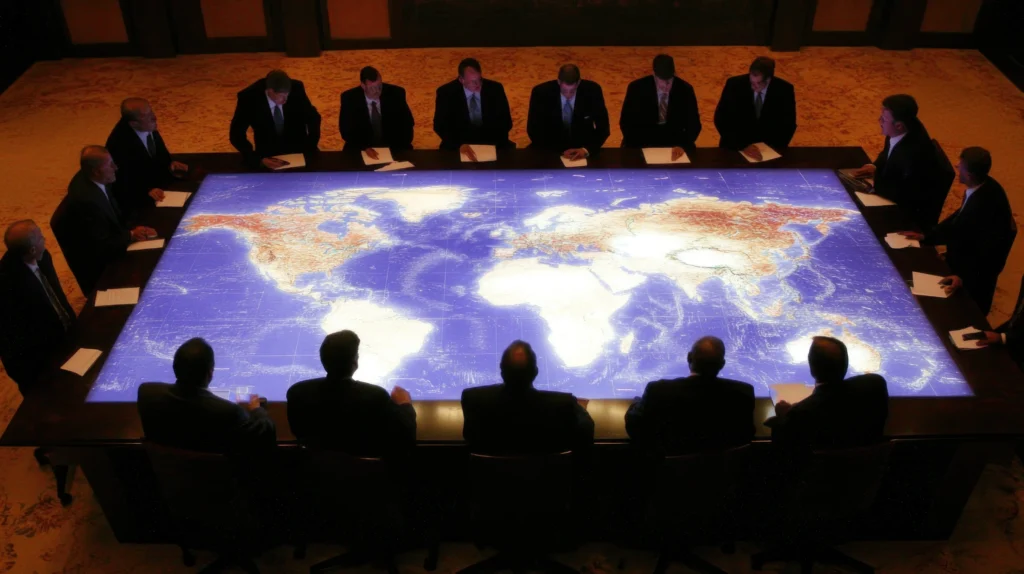
The U.S. Political Agenda and its Influence on Global Diplomacy
U.S. Foreign Policy Shaping Davos 2026 Conversations
In 2026, U.S. foreign policy will be a focal point at Davos. As the world’s leading military power, the U.S. approach to international relations and security will be under the microscope.
- U.S. Approach to Global Diplomacy in 2026
- You’ll hear debates on how the U.S. will navigate geopolitical tensions, particularly with China, Russia, and Iran. The U.S. agenda will likely focus on maintaining global security while promoting democratic values and human rights.
- You can expect to see discussions on how the U.S. will handle ongoing conflicts and peace efforts, particularly in the Middle East and Eastern Europe.
- Global Security and U.S. Military Presence
- The U.S. military presence in key regions, including Europe, the Pacific, and the Middle East, will continue to influence global security discussions. At Davos, U.S. defense policies and their impact on global peacekeeping operations will be a critical topic.
- Expect to hear how the U.S. will address emerging security threats, such as cyber warfare, nuclear proliferation, and regional conflicts.
Human Rights and Social Justice: U.S. Advocacy at Davos
In addition to security concerns, the U.S. will also bring social justice issues to the forefront of global discussions. The U.S. agenda in 2026 will emphasize human rights, gender equality, and support for marginalized communities.
- The U.S. as a Beacon of Human Rights
- You’ll see the U.S. advocating for human rights worldwide, from addressing racial inequality to supporting LGBTQ+ rights. The U.S. will push for stronger global commitments to democracy, civil liberties, and justice.
- Expect to see discussions on how the U.S. can work with international organizations to promote social justice and human rights.
The Ripple Effect: How the U.S. Agenda at Davos Impacts Other Nations
The Influence on Emerging Economies
As the U.S. sets its agenda at Davos, its decisions will directly affect developing nations. Trade policies, investments, and technological advancements from the U.S. can create both opportunities and challenges for emerging economies.
- How U.S. Economic Policies Impact Developing Nations
- U.S. economic decisions can create new trade opportunities for emerging markets, but they can also create obstacles. You’ll hear how developing nations can align with U.S. policies to enhance their economic growth or resist certain pressures.
Global Collaboration or Division?
The U.S. leadership in Davos 2026 will either foster global unity or contribute to geopolitical divisions. You’ll see debates on how the U.S. approach to issues like climate change, technology, and security will either bring countries together or drive them apart.
What Can We Expect from Davos 2026? The Road Ahead
Predictions for Global Trends in 2026
The U.S. agenda at Davos will shape key global trends in 2026, including:
- The continued rise of green technologies and environmental innovation
- Advancements in AI and cybersecurity
- Greater global collaboration on human rights and democratic values
Will Davos 2026 Mark a Turning Point?
Davos 2026 could be a turning point in global diplomacy, economic policy, and environmental action. The decisions made here will affect not just the U.S. but the entire world.

Conclusion: The U.S. Agenda and Our Shared Future
The U.S. agenda at Davos 2026 will influence global decisions for years to come. As a global citizen, it’s essential to understand how these policies shape the world we live in. From trade to sustainability and human rights, the decisions made in Davos will affect everyone.
As we look ahead, it’s important for us to stay engaged, informed, and ready to participate in shaping the future. The dialogue at Davos is not just for policymakers—it’s for all of us. The choices made today will create the world of tomorrow. Let’s make sure we’re part of that conversation.
FAQ: Davos 2026: How the U.S. Agenda Shapes Global Discussions
What is the U.S. agenda at Davos 2026?
The U.S. agenda at Davos 2026 includes driving economic growth, addressing climate change, advancing technology, and strengthening global security. The U.S. will focus on policies that shape global trade, sustainability, and tech innovation.
How does the U.S. impact global trade discussions at Davos?
The U.S. trade policies—such as tariffs, sanctions, and trade deals—are critical to shaping global markets. These policies will be discussed at Davos 2026 and could have significant effects on emerging economies.
What is the significance of U.S. leadership on climate change at Davos 2026?
The U.S. will continue to be a key player in driving global sustainability efforts. Expect to see discussions on green energy, climate change policies, and how the U.S. will push for greater global cooperation on environmental goals.
How does the U.S. agenda affect emerging economies at Davos 2026?
The U.S. economic policies, trade agreements, and technological advancements will directly impact emerging economies. These nations will either benefit from U.S. initiatives or face challenges depending on their alignment with U.S. priorities.
What can we expect from global diplomacy at Davos 2026?
At Davos, the U.S. will shape discussions on global security, human rights, and international relations. The outcome will either promote global collaboration or lead to divisions, depending on how the U.S. engages with other nations.
Table of Contents
Insurrection Act 2026: What Risks Does It Pose for the U.S.? – trendsfocus
Davos 2026: What to expect, who’s coming and how to follow | World Economic Forum