
Why the Evolution of Sports Equipment Feels Personal
Think back to the first time you held a piece of sports equipment that truly mattered to you. Maybe it was your first cricket bat, a pair of running shoes you saved months for, or a helmet that made you feel invincible. That moment wasn’t just about gear — it was about confidence, aspiration, and the belief that you could do better.
Today, that feeling hasn’t changed. What has changed is the equipment itself.
The evolution of sports equipment is no longer slow or incremental. It’s fast, intelligent, and deeply connected to how you train, how you compete, and how long you stay injury-free. Modern sports gear doesn’t just support your performance — it actively shapes it. As innovation accelerates, understanding what’s next isn’t optional anymore. It’s essential if you want to stay ahead, whether you’re an athlete, a coach, or simply someone who loves sports.
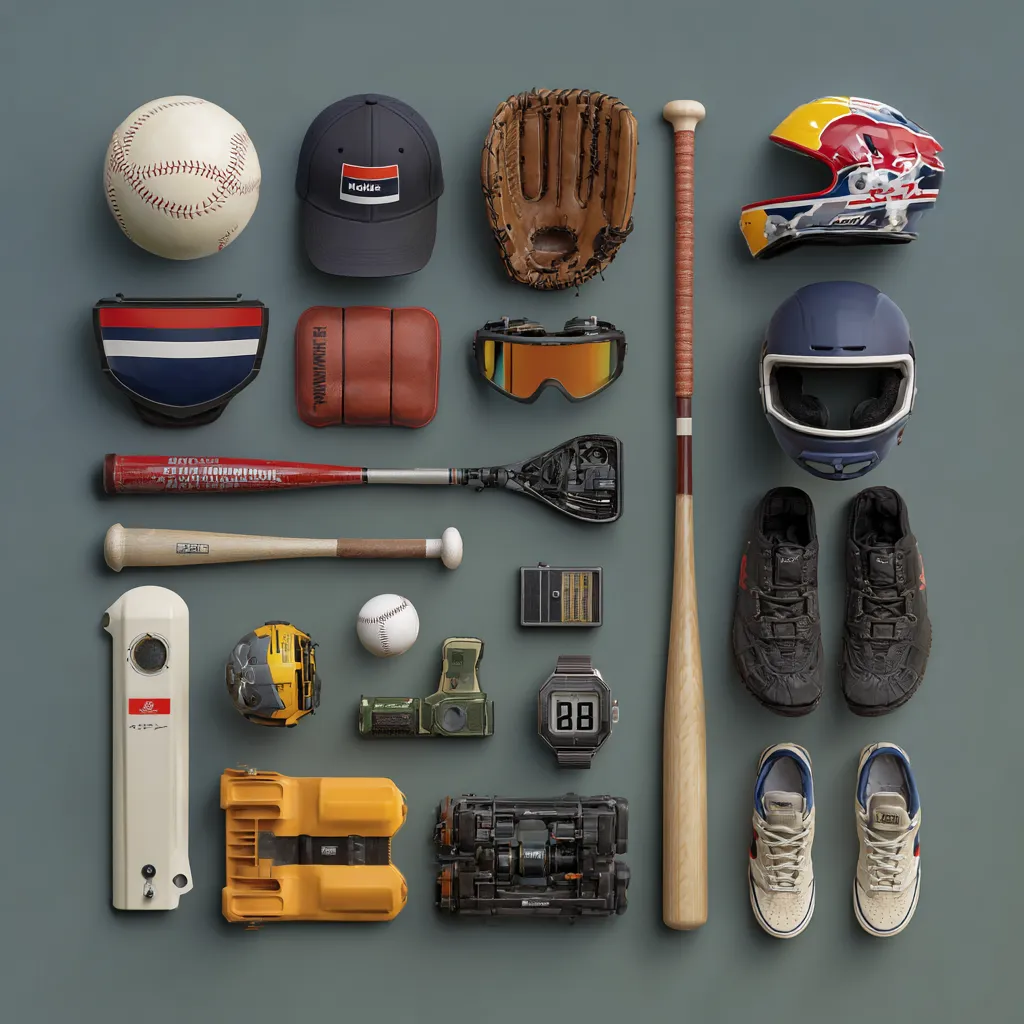
Understanding the Evolution of Sports Equipment
What Does the Evolution of Sports Equipment Really Mean?
At its core, the evolution of sports equipment refers to how athletic gear has transformed over time in response to human needs, scientific understanding, and technological capability. What once focused purely on function now balances performance, safety, comfort, and data intelligence.
When you look closely, this evolution affects:
- How efficiently you move
- How safely you train
- How quickly you recover
- How consistently you perform
Sports equipment is no longer passive. It interacts with your body, your environment, and increasingly, your data.
Why Innovation in Sports Equipment Matters to You
Innovation matters because the demands placed on athletes have never been higher. Faster games, longer seasons, and greater competition mean your equipment must do more than just “work.”
Modern innovation helps you:
- Reduce injury risk through smarter protection
- Improve output using lighter, stronger materials
- Train more intelligently with feedback-driven tools
- Extend your athletic lifespan
The evolution of sports equipment is about helping you push limits without breaking your body.
A Brief History of the Evolution of Sports Equipment
Early Sports Equipment: Built for Survival, Not Performance
In early civilizations, sports equipment was shaped by what nature provided. Wood, leather, bone, and stone formed the foundation of early tools. These items were heavy, inconsistent, and offered little protection.
Performance depended almost entirely on skill and physical endurance. Equipment simply enabled participation — it didn’t enhance ability.
The Industrial Shift and Standardization
The industrial era changed everything. Manufacturing made equipment:
- More consistent
- Widely available
- Easier to regulate
Rubber balls, metal frames, and stitched padding brought reliability. This period also introduced standard sizes and rules, creating fairer competition and safer play.
The Late 20th Century: Performance Becomes the Priority
As sports science matured, equipment design shifted toward optimization. Synthetic fibers, lightweight alloys, and ergonomic shapes entered the mainstream.
You began to see:
- Lighter shoes that improved speed
- Protective gear that absorbed impact
- Aerodynamic designs that reduced drag
This stage laid the groundwork for today’s technology-driven evolution of sports equipment.
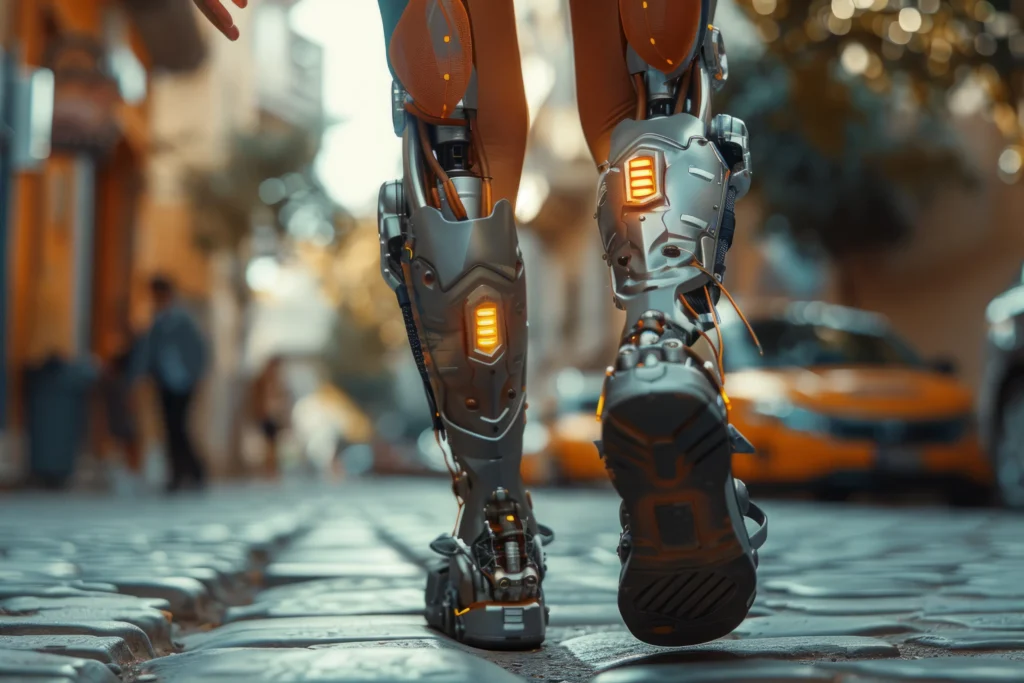
Modern Innovations Driving the Evolution of Sports Equipment
Advanced Materials Changing the Game
Material science sits at the heart of modern innovation. Today’s sports equipment uses materials engineered at microscopic levels to deliver strength without weight.
Key materials shaping performance include:
- Carbon-based composites for stiffness and control
- High-impact polymers for shock absorption
- Flexible synthetic fibers for comfort and movement
For you, this means equipment that feels natural while delivering measurable performance gains.
Smart Sports Equipment and Wearable Technology
One of the most significant shifts in the evolution of sports equipment is intelligence. Sensors embedded directly into gear now track motion, force, speed, and fatigue.
Smart equipment allows you to:
- Monitor technique in real time
- Identify injury risk before pain appears
- Adjust training based on actual performance data
This transforms training from guesswork into precision.
Customization and Personalization
No two bodies move the same way, and modern equipment reflects that reality. Custom-fit gear, made using scans and digital modeling, adapts to your unique biomechanics.
Personalized equipment helps you:
- Move more efficiently
- Reduce stress on joints
- Maintain consistency under pressure
The evolution of sports equipment is shifting from “one-size-fits-all” to “built-for-you.”
The Role of Data and AI in the Evolution of Sports Equipment
How AI Is Reshaping Equipment Design
Artificial intelligence allows designers to simulate years of wear, stress, and performance in virtual environments. Equipment can now be refined before it ever reaches your hands.
AI-driven design improves:
- Durability
- Balance and weight distribution
- Performance predictability
For you, this results in gear that feels tested long before you test it yourself.
Data-Driven Training and Injury Prevention
Data is becoming as valuable as physical training. Smart equipment collects movement patterns and workload metrics that reveal inefficiencies and risk zones.
This allows you to:
- Train smarter, not harder
- Adjust technique before injury develops
- Recover based on real physiological feedback
The evolution of sports equipment is closely tied to keeping you healthier for longer.
Sustainability and Ethics in the Evolution of Sports Equipment
Eco-Friendly Materials and Manufacturing
As awareness grows, sustainability is becoming a core pillar of innovation. Equipment brands are exploring recycled materials, bio-based alternatives, and cleaner manufacturing processes.
Sustainable innovation benefits you by:
- Reducing environmental impact
- Encouraging long-lasting products
- Supporting responsible industry practices
Ethical Manufacturing and Transparency
Modern consumers care about where and how equipment is made. Ethical labor practices and transparent sourcing are increasingly shaping purchasing decisions.
The evolution of sports equipment now includes values — not just performance.
Circular Models and Longevity
Instead of disposable gear, the future points toward repairable, recyclable, and upgrade-friendly equipment. This approach reduces waste while improving long-term value for you.
What’s Next for Innovation in the Evolution of Sports Equipment?
Emerging Technologies to Watch
The next phase of innovation will blur the line between athlete and equipment.
Expect to see:
- Gear that adapts to fatigue levels
- Equipment that responds to environmental conditions
- Recovery tools integrated directly into training wear
Human and Technology Integration
Future sports equipment won’t just support your movement — it will respond to it. Intelligent systems may adjust cushioning, stiffness, or resistance in real time.
This creates a feedback loop where your body and equipment work as one system.
Accessibility and Democratization
As technology matures, advanced equipment will become more affordable. This ensures innovation benefits not only elite athletes but also grassroots players and fitness enthusiasts like you.
Challenges Facing the Future of Sports Equipment Innovation
Cost Versus Accessibility
Advanced materials and smart systems increase costs. The challenge lies in balancing innovation with affordability so more people can benefit.
Regulation and Fair Play
As equipment becomes more advanced, governing bodies must decide where to draw the line. Innovation must enhance sport, not replace skill.
Data Privacy and Ownership
When your equipment collects data, questions arise:
- Who owns that data?
- How is it stored?
- How is it used?
Ethical data management will define trust in the next stage of the evolution of sports equipment.
Conclusion: The Evolution of Sports Equipment Is the Evolution of You
The evolution of sports equipment reflects a deeper truth — your desire to move better, perform longer, and protect your body while chasing goals. What started as simple tools has become intelligent systems designed to amplify human potential.
As innovation continues, sports equipment will no longer be something you use. It will be something that understands you.
The future of sport isn’t about replacing effort or skill. It’s about giving you the tools to express both at your highest level.
FAQ: The Evolution of Sports Equipment
How does the evolution of sports equipment affect athletes today?
It improves performance, reduces injury risk, and allows for smarter training through data and personalization.
Why is technology important in the evolution of sports equipment?
Technology enables precision, adaptability, and feedback that traditional equipment cannot provide.
Is advanced sports equipment making sports unfair?
Innovation enhances performance, but regulations exist to maintain balance and fair competition.
What innovations will shape the future of sports equipment?
Adaptive materials, AI-driven feedback, sustainable design, and personalized performance systems.
Why is sustainability important in the evolution of sports equipment?
It ensures long-term environmental responsibility while creating durable, ethical products.
Your Next Move
If you care about performance, safety, and the future of sport, staying informed is no longer optional. Follow developments, question the gear you use, and choose equipment that supports not just how you play — but how long you can keep playing.
The evolution of sports equipment is happening now. Make sure you’re part of it.
Table of Contents
How to Build a Winning Mindset in Competitive Sports – trendsfocus