
Think about the last time you promised yourself that you would stick to a workout routine. Perhaps you bought new running shoes, joined a gym, or downloaded a fitness app with the best intentions. Yet after a few weeks, the excitement faded, and your motivation followed. If this sounds familiar, you’re far from alone.
One of the biggest challenges in fitness isn’t finding the “perfect” workout—it’s staying engaged long enough to see meaningful results. That’s where technology is changing the game. In 2026, the intersection of virtual reality and fitness has evolved from a futuristic concept into a practical solution that makes exercise more immersive, entertaining, and personalized than ever before.
Instead of staring at a treadmill display or counting endless repetitions, you can climb mountains without leaving your living room, spar against a virtual boxing coach, dance through colorful digital worlds, or compete with friends across the globe. Every workout becomes an experience rather than a chore.
The rapid advancement of VR headsets, artificial intelligence, wearable sensors, and cloud-connected fitness platforms has created entirely new ways to improve physical health while keeping motivation high. Whether your goal is weight loss, muscle building, cardiovascular health, stress reduction, or simply making exercise enjoyable again, virtual reality offers opportunities that traditional workouts often cannot.
In this guide, you’ll discover how VR is transforming the fitness industry, why millions of people are embracing immersive workouts, and what the future of exercise could look like as technology continues to reshape the way you move.
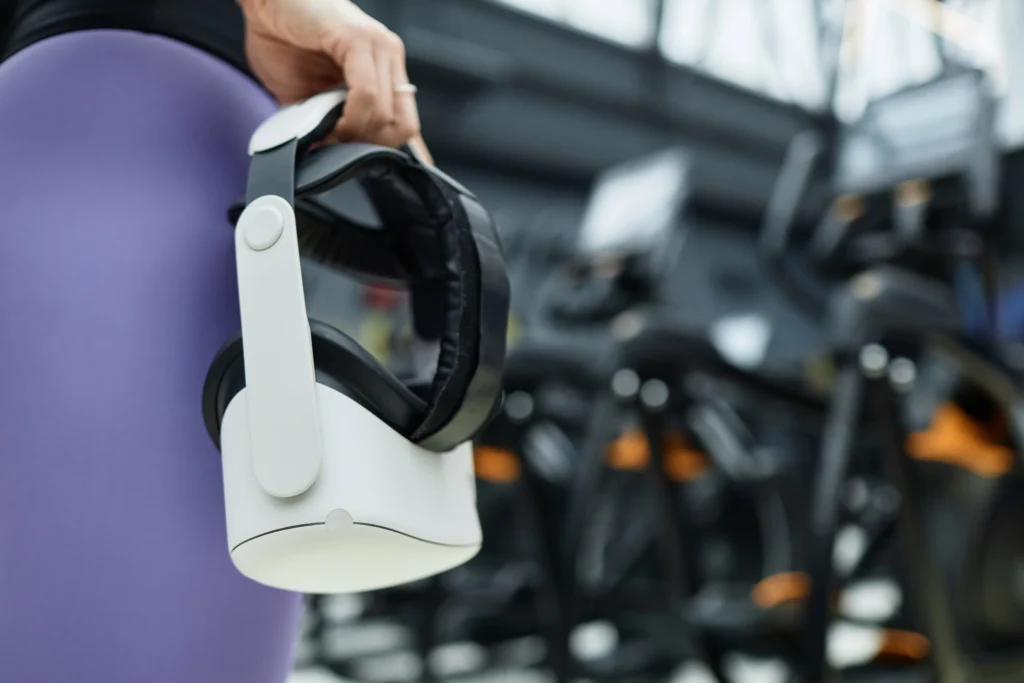
What Is the Intersection of Virtual Reality and Fitness?
The intersection of virtual reality and fitness refers to the integration of immersive VR technology with physical exercise to create engaging workout experiences. Rather than exercising while watching a television or following a standard video, you enter a three-dimensional digital environment where your body movements directly influence what happens around you.
Your headset tracks head movement while handheld controllers and body sensors monitor your actions. As you punch, squat, jump, stretch, or dodge, the virtual environment responds instantly, making each workout feel like an interactive game.
This combination of technology and exercise transforms traditional fitness into something far more engaging.
How Virtual Reality Works
Virtual reality creates computer-generated environments that replace your physical surroundings with immersive digital worlds.
Modern VR fitness systems typically include:
- A wireless VR headset
- Motion controllers
- Inside-out body tracking
- Hand tracking technology
- Built-in spatial audio
- Optional heart-rate monitoring
- AI-powered coaching features
Together, these technologies create an experience where your movements become part of the game or workout.
For example, if you’re participating in a virtual boxing class, every jab, hook, duck, and uppercut is tracked with remarkable accuracy. During a cycling simulation, you may feel as though you’re riding through alpine roads or tropical forests despite remaining indoors.
How Virtual Reality Differs From Traditional Exercise
Traditional workouts often rely on repetition.
You may spend 30 minutes:
- Running on a treadmill
- Lifting weights
- Using an exercise bike
- Following a workout video
While effective, these routines can become repetitive over time.
VR fitness changes the experience by giving every movement a purpose.
Instead of simply performing exercises, you’re completing missions, competing in challenges, solving obstacles, or exploring virtual environments.
This shift creates a stronger sense of motivation because your attention stays focused on the experience rather than the effort itself.
Why Fitness Is Embracing Virtual Reality
Several trends have accelerated the adoption of VR fitness.
Greater Engagement
One of the biggest reasons people abandon exercise is boredom.
VR transforms exercise into entertainment.
Rather than watching the clock, you’re focused on:
- Winning competitions
- Unlocking achievements
- Exploring new locations
- Improving game scores
- Completing daily challenges
The result is that workouts often feel shorter—even when they’re more physically demanding.
Personalized Coaching
Artificial intelligence has become a powerful fitness companion.
Modern VR platforms can analyze your:
- Speed
- Accuracy
- Heart rate
- Recovery
- Endurance
- Balance
- Coordination
Using this information, AI adjusts workouts to match your current fitness level.
If you’re progressing quickly, the difficulty increases. If you’re struggling, the system adapts automatically to help you improve without becoming discouraged.
Accessibility
One of the most appealing aspects of VR fitness is convenience.
You don’t need:
- A gym membership
- Expensive equipment
- A personal trainer
- Long commutes
- Large workout spaces
Many workouts require only a headset and a small open area in your home.
That accessibility has made immersive fitness attractive to busy professionals, students, parents, and older adults alike.
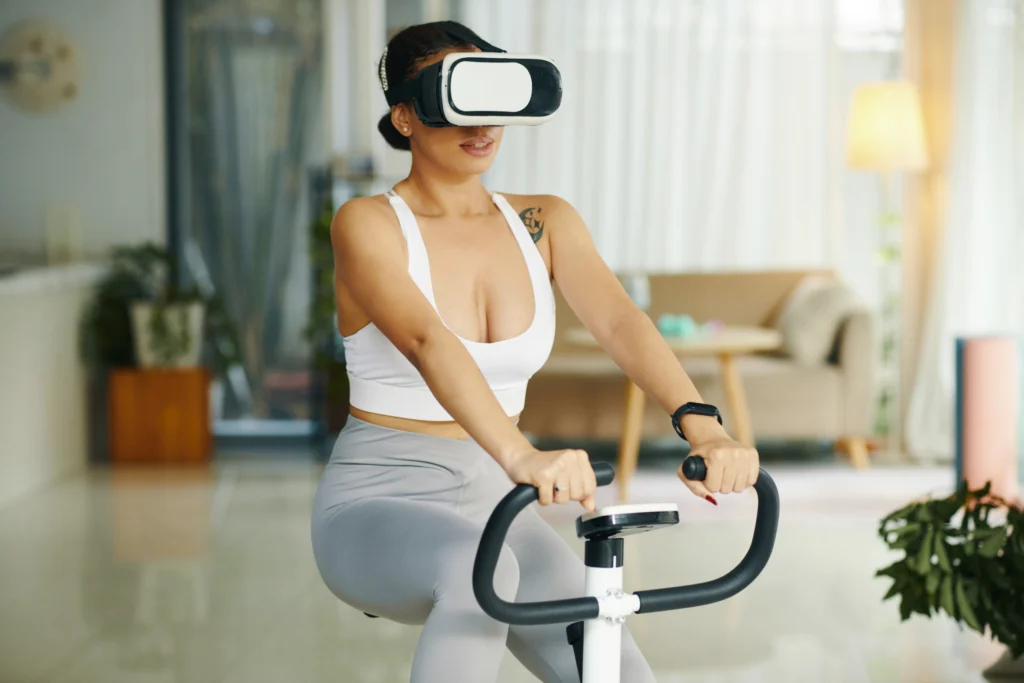
Why Virtual Reality Fitness Is Booming in 2026
Only a few years ago, VR workouts were considered a niche hobby for technology enthusiasts. Today, they’re becoming part of mainstream fitness culture.
Several technological advances have driven this rapid growth.
Better VR Hardware
Modern headsets are dramatically different from earlier generations.
Today’s devices offer:
- Higher-resolution displays
- Lighter designs
- Longer battery life
- Faster processors
- Improved comfort
- More accurate tracking
Because headsets are lighter and easier to wear during longer sessions, users can complete full workouts comfortably.
Wireless technology has also eliminated many of the cables that previously restricted movement.
Artificial Intelligence Is Making Workouts Smarter
AI is changing far more than workout recommendations.
Today’s intelligent fitness systems can:
- Detect improper posture
- Suggest recovery periods
- Monitor fatigue
- Recommend exercise intensity
- Personalize future sessions
- Analyze long-term progress
Rather than following generic routines, you’re receiving guidance that evolves alongside your fitness journey.
This creates a far more personalized experience than traditional fitness videos.
Home Fitness Has Become the New Normal
The popularity of home workouts continues to grow.
Many people now prefer exercising at home because it offers:
- Greater flexibility
- Privacy
- Time savings
- Lower long-term costs
- Consistent routines
Virtual reality adds another layer by making home workouts exciting rather than repetitive.
Instead of staring at four walls, you could be hiking through Iceland, rowing across tropical waters, or participating in a futuristic obstacle course.
Gamification Keeps You Coming Back
Gamification is one of the strongest psychological drivers behind VR fitness.
Rather than focusing solely on calories burned, VR introduces elements commonly found in video games.
These include:
- Achievement badges
- Experience points
- Daily rewards
- Global rankings
- Multiplayer competitions
- Seasonal events
- Unlockable content
These features encourage consistency by making every workout feel rewarding.
Many users report exercising longer simply because they become immersed in completing challenges.
Social Fitness Is Growing
Working out alone isn’t ideal for everyone.
Virtual reality allows you to train alongside friends regardless of location.
You can:
- Join live fitness classes
- Compete in tournaments
- Race other participants
- Exercise with family members
- Participate in global fitness events
This social interaction helps improve accountability while making exercise more enjoyable.
For many people, the community aspect becomes just as important as the workout itself.
Improved Mental Health Awareness
Fitness is no longer viewed solely as a way to build muscle or lose weight.
More people recognize exercise as an important tool for improving mental well-being.
VR fitness contributes by combining:
- Physical activity
- Relaxing environments
- Guided meditation
- Stress relief
- Mindfulness
- Interactive breathing exercises
Imagine finishing an intense cardio workout before instantly transitioning into a peaceful mountain meditation surrounded by waterfalls and birdsong.
That seamless combination of movement and relaxation is something traditional gyms struggle to provide.
Technology Is Becoming More Affordable
Another reason VR fitness is expanding is affordability.
Competition among manufacturers has lowered the cost of:
- VR headsets
- Motion sensors
- Fitness subscriptions
- Wearable devices
As prices continue to decrease, immersive fitness becomes accessible to a broader audience.
For many households, purchasing a VR headset can cost less than maintaining an annual gym membership while offering access to hundreds of workout experiences.
Why This Matters for Your Fitness Journey
The growing popularity of virtual reality fitness isn’t just about new technology—it’s about changing the way you experience exercise.
Instead of forcing yourself through repetitive routines, you have the opportunity to turn every workout into an engaging adventure. Whether your goal is improving cardiovascular health, building strength, losing weight, or simply enjoying movement again, VR provides tools that make consistency easier and exercise more rewarding.
In the next section, you’ll discover exactly how VR is transforming different types of workouts, from cardio and strength training to yoga, sports simulation, and immersive recovery experiences.
How VR Is Transforming Exercise
The most significant change brought by virtual reality is not the equipment itself—it is the experience. Traditional workouts often require discipline to overcome monotony. VR workouts replace monotony with immersion, turning exercise into an activity that feels purposeful and engaging.
Whether you enjoy intense cardio, strength training, yoga, or sports, virtual reality offers experiences that can match different fitness goals while keeping your attention focused on the challenge ahead.
Immersive Cardio Workouts
Cardio is one of the areas where VR has made the biggest impact.
Instead of running in place while staring at a wall, you can:
- Sprint through futuristic cities
- Box against virtual opponents
- Dance to rhythm-based challenges
- Cycle through scenic landscapes
- Row across digital oceans
Because your brain is focused on the environment and objectives, the workout often feels less demanding even when your heart rate reaches a vigorous training zone.
Popular VR Cardio Activities
High calorie burn
| Activity | Primary Benefit |
|---|---|
| VR Boxing | High calorie burn |
| Dance Fitness | Coordination and endurance |
| Rhythm Games | Cardiovascular conditioning |
| Virtual Cycling | Lower-body endurance |
| Obstacle Courses | Agility and speed |
Many users report burning a similar number of calories as they would during traditional moderate-to-high intensity cardio sessions.
Strength Training in Virtual Reality
Early VR fitness was heavily focused on cardio, but newer platforms now incorporate resistance-based training.
AI-driven systems can guide you through:
- Squats
- Lunges
- Push-ups
- Deadlift movements
- Core exercises
- Resistance-band workouts
Some systems use motion analysis to provide real-time feedback on your form.
Example of AI form correction
Real-time feedback
Knees moving inward during a squat
System detects the issue
Virtual coach responds
“Keep your knees aligned with your toes.”
You adjust and continue
This immediate feedback can help you develop better movement patterns, especially if you’re exercising without an in-person trainer.
Yoga, Recovery, and Mindfulness
Not every VR workout needs to be intense.
Many platforms now offer:
- Guided yoga sessions
- Stretching routines
- Breathing exercises
- Recovery sessions
- Meditation experiences
Practicing yoga on a virtual beach at sunrise or meditating in a peaceful forest can make relaxation sessions feel more immersive than following a standard video.
This combination of fitness and mental wellness is one reason VR is attracting users who want a more holistic approach to health.
Sports Simulation and Skill Training
VR is also changing how people practice sports.
Popular simulations include:
- Tennis
- Golf
- Basketball
- Baseball batting
- Rowing
- Rock climbing
While a virtual tennis match cannot fully replace a real court, it can help improve reaction time, coordination, and movement patterns while providing a solid workout.
Benefits of the Intersection of Virtual Reality and Fitness
The rapid growth of VR fitness is driven by measurable advantages that go beyond entertainment.
Increased Motivation
Motivation is often the difference between starting a workout and completing one.
VR encourages consistency through:
- Achievement systems
- Progress tracking
- Unlockable rewards
- Daily challenges
- Competitive leaderboards
When exercise feels like a game, you’re more likely to return the next day.
Better Workout Consistency
Consistency is essential for long-term results.
VR helps reduce common barriers such as:
- Boredom
- Lack of variety
- Weather limitations
- Travel time to the gym
- Scheduling conflicts
Because workouts are available instantly at home, it’s easier to maintain a regular routine.
Improved Mental Health
Research continues to show that physical activity supports mental well-being.
VR adds additional benefits through immersive environments and guided relaxation.
Potential advantages include:
- Reduced stress levels
- Lower anxiety
- Improved mood
- Greater mindfulness
- Enhanced focus
Accessibility for Different Fitness Levels
One of the strongest advantages of VR fitness is adaptability.
Beginners
Start with low-impact sessions and gradually increase intensity.
Athletes
Use advanced training modes and performance analytics.
Seniors
Choose balance, mobility, and gentle cardio programs.
Busy professionals
Complete efficient 15–30 minute workouts at home.
Best VR Fitness Equipment in 2026
If you’re considering entering the world of virtual reality fitness, choosing the right equipment can make a significant difference in comfort and performance.
Popular VR Headsets
Leading VR headsets for fitness
2026
Meta Quest 3
Excellent fitness app ecosystem
Top value
Apple Vision Pro
Premium mixed-reality features
Premium
HTC Vive XR Elite
Strong tracking and comfort
Advanced
PlayStation VR2
Console-based immersive workouts
Console
Pico 4 Ultra
Lightweight standalone option
Lightweight
Useful Fitness Accessories
- Heart-rate monitor
- Smartwatch or fitness tracker
- Resistance bands
- Non-slip workout mat
- Additional motion trackers
- VR-compatible treadmill (for advanced users)
How to Choose the Right Setup
- Set your budget – Entry-level and premium options vary significantly.
- Define your goals – Cardio, strength, sports, or mindfulness.
- Measure your space – Ensure you have a safe workout area.
- Prioritize comfort – Lightweight headsets are easier to wear during longer sessions.
- Check app availability – Some platforms have stronger fitness libraries than others.
Top Virtual Reality Fitness Apps
Several applications have become leaders in the VR fitness space.
| App | Best For |
|---|---|
| Supernatural | Cardio and full-body workouts |
| FitXR | Boxing, dance, and HIIT |
| Les Mills XR Bodycombat | Structured cardio training |
| PowerBeatsVR | High-intensity workouts |
| TRIPP | Meditation and mindfulness |
These apps combine entertainment, coaching, and performance tracking to create workouts that feel more interactive than traditional fitness programs.
The Science Behind VR Fitness
Scientific research suggests that immersive workouts can produce meaningful physical and psychological benefits.
Calorie Burning
Studies have shown that certain VR workouts can reach moderate-to-vigorous intensity levels comparable to:
- Jogging
- Cycling
- Traditional aerobic classes
- Boxing workouts
The exact calorie burn depends on the activity, duration, and intensity.
Exercise Psychology
VR fitness may improve adherence because it encourages a flow state—a mental condition where you’re fully absorbed in the activity.
When you’re focused on gameplay, targets, music, and movement, you’re less likely to dwell on fatigue or boredom.
Academic Research
Universities and sports medicine researchers continue to study how immersive exercise affects:
- Motivation
- Exercise adherence
- Cardiovascular fitness
- Balance and coordination
- Mental well-being
- Rehabilitation outcomes
Early findings indicate that many participants find VR workouts more enjoyable than conventional exercise, which may increase long-term consistency.
Virtual reality fitness is no longer just a novelty. It has become a legitimate training tool that combines exercise, entertainment, personalization, and mental wellness in ways that traditional workouts rarely achieve. In the next section, you’ll explore how AI, wearable technology, and mixed reality are shaping the future of fitness—and discover whether VR workouts could eventually replace the gym for many people.
AI, Wearables, and the Future of Virtual Reality Fitness
The next generation of VR fitness is about much more than immersive graphics. Artificial intelligence, wearable technology, and mixed reality are working together to create workouts that adapt to your body, monitor your progress, and provide real-time coaching. In 2026, these innovations are making fitness smarter, more personalized, and more effective than ever before.
Artificial Intelligence Coaching
Artificial intelligence has become the backbone of many modern VR fitness platforms. Instead of following a one-size-fits-all workout, you receive guidance tailored to your fitness level, goals, and performance.
How AI Personalizes Your Workouts
AI can analyze your:
- Heart rate
- Workout intensity
- Movement quality
- Recovery time
- Exercise history
- Daily performance trends
Using this data, the system can:
- Adjust workout difficulty automatically.
- Recommend recovery days.
- Suggest new exercises to prevent plateaus.
- Correct poor movement patterns.
- Create personalized fitness plans.
Imagine completing a boxing session where the virtual coach notices you’re slowing down. Instead of pushing you beyond your limits, it shortens the round and adjusts the intensity for the next session. This personalized approach helps reduce burnout while supporting steady progress.
Wearable Technology Enhances VR Fitness
Wearable devices add another layer of precision to virtual workouts by collecting health and performance data.
Common Wearables Used with VR Fitness
- Smartwatches
- Fitness trackers
- Heart-rate monitors
- Smart rings
- Chest straps
- Sleep tracking devices
These devices provide valuable insights, including:
- Calories burned
- Heart rate zones
- Oxygen saturation (on supported devices)
- Sleep quality
- Daily activity levels
- Recovery readiness
By combining wearable data with VR workouts, you gain a more complete picture of your overall health.
Mixed Reality Is Expanding Workout Possibilities
Mixed Reality (MR) blends digital objects with your real-world surroundings, offering a safer and more interactive fitness experience than traditional VR alone.
Virtual Reality vs. Mixed Reality
| Technology | Experience |
|---|---|
| Virtual Reality (VR) | Fully immersive digital environment |
| Mixed Reality (MR) | Digital elements interact with your real surroundings |
For example, a mixed reality workout could transform your living room into an obstacle course while allowing you to see your furniture and avoid collisions.
This added awareness improves safety without sacrificing immersion.
Future Technologies That Could Change Fitness
The future of immersive exercise extends beyond current VR headsets.
Emerging technologies include:
- AI-powered virtual personal trainers
- Full-body motion tracking suits
- Smart clothing with biometric sensors
- Haptic gloves for realistic interaction
- Digital twin technology for performance analysis
- Brain-computer interface research
- Holographic fitness instructors
These innovations could make future workouts feel almost indistinguishable from real-life training.
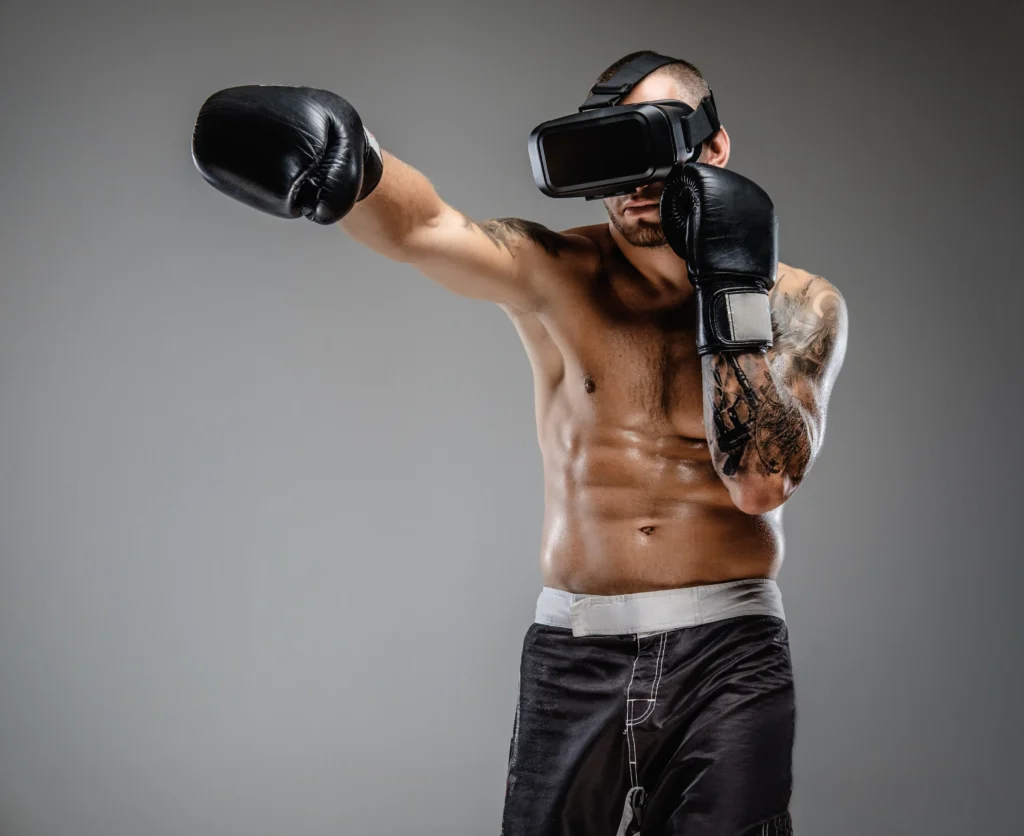
Challenges and Limitations of VR Fitness
Although virtual reality offers exciting opportunities, it isn’t without drawbacks. Understanding these challenges can help you make informed decisions and enjoy a safer experience.
Motion Sickness
Some users experience dizziness or nausea when using VR for the first time.
Tips to Reduce Motion Sickness
- Start with short sessions.
- Choose beginner-friendly experiences.
- Stay hydrated.
- Take breaks when needed.
- Increase session length gradually.
- Use headsets with higher refresh rates.
Most users adapt after several sessions, but individual experiences vary.
Equipment Costs
While prices have become more affordable, VR fitness still requires an initial investment.
Typical expenses may include:
- VR headset
- Fitness accessories
- Optional wearable devices
- Subscription-based fitness apps
Although the upfront cost can be significant, many users find that replacing or reducing gym memberships helps offset the expense over time.
Space Requirements
Unlike traditional gaming, VR fitness requires room to move safely.
Before starting a workout:
- Remove furniture from your play area.
- Secure rugs and loose cables.
- Keep pets and children away from the exercise space.
- Ensure adequate lighting if required by your headset.
Creating a safe environment minimizes the risk of accidents.
Battery Life
Wireless headsets provide greater freedom but rely on battery power.
Long workout sessions may require:
- External battery packs
- Charging breaks
- Backup charging solutions
Fortunately, battery technology continues to improve each year.
Can VR Replace Every Workout?
Despite its versatility, VR cannot fully replace every form of exercise.
Activities that still benefit from traditional training include:
- Heavy weightlifting
- Olympic lifting
- Competitive team sports
- Outdoor endurance events
- Specialized athletic training
Instead, many fitness experts recommend using VR as part of a balanced fitness routine rather than a complete replacement.
Who Should Try Virtual Reality Fitness?
One of the greatest strengths of VR fitness is its flexibility. It can support people with different experience levels, fitness goals, and lifestyles.
Beginners
If you’re new to exercise, VR provides a welcoming environment that makes fitness feel less intimidating.
Benefits include:
- Guided instruction
- Adjustable difficulty
- Interactive motivation
- Fun learning experiences
Weight Loss Enthusiasts
Immersive cardio workouts can help you:
- Burn calories
- Improve endurance
- Stay consistent
- Track long-term progress
Since consistency is one of the most important factors in weight management, the engaging nature of VR can be a valuable advantage.
Athletes
Competitive athletes can use VR for:
- Reaction time training
- Hand-eye coordination
- Balance improvement
- Recovery sessions
- Mental visualization
Although VR cannot replace sport-specific practice, it can complement traditional training programs.
Seniors
Many older adults benefit from low-impact VR activities designed to improve:
- Balance
- Mobility
- Coordination
- Flexibility
- Cognitive engagement
Always consult a healthcare professional before beginning a new exercise program.
Families
VR fitness also encourages family participation.
Parents and children can enjoy:
- Dance competitions
- Interactive sports
- Cooperative challenges
- Fitness games
Making exercise enjoyable helps establish healthy habits that can last for years.
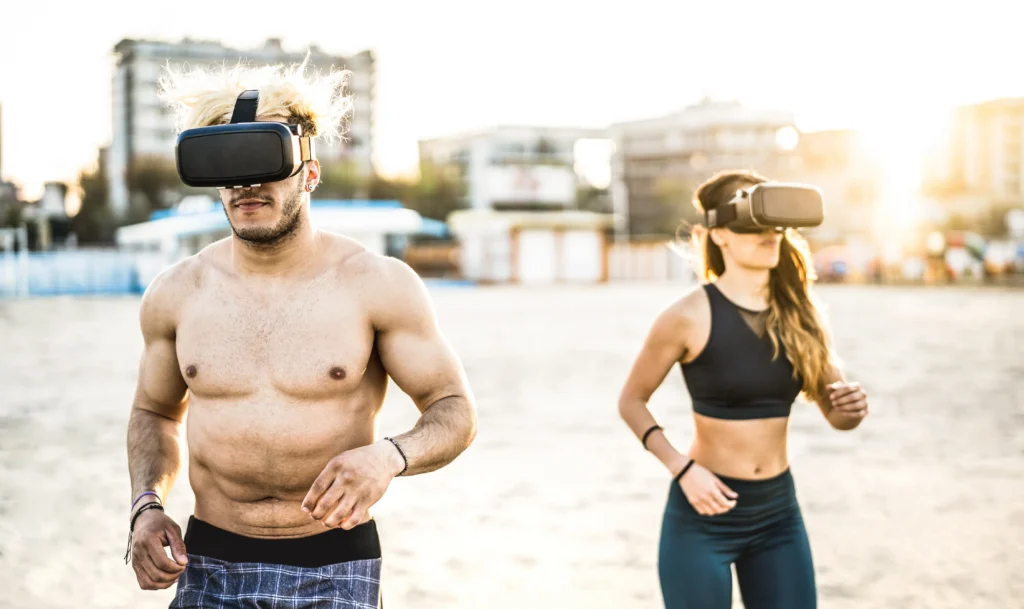
The Future of the Intersection of Virtual Reality and Fitness
As technology continues to evolve, the intersection of virtual reality and fitness is expected to reshape how people train, recover, and stay healthy.
Experts predict several exciting developments before the end of the decade.
AI Will Become an Even Smarter Coach
Future AI systems may:
- Recognize fatigue before you do.
- Adjust workouts in real time.
- Predict injury risks.
- Recommend nutrition based on activity.
- Design long-term training plans automatically.
This level of personalization could make every workout uniquely suited to your body and goals.
Full-Body Motion Tracking
Current headsets already track your head and hands with impressive accuracy. Future systems are expected to monitor your entire body without requiring additional sensors.
This advancement could improve:
- Technique analysis
- Strength training accuracy
- Rehabilitation exercises
- Sports performance
Virtual Gyms and Global Communities
Imagine joining a live fitness class with participants from around the world or training alongside friends regardless of where they live.
Virtual gyms may offer:
- Real-time coaching
- Multiplayer workouts
- International fitness competitions
- Personalized social groups
- Interactive wellness events
These experiences could redefine what it means to belong to a fitness community.
FAQS
What Is the Intersection of Virtual Reality and Fitness?
It refers to combining immersive virtual reality technology with physical exercise to create interactive workouts that improve motivation, engagement, and overall fitness.
Is Virtual Reality Fitness Effective for Weight Loss?
Yes. Many VR workouts provide moderate-to-high intensity exercise that can help burn calories and support weight loss when combined with a balanced diet and consistent routine.
Can VR Workouts Replace the Gym?
VR can replace many home workouts, especially cardio and bodyweight training. However, specialized strength training and certain sports may still require traditional equipment or gym facilities.
Which VR Headset Is Best for Fitness?
The best headset depends on your budget, comfort preferences, and desired fitness apps. Standalone headsets are popular because they offer wireless freedom and a wide range of workout experiences.
Are VR Fitness Workouts Safe?
Yes, when used responsibly. Make sure you have enough space, wear your headset correctly, stay hydrated, and follow safety guidelines provided by your device and fitness application.
How Many Calories Can You Burn During a VR Workout?
Calorie burn varies depending on intensity, but many immersive cardio workouts can match the energy expenditure of traditional aerobic exercises like brisk walking, cycling, or boxing.
Is Virtual Reality Fitness Good for Beginners?
Absolutely. Many VR platforms include beginner-friendly programs, guided coaching, and adjustable difficulty levels that help new users build confidence.
Does VR Fitness Improve Mental Health?
Regular physical activity is associated with improved mood and reduced stress. Many VR fitness platforms also include mindfulness and meditation experiences that can support overall mental well-being.
Conclusion: Why the Intersection of Virtual Reality and Fitness Is Redefining Exercise
The intersection of virtual reality and fitness is no longer a glimpse into the future—it’s a rapidly growing part of today’s wellness landscape. By combining immersive environments, artificial intelligence, wearable technology, and engaging game mechanics, VR has transformed exercise from a repetitive routine into an experience that many people genuinely look forward to.
Whether you’re striving to lose weight, build strength, improve cardiovascular health, or simply stay active despite a busy schedule, virtual reality offers flexible and motivating solutions that fit a variety of lifestyles. As hardware becomes more affordable and software grows more sophisticated, immersive fitness is likely to become even more accessible in the years ahead.
Ultimately, no technology can replace your commitment to living a healthy life. But VR can make that commitment easier to maintain by turning every workout into an adventure rather than an obligation.
Ready to experience the future of fitness? Explore today’s leading VR platforms, find the workout style that matches your goals, and take the first step toward a more engaging, interactive, and rewarding fitness journey. Your next great workout might begin the moment you put on a headset.
Table of Contents
Meditation Techniques for Beginners: Simple Ways to Start – trendsfocus