
An Opening That Speaks to You
Picture yourself walking through your city on a quiet afternoon when the silence breaks—not with sirens, but with voices. You hear chants echoing down the street, see handmade signs held high, and feel an unmistakable sense that something important is happening. These moments stop you in your tracks because they are not abstract political debates; they are lived experiences tied to fear, anger, hope, and a demand for accountability.
Across the United States, protests against ICE are no longer isolated events. They have become a nationwide expression of concern that directly affects communities, families, and the values you encounter every day. With over 1,000 rallies planned across the country, this movement represents one of the most coordinated waves of public protest focused on immigration enforcement in recent years. Whether you support the demonstrations, question them, or simply want to understand what is happening, this article is designed to give you clarity, context, and insight.
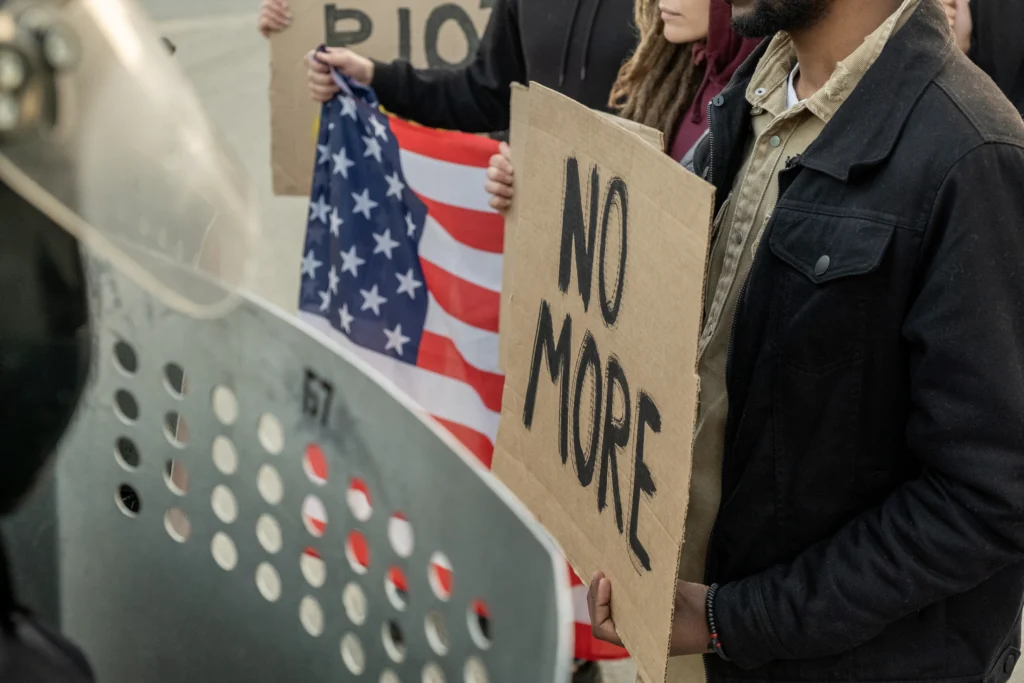
What Are the Protests Against ICE?
The protests against ICE refer to large-scale demonstrations opposing the actions, structure, and enforcement practices of U.S. Immigration and Customs Enforcement. These protests are organized by community groups, civil rights advocates, and concerned citizens who believe that current immigration enforcement methods cause harm that outweighs their intended benefits.
Understanding the Core of the Movement
At its heart, this movement focuses on accountability and reform. Protesters are calling attention to:
- Use-of-force incidents involving immigration officers
- Detention conditions and family separations
- Lack of transparency and oversight
- The emotional and psychological toll on immigrant communities
These demonstrations are not spontaneous reactions. They are the result of years of mounting tension, amplified by recent incidents that many people view as tipping points.
Why Over 1,000 Rallies Are Being Planned Nationwide
When you see protests happening in one city, it’s easy to dismiss them as local issues. But when over 1,000 rallies are planned simultaneously across states, it signals something much larger: a shared national concern.
What Sparked This Wave of Protests
Several recent events involving immigration enforcement officers have intensified public outrage. These incidents, widely discussed online and in communities, have pushed many people who were previously silent into action.
Key factors driving the scale include:
- Highly publicized use-of-force cases
- Grassroots organizing through digital platforms
- A sense that existing accountability mechanisms are ineffective
- Growing alignment between civil rights movements
You’re witnessing a moment where frustration has turned into collective action.
How Protests Against ICE Are Being Organized
The coordination behind these protests is not accidental. It reflects a level of planning and communication that allows thousands of events to happen across different time zones and political landscapes.
Grassroots Meets National Coordination
Organizers rely on:
- Community networks and volunteer organizers
- Digital tools like encrypted messaging apps and social platforms
- Clear messaging frameworks that local groups can adapt
- Decentralized leadership, allowing local voices to lead
This approach ensures that while the protests share common goals, they still reflect the unique concerns of each community.
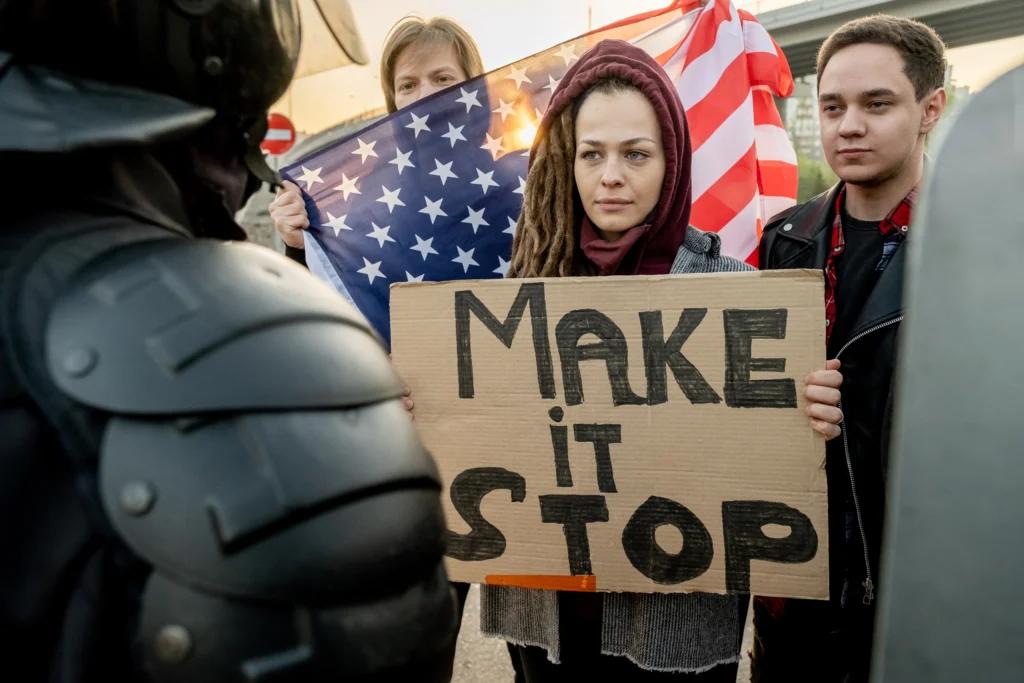
Major Cities and Communities Taking Part
You may expect protests in large metropolitan areas, but what makes this movement notable is its reach beyond traditional protest hubs.
Where Protests Are Happening
Planned rallies span:
- Major cities such as New York, Los Angeles, Chicago, and Washington, D.C.
- Mid-sized cities and state capitals
- College towns and suburban communities
- Smaller cities where protests are rare
This widespread participation shows that concerns about immigration enforcement are not limited to border states or urban centers.
Who Is Participating in the Protests Against ICE
One of the defining features of these protests is the diversity of participants. If you attend or observe one of these rallies, you’ll likely see people from many walks of life standing side by side.
Groups Involved
Participants include:
- Immigrants and mixed-status families
- Students and young professionals
- Faith leaders and congregations
- Labor unions and worker advocacy groups
- Veterans and former government employees
- Parents advocating for their children’s futures
This diversity strengthens the movement by framing immigration enforcement as a shared societal issue rather than a niche concern.
What Are Protesters Demanding?
Understanding the demands helps you understand why these protests resonate so deeply.
Core Demands of the Protests Against ICE
Protesters are calling for:
- Greater accountability for officers involved in use-of-force incidents
- Independent oversight of immigration enforcement practices
- Reduced reliance on detention and increased use of community-based alternatives
- Clear limits on enforcement tactics, especially in sensitive locations
- Policy reform that prioritizes human dignity and due process
These demands vary slightly by region, but the underlying message remains consistent: enforcement should not come at the cost of basic human rights.
Public Reaction to the Protests Against ICE
As with any large movement, public reaction is mixed. You may find yourself agreeing with some points while questioning others—and that tension is part of the broader conversation.
Supporters’ Perspectives
Supporters argue that:
- Current enforcement methods cause unnecessary harm
- Oversight has not kept pace with agency power
- Protests are a legitimate form of democratic expression
Critics’ Perspectives
Critics raise concerns about:
- National security and border control
- The role of ICE in enforcing existing laws
- Potential disruption caused by large protests
Understanding both sides allows you to engage with the issue thoughtfully rather than reactively.
Media Coverage and the Role of Social Platforms
Media coverage plays a significant role in shaping how you perceive the protests.
Traditional Media
Coverage often focuses on:
- Crowd size and protest locations
- Statements from officials and organizers
- Any confrontations or arrests
Social Media
Online platforms amplify:
- Firsthand accounts from protesters
- Live footage and real-time updates
- Personal stories that rarely appear in headlines
This combination creates a layered narrative where official reporting and lived experience coexist.
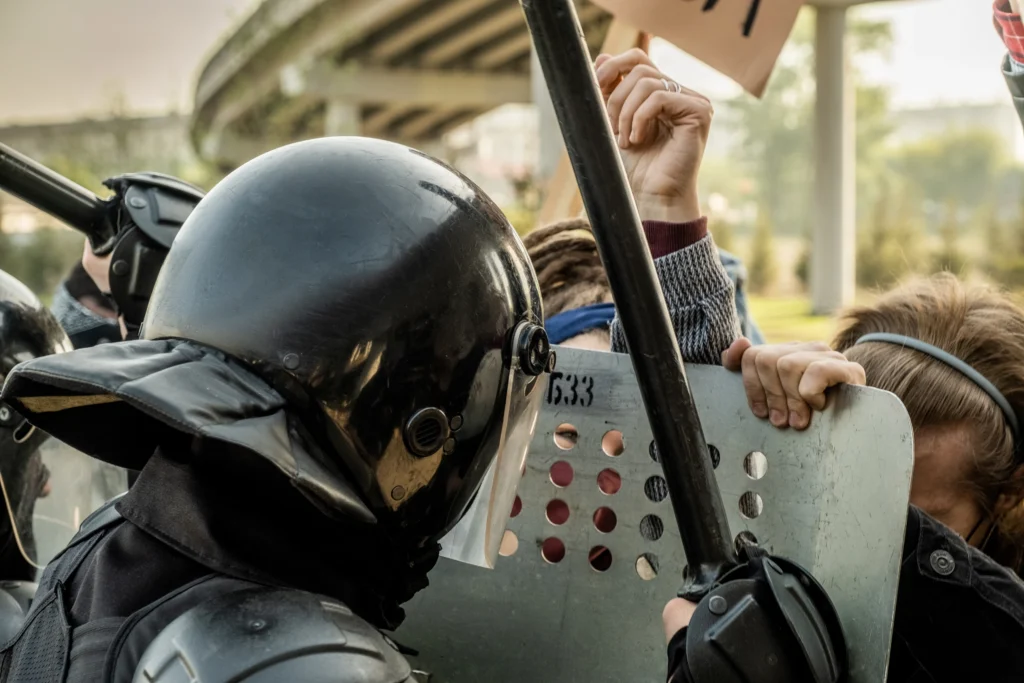
How These Protests Fit Into the Broader Immigration Debate
The protests against ICE are not happening in a vacuum. They are part of a longer conversation about how immigration policy aligns with national values.
Historical Context
Past movements have challenged:
- Mass deportations
- Family separation policies
- Detention practices
Each wave builds on the last, shaping public expectations and policy discussions.
Why This Moment Feels Different
What sets this moment apart is the scale and coordination. When protests appear simultaneously across hundreds of communities, it suggests a shift in public willingness to engage.
What This Means for the Future
You might be wondering whether protests like these actually lead to change. While outcomes are never guaranteed, history shows that sustained public pressure often influences:
- Policy reviews
- Legislative proposals
- Oversight hearings
- Shifts in public opinion
Even when immediate change doesn’t occur, protests can redefine what is politically possible.
How You Can Stay Informed or Get Involved
Whether you choose to participate directly or observe from a distance, staying informed helps you make thoughtful decisions.
Ways to Engage Responsibly
You can:
- Attend a local rally peacefully
- Follow multiple perspectives to avoid echo chambers
- Contact elected representatives with informed questions
- Support organizations aligned with your values
Engagement does not require agreement—it requires awareness.
FAQ: Protests Against ICE
What are the protests against ICE about?
They focus on concerns about immigration enforcement practices, accountability, and the impact on communities.
Why are over 1,000 rallies planned across the United States?
The scale reflects widespread public concern following recent incidents and long-standing policy debates.
Are the protests against ICE peaceful?
Most are planned as peaceful demonstrations, though conditions vary by location.
Who organizes protests against ICE?
They are organized by a mix of grassroots groups, advocacy organizations, and local community leaders.
Can protests against ICE influence policy?
While outcomes vary, sustained public pressure has historically played a role in shaping policy discussions.
Conclusion: Why This Moment Matters to You
The protests against ICE are not just about one agency or one set of policies. They are about how power is exercised, how accountability works, and how communities respond when they feel unheard. With over 1,000 rallies planned across the United States, this movement reflects a collective moment of reflection and resistance.
As you navigate the news, conversations, and opinions surrounding these protests, remember that understanding is a form of participation. Stay curious, stay informed, and engage in ways that align with your values.
Your Turn
What do you think these protests say about the direction of the country? Share your thoughts, join the conversation, and stay engaged—because meaningful change begins when people like you decide to pay attention.
Table of Contents
Robert F. Kennedy Jr. and the New Nutrition Guidelines – trendsfocus
Second night of US protests over ICE shooting of woman in Minneapolis