
Think about the last time you bought something online and felt unsure. Maybe the color looked different in real life, the size didn’t fit your space, or the product simply didn’t meet your expectations. That moment of doubt is something you’ve probably accepted as “normal” when shopping online. But what if shopping no longer required guesswork?
This is exactly where augmented reality steps in. Today, augmented reality is changing shopping experiences by giving you clarity before you buy. Instead of imagining how something might look, you can see it, test it, and interact with it in your real environment. Shopping is no longer a leap of faith—it’s becoming a confident decision-making process designed around you.
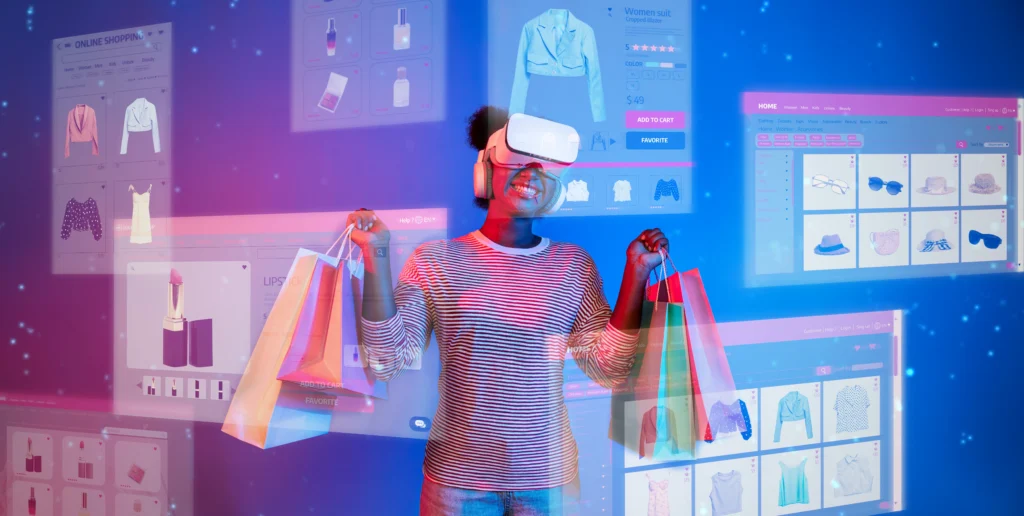
What Augmented Reality Really Means for Your Shopping Experiences
Understanding Augmented Reality in Simple Terms
Augmented reality, often shortened to AR, blends digital elements with the real world around you. When you use your smartphone camera or a compatible device, AR places virtual objects into your physical space in real time. You’re not stepping into a virtual world; instead, the digital layer enhances what you already see.
In shopping experiences, this means:
- Viewing products in your actual environment
- Trying items virtually before committing
- Interacting with product details in real time
Unlike virtual reality, which replaces your surroundings, AR works with your environment. That distinction matters because it keeps shopping practical, familiar, and accessible.
Why Shopping Experiences Needed a Change
Traditional online shopping often leaves you with unanswered questions. Will this sofa fit my room? Does this shade of lipstick suit my skin tone? Is this jacket too long or too short?
These uncertainties lead to:
- Hesitation at checkout
- Cart abandonment
- Frustrating product returns
You’ve likely experienced this cycle more than once. Augmented reality is changing shopping experiences by addressing these emotional pain points directly. It reduces uncertainty and replaces it with reassurance, helping you move forward with confidence instead of doubt.
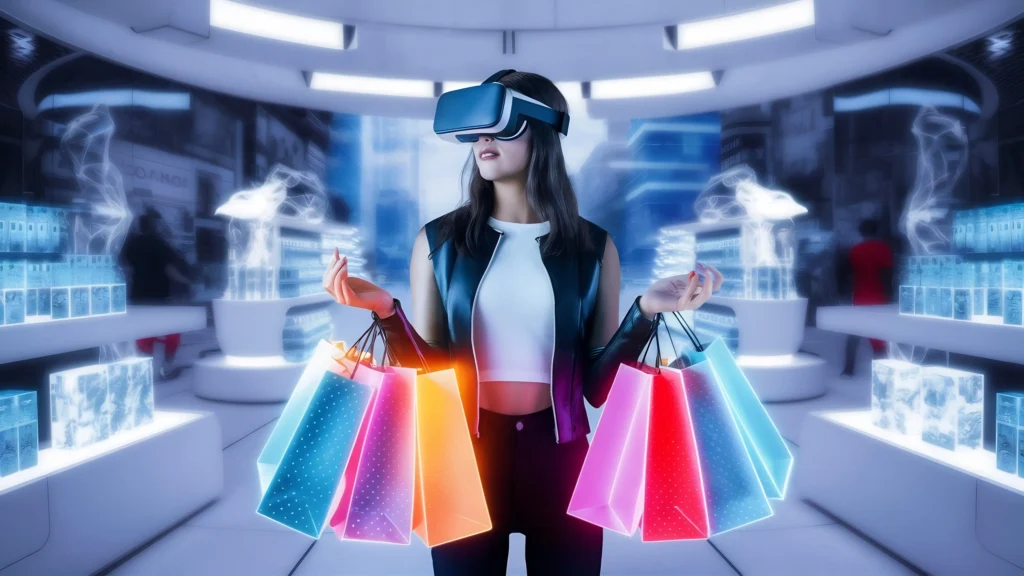
How Augmented Reality Is Changing Shopping Experiences in Real Life
Virtual Try-Before-You-Buy Experiences
One of the most noticeable ways AR improves shopping experiences is through virtual try-ons. Instead of relying on static images, you can see how products interact with you personally.
This includes:
- Trying makeup shades on your face in real time
- Seeing how glasses sit on your nose
- Visualizing clothing proportions on your body
When you see how a product looks on you, decision-making becomes easier. You don’t need to imagine outcomes—you experience them instantly. This shift reduces buyer hesitation and increases satisfaction after purchase.
Home and Furniture Shopping Experiences Made Simple
Buying furniture or home décor has always involved risk. Measurements, lighting, and layout all influence how an item looks once it arrives. Augmented reality removes much of that risk.
With AR, you can:
- Place furniture digitally in your room
- Check size and scale accurately
- Compare styles without moving anything physically
This transforms shopping experiences from abstract browsing into practical planning. You’re no longer guessing if something fits—you know it does.
Augmented Reality Inside Physical Stores
Augmented reality is not limited to online shopping experiences. Physical stores are also evolving to meet your expectations.
In-store AR features include:
- Smart mirrors that show outfit variations
- Interactive product displays with additional details
- Virtual product demonstrations
These enhancements give you more control over how you explore products, making in-store shopping more engaging rather than overwhelming.
Why Augmented Reality Improves Shopping Experiences for You
Confidence Replaces Uncertainty
The biggest change AR brings to shopping experiences is emotional. When you see products in context, you feel more secure in your choices. This confidence reduces regret and increases satisfaction after purchase.
You benefit from:
- Fewer surprises
- Better alignment with your expectations
- More enjoyable shopping journeys
Personalization That Feels Natural
Augmented reality allows brands to tailor shopping experiences around you without making it feel intrusive. Instead of generic recommendations, AR adapts to your preferences, environment, and needs.
Examples include:
- Showing products based on your space size
- Adjusting colors to your lighting conditions
- Offering style suggestions aligned with your choices
This level of personalization makes shopping feel thoughtful rather than transactional.
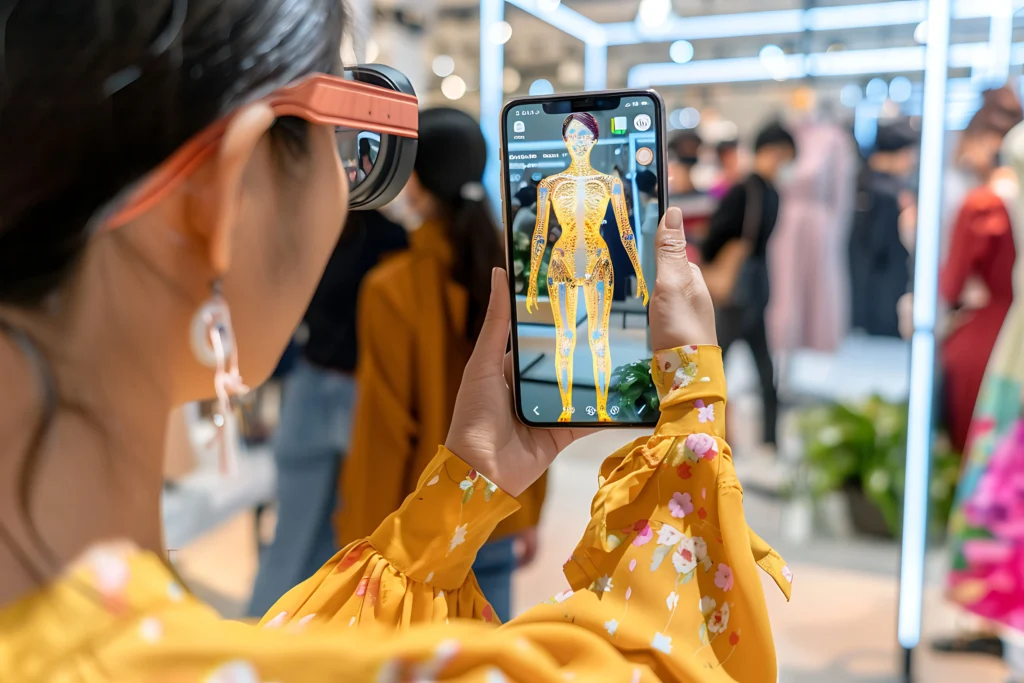
How Businesses Use Augmented Reality to Improve Shopping Experiences
Stronger Engagement and Interaction
From a brand perspective, AR keeps you engaged longer. Interactive experiences hold attention better than static images or text descriptions.
For you, this means:
- Clearer product understanding
- More engaging exploration
- Less reliance on customer support
Fewer Returns and Better Satisfaction
Returns often happen because expectations don’t match reality. Augmented reality narrows that gap. When you already know how a product looks or fits, the likelihood of disappointment drops significantly.
That leads to:
- Less hassle after purchase
- More trust in brands
- A smoother shopping experience overall
Personalized Shopping Experiences Powered by Augmented Reality
When Data Meets Visualization
AR doesn’t work alone. It often combines with data insights to refine shopping experiences further. When systems understand your preferences, they can tailor AR interactions specifically for you.
This results in:
- More relevant recommendations
- Faster decision-making
- A shopping journey that feels intuitive
Building Trust Through Transparency
Seeing products realistically builds trust. When brands show items exactly as they appear, you feel respected as a customer. That transparency strengthens long-term relationships between you and the brand.
Augmented reality changes shopping experiences by shifting focus from persuasion to clarity.
Challenges You Should Know About in AR Shopping Experiences
Technology Limitations
While AR is powerful, it still depends on device capabilities. Older smartphones or slower internet connections may limit how smoothly these features work.
Common challenges include:
- Compatibility issues
- Slower loading times
- Limited functionality on certain devices
Learning Curve for First-Time Users
Some shoppers may feel unsure when using AR for the first time. However, most platforms are designed to be intuitive, and adoption improves quickly once you try it.
As AR becomes more common, these barriers continue to shrink.
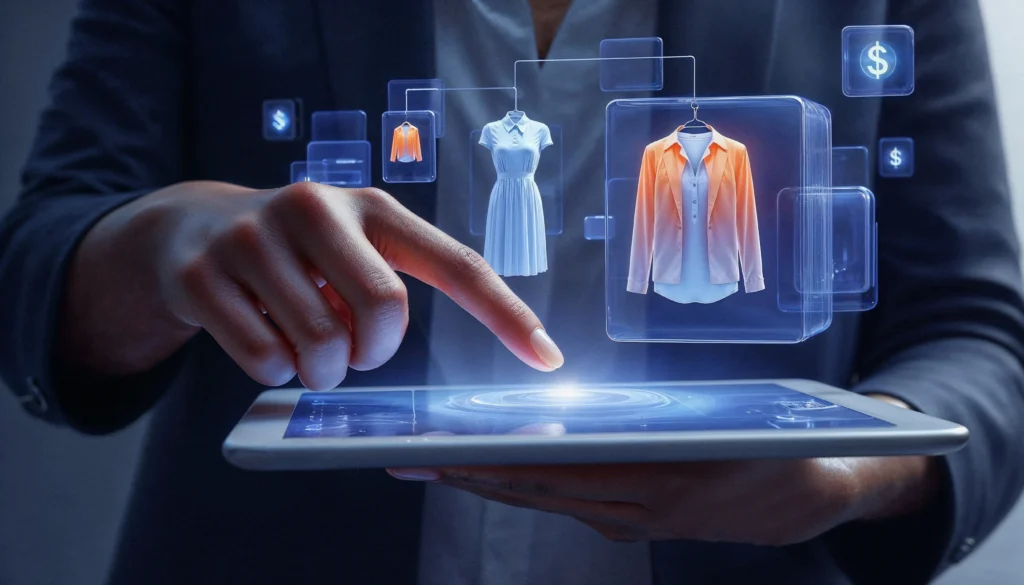
The Future of Shopping Experiences with Augmented Reality
More Seamless Integration Across Channels
The future points toward fully connected shopping experiences. Whether you shop online, in-store, or through social platforms, AR will bridge the gap between digital and physical spaces.
You can expect:
- Consistent experiences across devices
- Real-time personalization
- Faster, more confident purchasing
A Shift Toward Experience-Driven Shopping
Shopping is moving away from simple transactions. Instead, it’s becoming an experience built around emotion, trust, and engagement. Augmented reality plays a central role in that shift.
You’re no longer just buying products—you’re interacting with them before they become part of your life.
Conclusion: Why Augmented Reality Is Redefining Shopping Experiences
Augmented reality is not just changing how shopping looks; it’s changing how shopping feels. It removes doubt, adds clarity, and puts you in control of your decisions. By blending digital insight with real-world context, AR transforms shopping experiences into something more confident, personal, and satisfying.
As this technology continues to evolve, shopping will feel less like a risk and more like a conversation—one where your needs come first.
Frequently Asked Questions About Augmented Reality and Shopping Experiences
How does augmented reality improve shopping experiences?
It allows you to visualize products in real-world settings, reducing uncertainty and increasing confidence before buying.
Are augmented reality shopping experiences only for online stores?
No. AR enhances both online and physical shopping experiences by adding interactive elements in each environment.
Do you need special devices for augmented reality shopping experiences?
Most AR features work on modern smartphones, making them accessible without additional equipment.
Will augmented reality replace traditional shopping experiences?
AR enhances traditional shopping rather than replacing it, blending convenience with human interaction.
Which industries benefit most from AR shopping experiences?
Fashion, beauty, furniture, electronics, and automotive sectors see significant improvements through AR adoption.
Your Next Step
The way you shop is evolving, and augmented reality is leading that change. The next time you encounter an AR feature while shopping, try it. Explore it. Engage with it. You’ll likely find that your shopping experiences become more confident, enjoyable, and aligned with what you truly want.
If you found this guide helpful, share your thoughts or experiences—your perspective could help others navigate the future of shopping with confidence.
Table of Contents
https://www.trendsfocus.com/influencer-marketing-for-small-business-growth/