
You’ve optimized pages, refined headlines, earned links, and followed every best practice you were taught. Yet something feels off. Traffic is flatter. Rankings feel less meaningful. Sometimes your content shows up everywhere—except where clicks actually happen.
If you’re questioning whether traditional SEO is losing its power, you’re not imagining things. Website visibility in the U.S. is changing fast, and artificial intelligence is at the center of that shift. Search still matters, but how people find information—and whether they ever reach your site—looks very different than it did just a few years ago.
This isn’t the end of SEO. It’s a redefinition of visibility itself.
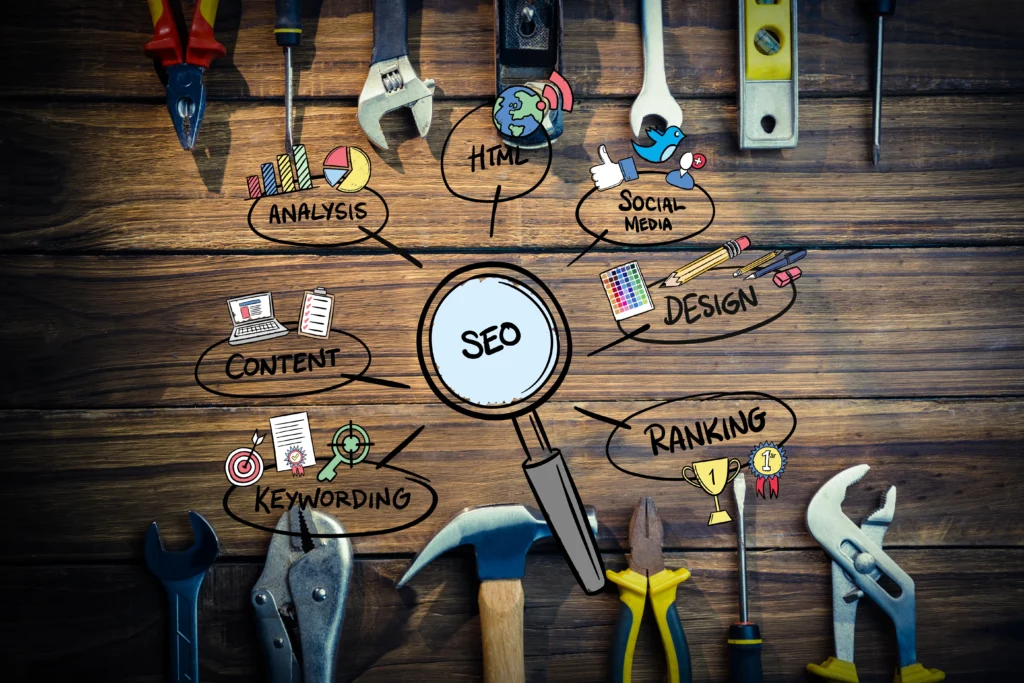
What Traditional SEO Looked Like—and Why It Worked for So Long
For more than a decade, SEO followed a familiar rhythm. You researched keywords, optimized pages, earned backlinks, and tracked rankings. If you did those things well, traffic followed.
The Core Principles That Defined Traditional SEO
Traditional SEO relied on a few predictable pillars:
- Keyword relevance matched to search intent
- On-page optimization and technical health
- Backlinks as signals of authority
- Rankings as the primary measure of success
Search results were mostly lists of links. Users clicked, skimmed, and moved between sites. If you ranked high enough, you won attention.
Why This Model Shaped Website Visibility in the U.S.
The system worked because user behavior supported it. People searched, scanned results, and clicked through to learn more. Visibility meant position. Position meant traffic.
For years, improvements to SEO meant improvements to visibility. That connection is now weaker than it used to be

How AI Is Reshaping Website Visibility in the U.S.
Artificial intelligence didn’t arrive quietly. It entered search interfaces, voice assistants, and answer summaries—changing how results are delivered.
From Search Engines to Answer Engines
Search is becoming less about lists and more about direct responses. AI systems summarize information, combine sources, and present answers instantly.
As a result:
- Many searches end without a click
- Users get what they need before visiting a site
- Visibility doesn’t always translate into traffic
Your content may influence answers without ever receiving a visit.
Where You’re Seeing AI in Action
AI-driven changes are already part of everyday search:
- AI-generated overviews at the top of results
- Voice search responses that cite but don’t link clearly
- Conversational search tools that summarize multiple sources
These features are altering website visibility in the U.S. by shifting attention away from individual pages and toward synthesized answers.
Is Traditional SEO Ending—or Simply Evolving?
The short answer: it’s evolving. The longer answer is more nuanced.
What Still Works Today
Many SEO fundamentals remain essential:
- Clear, original content written for real people
- Strong technical foundations
- Credible sources and factual accuracy
- Consistent topical focus
These elements still help search systems understand and trust your content.
What’s Losing Effectiveness
Some practices are fading fast:
- Keyword-heavy content without substance
- Publishing at scale without depth
- Backlinks built without editorial value
AI systems reward clarity and usefulness, not mechanical optimization. Tactics designed solely to manipulate rankings are increasingly ineffective.

How AI Is Changing User Behavior and Search Intent
Technology reshapes habits, and habits reshape search.
Why People Search Differently Now
Users are asking fuller, more conversational questions. They expect context, not fragments. They want answers, not lists of links.
That means:
- Queries are longer and more specific
- Expectations for clarity are higher
- Patience for thin content is lower
What This Means for Website Visibility in the U.S.
Visibility now operates on multiple levels:
- Being cited or summarized by AI systems
- Being recognized as an authoritative source
- Being present across platforms, not just search results
Clicks matter—but influence increasingly matters too.
Generative AI and the New Content Landscape
AI doesn’t create visibility on its own. It selects, summarizes, and amplifies existing content.
How AI Chooses What to Surface
Generative systems tend to favor:
- Clear structure and straightforward explanations
- Content that answers questions directly
- Sources that demonstrate authority and reliability
Ambiguous or shallow content is easy to ignore. Strong, well-reasoned content stands out.
What This Means for Publishers and Creators
If you want to maintain website visibility in the U.S., you need to:
- Write with precision
- Explain topics fully, not superficially
- Signal expertise through clarity rather than credentials alone
Content that helps AI systems understand complex topics clearly has a better chance of being surfaced.

New Signals That Matter for Website Visibility in the U.S.
Visibility is no longer defined by rankings alone.
From Rankings to Recognition
Modern visibility includes:
- Mentions in AI-generated answers
- Citations without direct links
- Brand references across platforms
You may notice your brand being referenced even when traffic doesn’t spike. That exposure still holds value.
Emerging Optimization Strategies
To adapt, many sites are focusing on:
- Entity-based SEO and clear topic definitions
- Building deep authority around specific themes
- Using structure—headings, summaries, clean formatting
These strategies help both humans and AI systems understand your content quickly.
How You Should Adapt Your SEO Strategy Now
Adaptation doesn’t mean abandoning SEO. It means changing your priorities.
Content Strategies That Work in an AI-Driven Environment
Effective content today:
- Answers questions early and clearly
- Explores topics in depth rather than chasing volume
- Uses natural language instead of forced optimization
Writing for understanding beats writing for algorithms.
Technical and Strategic Adjustments
Beyond content, visibility depends on:
- Fast, accessible websites
- Strong user experience
- Consistent presence beyond traditional search
AI tools pull information from many places. Being visible means showing up where users already are.
Common Myths About AI and SEO
Confusion breeds myths. Let’s clear a few.
What Isn’t True
- “SEO is dead.”
- “AI will eliminate organic traffic.”
- “Only large brands can win.”
These ideas oversimplify what’s happening.
What Risks You Should Actually Watch
Real challenges include:
- Over-reliance on AI-generated content
- Loss of originality and perspective
- Declining trust if accuracy slips
AI amplifies quality—but it also amplifies mistakes.
FAQ: Website Visibility in the U.S.
Is traditional SEO ending in the U.S.?
No. It’s evolving. Fundamentals still matter, but visibility now extends beyond rankings.
How is AI changing website visibility in the U.S.?
AI reduces clicks by answering questions directly, shifting focus toward influence and authority.
Can small websites still compete for visibility in the U.S.?
Yes. Niche expertise and clear value can outperform broad, unfocused content.
How should you optimize content for AI-driven search?
Write clearly, answer questions directly, and focus on depth rather than volume.
Conclusion: SEO Isn’t Ending—Visibility Is Being Redefined
Traditional SEO isn’t disappearing, but website visibility in the U.S. no longer means what it once did. AI has changed how information is discovered, summarized, and trusted. Visibility now depends on clarity, credibility, and relevance—not just position.
If you adapt your approach—focusing on real understanding instead of mechanical tactics—you don’t lose visibility. You gain resilience.
Call to Action
If this article helped you rethink your SEO strategy, share it with a colleague or creator navigating the same questions.
Stay curious, watch how users interact with search, and keep refining how you explain what you know.