
When you hear about the Caribbean, you probably think of beaches, cruise ships, and tourism-driven economies. It rarely feels like a region tied to global power struggles. Yet behind the calm waters and postcard views lies one of the most strategically sensitive zones in the Western Hemisphere.
The growing U.S. military presence in the Caribbean is not just a defense story. It directly affects energy security, global trade routes, shipping costs, and even the prices you pay for fuel and goods. What happens in this region does not stay there. It ripples outward—into markets, supply chains, and geopolitical balance.
Understanding why the United States is paying closer attention to the Caribbean helps you see how military decisions quietly shape everyday economic realities.
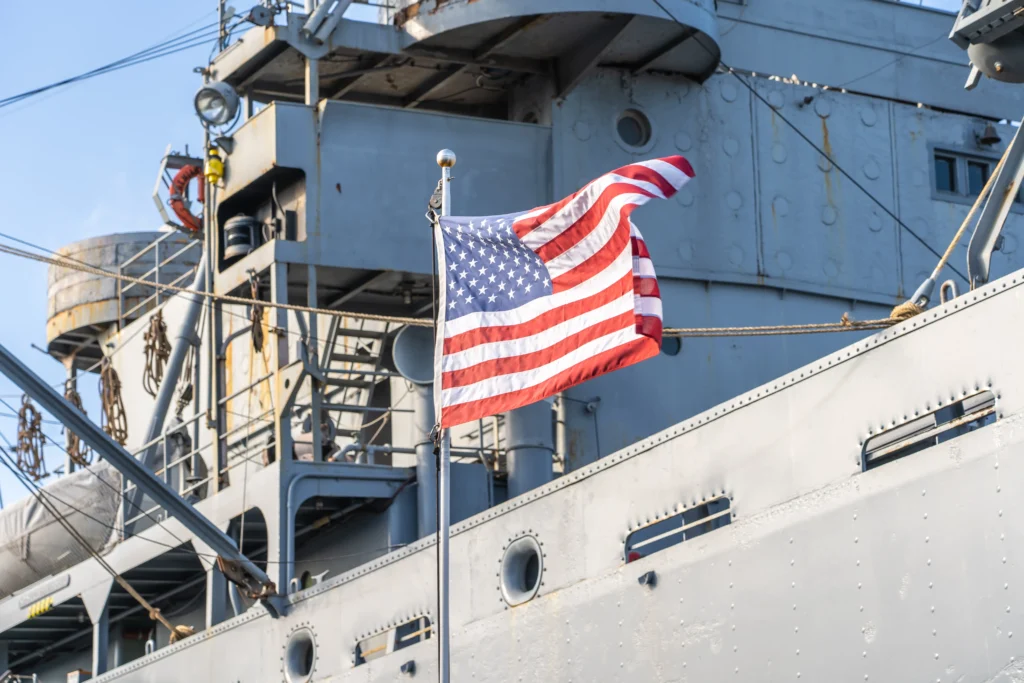
What Is Driving the U.S. Military Presence in the Caribbean?
The Caribbean’s importance is rooted in geography, history, and modern security risks.
Strategic Geography and Security Interests
The Caribbean Sea sits at a crossroads. It connects:
- The Gulf of Mexico
- The Atlantic Ocean
- The Panama Canal
- Key routes between North and South America
From a security perspective, this makes the region impossible to ignore. A strong U.S. military presence in the Caribbean allows the United States to monitor maritime traffic, respond quickly to emerging threats, and protect access to nearby coastlines.
This isn’t about permanent large-scale bases. It’s about mobility—naval patrols, surveillance operations, joint exercises, and rapid deployment capabilities.
A Long History of Strategic Interest
The U.S. has been active in the Caribbean for decades. During the Cold War, the region was viewed as a frontline against rival influence. That legacy never fully disappeared.
Over time, missions evolved to include:
- Counter-narcotics operations
- Anti-smuggling patrols
- Disaster response readiness
- Maritime security enforcement
Today’s presence builds on that foundation but reflects new priorities tied to energy and trade.
Why the Caribbean Matters for Global Energy Supply
Energy is one of the strongest reasons the region remains strategically vital.
Energy Routes That Can’t Be Ignored
The Caribbean plays a critical role in global energy movement:
- Oil shipments from South America transit the region
- Refined fuels pass through Caribbean ports
- Tankers move between the Americas and international markets
Even when energy doesn’t originate in the Caribbean, it often passes through it. Disruptions here can slow deliveries, tighten supply, and increase volatility.
A visible U.S. military presence in the Caribbean reassures markets that key energy corridors remain protected.
What Happens Without Oversight
Without security enforcement, energy routes face risks:
- Illegal oil transfers
- Smuggling networks
- Potential sabotage
- Unregulated shipping activity
Even the perception of instability can push energy prices upward. Markets react quickly to uncertainty, especially in regions tied to global supply flows.
U.S. Military Presence in the Caribbean and Trade Security
Energy isn’t the only concern. Trade is equally central.
Protecting Global Shipping Routes
The Caribbean Sea is a gateway to one of the most important trade arteries in the world: the Panama Canal. A significant share of global commerce moves through or near Caribbean waters.
That includes:
- Consumer goods
- Food imports
- Industrial materials
- Energy products
Any disruption—real or perceived—can slow shipping, increase insurance costs, and strain supply chains.
Trade Risks in an Unstable Environment
If security weakens, trade faces immediate challenges:
- Longer shipping routes
- Higher freight and insurance costs
- Delays that ripple through global logistics
Maintaining stability through a continued U.S. military presence in the Caribbean helps reduce these risks before they materialize.
Venezuela, Sanctions, and Regional Tensions
One country looms large in discussions about Caribbean security: Venezuela.
Why Venezuela Matters Strategically
Venezuela holds some of the world’s largest oil reserves. U.S. sanctions aimed at restricting energy exports have reshaped regional dynamics.
Military monitoring in the Caribbean helps:
- Enforce sanctions
- Track oil shipments
- Deter illicit transfers
- Signal diplomatic pressure
This surveillance isn’t about confrontation—it’s about enforcement and deterrence.
How This Affects Energy Markets
Energy markets are sensitive. Even rumors of enforcement changes can shift prices. A visible U.S. military presence in the Caribbean adds predictability, which markets tend to favor over uncertainty.

How Caribbean Nations View the U.S. Military Presence
The regional response is not uniform.
Cooperation and Caution
Many Caribbean nations cooperate with U.S. forces on:
- Maritime security
- Disaster response
- Anti-smuggling efforts
At the same time, concerns exist around:
- Sovereignty
- Over-militarization
- Regional autonomy
Governments balance economic dependence on trade and tourism with political sensitivity toward foreign military activity.
Economic Effects on Local Communities
The presence of naval activity can:
- Increase port traffic
- Create defense-related employment
- Improve emergency preparedness
But it can also raise concerns about perception—especially in tourism-driven economies where stability and neutrality matter.
Why the U.S. Military Presence in the Caribbean Matters to You
You may live far from the region, but the consequences reach your daily life.
Impact on Prices and Supply Chains
Stable shipping routes help:
- Keep energy prices predictable
- Reduce transportation delays
- Support steady import flows
When trade moves smoothly, inflation pressures ease. When it doesn’t, costs rise quickly.
Economic Stability Beyond Borders
The U.S. military presence in the Caribbean acts as a stabilizing force in a system where confidence matters as much as capacity. Markets respond not only to events—but to signals.
Criticism and Risks of an Expanded Military Role
No strategy comes without debate.
Political and Diplomatic Concerns
Critics argue that increased military activity can:
- Heighten regional tensions
- Invite geopolitical competition
- Create diplomatic strain with neighboring countries
Managing perception is as important as managing security.
Environmental and Civil Considerations
Concerns also include:
- Impact on marine ecosystems
- Increased vessel traffic
- Civil liberties and surveillance issues
These critiques shape how missions are designed and communicated.
What Could Change in the Near Future
The Caribbean’s strategic importance is likely to grow, not fade.
Key Developments to Watch
Several factors could reshape the situation:
- Shifts in global energy demand
- Changes in U.S.–Venezuela relations
- Greater involvement from other global powers
- Climate-driven disruptions affecting shipping
Each of these variables influences how the U.S. military presence in the Caribbean evolves.
FAQ: U.S. Military Presence in the Caribbean
Why is the U.S. military presence in the Caribbean increasing?
To protect energy routes, secure trade corridors, enforce sanctions, and deter illegal maritime activity.
Does the U.S. military presence in the Caribbean affect oil prices?
Indirectly, yes. Stability reduces risk premiums that drive price volatility.
How does the U.S. military presence in the Caribbean impact global trade?
It helps safeguard key shipping lanes and reduces the risk of disruptions.
Do Caribbean nations support the U.S. military presence in the Caribbean?
Support varies by country, balancing security cooperation with sovereignty concerns.
Conclusion: More Than Ships and Patrols
The U.S. military presence in the Caribbean is not about dominance—it’s about stability. Energy flows, trade routes, and regional confidence intersect in this narrow stretch of sea. Decisions made here influence markets, prices, and geopolitical balance far beyond the horizon.
When you understand what’s at stake, military movements stop looking abstract. They become part of the economic system that affects how goods move, how energy is priced, and how global trade remains functional.
Call to Action
If this analysis helped you see the Caribbean differently, share it with someone interested in geopolitics, energy, or global trade.
Stay informed, follow regional developments, and remember: the world’s most important economic stories often unfold far from the spotlight.
Table of Contents
Why the U.S. Is Targeting ISIS Again and Why It Counts – trendsfocus
What we know of the countries backing US military moves in the Caribbean | CNN