
Green Card Travel –
Imagine you’ve planned that long-awaited trip overseas—the tickets are booked, bags are packed, and your heart is full of excitement. Yet as you think about walking up to the gate or stepping off the plane on your return, a familiar knot of uncertainty creeps in. As a Green Card holder, travel isn’t just about seeing new places; it’s about protecting the life you’ve built in the United States.
The truth is, travel in 2025 comes with new rules, stricter border protocols, and biometric checks that could affect how easily you re-enter the U.S. Understanding these rules before you travel ensures that your permanent resident status remains secure, letting you travel freely and confidently.
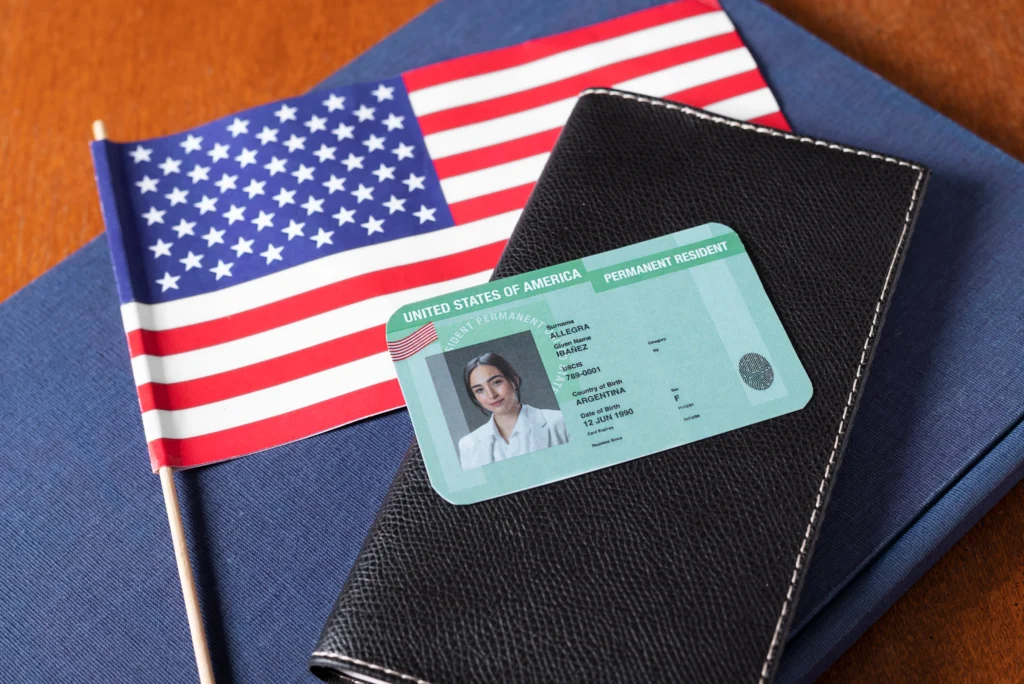
What Are Green Card Travel Rules and Why They Matter
Before diving into the latest updates, it’s important to understand why travel rules exist for Green Card holders:
- Your status allows you to live in the U.S. indefinitely, work, and travel abroad.
- Intent matters: Border officials evaluate whether your time abroad shows that the U.S. is still your primary home.
- 2025 updates focus on biometric data collection, security measures, and proof of ties to the U.S.
Traveling without knowledge of these rules could create delays, questioning, or even potential risk to your permanent status.
Major Policy Shift — Biometric Entry and Exit Checks
One of the most significant changes in Green Card travel rules 2025 is the expansion of the biometric entry and exit system.
What Changed in 2025
Now, all Green Card holders must undergo biometric scanning every time they enter or leave the United States:
- This applies to airports, seaports, and land borders.
- Children and seniors, who were once exempt, are now included.
- Your photograph, fingerprints, and other biometric information may be captured.
Why the U.S. Made This Change
The expanded biometric system ensures:
- Accurate verification of traveler identity
- Reduced fraud and overstays
- Stronger border security
- Better tracking of entry and exit data

How the New Biometric Rules Affect You
Longer Processing Times
You may experience:
- Extended lines at airport immigration and land crossings
- Additional questions about your travel history
- New procedures that might feel unfamiliar
Compliance Is Key
Refusing to provide biometric data could result in:
- Denied boarding at airlines
- Extra questioning at re-entry
- Possible secondary inspection
Cooperating ensures smoother entry and exit.
Entry and Exit Procedures Explained
Mandatory Photograph Requirement
Every time you enter or leave:
- Your photo will be taken
- It will be matched against your previous records
- Fingerprints may be required in some cases
What to Bring to Avoid Delays
To ensure smooth border processing, carry:
- Your valid Green Card
- Your passport
- Proof of U.S. residence (lease, mortgage, utilities)
- Employment or school documentation
- Travel itinerary
Travel Durations and Risk Levels
Time spent outside the U.S. impacts how officials view your permanent residency.
Trips Under 6 Months
- Typically routine, minimal risk
- Usually do not trigger extra questions
Trips Between 6–12 Months
- Officers may ask detailed questions
- You may need to show strong U.S. ties
Trips Over 12 Months
- High risk of being considered abandoned
- A reentry permit is strongly recommended
Reentry Permits — Who Needs One
A reentry permit protects your status if you need to stay abroad long-term.
- Apply before leaving the U.S.
- Usually valid for up to two years
- Shows intent to maintain permanent residence
- Does not replace proof of U.S. residence

Maintaining U.S. Residency While Traveling
Proof of Strong U.S. Ties
Keep evidence like:
- Owning or renting a home
- U.S. job or business
- Bank accounts and credit cards
- Tax filings as a resident
- Driver’s license or state ID
Actions That Could Put Your Green Card at Risk
- Living permanently outside the U.S.
- Working abroad for extended periods
- Filing non-resident taxes
Special Situations
Traveling While Applying for Citizenship
- Long absences may affect continuous residence requirements
- Absences over six months can delay naturalization
Conditional Green Card Holders
- Travel rules are similar
- Pay close attention to expiration dates and petitions
- Missing deadlines while abroad can cause issues
Common Green Card Travel Mistakes to Avoid
- Staying outside the U.S. too long without a reentry permit
- Traveling frequently with no clear U.S. base
- Forgetting to file U.S. taxes
- Ignoring biometric requirements
- Assuming old rules still apply
Green Card Travel Rules 2025 — FAQ
Can I Travel Internationally With a Green Card?
Yes, but always plan and maintain proof of U.S. ties.
How Long Can I Stay Outside the U.S.?
Trips under six months are safest. Longer trips require extra documentation or a reentry permit.
Will Children and Seniors Be Photographed?
Yes, all age groups are now included in the biometric system.
Can Refusing Biometrics Affect My Green Card?
Yes, refusal could lead to delays, extra questioning, or denied entry.
Do I Need a Visa to Return to the U.S.?
No, your valid Green Card is enough if your absence is under one year.
Practical Travel Tips
Before You Travel
- Review your Green Card validity
- Check updated border and travel rules
- Prepare supporting documents
At the Border
- Arrive early
- Cooperate with all procedures
- Answer questions honestly and calmly
Conclusion: Travel Smart, Protect Your Status
2025 brings stricter travel rules, expanded biometric checks, and heightened border security for Green Card holders. While these changes may feel intimidating, understanding them allows you to travel confidently.
- Always carry your Green Card and passport
- Maintain strong U.S. ties
- Prepare for biometric procedures
- Stay informed about policy updates
Traveling with awareness and preparation ensures your permanent resident status remains secure while letting you enjoy the opportunities that travel brings.
Call-to-Action
Plan ahead, stay informed, and protect your Green Card. Share this guide with fellow travelers, bookmark it before your next trip, and make sure every journey is smooth, safe, and stress-free. Your peace of mind and future in the U.S. start with preparation.
Table of Contents
A Deep Dive into New American Immigration Policy and Its Consequences – trendsfocus