
If you run a small business, you already know the feeling. You create something you genuinely believe in, you show up every day, you post, you promote, and still it feels like growth is slow and unpredictable. You’re not failing — you’re simply competing in a world where attention is scarce and trust is everything. This is exactly where Influencer Marketing becomes one of the most powerful tools available to you.
Influencer Marketing isn’t about chasing celebrities or burning money on flashy endorsements. For small businesses, it’s about borrowing trust, entering conversations that already exist, and turning real relationships into measurable growth. When done correctly, it allows you to grow without shouting, sell without hard pitching, and scale without massive ad budgets.
This guide will walk you through Influencer Marketing for Small Businesses step by step, showing you how to build partnerships that actually move the needle — not just your follower count.
What Is Influencer Marketing and Why It Matters for Small Businesses
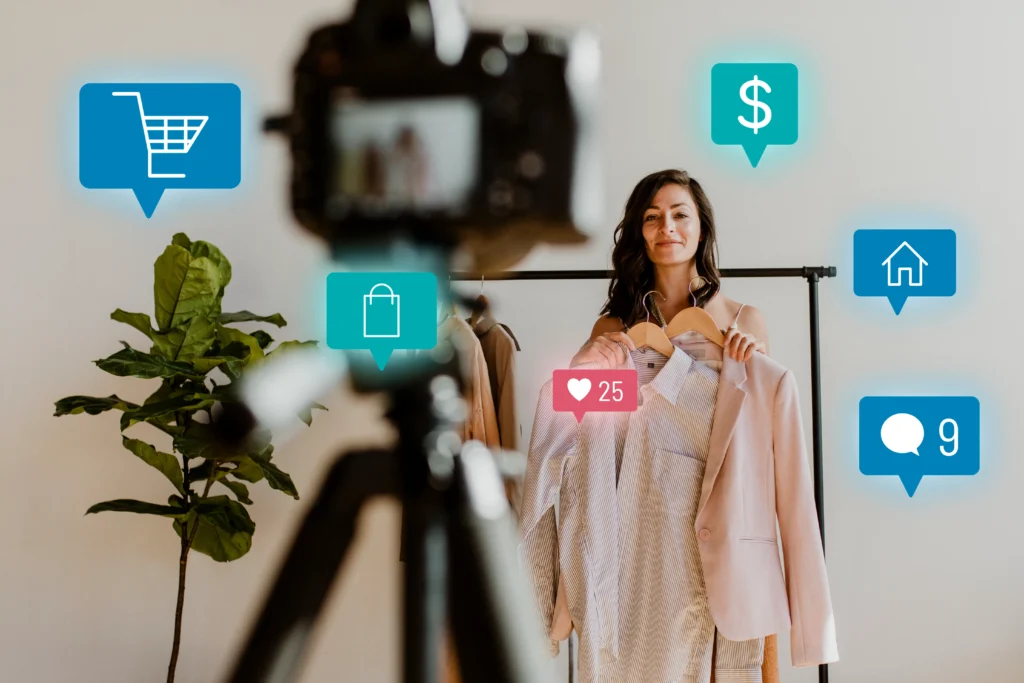
Influencer Marketing is a strategy where you collaborate with individuals who already have the trust and attention of your ideal audience. Instead of you telling people why your product is great, someone they already follow and believe does it for you — naturally, authentically, and often far more convincingly.
For your small business, this matters because trust is your biggest growth barrier. Large brands buy attention. You build it. Influencer Marketing helps you accelerate that process by positioning your product inside trusted communities.
Unlike traditional advertising, where people expect to be sold to, influencer content feels like a recommendation from a friend. That difference alone can dramatically change how your brand is perceived.
Why Influencer Marketing Works So Well for Small Businesses
You might assume Influencer Marketing is only effective for big brands with deep pockets. In reality, it often works better for small businesses.
Here’s why:
- Your brand feels more human and relatable
- Smaller audiences tend to be more engaged and trusting
- Partnerships cost less and deliver higher engagement
- You can target very specific niches instead of broad markets
When someone with a loyal following shares your product, it doesn’t feel like an ad. It feels like discovery. That emotional shift is what makes Influencer Marketing such a strong growth driver.

Types of Influencers Small Businesses Should Focus On
Not all influencers are equal, especially when your goal is growth and conversions rather than vanity metrics.
Nano Influencers (1,000–10,000 followers)
Nano influencers often have the strongest connection with their audience. Their followers see them as peers, not public figures.
Why they work for you:
- Extremely high engagement rates
- Affordable or even free collaborations
- Strong local or niche influence
These creators are ideal if your business serves a specific community, location, or interest group.
Micro Influencers (10,000–100,000 followers)
Micro influencers offer the best balance between reach and authenticity.
Why they work for you:
- Still trusted by their audience
- Larger reach without celebrity pricing
- Professional-quality content
For many small businesses, micro influencers become long-term partners that scale alongside the brand.
Why Mega Influencers Often Don’t Fit Small Business Goals
Larger influencers usually come with higher costs and lower engagement percentages. Their audience is broader, less targeted, and more accustomed to sponsored content. For small businesses, this often leads to poor return on investment.
How to Find the Right Influencers for Your Business
The success of your Influencer Marketing strategy depends less on numbers and more on alignment.
Focus on Audience Relevance, Not Follower Count
Ask yourself:
- Does their audience look like your ideal customer?
- Do they talk about topics related to your product?
- Do their followers engage meaningfully with their content?
An influencer with 8,000 highly engaged followers in your niche is more valuable than one with 200,000 followers who don’t care about what you sell.
Where to Discover Influencers
You don’t need expensive tools to start. You can find influencers by:
- Searching hashtags related to your industry
- Exploring tagged posts from similar brands
- Looking at who your customers already follow
- Checking comments for recurring active users
Social platforms themselves are often the best discovery engines.
Red Flags You Should Avoid
Be cautious if you notice:
- Inflated follower counts with low engagement
- Generic comments like “Nice post” on every upload
- Overly promotional feeds with no authenticity
If it feels forced, it usually is.

How to Build Influencer Partnerships That Drive Growth
Reaching out to influencers isn’t about pitching — it’s about starting a conversation.
How to Approach Influencers Without Sounding Salesy
When you contact an influencer, your message should feel personal and respectful.
Focus on:
- Why you like their content
- Why your product fits their audience
- What value you’re offering them
Avoid mass messages. Influencers can spot them instantly.
Partnership Models That Work for Small Businesses
You don’t need large budgets to collaborate effectively.
Common models include:
- Product gifting in exchange for content
- Affiliate commissions on sales
- Revenue-sharing partnerships
- Long-term ambassador programs
Long-term partnerships often outperform one-off posts because trust builds over time.
Creating Influencer Marketing Campaigns That Convert
A successful Influencer Marketing campaign doesn’t just look good — it leads to action.
Choosing the Right Content Format
Different platforms perform differently:
- Short-form videos for discovery
- Stories for behind-the-scenes trust
- Posts for social proof
- Lives for deeper engagement
Let the platform guide the format.
Why Creative Freedom Matters
Influencers understand their audience better than you do. When you over-script content, it loses authenticity.
Instead:
- Share your key message
- Explain your goals
- Allow them to tell the story their way
Authenticity is what converts.
Using Clear but Natural Calls to Action
Effective CTAs don’t feel forced. They feel helpful.
Examples:
- “You can check it out through the link in my bio”
- “I’ve been using this for weeks and it actually works”
- “Here’s a discount code if you want to try it”

Measuring the ROI of Influencer Marketing
To grow sustainably, you need to know what’s working.
Metrics That Actually Matter
Instead of obsessing over likes, focus on:
- Engagement quality
- Click-through rates
- Sales or sign-ups
- Audience growth
These metrics show real business impact.
Tools You Can Use
Simple tools are often enough:
- Trackable links
- Discount codes
- Platform analytics
Over time, patterns will emerge that guide smarter decisions.
Common Influencer Marketing Mistakes Small Businesses Make
Many small businesses struggle with Influencer Marketing not because it doesn’t work, but because of avoidable mistakes.
These include:
- Choosing influencers based only on follower count
- Expecting instant sales from one post
- Treating influencers like ad placements
- Not setting clear goals or expectations
Influencer Marketing works best when treated as relationship-building, not transaction buying.
Influencer Marketing for Small Businesses on a Budget
Limited budget doesn’t mean limited results.
You can:
- Work with nano influencers
- Offer revenue-based partnerships
- Repurpose influencer content into ads
- Build community-based collaborations
Creativity often outperforms cash.
The Future of Influencer Marketing for Small Businesses
Influencer Marketing is moving toward:
- Smaller, more trusted creators
- Long-term partnerships
- Community-driven influence
- Storytelling over promotion
This shift favors small businesses that value authenticity and connection.
Frequently Asked Questions About Influencer Marketing
Is influencer marketing effective for small businesses?
Yes. When aligned with the right audience, it often outperforms paid advertising in trust and engagement.
How much should you spend on influencer marketing?
Start small. Many successful campaigns begin with product gifting or commission-based models.
Can influencer marketing work without paying influencers?
Yes, especially with nano influencers and value-driven collaborations.
How long does it take to see results from influencer marketing?
Brand awareness can be immediate. Sales and loyalty build over time.
Which platform is best for influencer marketing?
It depends on where your audience already spends their time.
Conclusion: Turning Influence Into Real Business Growth
Influencer Marketing isn’t about chasing trends. It’s about understanding human behavior. People trust people. When you align your business with voices your audience already believes in, growth becomes less about persuasion and more about permission.
If you’re ready to stop competing for attention and start earning it, Influencer Marketing is one of the most practical and scalable strategies available to your business today.
Your Next Step
Start small. Identify one influencer whose audience matches yours. Reach out with honesty. Build a real partnership. Then repeat.
If you found this guide helpful, share it, bookmark it, or leave a comment with your biggest Influencer Marketing challenge — your growth story might start there.
Table of Contents
How to Build a Strong Online Presence for Your Business – trendsfocus
Leveraging Influencer Marketing For Small Businesses: Finding The Right Partnership