
You know that moment when the asphalt ends and the track ahead turns dusty, uneven, and tempting? Your heart rate lifts a little, not because you’re scared, but because you’re alive. If that feeling is why you ride, then Moto Morini 2026 should be on your radar. The brand is clearly leaning harder into adventure—bringing lighter, trail-friendlier machines into the conversation while still keeping the bigger “go anywhere, go far” bikes in play.
This guide is written for you—the rider who wants clarity, not hype. You’ll see what’s coming, what it means for real trail use, and how to choose the right bike for your riding style.
Why Moto Morini 2026 Matters for Trail Riders
Adventure riding is changing. More riders want bikes that feel manageable off-road, not just impressive in a showroom. For trail riding, the “best” ADV isn’t always the most powerful one. It’s often the one you can control when the ground turns loose, steep, or unpredictable.
That’s why the Moto Morini 2026 adventure direction is interesting. You’re looking at a lineup that covers multiple rider types:
- You want something light and confidence-building for trails and mixed routes.
- You want a middleweight ADV that can tour comfortably but still handle dirt days.
- You want a flagship machine built for long-distance travel with serious power.
Let’s break down the models and what they mean for you.
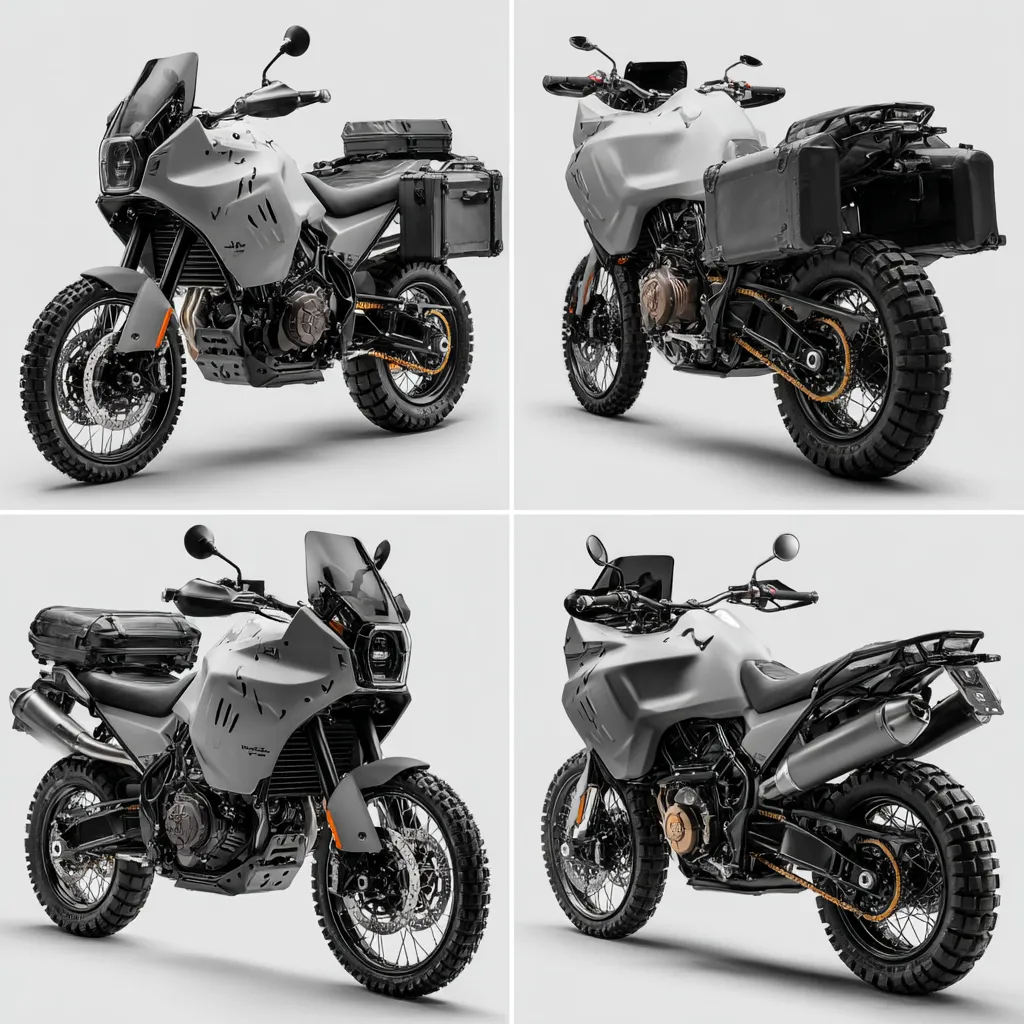
Moto Morini Kanguro 300 (2026): The Lightweight Adventure Option You’ll Actually Take on Trails
If you’ve ever hesitated to explore a new trail because your bike feels too heavy, too tall, or too expensive to drop, the Kanguro 300 is the kind of bike that makes adventure feel possible again.
The trail appeal: light, simple, and off-road biased
What makes a small-displacement adventure bike genuinely useful isn’t just price or styling. It’s a combination of factors that directly affect how you ride:
- Lower weight means easier balance at slow speed.
- Off-road wheel sizing improves stability on ruts and rocks.
- Longer suspension travel helps when the trail gets rough.
- A straightforward engine makes throttle control predictable.
The Kanguro 300 is positioned exactly in that sweet spot—accessible power, trail-ready geometry, and a clear focus on off-road capability without turning into a race bike.
Kanguro 300 key specs (why they matter to you)
Even if you don’t obsess over spec sheets, these numbers translate into real-world riding:
- A2-friendly power: enough to travel, climb, and explore without needing full-license horsepower.
- Lightweight design: easier to handle in sand, mud, or tight turns.
- Tall seat height: great for clearance and off-road stance, but you’ll want to check fit if you’re shorter.
- Under-seat fuel layout: can help the bike feel more balanced when standing and moving around off-road.
- Switchable ABS: a big deal on gravel, where you often want more control under braking.
Who the Kanguro 300 is for
This is your bike if you:
- ride solo and want something you can pick up easily
- want a trail bike that still works for commuting and weekend rides
- are moving up from a 125–250cc and want “real adventure” without a weight penalty
- want a lower-stress entry into off-road travel
Who should think twice
The Kanguro 300 may not be your best fit if:
- you ride mostly motorway at high speeds
- you do two-up touring frequently
- you want instant overtakes with heavy luggage and strong headwinds
In that case, the middleweight options make more sense.
Moto Morini Kanguro 300 Rally (2026): The More Dirt-First Choice
If the standard Kanguro sounds like your vibe, the Kanguro 300 Rally is basically the “lean into it” version. Rally variants usually exist for one reason: to feel more at home when you’re riding rougher surfaces more often.
Why you’d choose the Rally version
You’ll likely prefer the Rally style if:
- you ride more dirt than road
- you want more off-road-focused equipment from the factory
- you plan to add protection and luggage and still keep the bike composed
What changes you should expect
Across adventure brands, Rally versions typically bring:
- a slightly different front setup (wind protection + rally-inspired look)
- extra protection and off-road detailing
- minor weight differences depending on added parts
The key for you is simple: if you’re buying this bike as a trail tool, choose the trim that needs less modification to become “ready.”
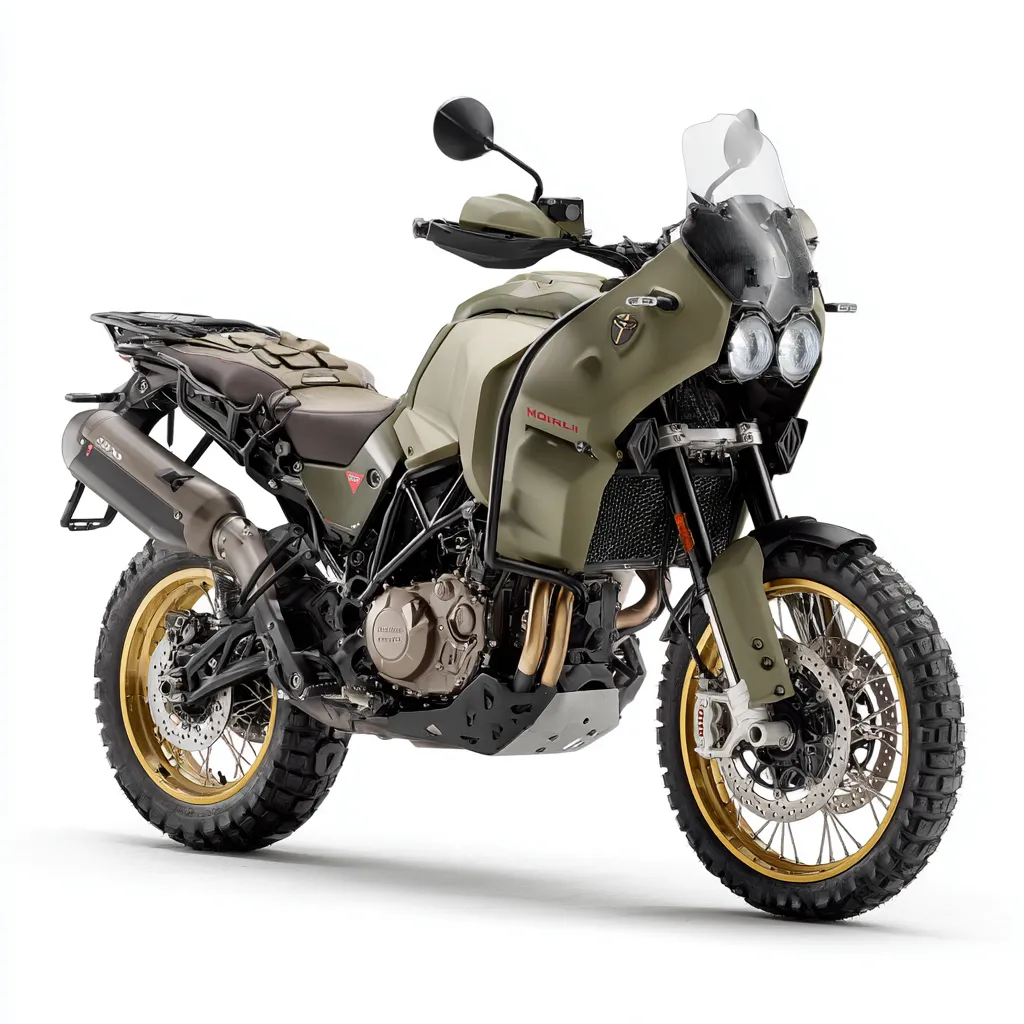
Moto Morini X-Cape 700 (2026): The Middleweight ADV That Can Do Everything (If You Ride Smart)
The X-Cape 700 is what you consider when you want one bike that covers the most situations: daily riding, weekend trips, and occasional dirt adventures.
This is not a lightweight trail bike in the strict sense. But it can be a very capable adventure machine if you ride it with the right expectations.
Why the X-Cape 700 might be your best real-world option
Most riders don’t ride pure trails all the time. You probably do a mix:
- paved roads to reach the good stuff
- fast country roads and twisties
- dirt roads, gravel routes, and mild trails
That’s where a middleweight ADV shines. With a stronger engine than a 300, the X-Cape 700 can handle long distances with less effort—and still deliver the “go explore” feeling when the route gets dusty.
Trail riding with a 700: what you must understand
On trails, middleweight bikes reward smooth riders. You’ll do best when you:
- stay relaxed and keep your vision far ahead
- stand more often to let the bike move under you
- brake earlier and smoother on loose surfaces
- choose tires that match your dirt percentage
- avoid deep sand or tight single-track until you’ve built skill and confidence
A 700 isn’t “worse” off-road. It just asks more from you.
Who should choose the X-Cape 700 over the Kanguro 300
Choose the X-Cape 700 if you:
- ride a lot of highway to reach your trails
- want stronger overtakes and more relaxed cruising
- travel with luggage (or a passenger) more often
- want a bike that feels “grown up” on long trips
Choose the Kanguro 300 if you:
- care most about trail confidence and low-stress handling
- want a bike that feels easy in tricky terrain
- ride mostly local dirt routes and secondary roads
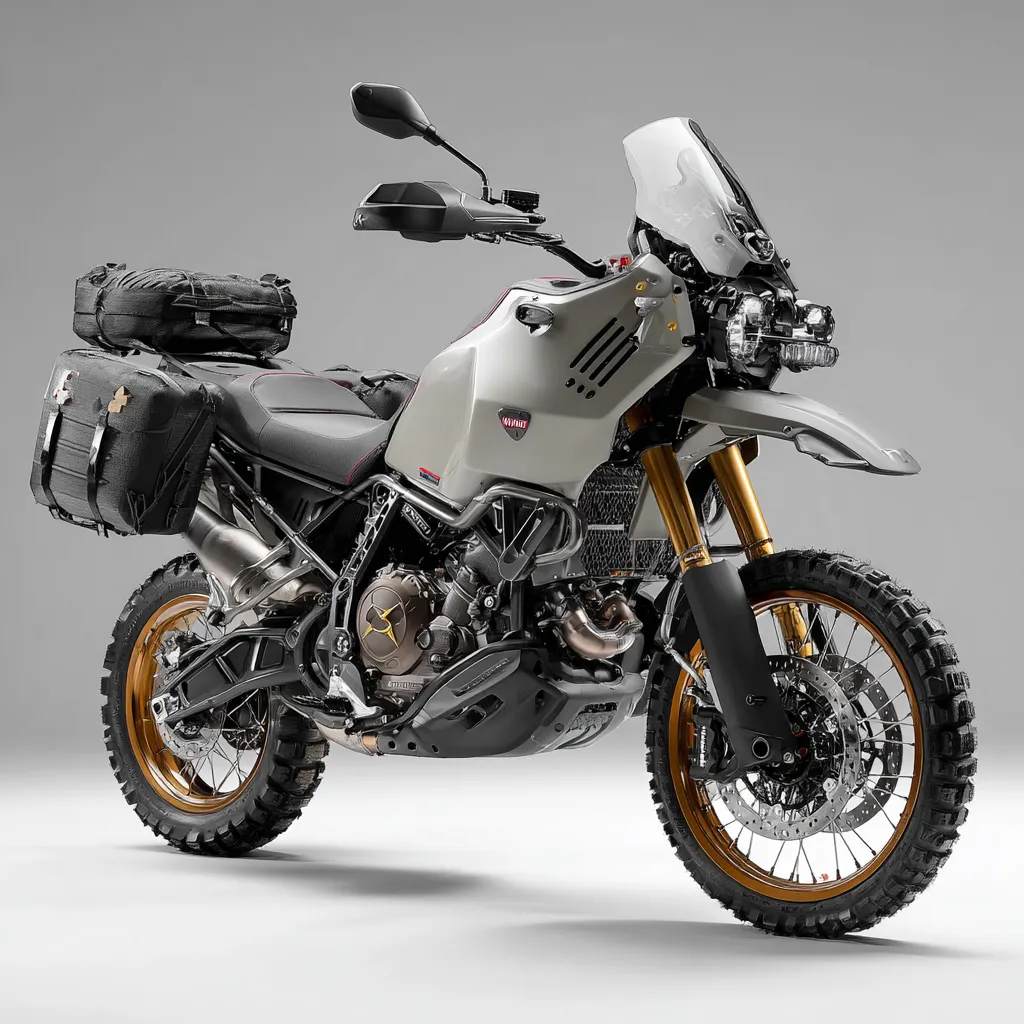
Moto Morini X-Cape 1200 (2026): Big Power, Big Distance, Big Presence
The X-Cape 1200 is the flagship idea: a high-power adventure bike built to cover serious miles, carry loads, and still leave room for dirt detours.
This is the kind of machine you choose when your adventures are measured in countries, not neighborhoods.
What the X-Cape 1200 is best at
You’ll love a flagship ADV if you want:
- long-distance comfort day after day
- stable high-speed touring with luggage
- confident overtakes and strong torque
- a bike that feels planted even when the weather turns ugly
The trail reality check (honest talk)
Here’s the truth: big adventure bikes can do dirt, but you ride them differently.
You don’t buy a 1200 to attack technical trails. You buy it to:
- ride long days comfortably
- take gravel shortcuts without worry
- explore remote routes that are 80% road, 20% dirt
If your dream is tight, technical mountain trails, you’ll likely be happier on the lighter options.
Where the Alltrhike 450 Fits in Your 2026 Adventure Plan
The Alltrhike 450 sits in that “small-middle” category that many riders love: more power than a 300, more trail bias than many 700s.
If your ideal adventure bike is “light enough to play, strong enough to travel,” this category is often the best compromise.
How to decide between 300 / 450 / 700
Think in terms of your terrain mix:
- Mostly trails + local roads → 300 is often perfect
- Mixed trails + travel days → 450 can be the sweet spot
- Touring + occasional dirt → 700 makes daily life easier
There’s no wrong answer—only mismatched expectations. Your best bike is the one you’ll ride most.
Trail-Ready Checklist for Any Moto Morini 2026 Adventure Bike
When you’re comparing adventure bikes, don’t get trapped by horsepower. Use a trail rider’s checklist.
Off-road essentials
- Wheel setup: 21/18 is dirt-friendly; 19/17 is more balanced
- Suspension travel: more travel = more forgiveness
- Ground clearance: protects your engine and confidence
- Switchable ABS: helpful on loose surfaces
- Weight: the easiest performance upgrade is “less mass”
Adventure touring essentials
- Comfort: seat, peg position, wind protection
- Fuel range: determines how far you can roam
- Luggage readiness: racks, mounting points, stability
- Protection: skid plate, handguards, crash bars
What you should budget for (realistic setup list)
If you want your bike to feel trail-ready, plan for:
- tires matched to your dirt percentage
- handguards and skid plate
- basic crash protection
- a small tool kit and tire repair
- a luggage solution that doesn’t throw off balance
Should You Wait for Moto Morini 2026 or Buy Now?
This depends on your riding season and your patience.
You should wait if…
- your dream bike is a lightweight, trail-first ADV
- you want a new model designed around off-road confidence
- you’re okay waiting for pricing, availability, and first test rides
You should buy now if…
- you have trips planned soon and need a bike immediately
- you find a great deal on a current model you already like
- you prefer proven reliability and existing aftermarket support
A smart approach is to decide based on your calendar, not just your excitement.
FAQ: Moto Morini 2026 Adventure Bikes
What’s new about Moto Morini 2026 for adventure and trail riders?
In 2026, Moto Morini’s adventure direction looks more layered. You’re not only seeing bigger touring-focused ADV options, but also lighter, more trail-friendly machines that make off-road exploring feel less intimidating. If you want a bike you can actually take onto rough tracks without overthinking every drop, that’s the appeal of Moto Morini 2026.
Which Moto Morini 2026 adventure bike is best for trail riding?
If your priority is trails first—tight turns, loose gravel, ruts, or rocky sections—your best match is typically the lightest, most off-road-biased model. That means the Kanguro-style lightweight adventure approach is the one to watch because it’s built around easier control and confidence off-road.
Should you choose a lightweight Moto Morini 2026 model or a middleweight?
If you ride more dirt than road, you’ll usually be happier with a lightweight model because it’s easier to manage at slow speed and less exhausting on technical sections. If you ride long distances on highways, tour often, or carry luggage regularly, a middleweight is usually the smarter compromise because it cruises more comfortably while still letting you take dirt roads and mild trails.
Is Moto Morini 2026 A2-friendly?
Yes, part of the Moto Morini 2026 adventure range is designed with A2 riders in mind. If you want an adventure bike that feels like a real step up in ability without needing full-license power, that’s one of the strongest reasons to pay attention to the 2026 lineup.
Is the Moto Morini 2026 X-Cape a real off-road bike?
It depends on how you define “off-road.” If you mean gravel roads, light trails, and exploring backroads, it can work well with the right tires and protection. If you mean deep sand, tight single-track, or technical climbs, a lighter bike will usually feel more natural and less risky—especially when you’re riding solo.
What should you look for when choosing a Moto Morini 2026 adventure bike for trails?
Focus on the things that actually change how you ride: weight, wheel setup, suspension travel, ground clearance, and braking control on loose surfaces. A bike that’s easy to balance and easy to recover from mistakes will take you farther than a bike that simply looks aggressive on paper.
Should you wait for Moto Morini 2026 or buy an adventure bike now?
Wait if you want a newer trail-focused option and you’re okay letting real-world reviews and pricing settle first. Buy now if you have trips planned soon, you’ve found a strong deal, or you’d rather get riding than spend months waiting. The right choice is the one that matches your calendar and your riding habits.
Conclusion
Moto Morini 2026 is shaping up to be exciting for a simple reason: it gives you more realistic ways to ride adventure the way you actually want to. If your dream rides start where the pavement ends, the lighter trail-oriented options are the ones that can change your confidence level overnight. If your adventures are longer, faster, and loaded with luggage, the mid-size and flagship ADV choices make more sense because they carry distance more comfortably.
The best move is to choose based on your real riding mix—how much dirt you do, how often you tour, whether you ride solo, and how comfortable you are handling a heavier bike on loose surfaces. When you pick the bike that matches your terrain and your skill level, you stop “planning” adventure and you start doing it.
Table of Contents
The Volonaut Airbike: Flying Into the Future of Urban Transport – trendsfocus