
Think back to the first time you watched a women’s sporting event and felt genuine excitement—not because it was “inspiring for women,” but because it was simply world-class sport. For many years, women’s sports existed on the margins, often ignored, underfunded, and undervalued. You may have grown up rarely seeing female athletes on prime-time television or hearing their achievements discussed with the same respect as their male counterparts.
Today, that reality is shifting fast.
Women’s sports are no longer asking for attention—they are earning it. Stadiums are filling, records are being broken, and audiences are growing across the globe. As a fan, a parent, an athlete, or simply someone who cares about fairness and progress, you are witnessing a turning point. The rise of women’s sports is not just a trend; it is a long-overdue transformation that is reshaping the sports world.

Understanding the Rise of Women’s Sports
A Brief History of Women’s Sports
To understand where women’s sports are going, you need to understand where they started. For decades, women faced barriers that went far beyond the playing field. Many sports organizations restricted participation, schools offered limited opportunities, and professional pathways were nearly nonexistent.
Key moments helped change this trajectory:
- Legal reforms such as Title IX opened doors to education and athletic funding.
- International competitions, especially the Olympics, increased visibility for women athletes.
- Grassroots programs slowly expanded access for girls at younger ages.
Despite these advances, progress was uneven. Women’s sports grew, but often without proper investment or media support. The current rise builds on these foundations, correcting years of imbalance.

Why Women’s Sports Are Growing Faster Than Ever
The acceleration you see today did not happen by accident. Several factors are driving this growth simultaneously.
First, digital platforms changed access. You no longer rely solely on traditional broadcasters. Streaming services, social media, and direct-to-fan content allow women’s sports to reach audiences instantly and globally.
Second, fans are demanding better representation. Viewers want authenticity, skill, and compelling stories. Women’s sports deliver all three.
Finally, younger generations are reshaping expectations. Girls grow up seeing women compete, lead, and win. Boys grow up respecting female athletes as equals. This cultural shift fuels long-term growth.
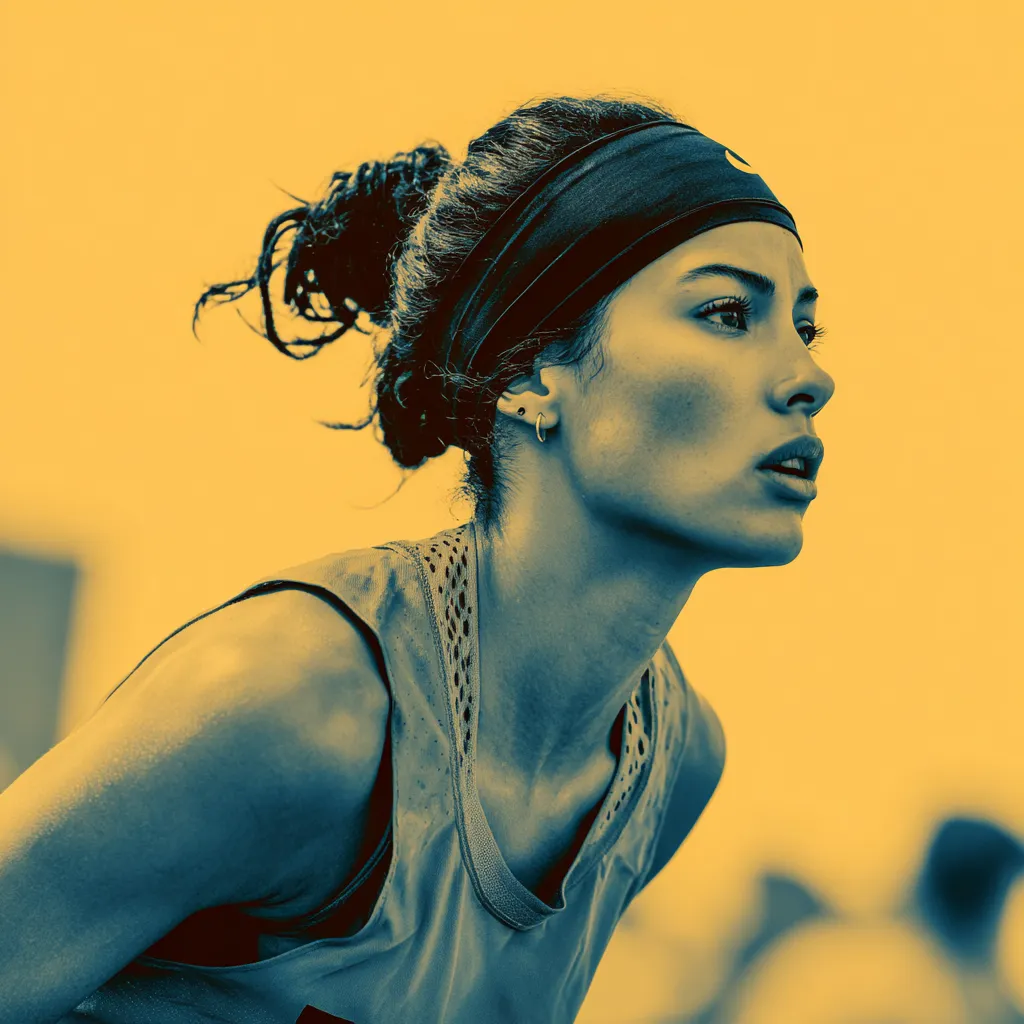
Breaking Barriers in Women’s Sports
Overcoming Gender Inequality in Sports
For much of history, inequality shaped women’s sports at every level. Pay gaps, limited sponsorships, and reduced media coverage created an uneven playing field. Even when women achieved excellence, recognition lagged behind.
You still see echoes of these challenges today:
- Prize money disparities in some competitions
- Fewer leadership roles held by women
- Unequal access to training facilities in certain regions
Acknowledging these barriers matters, because progress does not happen without awareness.
Barriers Women Athletes Have Faced
Women athletes have had to overcome:
- Lack of financial security in professional careers
- Stereotypes questioning physical ability or competitiveness
- Minimal exposure compared to men’s leagues
These barriers did not reflect talent. They reflected outdated systems.
How Women’s Sports Are Challenging These Barriers
Change accelerated when athletes began speaking for themselves. Advocacy, collective bargaining, and public accountability forced organizations to respond. Fans played a role too, by showing up, tuning in, and supporting women’s competitions.
You now see:
- Improved contracts in professional leagues
- Growing investment from global brands
- Greater inclusion of women in coaching and executive roles
Progress is not complete, but momentum is undeniable.
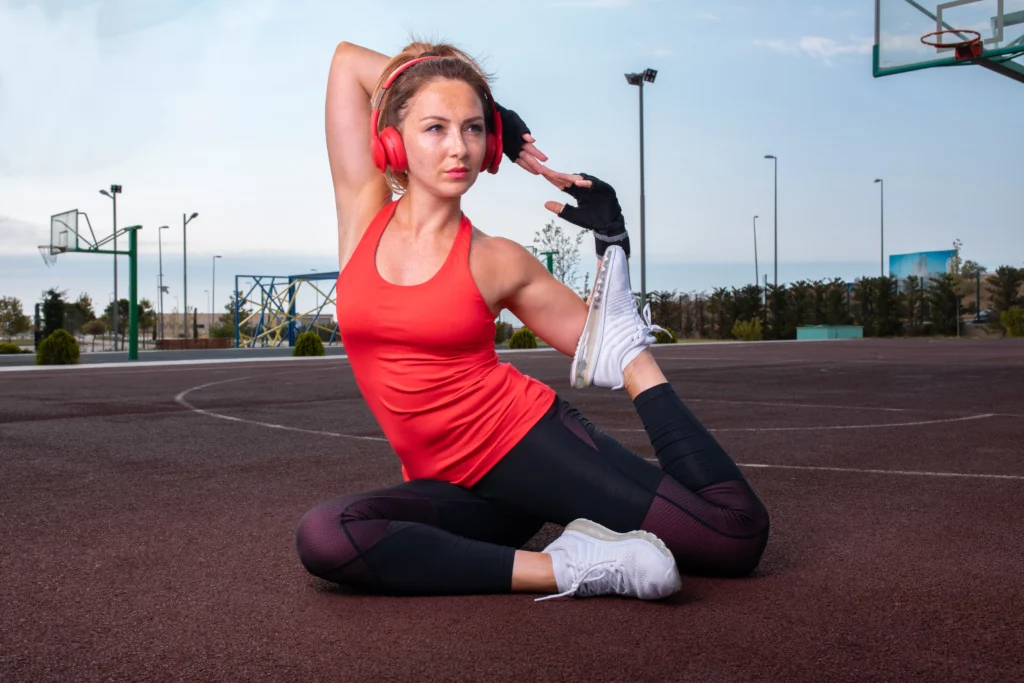
Record-Breaking Moments in Women’s Sports
Historic Records Set by Women Athletes
One of the clearest signs of growth is numbers. Attendance records at women’s sporting events are being rewritten. Television viewership continues to rise. Social media engagement around women’s sports rivals that of established men’s leagues.
These records matter because they send a clear message: interest is real, sustained, and expanding.
You are no longer watching history being made quietly. You are watching it unfold on a global stage.
Iconic Athletes Who Changed the Game
Every era has athletes who redefine what is possible. In women’s sports, these figures have done more than win—they have shifted perceptions.
Their influence extends beyond performance:
- Inspiring young athletes to pursue careers once considered unrealistic
- Attracting sponsors and media attention
- Using platforms to advocate for equality and opportunity
When you support these athletes, you support the ecosystem that allows others to follow.
Media, Sponsorship, and the Business of Women’s Sports
The Role of Media in the Growth of Women’s Sports
Visibility fuels growth. When women’s sports receive consistent coverage, audiences grow naturally. Media storytelling now focuses on skill, strategy, and competition—not novelty.
Digital platforms allow you to:
- Follow athletes directly
- Access behind-the-scenes content
- Engage with communities around teams and leagues
This direct connection builds loyalty and trust.
Sponsorship Growth and Commercial Success
Brands have recognized what fans already knew: women’s sports offer strong engagement, positive values, and global reach. Sponsorship deals increasingly reflect long-term commitment rather than short campaigns.
You see this shift through:
- Increased advertising during women’s events
- Athlete endorsements beyond traditional categories
- Investment in women-focused leagues and academies
Financial stability strengthens competition, development, and professionalism across the board.

The Social Impact of Women’s Sports
Empowerment and Representation
Representation matters more than slogans. When you see women compete at the highest level, it reshapes how success looks. Young girls gain role models. Boys learn respect. Communities benefit from broader participation.
Women’s sports influence:
- Confidence and leadership skills
- Health and physical activity levels
- Educational and career aspirations
The impact extends far beyond stadiums.
How Women’s Sports Drive Cultural Change
Sports reflect society, but they also shape it. As women’s sports gain prominence, conversations around equality, opportunity, and respect evolve.
You witness:
- Shifts in media language
- Greater acceptance of women in leadership roles
- Global movements advocating fairness in all industries
Athletic progress becomes social progress.
The Future of Women’s Sports
Emerging Leagues and New Opportunities
The future of women’s sports looks expansive. New leagues are forming. Existing competitions are expanding. Youth development systems are improving.
You can expect:
- More professional pathways
- Better global integration
- Increased investment in training and infrastructure
Growth is no longer limited to a few regions or sports.
What Needs to Happen Next
Sustainable growth requires continued commitment. Equal access, fair pay structures, and consistent coverage must remain priorities. Fans, organizations, and policymakers all play a role.
When you choose to watch, share, and support women’s sports, you become part of that progress.

FAQ: Women’s Sports and Their Global Rise
Why Are Women’s Sports Growing So Rapidly?
Women’s sports are growing due to increased visibility, digital access, and changing social attitudes that value equality and performance.
What Are the Biggest Challenges Facing Women’s Sports Today?
Pay equity, consistent media coverage, and long-term investment remain key challenges.
How Do Women’s Sports Benefit Society?
They promote inclusion, empower young athletes, and challenge outdated stereotypes.
Are Women’s Sports as Competitive as Men’s Sports?
Competition levels differ by sport, but elite women’s sports showcase exceptional skill, strategy, and intensity.
How Can You Support Women’s Sports?
You can attend events, watch broadcasts, follow athletes online, and advocate for equal coverage.
Conclusion: Why This Moment Matters
You are living in a defining era for women’s sports. Barriers that once seemed immovable are being dismantled. Records are falling. Expectations are changing.
This rise did not happen overnight, and it will not finish tomorrow. But every ticket purchased, every broadcast watched, and every conversation shared helps build a fairer and stronger sports culture.
Women’s sports are not asking for permission anymore. They are claiming their place.
Call to Action
If this article changed how you view women’s sports, take the next step. Watch an upcoming match. Share a highlight. Support a league or athlete you believe in. Your engagement matters more than you realize.
The rise of women’s sports continues—with you as part of the story.
Table of Contents
Army vs Navy Preview:Why This Rivalry Is Close – trendsfocus