
Imagine starting your day like any other Sunday morning. The sun rising. The calm waves brushing the coastline of a place seen as paradise. And then — without warning — your world erupts into chaos. Alarms scream across the sky, but the alerts arrive too late. Planes roar overhead, explosions shake the earth, and everything you thought was safe disappears in seconds.
On December 7, 1941, the attack on Pearl Harbor did far more than destroy ships and take lives. It exposed a silent weakness that nobody thought would matter until it was too late: communication failure.
This wasn’t simply a surprise attack. Signals were missed. Intelligence was ignored. Messages were delayed or misunderstood. The devastation didn’t just come from the bombs — it came from errors inside the system meant to protect the nation.
You’re about to discover the strategic missteps that made the attack far worse than it should have been — and why these lessons still matter for your world today.
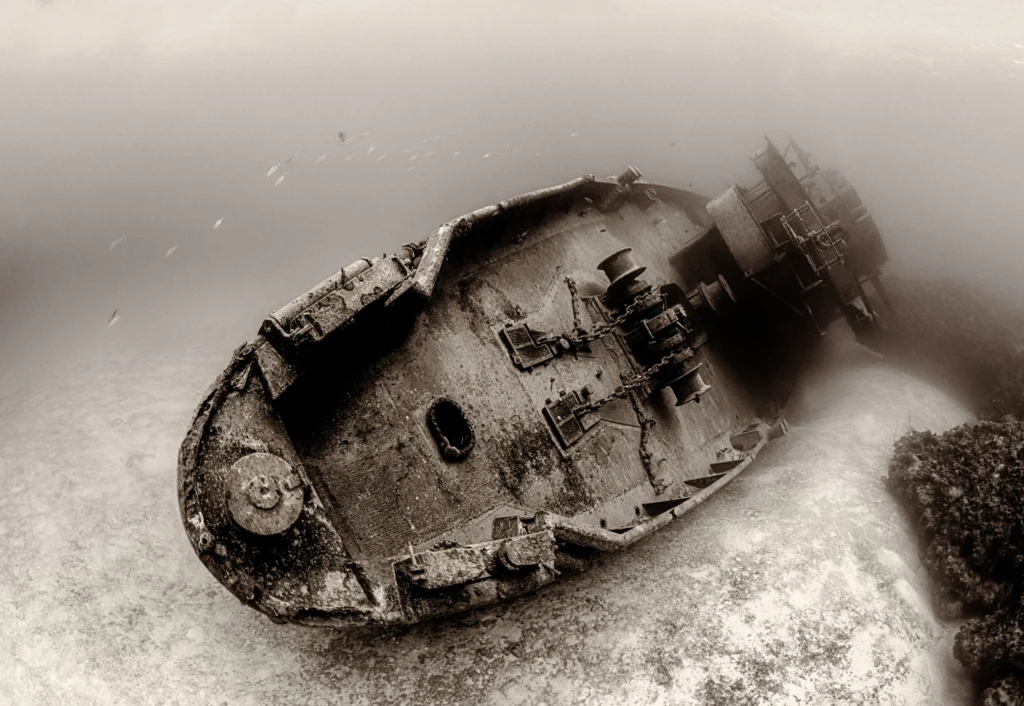
How Miscommunication Set the Stage for Disaster
Conflicting Intelligence That Went Unheard
Before the attack, the United States had intercepted clues that Japan was planning something hostile. Intelligence from multiple branches of government suggested a threat was growing. But here’s the critical flaw:
- Each department handled intelligence independently
- Analysts held tightly to their information
- Key warnings didn’t reach commanders in Hawaii
- Leaders underestimated Japan’s willingness to strike American soil
Everyone had a piece of the puzzle — but nobody saw the full picture.
A Dangerous Sense of Security
Whenever someone raised concerns, skepticism took over. You could say the mindset was:
“Japan would never dare attack us here.”
That belief blinded decision-makers. What should have been a national alert was treated like background noise.
The Radar Warning That Came Too Late
Technology Seen as a Toy, Not a Shield
On the morning of the attack, radar operators detected a large formation of aircraft approaching. They reported what they saw — a wave of planes unlike anything routine.
The response they received?
“Probably friendly aircraft. Don’t worry about it.”
New radar systems had been installed recently, but:
- Few people were trained to use them properly
- Standard procedures for reporting radar threats didn’t exist yet
- Leadership simply did not trust the new technology
Imagine having the answer in your hands… and being told to ignore it.
A Failure of Urgent Communication
Even when operators tried to escalate the warning:
- The call stopped at a duty officer
- The message wasn’t passed up the command chain
- Defensive aircraft remained grounded
Minutes lost became lives lost.
Army–Navy Communication Breakdown
Two Sides Preparing for Different Wars
You would expect the Army and Navy to operate like a single team in Hawaii. But:
- They ran on separate communication systems
- Information wasn’t actively shared
- Command structures were isolated
Both forces were strong — but disconnected.
Key coordination gaps:
- No centralized authority to make joint decisions
- Contradicting priorities (land defense vs. sea defense)
- Limited trust between branches
Because each side waited for the other to respond, precious time evaporated.
Delayed Intercepts: Messages Lost in Translation
The Final Warning That Should Have Sparked Action
Hours before the attack, U.S. codebreakers had intercepted a diplomatic message from Japan signaling a decisive break in relations. That alone should’ve triggered heightened alert.
Instead:
- Reduced staffing on a Sunday slowed decoding
- Paperwork and routing delays caused postponement
- Leaders in Hawaii weren’t told until after the attack started
A message that could have changed history sat in the wrong hands too long.
Bottlenecks Caused by Human Limitations
Back then, decoding was not automatic. Every communication had to be:
- Deciphered manually
- Verified
- Forwarded through channels
What should have been urgent intelligence became tangled in a slow-moving system.
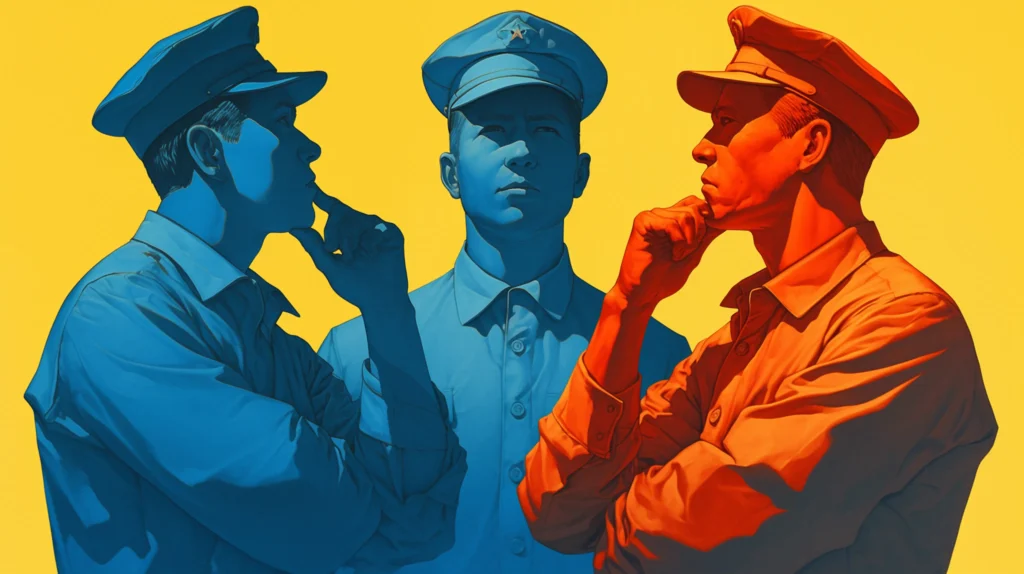
Human Judgment Mistakes That Shaped the Outcome
When Bias Blinds Action
Communication failures weren’t just structural — they were psychological.
Decision-makers made dangerous assumptions:
- Japan lacked the ability to launch a large-scale strike
- Any attack would target the Philippines, not Hawaii
- Early alert signals were just training glitches
People saw what they believed — and ignored what they feared.
The Cost of Underestimating the Enemy
Had leaders respected Japan’s capability and intent:
- Aircraft could have been armed
- Ships could have been in motion
- Anti-aircraft defenses could have been ready
Instead, unpreparedness left Pearl Harbor exposed like an unlocked fortress.
Lessons That Transformed Modern Military Communication
The attack forced the U.S. to confront a painful truth:
Information doesn’t save lives unless it moves quickly, accurately, and to the right people.
Unified Command Systems
The military redesigned how forces communicate by:
- Creating joint command structures
- Integrating radar into defense networks
- Training specialists to recognize and respond to threats fast
Real-Time Intelligence Sharing
New standards were formed to streamline communication:
- Clear urgency codes
- Direct channels from intelligence to action
- Wider distribution of critical messages
These changes continue to influence military operations today — including the systems that defend your everyday life from unseen threats.
Frequently Asked Questions: Pearl Harbor Communication Failures
Why did communication failures worsen the Pearl Harbor attack?
Critical intelligence wasn’t properly connected, shared, or acted upon. Radar warnings were ignored, and delays in relaying messages prevented timely defense.
Was Pearl Harbor truly a total surprise?
Not entirely. Several warnings existed, but misjudgment and miscommunication prevented a coordinated response.
Could faster communication have reduced losses?
Absolutely. If alerts had reached commanders even 30 minutes earlier, ships could have mobilized defenses and more aircraft could have taken to the sky.
What major improvement came after Pearl Harbor?
The U.S. created a unified command system to eliminate silos and ensure rapid military communication — a model still used today.
Conclusion: When Silence Becomes the Greatest Enemy
The tragedy of Pearl Harbor wasn’t only caused by bombs. It was amplified by silence in the wrong moments, by ignored warnings, and by communication lines that failed when they mattered most.
You now see Pearl Harbor through a deeper lens — not just as history, but as a reminder:
- When voices are ignored, danger grows
- When systems don’t connect, people suffer
- When communication fails, the consequences are irreversible
Understanding these lessons helps protect the future — because lives depend on information reaching those who need it, when they need it.
Let this knowledge move you to question, prepare, and communicate without hesitation. It’s not just a lesson from the past — it’s a responsibility for today.
Your Turn — What Do You Think?
Do you believe modern systems are strong enough to prevent similar communication failures today?
Have we truly learned from Pearl Harbor?
💬 Share your thoughts in the comments.
📌 Save this article to remember the lessons history refuses to repeat.
Table of Contents
Attack on Pearl Harbor | National Archives
Institutional Deadnaming: Rachel Levine’s Case – trendsfocus