
You may not notice it at first, but Asian culture has quietly woven itself into the rhythm of your everyday life. Maybe it was the first time you heard a K-pop chorus sliding through your car radio, or the moment you realized your favorite comfort meal had become a steaming bowl of pho instead of a burger. Perhaps you’ve found yourself admiring the clean, layered feel of Korean streetwear or scrolling through new anime releases because everyone seems to be talking about them.
Whatever your entry point was, you’re part of something much bigger—a cultural shift that’s reshaping how America eats, listens, dresses, and even communicates. Asian culture in the U.S. isn’t just a trend; it’s a movement powered by creativity, community, and global connection.
This article walks you through that transformation in music, cuisine, and fashion—three cultural touchpoints you interact with every single day.
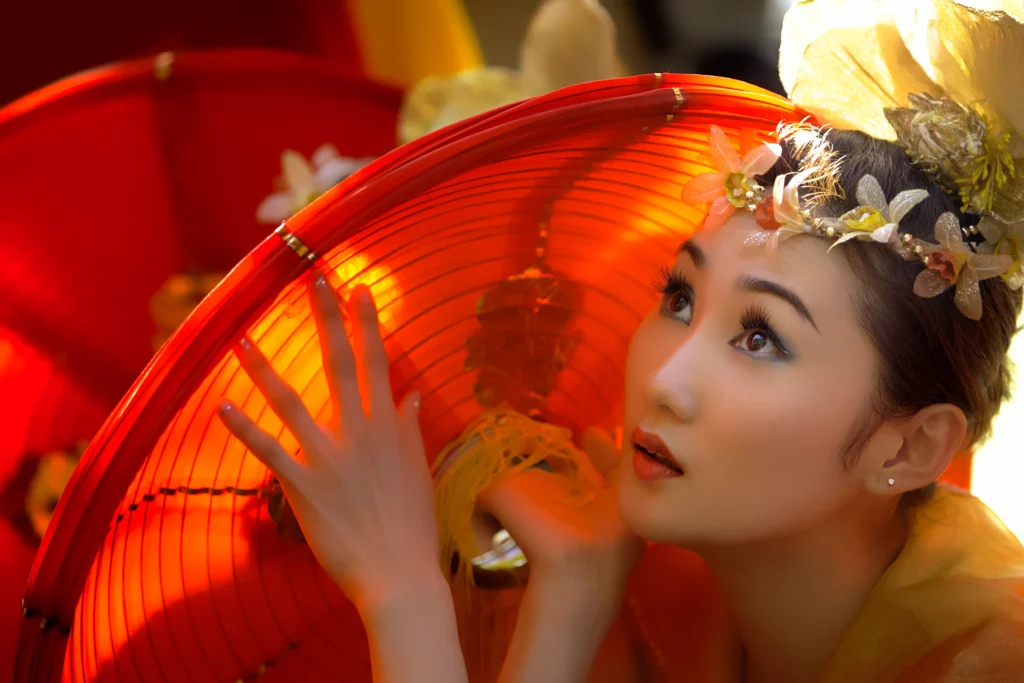
Understanding the Influence of Asian Culture in the U.S.
You’re living in a moment where cultural boundaries feel more open than ever. Asian culture, once viewed as niche or unfamiliar in the U.S., has become a vital piece of the national cultural mix. This shift didn’t happen overnight. It grew from decades of migration, storytelling, food traditions, artistic expression, and most importantly, the voices of Asian Americans pushing their heritage into the mainstream.
Today, you see the influence everywhere:
- Asian-owned businesses expanding nationwide
- Streaming platforms highlighting Asian creators
- Increasing representation in TV, music, and fashion
- Explosive growth in demand for Asian food
This influence is both cultural and economic—an intertwining of creativity and entrepreneurship that continues to shape how you connect with the world around you.
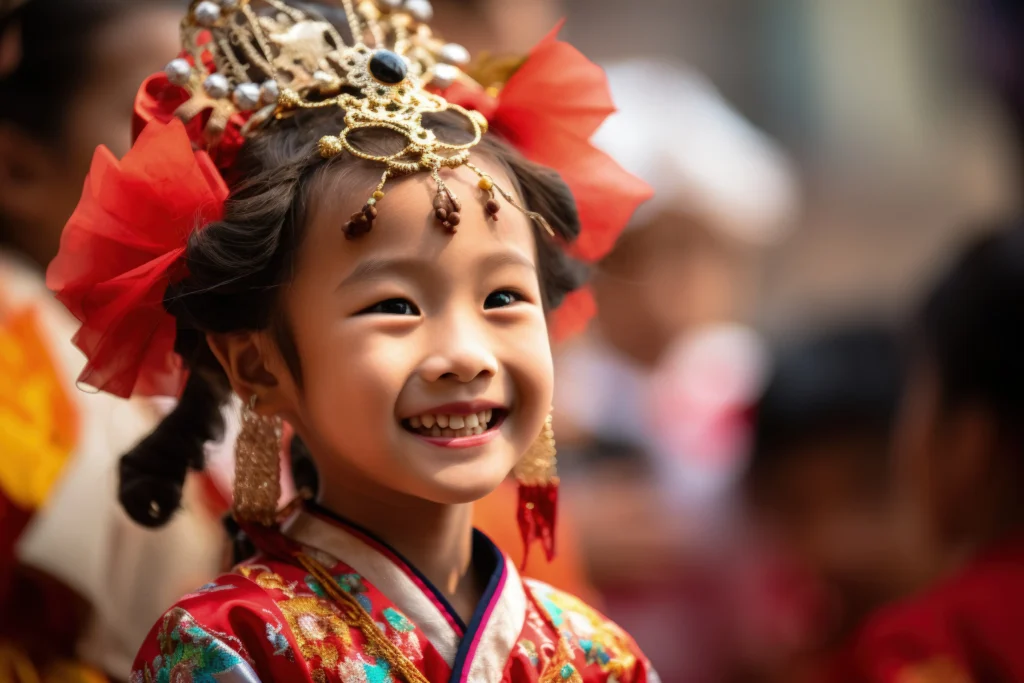
The Rise of Asian Musical Trends in the U.S.
Music is often the first place where cultural shifts become impossible to ignore. If you’ve ever caught yourself humming a K-pop hook or discovering a new Asian American artist through Spotify, you’re witnessing this cultural rise in action.
K-Pop, J-Pop, and C-Pop in the American Mainstream
A decade ago, you might not have imagined American radio stations playing Korean or Japanese music. Today, it’s normal to hear it everywhere—from the gym to TikTok challenges.
Why this sudden popularity?
- High-energy production that feels fresh compared to traditional pop
- Striking visuals and choreography that draw you in, even without understanding the language
- Dedicated fandom culture that transforms online support into real-world success
K-pop groups and Japanese artists have dominated global charts, proving that language isn’t a barrier when the music itself speaks to you.
Asian American Musicians Claiming Their Space
Alongside international stars, Asian American musicians are rising within U.S. genres like hip-hop, pop, EDM, and indie.
You may notice these artists often blend their heritage with modern American sounds—sharing stories of identity, belonging, and cultural tension. This perspective brings a depth and honesty that resonates with listeners who want music that feels personal, not manufactured.
They’re pushing back against old industry stereotypes, paving the way for more Asian representation in mainstream music than ever before.
Social Media and the Viral Wave of Asian Music
Your playlists today are shaped by platforms like TikTok, YouTube, and Instagram. These spaces allow Asian artists to reach you directly—no middleman, no record label limitations.
Short-form content, dance challenges, and meme culture help unfamiliar sounds travel fast. A 10-second clip can launch a global phenomenon.
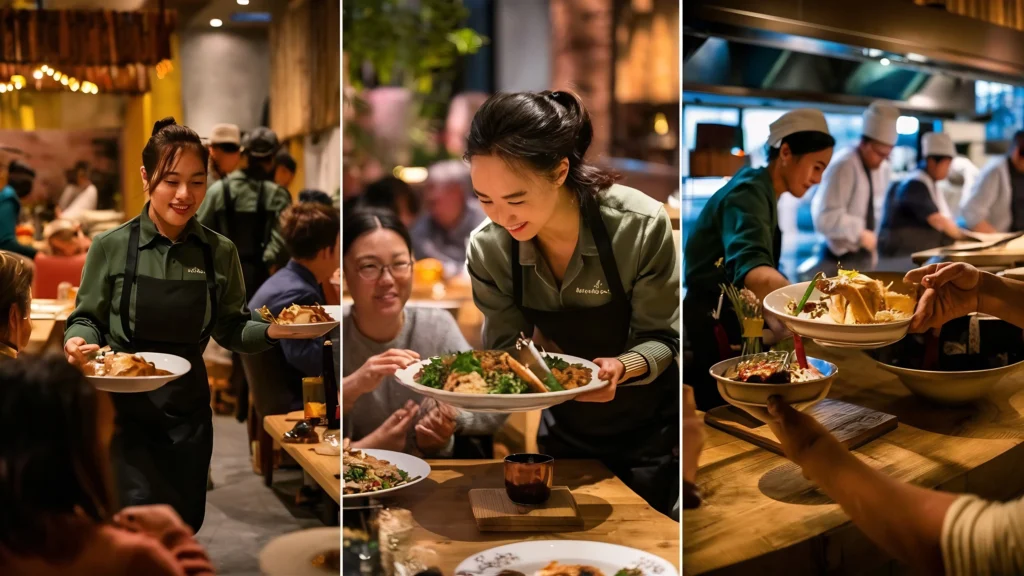
The Culinary Explosion: Asian Food Trends Transforming the U.S.
If there’s one place where Asian culture in the U.S. has made the biggest daily impact, it’s your plate.
Asian cuisine isn’t foreign anymore—it’s comfort food. Whether you’re ordering sushi on a weeknight or grabbing boba between errands, these flavors have become part of your rhythms and rituals.
From Ramen to Boba: Everyday Staples You Crave
Walk into any city or suburb today and you’ll see:
- Ramen shops with hours-long lines
- Vietnamese restaurants serving steaming bowls of pho
- Korean BBQ spots where diners crowd around sizzling grills
- Thai restaurants packed during lunch and dinner
- Boba shops booming with teens, adults, and families
These foods aren’t “exotic” anymore—they are familiar, satisfying, and deeply integrated into American dining culture.
Fusion Cuisine and Creative Flavor Pairings
Fusion dishes bring you the best of both worlds—flavors you’ve grown up with combined with Asian techniques, spices, or ingredients. You’ve probably encountered:
- Korean tacos
- Sushi burritos
- Matcha pastries
- Asian-inspired vegan creations
These dishes reflect a generation of chefs who grew up between cultures, shaping meals that feel both nostalgic and new.
Asian American Chefs Rewriting the Culinary Script
Many of the most influential chefs today are Asian American. They use food to tell stories—stories about family traditions, cultural pride, and the immigrant experience.
When you try dishes from these chefs, you’re not just eating; you’re tasting generations of history translated into a modern plate.
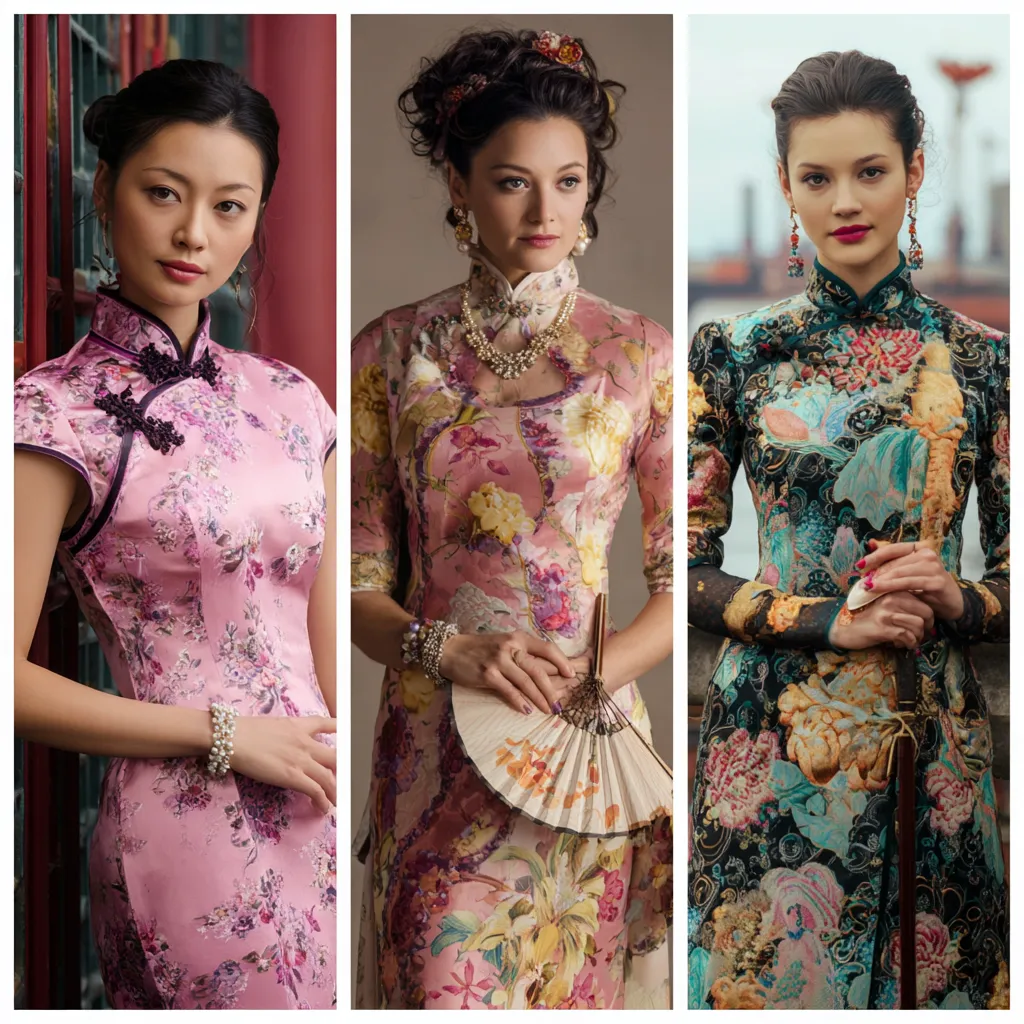
Asian Fashion Trends Reshaping American Style
Fashion is one of the clearest examples of how deeply Asian culture in the U.S. has taken root. From Korean streetwear to Japanese minimalism, you’re seeing a shift in what people wear and why they wear it.
Streetwear, K-Fashion, and Minimalist Aesthetics
Asian fashion stands out because it blends comfort, creativity, and attitude. Think:
- Oversized outerwear
- Layered looks
- Neutral palettes
- Clean lines
- Playful accessories
You may notice how these styles feel easy, expressive, and wearable—a refreshing departure from conventional American fashion.
Korean fashion, especially, has exploded thanks to K-dramas and influencers. The style is approachable yet polished, giving you a way to express yourself without feeling overdone.
Asian American Designers Leading Global Trends
Some of the biggest fashion moments in the U.S. come from Asian American designers who merge heritage with modern concepts. Their influence shows up in:
- New York and L.A. fashion weeks
- Streetwear collaborations
- High-end couture
- Everyday ready-to-wear styles
They’re not just designing clothes—they’re redefining what American fashion looks like.
K-Dramas, Anime, and Social Media Influencers
The visual storytelling in Asian media has changed how you see style. K-dramas highlight understated luxury. Anime shapes colorful, expressive aesthetics. Influencers showcase daily looks that feel both effortless and intentional.
This blend of inspiration creates styles that appeal to you even if you’re not deeply involved in Asian media.
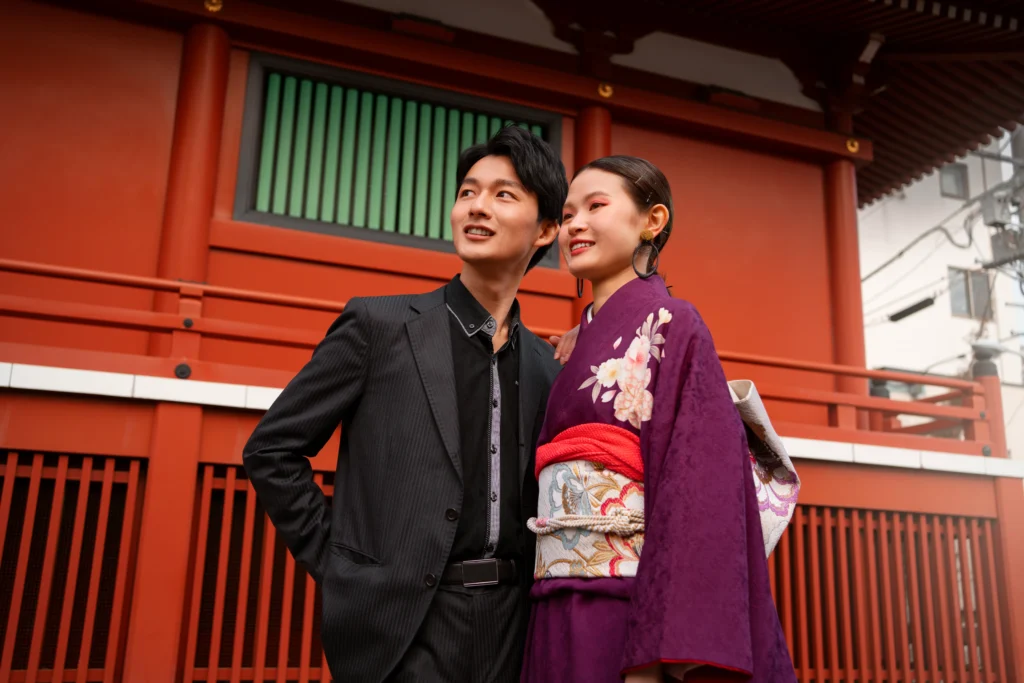
Why Asian Culture in the U.S. Resonates With Younger Generations
Younger generations, especially Gen Z and Millennials, connect strongly with Asian culture because it represents authenticity, creativity, and global identity—all values that matter to you.
Here’s why these trends feel so magnetic:
- You want connection, not division.
- You crave new experiences and global influences.
- You value storytelling and cultural depth.
- You trust social communities more than traditional media.
- You’re comfortable exploring cultures beyond your own.
Asian culture aligns perfectly with a digital world where creativity spreads instantly and community grows through shared interests.
Economic and Social Impact of Asian Culture in the U.S.
Asian culture doesn’t only influence what you wear, watch, or eat—it also creates economic growth and social change.
Economic Impact
- Asian restaurants, beauty products, music, and media generate billions annually
- Asian-owned small businesses expand job opportunities
- Collaborations in fashion, entertainment, and cuisine drive local economies
Social Impact
- Increased representation across media
- Greater cultural understanding
- Stronger cross-cultural relationships
- More inclusive and diverse communities
When you support Asian creators, you contribute to a cultural ecosystem that enriches everyone.
Challenges and Misconceptions
Despite its growing popularity, Asian culture in the U.S. still faces challenges you should be aware of.
Cultural Appropriation vs. Appreciation
Enjoying another culture is a beautiful thing. But it becomes problematic when it’s divorced from context or used without respect.
Appreciation means:
- Learning the roots behind traditions
- Supporting Asian creators and businesses
- Giving credit where it’s due
Breaking Stereotypes
Asian communities still battle outdated, harmful stereotypes. The rise of representation helps— but there’s more work to do.
Maintaining Authenticity
As Asian culture becomes mainstream, there’s a risk of it being commercialized or diluted. Supporting genuine voices helps preserve the richness of these traditions.
Conclusion: The Future of Asian Culture in the U.S.
You’re witnessing a cultural transformation in real time. Asian culture in the U.S. has shifted from the margins to the center—reshaping how you eat, listen, and dress. It’s a movement built on creativity, identity, connection, and a shared desire to understand each other better.
Whether you’re trying new foods, discovering new music, or experimenting with new styles, you’re participating in a cultural bridge that brings people together.
And this influence isn’t slowing down—it’s only just beginning.
FAQ About Asian Culture in the U.S.
Why is Asian culture in the U.S. becoming so popular?
Because you now engage with global content daily—music, food, and fashion travel across borders instantly, making Asian culture accessible and relatable.
What are the biggest Asian cultural trends in America right now?
K-pop, anime, boba tea, ramen, Korean streetwear, minimalist fashion, K-beauty, and Asian-fusion cuisine.
How has Asian culture influenced American fashion?
Through layered streetwear, clean minimalist lines, and elevated casual looks inspired by Korean and Japanese aesthetics.
What role do Asian American creators play?
They provide the authentic voice behind the trends you enjoy, shaping music, media, design, and cuisine with their personal stories.
How can I appreciate Asian culture respectfully?
Support Asian creators, learn the cultural background behind the things you enjoy, and remain open to understanding the heritage—not just the trend.
Call to Action
If you want to continue exploring Asian culture in a meaningful way, start small: try a new dish, follow an Asian creator, listen to an artist you’ve never heard before, or learn the story behind a fashion style you love.
Your curiosity keeps this cultural exchange alive.
Table of Contents
A Deep Dive into New American Immigration Policy and Its Consequences – trendsfocus